Ginkgo biloba 'Bryson City': Wildlife Value
Ginkgos have no wildlife value. It is over-planted in today’s cities which can decrease wildlife diversity in the urban environment.
Phonetic Spelling:GING-ko bi-LOW-buh
Genus:Ginkgo
Species:biloba
Family:Ginkgoaceae
Ginkgo biloba is a deciduous conifer, classified as a true gymnosperm, that can reach an impressive height of up to 100 feet. Often referred to as a living fossil, it stands as the sole survivor of an ancient group of plants that thrived on Earth over 150 million years ago. One intriguing theory suggests that the unpleasant odor of its fruit may have attracted dinosaurs, leading them to consume and subsequently disperse the seeds. Additionally, Ginkgo biloba is favored in bonsai cultivation, where it can be maintained at a small size for centuries.
Among the notable varieties is the ‘Bryson City’ Ginkgo, a male selection known for its robust performance in North Carolina. This tree was introduced from China and planted in 1941 by Mary Bryson Tipton, a missionary who had to leave China due to the Japanese invasion. The town of Bryson City is named in honor of Mrs. Tipton’s family, and the original tree can still be found in downtown Bryson City.
In terms of ethnobotany, Ginkgo leaf extracts are commonly used in medicine, primarily for enhancing memory and treating vertigo. The nuts of the Ginkgo are also thought to possess aphrodisiac properties.
Seasons of Interest:
- Foliage: Notable for its vibrant yellow color in the fall.
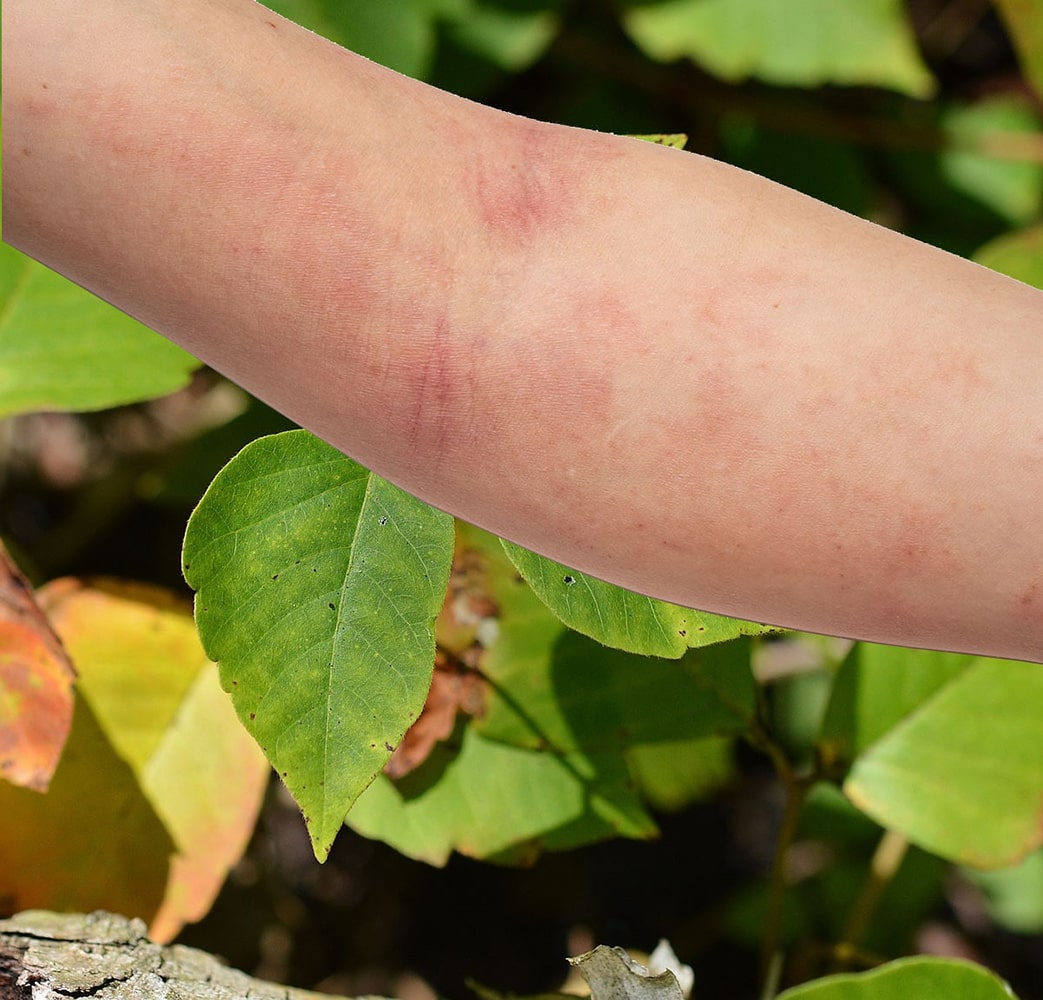
Insects, Diseases, and Other Issues: Ginkgo biloba does not face significant threats from insects or diseases. However, it can cause allergic reactions in sensitive individuals, leading to skin dermatitis akin to that caused by poison ivy. This tree is also resistant to deer.
For additional information on Ginkgo biloba, please refer to the relevant resources.
Ginkgo biloba 'Bryson City' Feature Summary
Ginkgo biloba 'Bryson City' Image Gallery