Hedera helix: Uses (Ethnobotany)
Historically, English ivy was used as a topical agent for its antifungal and antimicrobial properties.
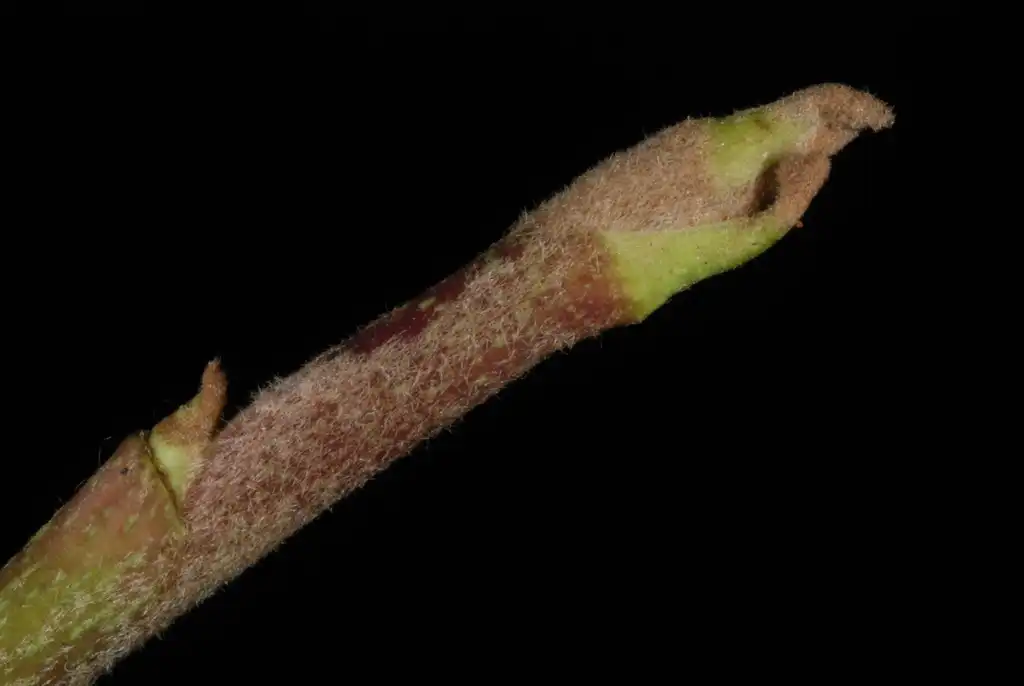
Phonetic Spelling:HED-er-ah HEE-licks
Genus:Hedera
Species:helix
Family:Araliaceae
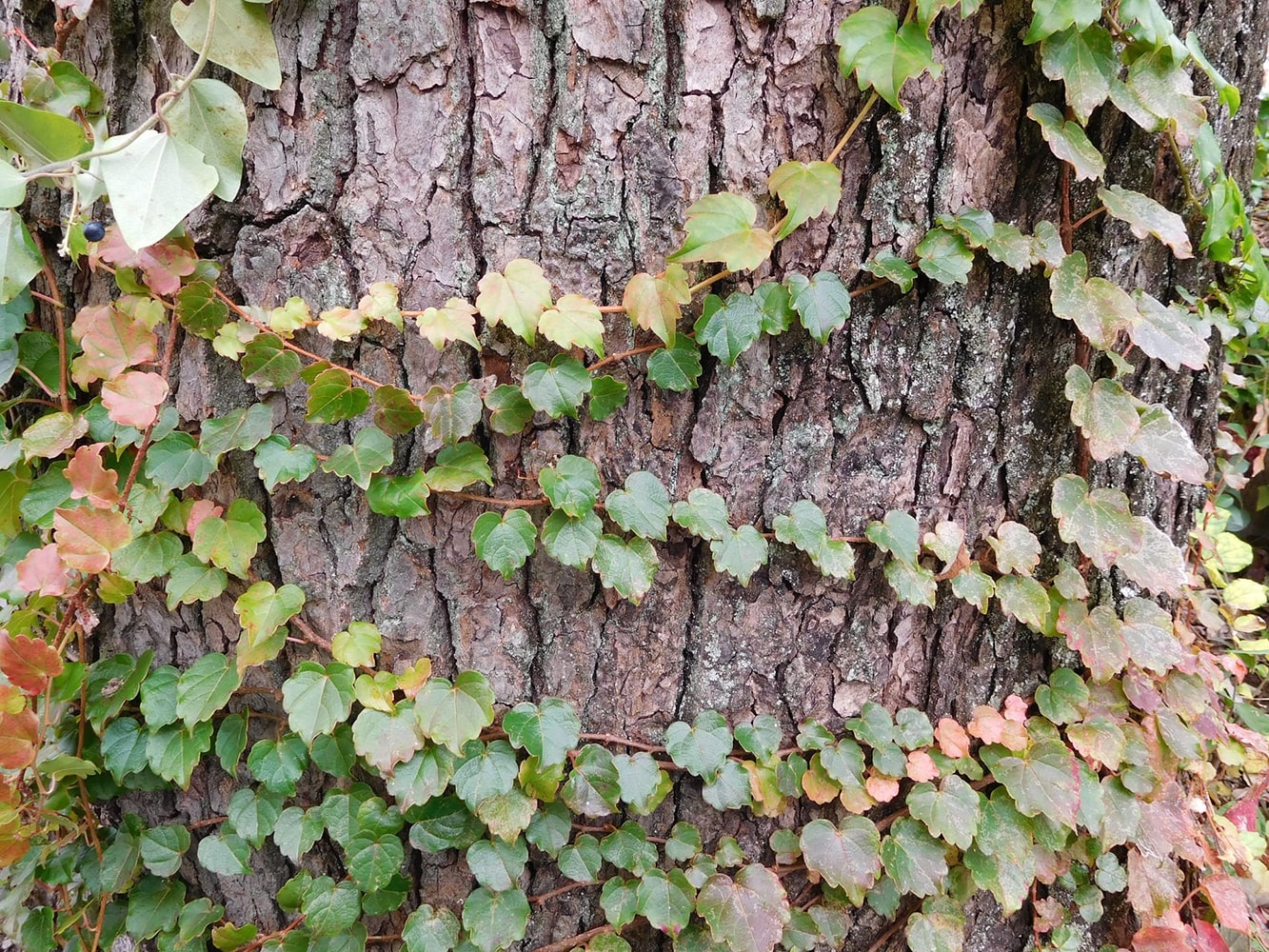
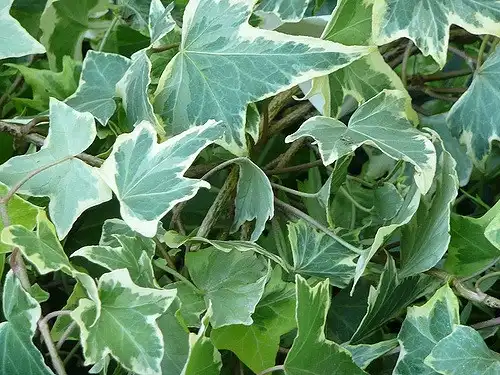
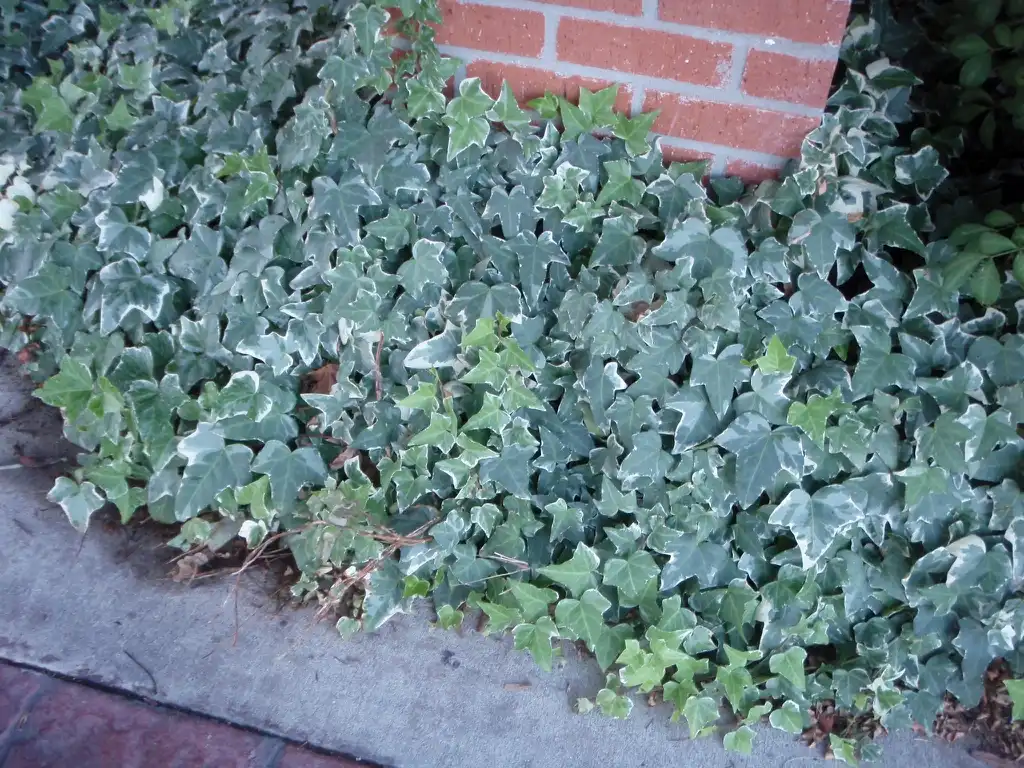
Hedera helix, commonly known as English ivy, is a highly invasive and aggressive plant. It is advisable to explore alternative groundcovers that thrive in partial or light shade rather than opting for Hedera helix. This evergreen vine can climb to impressive heights, making it nearly impossible to eliminate once it takes root, and it poses one of the most significant invasive weed challenges in North Carolina. English ivy spreads rapidly into native forests, where it can smother both tall trees and the forest floor, hindering the growth of native wildflowers, shrubs, and trees. The potential height of 80 feet mentioned pertains to outdoor growth; however, it is more commonly cultivated as a houseplant for safety and manageability.
When planted outdoors, English ivy prefers partial to full shade and thrives in rich, acidic, loamy soil. Nevertheless, it can adapt to various soil conditions and can even grow in full sun, although exposure to direct sunlight in winter may scorch its leaves. Established vines are resilient, exhibiting drought and salt tolerance, but they are often susceptible to damage from deer.
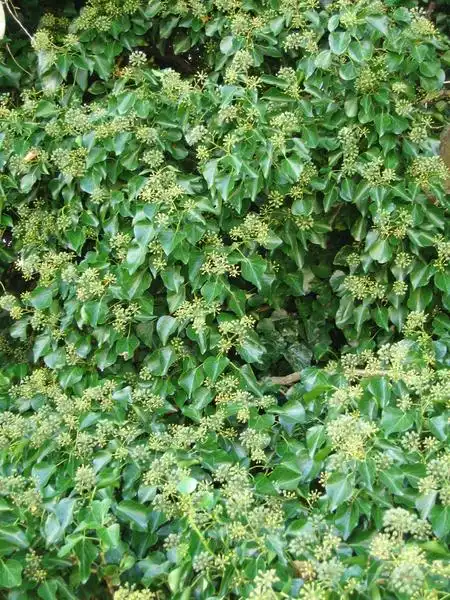
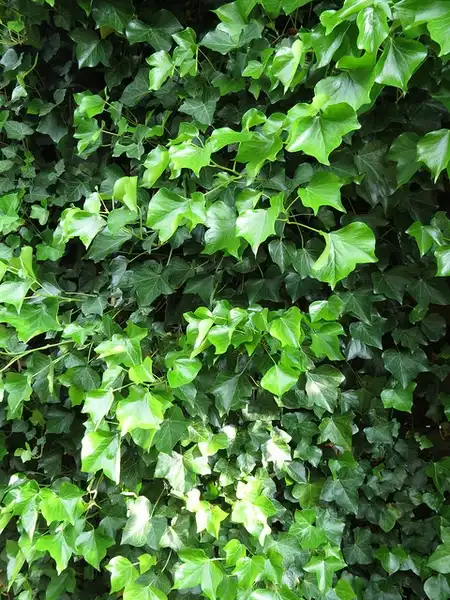
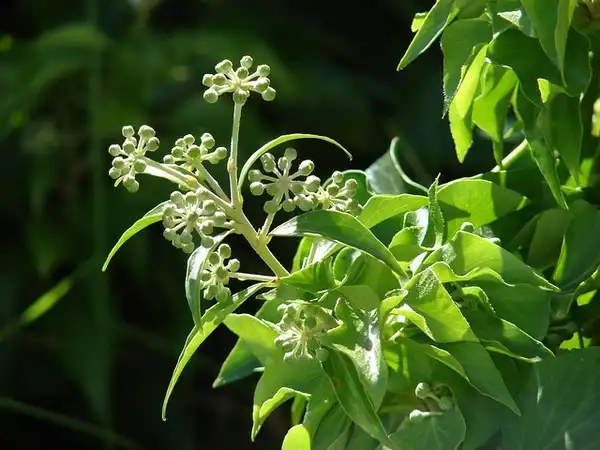
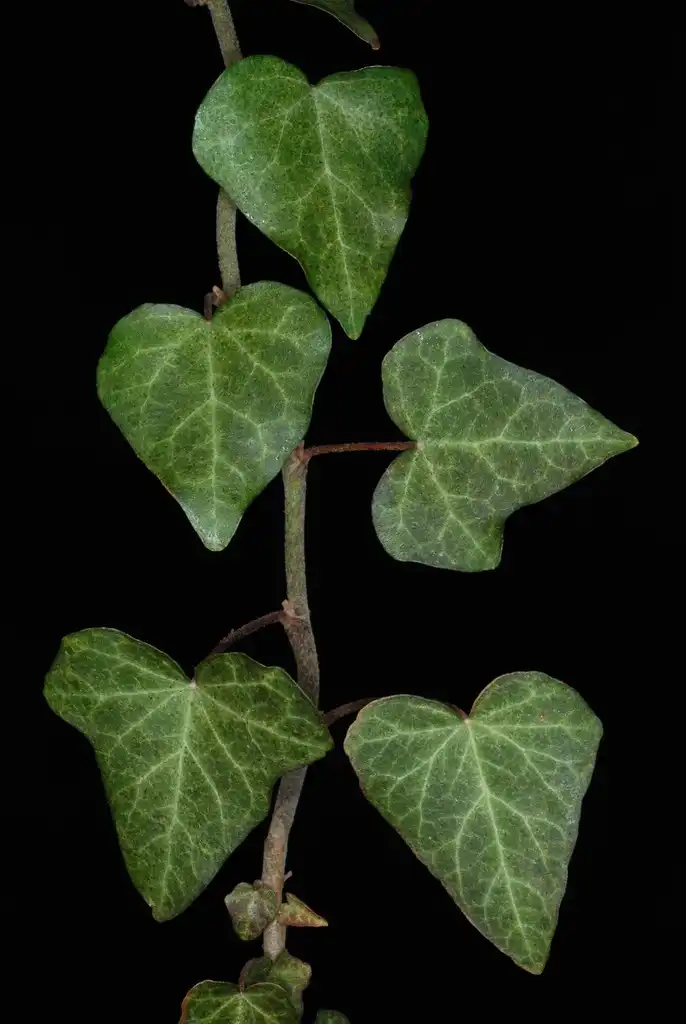
Cuttings from mature plants can develop into a shrub-like form. Given its invasive characteristics, English ivy can serve as ground cover in outdoor settings, as well as in planters, along low walls, stream banks, and in challenging areas. The plant undergoes two growth stages: the juvenile stage, characterized by climbing and spreading with thick green leaves on non-flowering stems that produce adventitious roots, and the adult stage, which is shrubby and non-climbing, producing clusters of greenish-white flowers in early fall followed by ornamental blue-black berries. While the berries resemble grapes, they are toxic if consumed.
Outdoor specimens typically belong to the var. Hibernica, while indoor varieties are often grown in hanging baskets, tall planters, or as grafted standards on X Fatshedera lizei stock. These cultivars usually come from a different variety that is less cold-hardy and features smaller leaves. The smaller-leaved varieties are often utilized for topiary, houseplants, or as ground covers in limited spaces.
In North America, English ivy is commonly found in upland and riparian deciduous forest communities with diverse species. It can also appear in conifer forests or savannas within mixed conifer-deciduous forests, as well as in thickets and shrublands. Its presence is widespread in urban and disturbed forests, often alongside other nonnative species. While forests with English ivy may initially host a variety of plant species, biodiversity tends to decline as the ivy spreads.
**Diseases, Insects, and Other Plant Issues:**
As previously noted, English ivy's invasive nature and rapid growth can lead to structural issues. The plant is vulnerable to pests such as aphids, mealybugs, caterpillars, mites, loopers, and scale. Be vigilant for signs of leaf spots, cankers, bacterial leaf spots, stem rot, and powdery mildew. The climbing vines can easily encroach on unintended areas around homes, wrapping around gutters and potentially damaging painted surfaces, loose mortar, or aluminum siding if their growth is not carefully managed.