Plant Profile: Humulus scandens

Taxonomy: Humulus scandens

Names

Japanese Hops

  • Photo of Humulus scandens (Humulus scandenss)

Phonetic Spelling:HUM-uh-lus juh-PON-ih-kus

Genus:Humulus

Species:scandens

Family:Cannabaceae

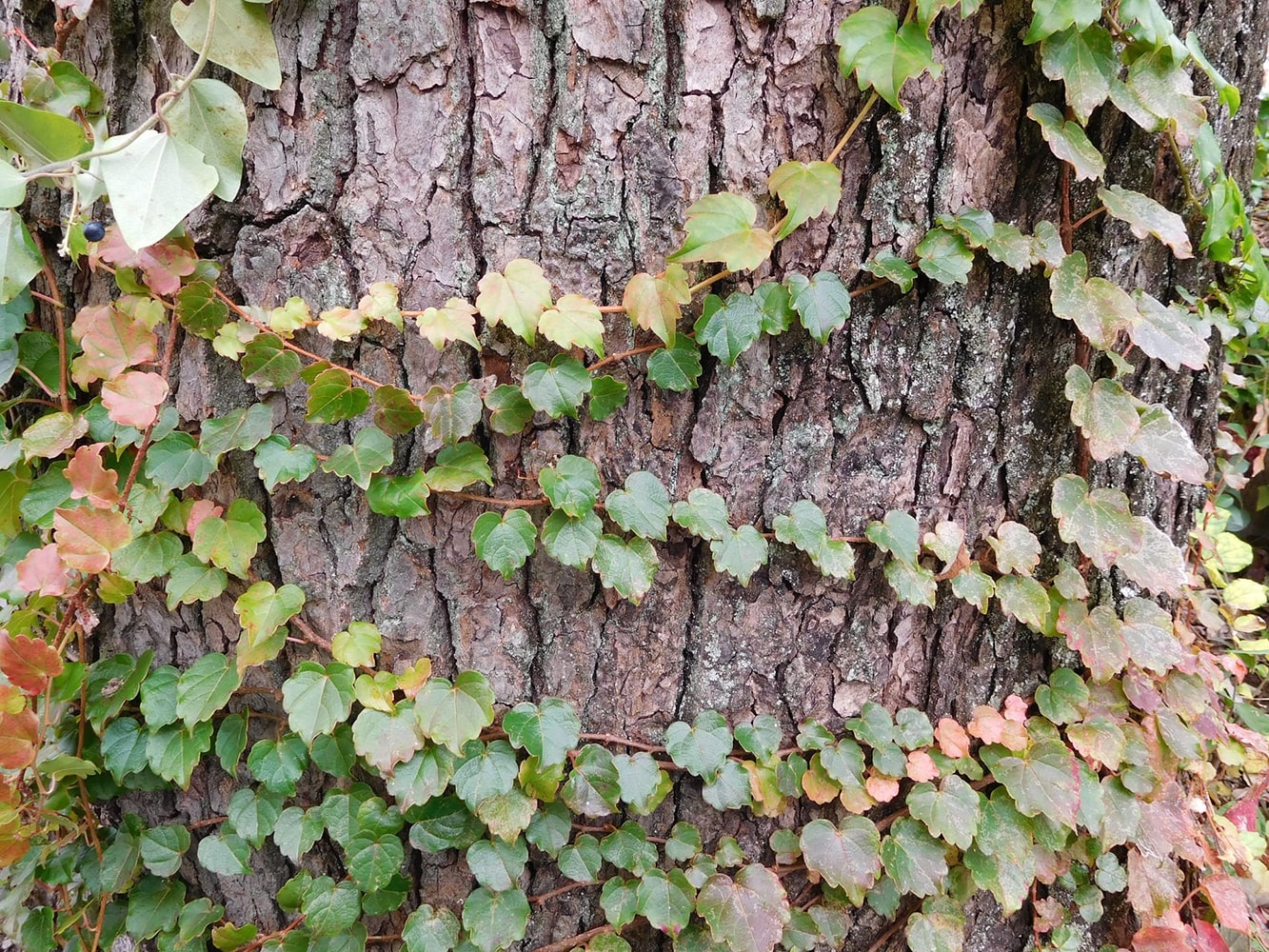
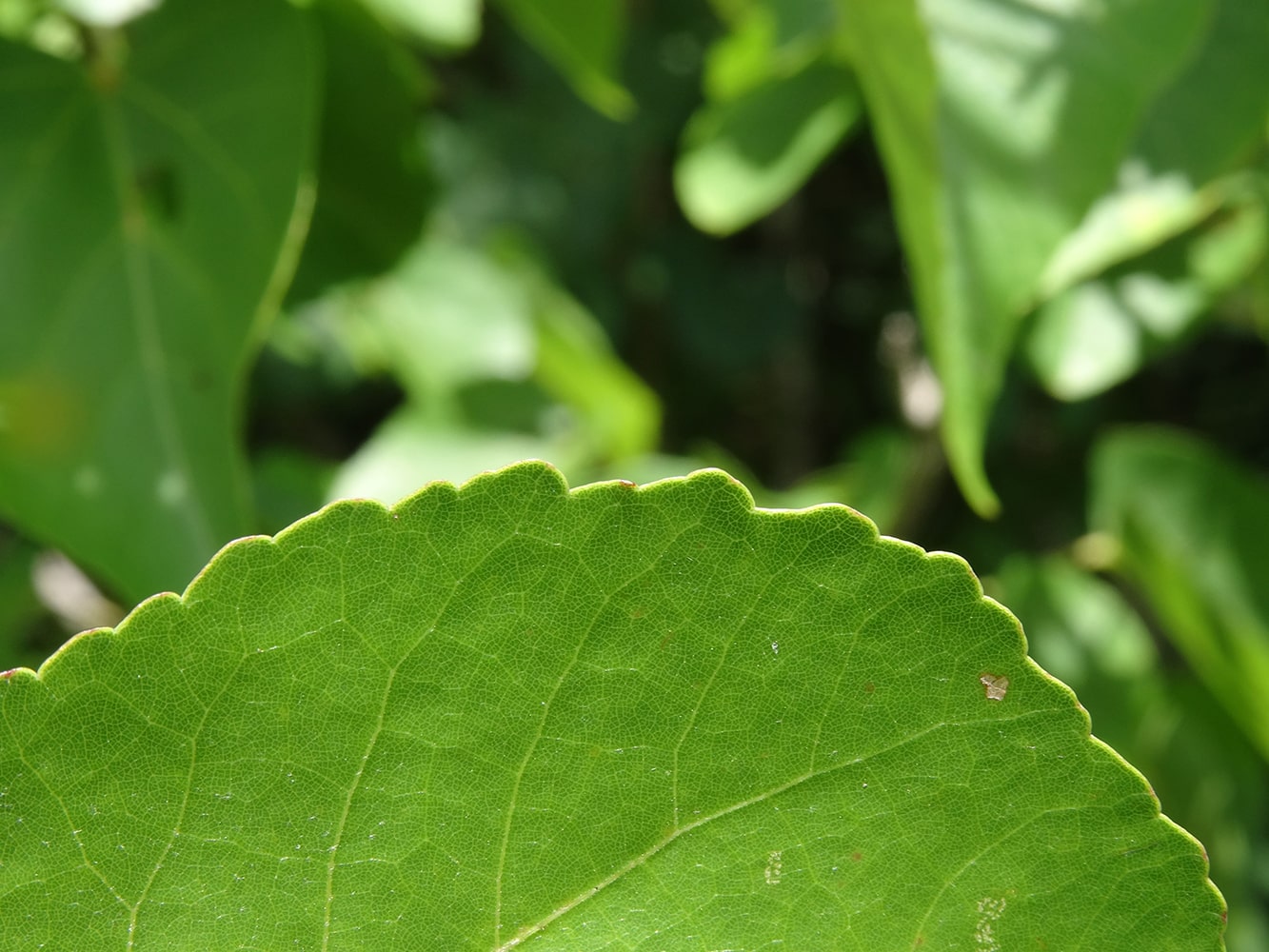
The Japanese Hop is a perennial climbing vine belonging to the hemp family, originally found in eastern Asia. Its leaves are arranged oppositely, typically featuring five lobes and a coarse texture. The plant produces greenish flowers that bloom from mid-summer to fall, with distinct male and female vines. Both types bear small, five-petaled blooms; however, male flowers grow in airy clusters, while female flowers form short spikes. The fruit develops in elongated clusters, encased in a papery bract.

This plant is resilient to drought and has spread beyond cultivated areas, often outcompeting native species. Consequently, it is advised against planting Japanese Hop.

Humulus scandens Feature Summary

Humulus scandens Image Gallery

Tags

#deciduous
#drought tolerant
#weedy
#high maintenance
#fast growing
#vines

Similar Plants

Humulus scandens Feature Summary

Attributes
Most infestations are in eastern states, but the species is spreading in the Midwest.
Fruit
Elongated cluster, each small, dry, enclosed in a sac-like, papery bract
Green
Gold/Yellow
Flowers
Greenish flowers in mid-summer to fall; small, axillary, 5-parted. female vines produce green hops
Gold/Yellow
Green
4-5 petals/rays
Leaves
Mostly opposite, palmately 3-7-veined and -lobed
3-6 inches
Poisonous to Humans
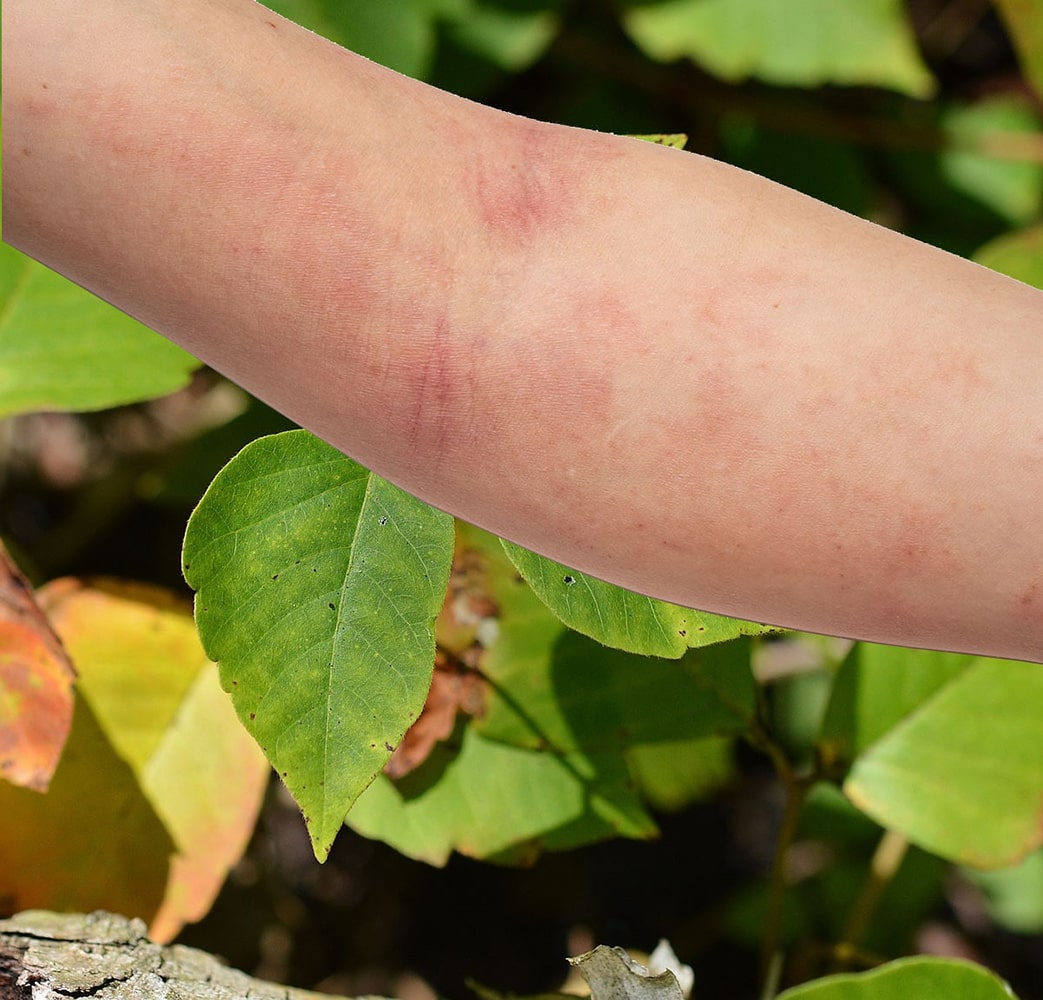
SKIN IRRITATION MINOR, OR LASTING ONLY FOR A FEW MINUTES. Skin irritation with blisters upon contact.
Volatile oils and bitter acids
Leaves
Flowers
Whole Plant Traits
Cultural Conditions
Full sun (6 or more hours of direct sunlight a day)
Good Drainage
Occasionally Wet
Coastal
Piedmont
Loam (Silt)
Landscape
Weedy
Contact Dermatitis

Humulus scandens Attributes

Humulus scandens: Country Or Region Of Origin

Eastern Asia
Humulus scandens: Distribution

Most infestations are in eastern states, but the species is spreading in the Midwest.

Humulus scandens: Life Cycle

Annual
Biennial
Bulb
Perennial
Woody

Humulus scandens: Recommended Propagation Strategy

Division
Grafting
Layering
Leaf Cutting
Root Cutting
Seed
Stem Cutting

Humulus scandens: Climbing Method

Clinging
Scrambler
Tendrils
Twining

Humulus scandens Fruit

Humulus scandens: Fruit Description

Elongated cluster, each small, dry, enclosed in a sac-like, papery bract

Humulus scandens: Fruit Color

grass
Gold/Yellow
grass
Green

Humulus scandens Flowers

Humulus scandens: Flower Description

Greenish flowers in mid-summer to fall; small, axillary, 5-parted. female vines produce green hops

Humulus scandens: Flower Color

filter_vintage
Gold/Yellow
filter_vintage
Green

Humulus scandens: Flower Bloom Time

Winter
Spring
Summer
Fall

Humulus scandens: Flower Petals

2-3 rays/petals
4-5 petals/rays
6 petals/rays
7 - 20 petals/rays
asymmetrical petals
Bracts
Colored Sepals
fused petals
more than 20 petals/rays
Tepals

Humulus scandens Leaves

Humulus scandens: Leaf Description

Mostly opposite, palmately 3-7-veined and -lobed

Humulus scandens: Woody Plant Leaf Characteristics

Broadleaf Evergreen
Deciduous
Needled Evergreen
Semi-evergreen

Humulus scandens: Leaf Color

spa
Green

Humulus scandens: Leaf Type

Compound (Pinnately , Bipinnately, Palmately)
Fronds
Needles
Sheath
Simple

Humulus scandens: Leaf Arrangement

Alternate
Opposite
Other/more complex
Rosulate
Whorled

Humulus scandens: Leaf Shape

Acicular
Auriculate
Cordate
Cuneate
Deltoid
Elliptical
Filiform
Lanceolate
Linear
Oblanceolate
Oblong
Obovate
Obtuse
Orbicular
Ovate
Palmasect
Palmatifid
Peltate
Pinnatifid
Pinnatisect
Reniform
Rhomboidal
Spatulate
Subcordate
Subulate

Humulus scandens: Leaf Margin

Crenate
Crenulate
Dentate
Denticulate
Doubly Crenate
Doubly Dentate
Doubly Serrate
Entire
Lobed
Serrate
Sinuate
Undulate

Humulus scandens: Hairs Present

No
Yes

Humulus scandens: Leaf Length

< 1 inch
1-3 inches
3-6 inches
> 6 inches

Humulus scandens: Leaf Feel

Fleshy
Glossy
Leathery
Papery

Prickly
Rough
Rubbery
Slippery
Smooth
Soft
Velvety
Waxy

Humulus scandens Poisonous to Humans

Humulus scandens: Poison Symptoms

SKIN IRRITATION MINOR, OR LASTING ONLY FOR A FEW MINUTES. Skin irritation with blisters upon contact.

Humulus scandens: Poison Toxic Principle

Volatile oils and bitter acids

Humulus scandens: Poison Severity

High
Low
Medium

Humulus scandens: Causes Contact Dermatitis

No
Yes

Humulus scandens: Poison Part

Bark
Flowers
Fruits
Leaves
Roots
Sap/Juice
Seeds
Stems

Humulus scandens Whole Plant Traits

Humulus scandens: Plant Type

Annual
Bulb
Carnivorous
Edible
Epiphyte
Fern
Ground Cover
Herb
Herbaceous Perennial
Houseplant
Mushroom
Native Plant
Ornamental Grasses and Sedges
Perennial
Poisonous
Rose
Shrub
Succulent
Tree
Turfgrass
Vegetable
Vine
Water Plant
Weed
Wildflower

Humulus scandens: Woody Plant Leaf Characteristics

Broadleaf Evergreen
Deciduous
Needled Evergreen
Semi-evergreen

Humulus scandens: Habit/Form

Arching
Ascending
Broad
Cascading
Climbing
Clumping
Columnar
Conical
Creeping
Dense
Erect
Horizontal
Irregular
Mounding
Multi-stemmed
Multi-trunked
Open
Oval
Prostrate
Pyramidal
Rounded
Spreading
Vase
Weeping

Humulus scandens: Growth Rate

Slow
Medium
Rapid

Humulus scandens: Maintenance

Low
Medium
High

Humulus scandens: Texture

Fine
Medium
Coarse

Humulus scandens Cultural Conditions

Humulus scandens: Light

Dappled Sunlight (Shade through upper canopy all day)
Deep shade (Less than 2 hours to no direct sunlight)
Full sun (6 or more hours of direct sunlight a day)
Partial Shade (Direct sunlight only part of the day, 2-6 hours)

Humulus scandens: Soil Drainage

Frequent Standing Water
Good Drainage
Moist
Occasional Flooding
Occasionally Dry
Occasionally Wet
Very Dry

Humulus scandens: NC Region

Coastal
Mountains
Piedmont

Humulus scandens: Soil Texture

Clay
High Organic Matter
Loam (Silt)
Sand
Shallow Rocky

Humulus scandens Stem

Humulus scandens: Stem Is Aromatic

No
Yes

Humulus scandens Landscape

Humulus scandens: Resistance To Challenges

Black Walnut
Compaction
Deer
Diseases
Drought
Dry Soil
Erosion
Fire
Foot Traffic
Heat
Heavy Shade
Humidity
Insect Pests
Pollution
Poor Soil
Rabbits
Salt
Slugs
Squirrels
Storm damage
Urban Conditions
Voles
Wet Soil
Wind

Humulus scandens: Problems

Allelopathic
Contact Dermatitis
Frequent Disease Problems
Frequent Insect Problems
Invasive Species
Malodorous
Messy
Poisonous to Humans
Problem for Cats
Problem for Children
Problem for Dogs
Problem for Horses
Short-lived
Spines/Thorns
Weak Wood
Weedy