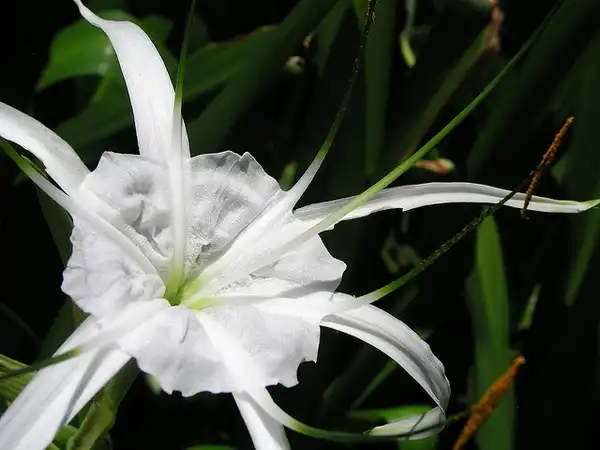
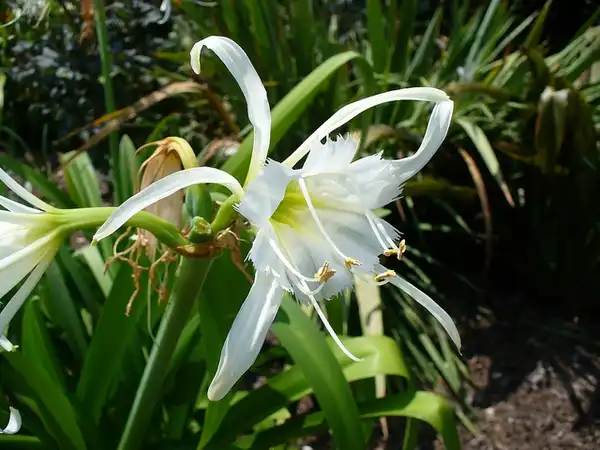
• Photo of Hymenocallis (Hymenocalliss)

Plant Profile: Hymenocallis

Taxonomy: Hymenocallis

Names

Basket Flower, Ismene, Peruvian Daffodil, Sea Daffodil, Spider Lily

  • Photo of Hymenocallis (Hymenocalliss)

Phonetic Spelling:hy-men-oh-KAL-liss

Genus:Hymenocallis

Species:

Family:Amaryllidaceae

These aromatic blooms emerge from bare stems and flourish best in nutrient-rich, well-drained soil, although they can also adapt to sandy or clay environments. For optimal growth, plant the bulbs at a depth of 5 inches (12.5 cm) and space them 8 inches (20 cm) apart, with one bulb per 5-inch pot.

Commonly found in indoor settings or as part of an interiorscape, these plants thrive in natural habitats such as marshes, shallow streams, and ditches, and are often used in flower gardens as herbaceous perennials.

Hymenocallis Feature Summary

Hymenocallis Image Gallery

Tags

#cultivars
#poisonous
#full sun tolerant
#water garden
#fragrant flowers
#houseplant
#perennial bulb
#summer flowers

Similar Plants

Hymenocallis Feature Summary

Attributes
USA, NC, South America
Southern Coastal Plain
Place container-grown plants indoors and grow them at 55-65 degrees F (13-18C). To store unplanted bulbs, harvest them carefully, leaving soil around the roots, and store dry at 60-70 degrees F (16-21C)
Perennial
Flowers
flowers fragrant, white or ivory, 6-parted, funnel-shaped, the 6 stamens connected at base with a thin white membrane
White
Cream/Tan
fused petals
6 petals/rays
Leaves
Poisonous to Humans
Poison Part: Bulbs Poison Delivery Mode:  Ingestion Symptoms:  Nausea, vomiting, and diarrhea
Lycorine and other phenanthridine alkaloids
Whole Plant Traits
Perennial
Herbaceous Perennial
Poisonous
Houseplant
Bulb
Water Plant
Cultural Conditions
Full sun (6 or more hours of direct sunlight a day)
Good Drainage
Occasionally Wet
Frequent Standing Water
Less than 12 inches
Coastal
Clay
High Organic Matter
Sand
Landscape
Rain Garden
Water Garden
Naturalized Area
Houseplants
Pond
Hummingbirds
Poisonous to Humans

Hymenocallis Attributes

Hymenocallis: Country Or Region Of Origin

USA, NC, South America
Hymenocallis: Distribution

Southern Coastal Plain

Hymenocallis: Bulb Storage

Place container-grown plants indoors and grow them at 55-65 degrees F (13-18C). To store unplanted bulbs, harvest them carefully, leaving soil around the roots, and store dry at 60-70 degrees F (16-21C)

Hymenocallis: Life Cycle

Annual
Biennial
Bulb
Perennial
Woody

Hymenocallis Flowers

Hymenocallis: Flower Description

flowers fragrant, white or ivory, 6-parted, funnel-shaped, the 6 stamens connected at base with a thin white membrane

Hymenocallis: Flower Color

filter_vintage
Cream/Tan
filter_vintage
White

Hymenocallis: Flower Value To Gardener

Edible
Fragrant
Good Cut
Good Dried
Long Bloom Season
Long-lasting
Showy

Hymenocallis: Flower Petals

2-3 rays/petals
4-5 petals/rays
6 petals/rays
7 - 20 petals/rays
asymmetrical petals
Bracts
Colored Sepals
fused petals
more than 20 petals/rays
Tepals

Hymenocallis: Flower Shape

Bell
Cross
Crown
Cup
Dome
Funnel
Irregular
Lipped
Radial
Saucer
Star
Trumpet
Tubular
Urn
Wheel

Hymenocallis Leaves

Hymenocallis: Leaf Description

basal, strap-like

Hymenocallis: Hairs Present

No
Yes

Hymenocallis Stem

Hymenocallis: Stem Description

leafless stem

Hymenocallis: Stem Is Aromatic

No
Yes

Hymenocallis Poisonous to Humans

Hymenocallis: Poison Symptoms

Poison Part: Bulbs Poison Delivery Mode:  Ingestion Symptoms:  Nausea, vomiting, and diarrhea

Hymenocallis: Poison Toxic Principle

Lycorine and other phenanthridine alkaloids

Hymenocallis: Poison Severity

High
Low
Medium

Hymenocallis: Causes Contact Dermatitis

No
Yes

Hymenocallis: Poison Part

Bark
Flowers
Fruits
Leaves
Roots
Sap/Juice
Seeds
Stems

Hymenocallis Whole Plant Traits

Hymenocallis: Plant Type

Annual
Bulb
Carnivorous
Edible
Epiphyte
Fern
Ground Cover
Herb
Herbaceous Perennial
Houseplant
Mushroom
Native Plant
Ornamental Grasses and Sedges
Perennial
Poisonous
Rose
Shrub
Succulent
Tree
Turfgrass
Vegetable
Vine
Water Plant
Weed
Wildflower

Hymenocallis Cultural Conditions

Hymenocallis: Light

Dappled Sunlight (Shade through upper canopy all day)
Deep shade (Less than 2 hours to no direct sunlight)
Full sun (6 or more hours of direct sunlight a day)
Partial Shade (Direct sunlight only part of the day, 2-6 hours)

Hymenocallis: Soil Drainage

Frequent Standing Water
Good Drainage
Moist
Occasional Flooding
Occasionally Dry
Occasionally Wet
Very Dry

Hymenocallis: Available Space To Plant

12 inches-3 feet
12-24 feet
24-60 feet
3 feet-6 feet
6-feet-12 feet
Less than 12 inches
more than 60 feet

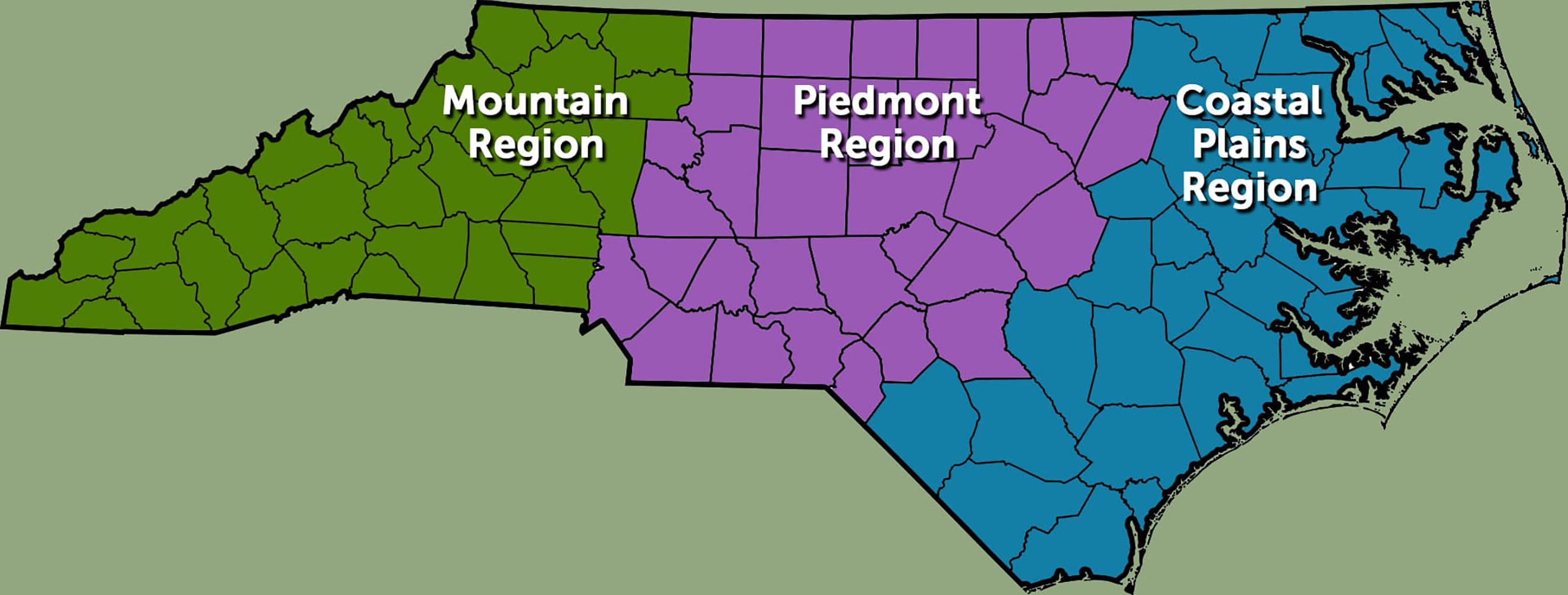
Hymenocallis: NC Region

Coastal
Mountains
Piedmont

Hymenocallis: Soil Texture

Clay
High Organic Matter
Loam (Silt)
Sand
Shallow Rocky

Hymenocallis Landscape

Hymenocallis: Landscape Theme

Asian Garden
Butterfly Garden
Children's Garden
Cottage Garden
Cutting Garden
Drought Tolerant Garden
Edible Garden
English Garden
Fairy Garden
Garden for the Blind
Native Garden
Nighttime Garden
Pollinator Garden
Rain Garden
Rock Garden
Shade Garden
Water Garden
Winter Garden

Hymenocallis: Resistance To Challenges

Black Walnut
Compaction
Deer
Diseases
Drought
Dry Soil
Erosion
Fire
Foot Traffic
Heat
Heavy Shade
Humidity
Insect Pests
Pollution
Poor Soil
Rabbits
Salt
Slugs
Squirrels
Storm damage
Urban Conditions
Voles
Wet Soil
Wind

Hymenocallis: Landscape Location

Coastal
Container
Hanging Baskets
Houseplants
Lawn
Meadow
Naturalized Area
Near Septic
Patio
Pond
Pool/Hardscape
Recreational Play Area
Riparian
Rock Wall
Slope/Bank
Small Space
Vertical Spaces
Walkways
Woodland

Hymenocallis: Attracts

Bats
Bees
Butterflies
Frogs
Hummingbirds
Moths
Pollinators
Predatory Insects
Reptiles
Small Mammals
Songbirds
Specialized Bees

Hymenocallis: Problems

Allelopathic
Contact Dermatitis
Frequent Disease Problems
Frequent Insect Problems
Invasive Species
Malodorous
Messy
Poisonous to Humans
Problem for Cats
Problem for Children
Problem for Dogs
Problem for Horses
Short-lived
Spines/Thorns
Weak Wood
Weedy