Ilex cornuta 'Dwarf Burford': Wildlife Value
Showy fruits are attractive to birds. Members of the genus Ilex support the following specialized bee: Colletes banksi.
Phonetic Spelling:EYE-leks kor-NU-ta DWAR-f BUR-for-d
Genus:Ilex
Species:cornuta
Family:Aquifoliaceae
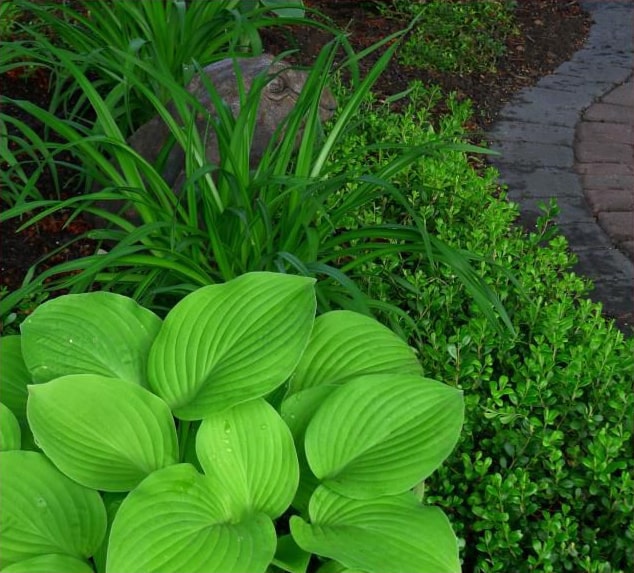
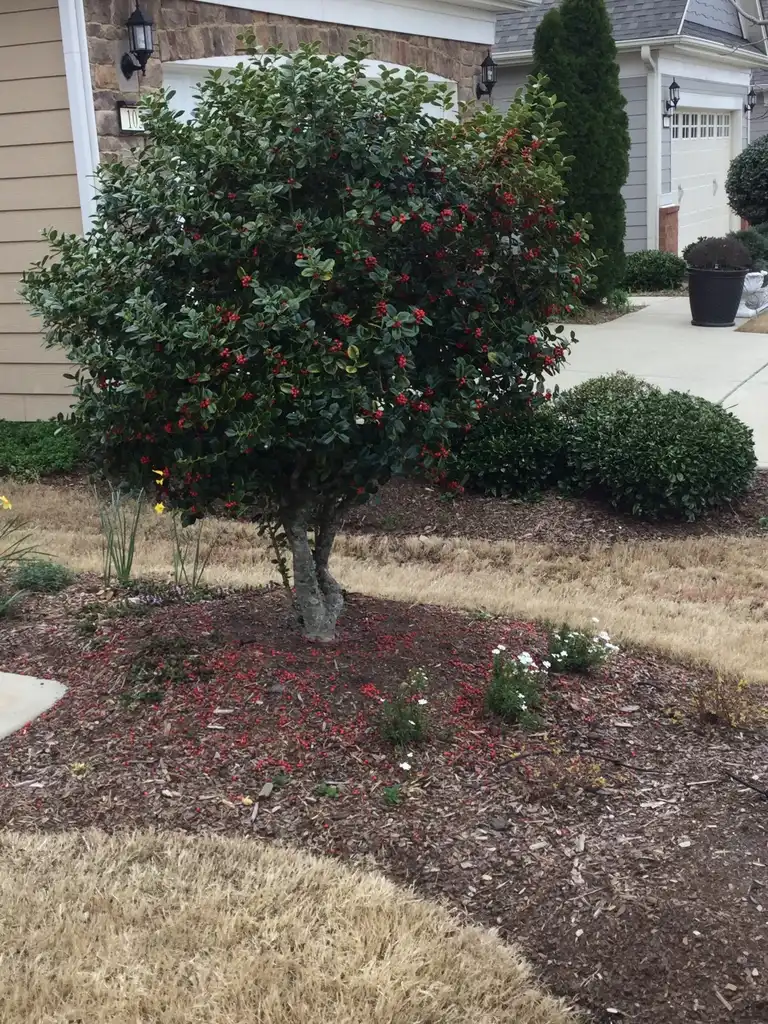
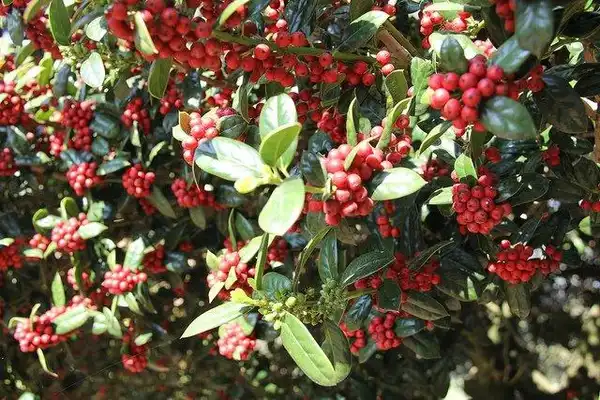
This compact broadleaf evergreen shrub belongs to the Aquifoliaceae family. It is a smaller and denser variant compared to 'Burfordii' and is often utilized as a specimen plant, grouped in small clusters, or shaped into hedges. Female 'Dwarf Burford' varieties are parthenocarpic, meaning they can produce fruit without the need for pollination. They exhibit rapid growth and are easy to transplant. The striking red berries and lush evergreen foliage remain vibrant throughout the winter, adding visual interest to the landscape during the colder months. This shrub is particularly well-suited for southern regions, as it can endure heat and some drought once established, reaching heights of up to 9 feet and 4 inches.
It is advisable to plant this shrub in a sheltered area, as it is vulnerable to frost and strong winds. It thrives in average, medium-moisture, well-drained soils and prefers full sun to partial shade. In hotter summer climates, it benefits from afternoon shade. When grown in full sun, the shrub tends to spread more horizontally than vertically.
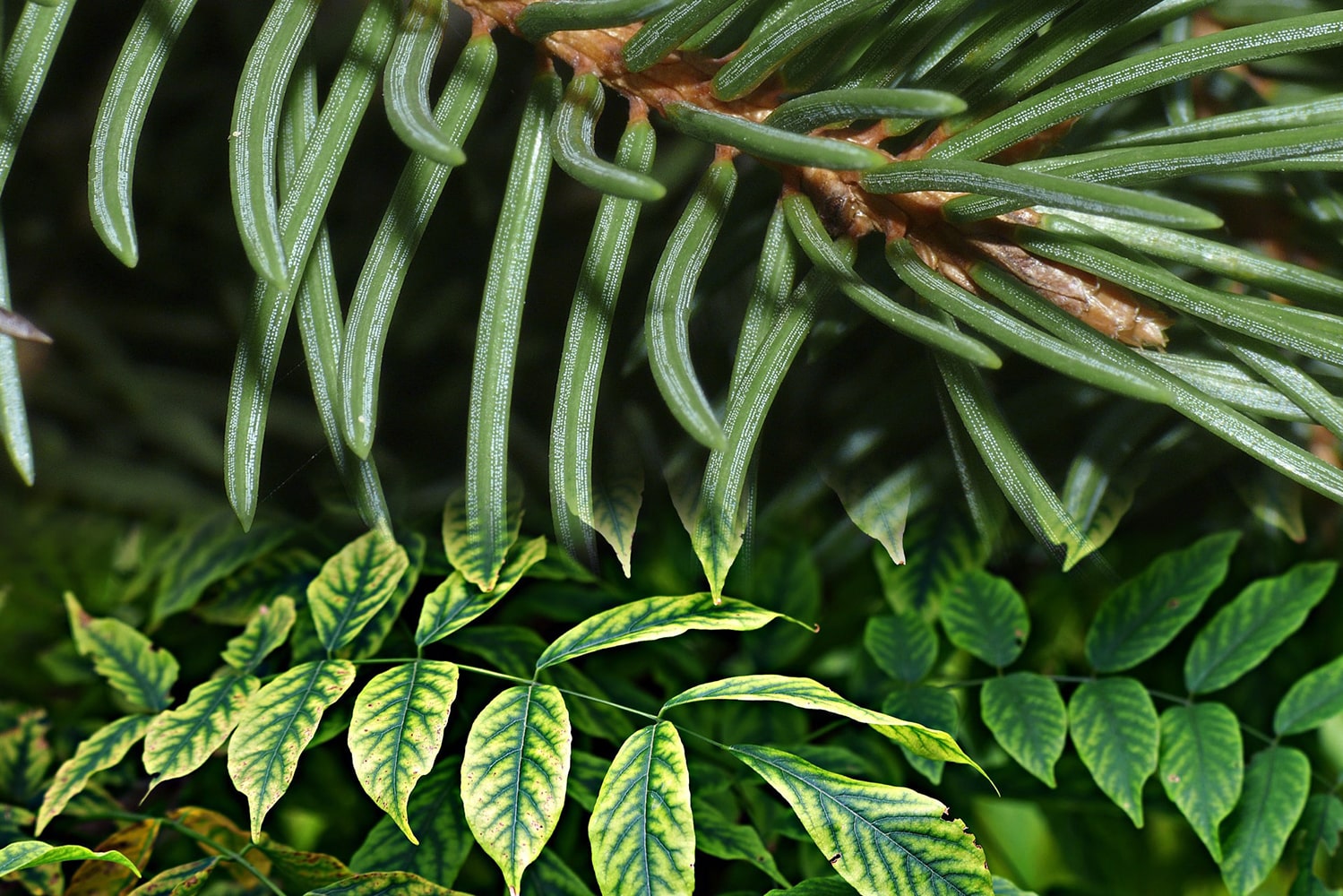
In terms of pests and diseases, this plant is generally resilient. However, it may encounter issues with insects such as holly leaf miners, spider mites, whiteflies, and scale. Potential diseases include leaf spot, leaf rot, tar spot, and powdery mildew. Additionally, it can experience leaf drop, leaf scorch, and chlorosis, particularly in high pH soils. Winter hardiness can also pose challenges, so selecting a protected planting site is recommended. Avoid areas with poorly drained soil.
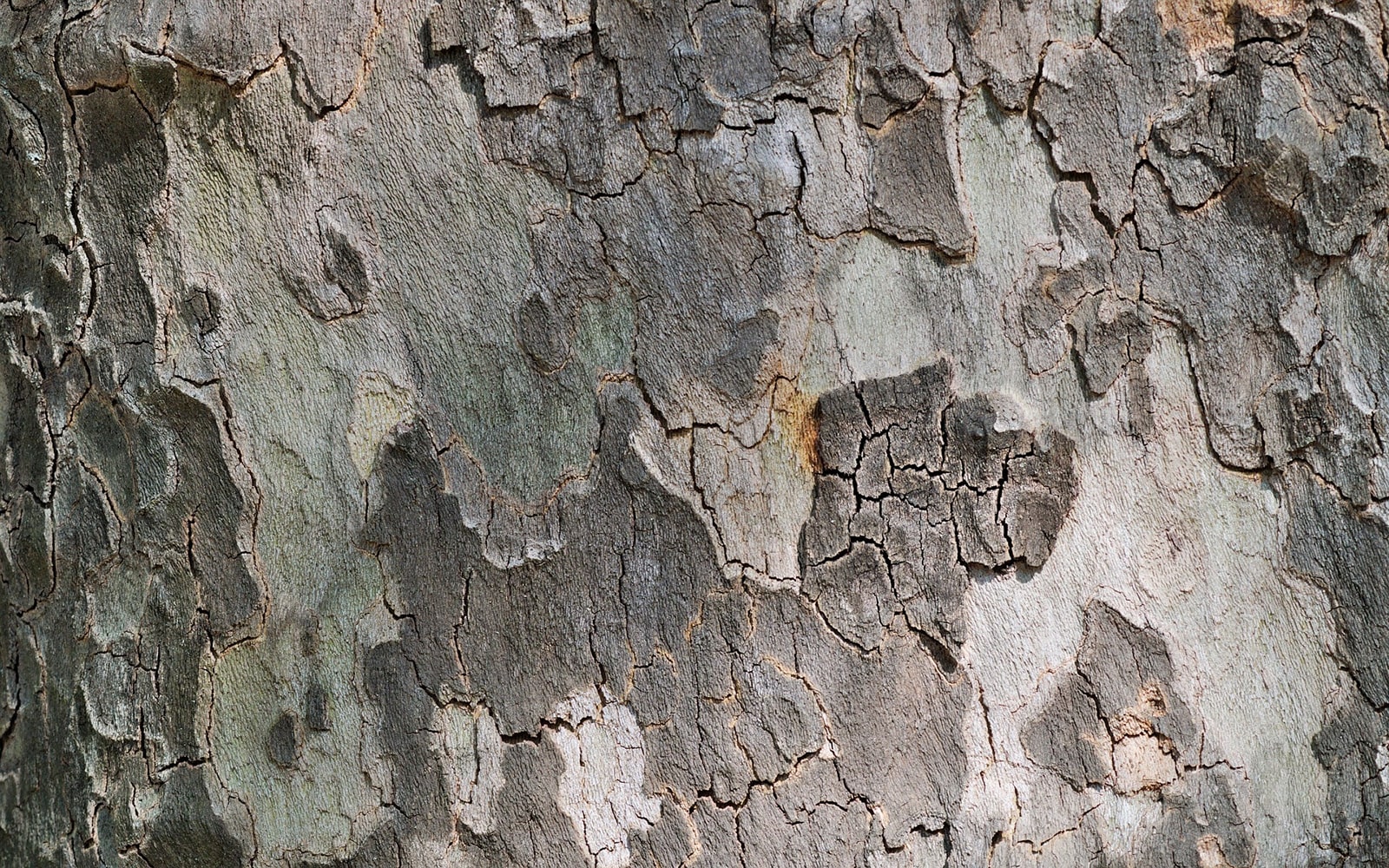
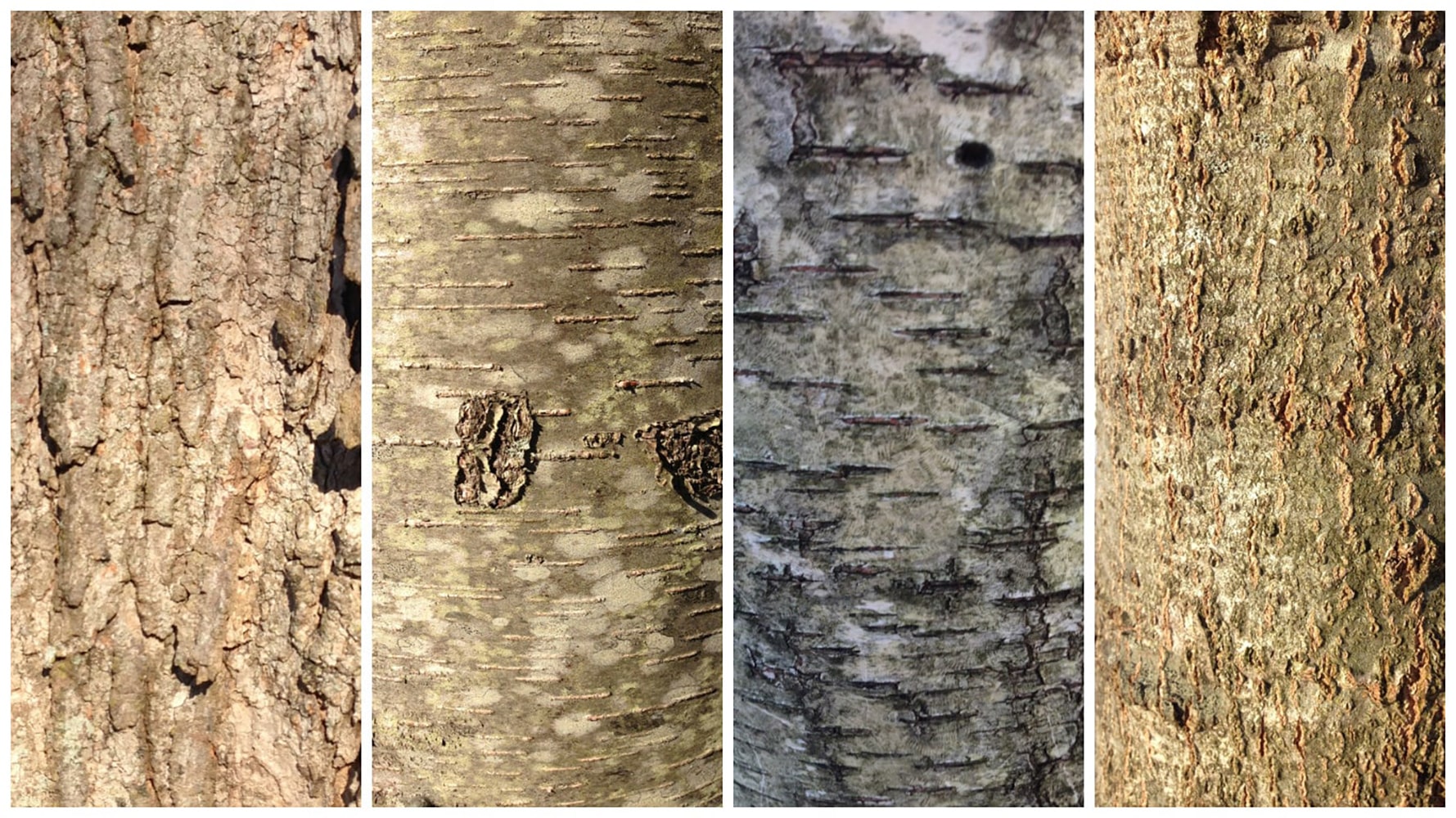
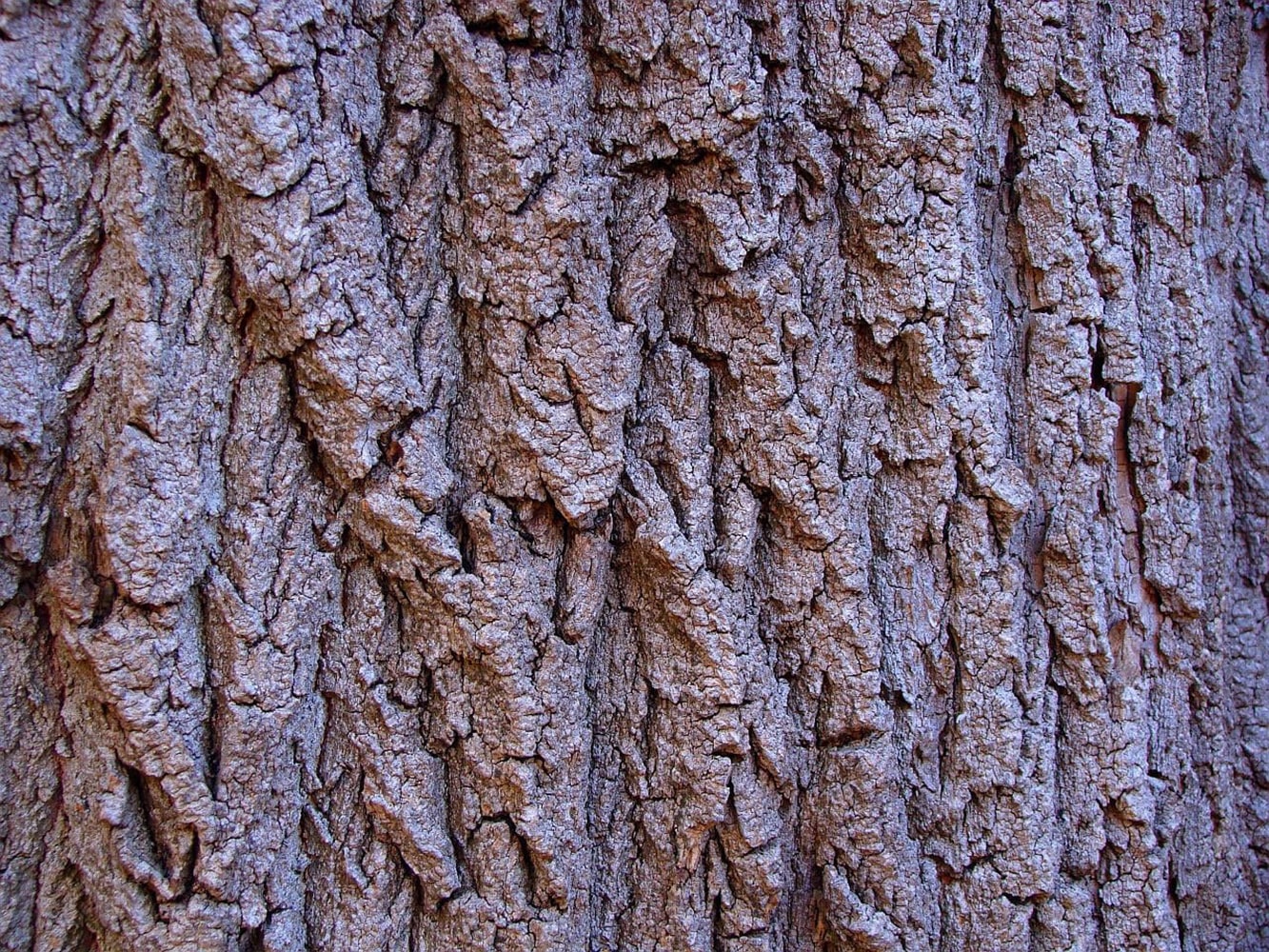
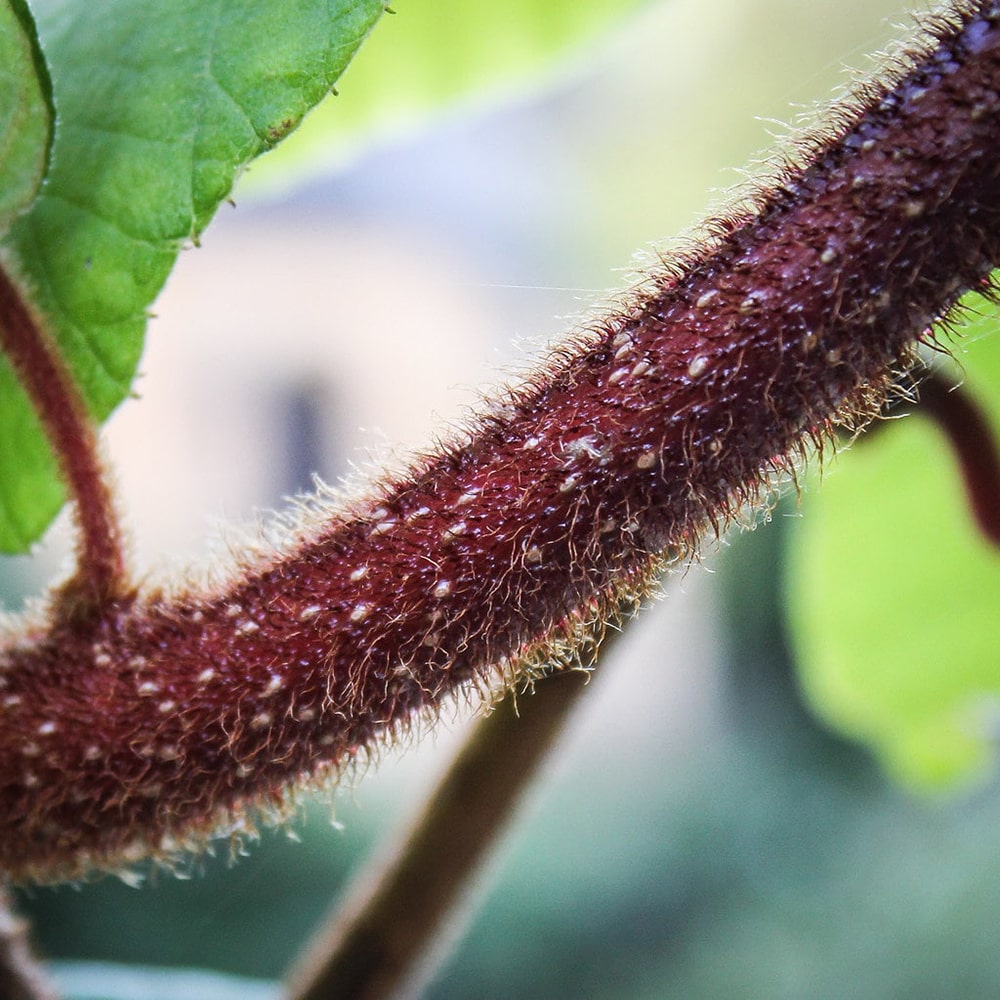
Quick Identification Tips:
For further details on Ilex cornuta, please refer to additional resources.
Ilex cornuta 'Dwarf Burford' Feature Summary
Ilex cornuta 'Dwarf Burford' Image Gallery