Iris ensata: Uses (Ethnobotany)
Water garden, borders, flower beds, cut flowers
Phonetic Spelling:EYE-riss EN-sah-tah
Genus:Iris
Species:ensata
Family:Iridaceae
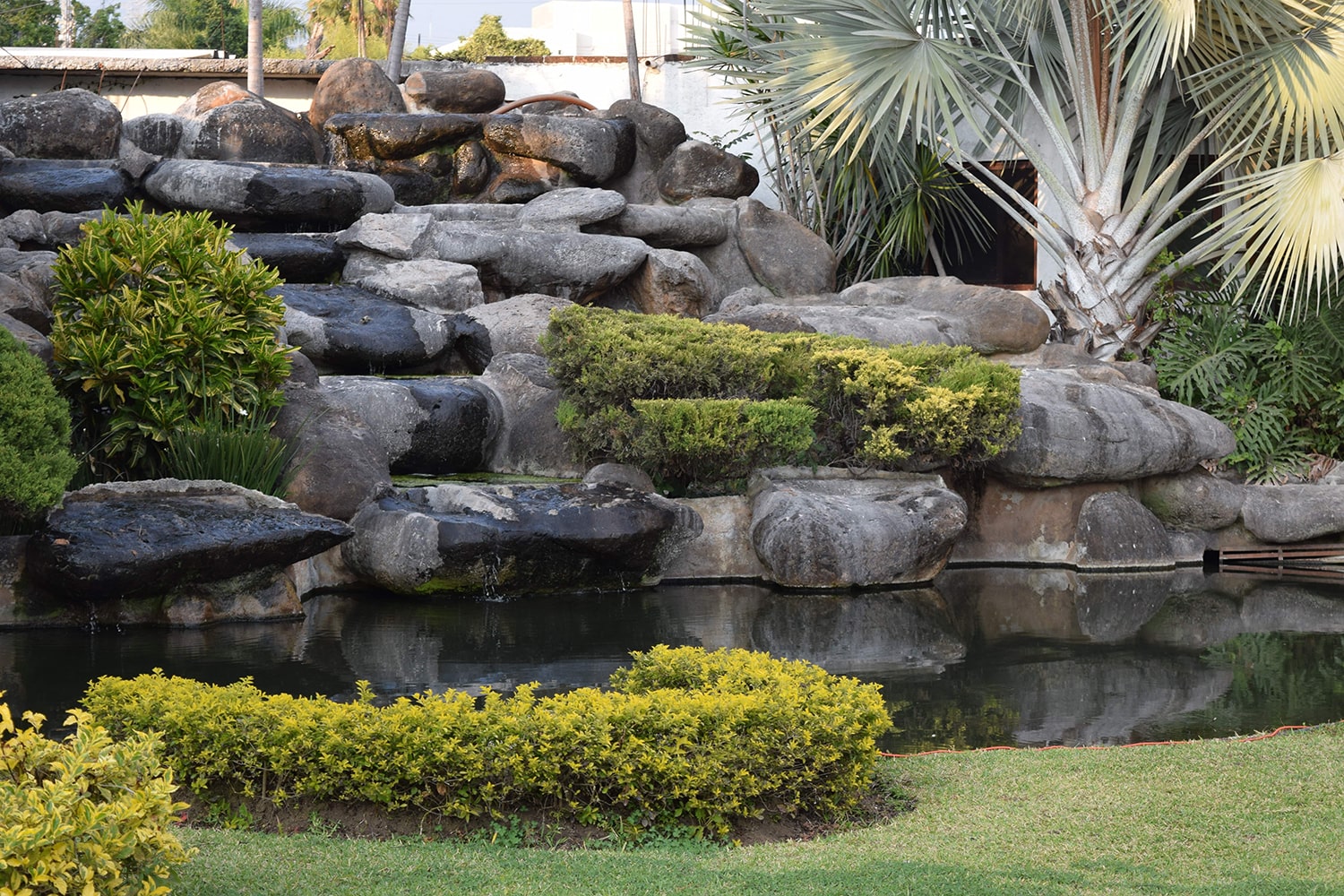
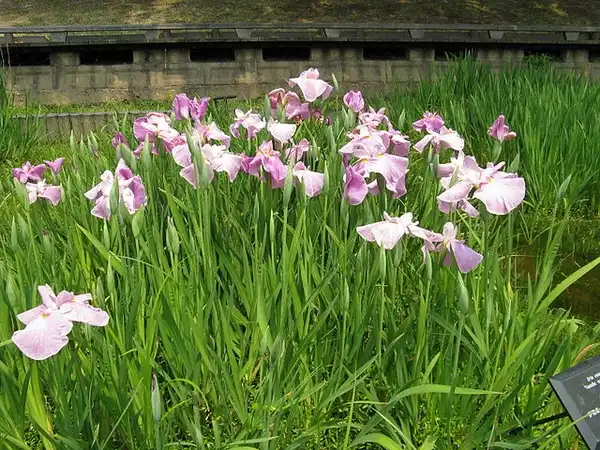
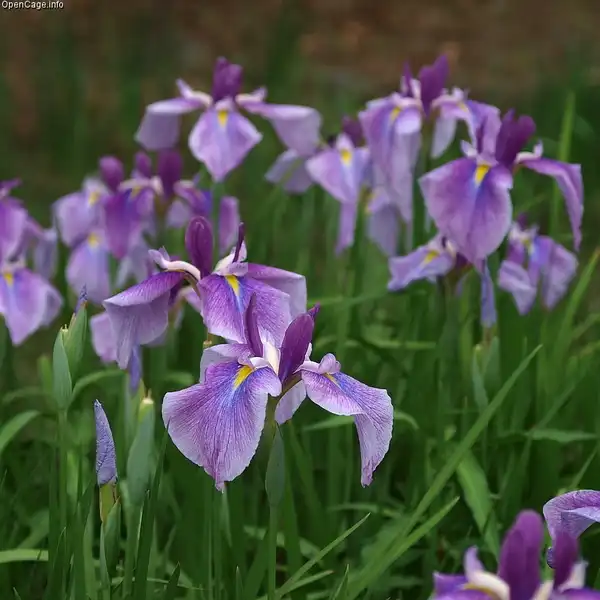
The Japanese Iris is a beardless perennial belonging to the Iridaceae family, thriving in regions from Siberia to Japan. These irises flourish in sunny locations but can also adapt to partial shade. Ideally, they should be planted at the edges of water bodies in moist, nutrient-rich, acidic soil, ensuring they receive plenty of water throughout the growing season. While they can tolerate standing water, it’s important to note that during winter, they do not fare well in saturated soil or standing water. For optimal growth, it is advisable to either remove the plants from the water garden in the fall or to plant the rhizomes in pots that are partially buried in damp soil, relocating them to drier conditions for the colder months. The blooms typically emerge in mid-summer, following those of bearded and Siberian irises. Each flower, measuring between 3 to 6 inches, features a flatter shape and a shortened standard, with one to several blooms on stems that can reach up to 4 feet in height. The cultivars may be single or double and come in a wide array of vibrant colors adorned with striking patterns. The rhizomes multiply, forming a denser clump, and should be divided approximately every three years after flowering. New rhizomes can be planted in either spring or fall, at a depth of about 1 to 2 inches. Japanese Irises not only enhance the garden's visual appeal but also serve as stunning cut flowers.
For additional details on Iris, please refer to further resources.