Plant Profile: Iris verna

Taxonomy: Iris verna

Names

Dwarf Iris, Dwarf Violet Iris

  • Photo of Iris verna (Iris vernas)

Phonetic Spelling:

Genus:Iris

Species:verna

Family:Iridaceae

Dwarf Iris is indigenous to the southeastern United States, with various species found throughout North Carolina. This plant thrives in open to semi-shaded woodlands characterized by nutrient-poor, acidic soils.

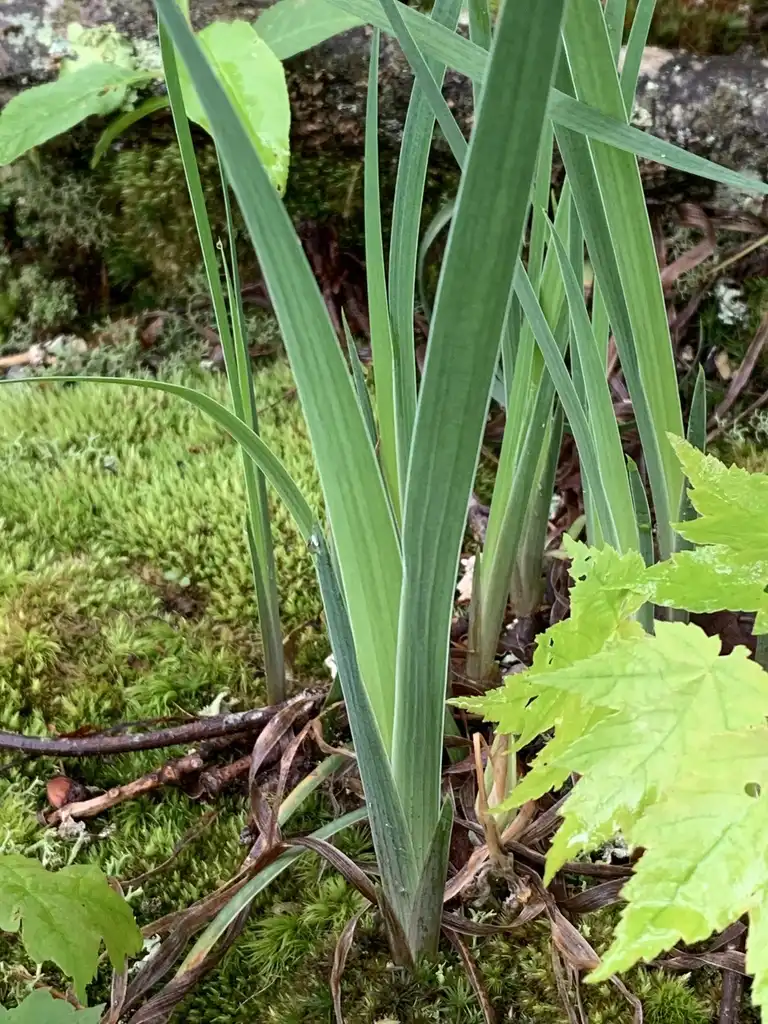
Its leaves are more slender and upright compared to those of Iris cristata, and it features rhizomes that are situated deep within the ground. Notably, the flowers do not possess the crested ridges seen on the sepals of some other iris species, and they emit a strong fragrance. Dwarf Iris can also adapt to sunnier and drier environments.

Incorporate this plant into the borders of a native garden, ensuring it receives some afternoon shade to protect it from intense sunlight.

Iris verna Feature Summary

Iris verna Image Gallery

Tags

#NC native
#native bulb
#problem for cats
#problem for dogs
#problem for horses
#audubon

Similar Plants

Iris verna is often confused with:

Iris verna Feature Summary

Attributes
Flowers
Fragrant flowers are light to deep blue or violet with a golden yellow signal. Rarely flowers are white.
White
Blue
Leaves
Sword-shaped leaves, about 6-10 inches long, fairly narrow with reddish/purple base
Green
Red/Burgundy
Purple/Lavender
Whole Plant Traits
Native Plant
Bulb
Cultural Conditions
Full sun (6 or more hours of direct sunlight a day)
Partial Shade (Direct sunlight only part of the day, 2-6 hours)
Acid (<6.0)
Good Drainage
Moist
Coastal
Mountains
Piedmont
Fruit
Landscape
Problem for Cats
Problem for Dogs
Problem for Horses

Iris verna Attributes

Iris verna: Country Or Region Of Origin

Southeastern U.S.A.
Iris verna: Life Cycle

Annual
Biennial
Bulb
Perennial
Woody

Iris verna: Recommended Propagation Strategy

Division
Grafting
Layering
Leaf Cutting
Root Cutting
Seed
Stem Cutting

Iris verna Flowers

Iris verna: Flower Description

Fragrant flowers are light to deep blue or violet with a golden yellow signal. Rarely flowers are white.

Iris verna: Flower Color

filter_vintage
Blue
filter_vintage
White

Iris verna: Flower Inflorescence

Catkin
Corymb
Cyme
Head
Insignificant
Panicle
Raceme
Solitary
Spadix
Spike
Umbel

Iris verna: Flower Value To Gardener

Edible
Fragrant
Good Cut
Good Dried
Long Bloom Season
Long-lasting
Showy

Iris verna Leaves

Iris verna: Leaf Description

Sword-shaped leaves, about 6-10 inches long, fairly narrow with reddish/purple base

Iris verna: Leaf Color

spa
Green
spa
Purple/Lavender
spa
Red/Burgundy

Iris verna: Hairs Present

No
Yes

Iris verna Whole Plant Traits

Iris verna: Plant Type

Annual
Bulb
Carnivorous
Edible
Epiphyte
Fern
Ground Cover
Herb
Herbaceous Perennial
Houseplant
Mushroom
Native Plant
Ornamental Grasses and Sedges
Perennial
Poisonous
Rose
Shrub
Succulent
Tree
Turfgrass
Vegetable
Vine
Water Plant
Weed
Wildflower

Iris verna Cultural Conditions

Iris verna: Light

Dappled Sunlight (Shade through upper canopy all day)
Deep shade (Less than 2 hours to no direct sunlight)
Full sun (6 or more hours of direct sunlight a day)
Partial Shade (Direct sunlight only part of the day, 2-6 hours)

Iris verna: Soil pH

Acid (<6.0)
Alkaline (>8.0)
Neutral (6.0-8.0)

Iris verna: Soil Drainage

Frequent Standing Water
Good Drainage
Moist
Occasional Flooding
Occasionally Dry
Occasionally Wet
Very Dry

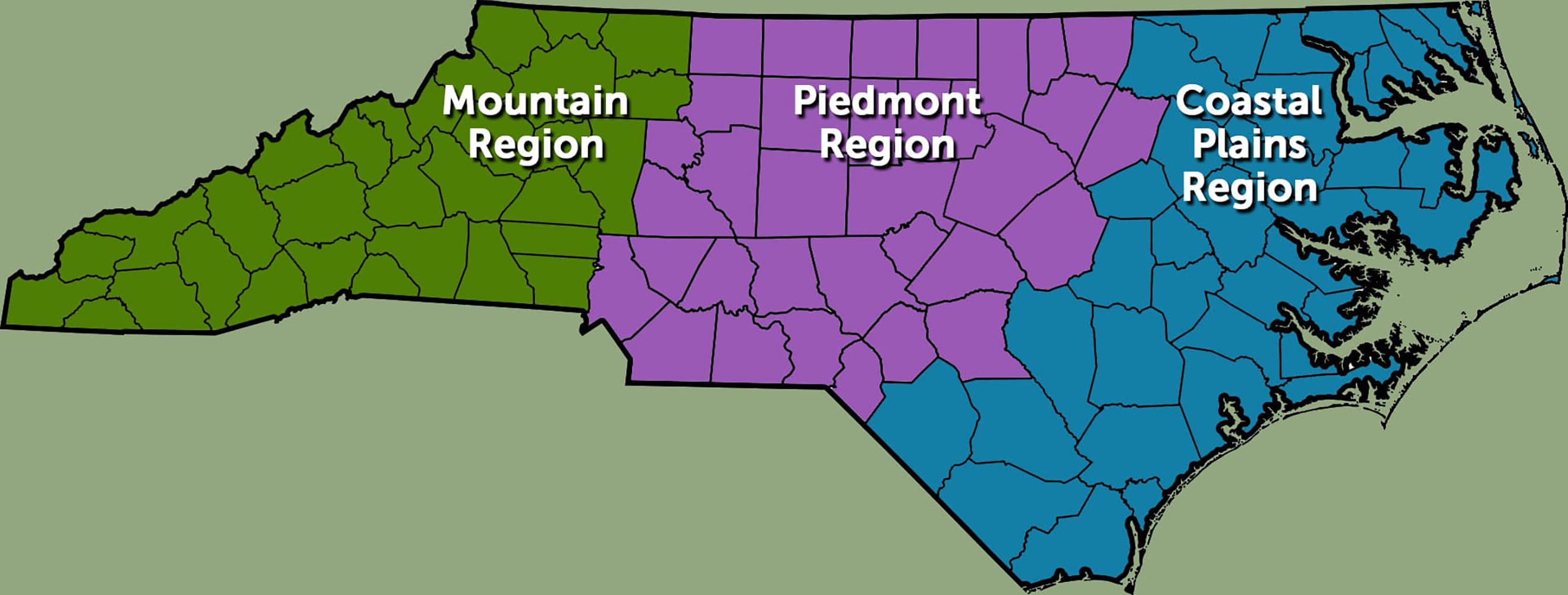
Iris verna: NC Region

Coastal
Mountains
Piedmont

Iris verna: USDA Plant Hardiness Zone

thermostat
6a
thermostat
6b
thermostat
7a
thermostat
8a
thermostat
8b

Iris verna Fruit

Iris verna: Fruit Type

Achene
Aggregate
Berry
Capsule
Caryopsis
Drupe
Follicle
Legume
Nut
Pome
Samara
Schizocarp
Siliqua

Iris verna Stem

Iris verna: Stem Is Aromatic

No
Yes

Iris verna Landscape

Iris verna: Problems

Allelopathic
Contact Dermatitis
Frequent Disease Problems
Frequent Insect Problems
Invasive Species
Malodorous
Messy
Poisonous to Humans
Problem for Cats
Problem for Children
Problem for Dogs
Problem for Horses
Short-lived
Spines/Thorns
Weak Wood
Weedy