Plant Profile: Laburnum anagyroides

Taxonomy: Laburnum anagyroides

Names

Common Laburnum, Golden Chain Tree, Golden Rain Tree

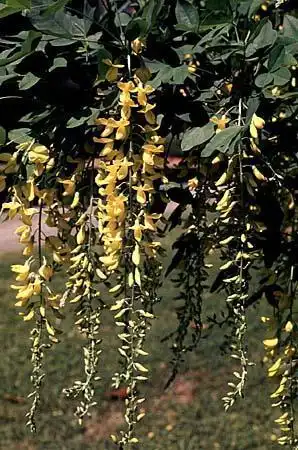
  • Photo of Laburnum anagyroides (Laburnum anagyroidess)

Phonetic Spelling:la-BURN-um an-ah-gy-ROY-deez

Genus:Laburnum

Species:anagyroides

Family:Fabaceae

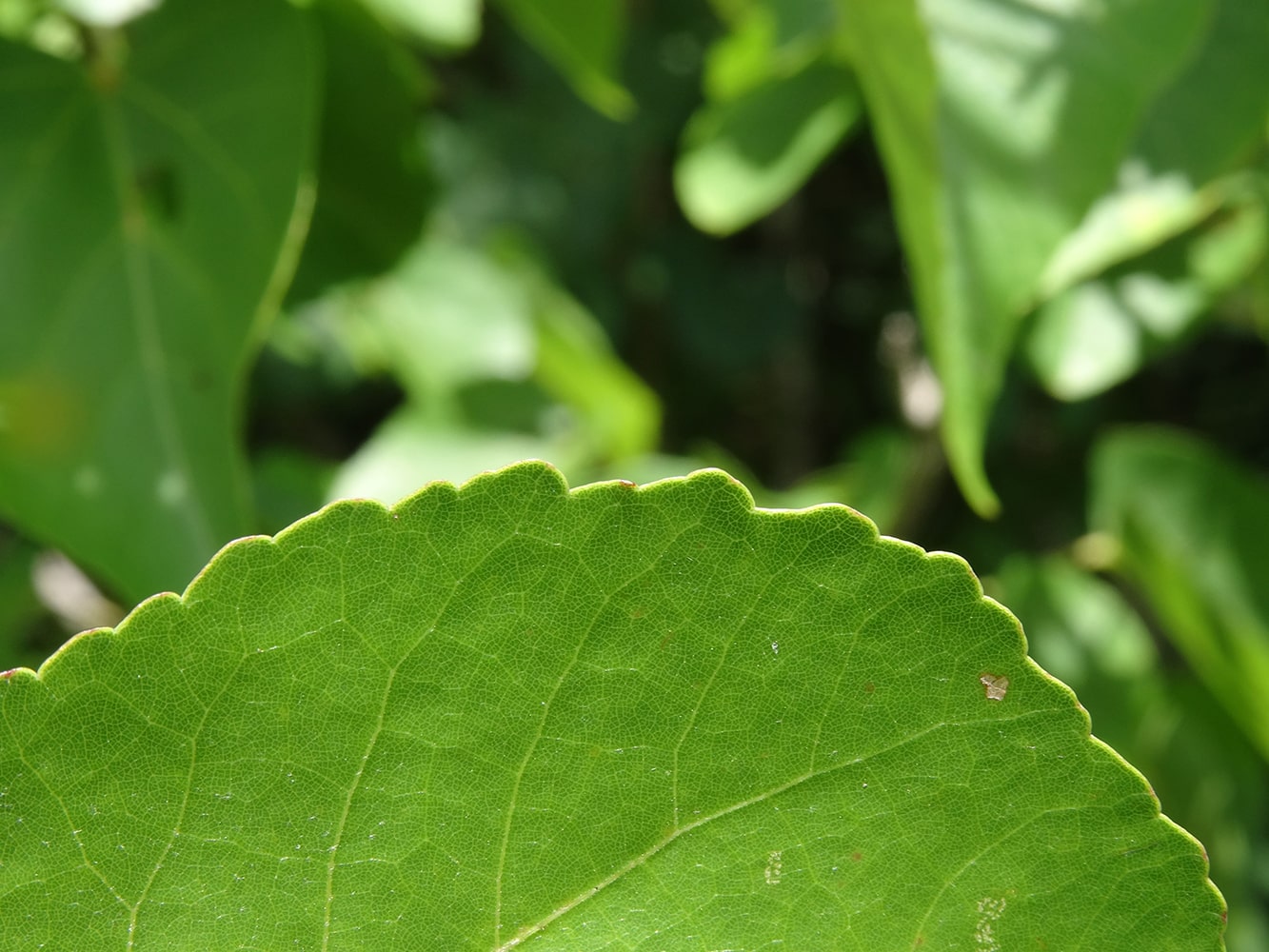
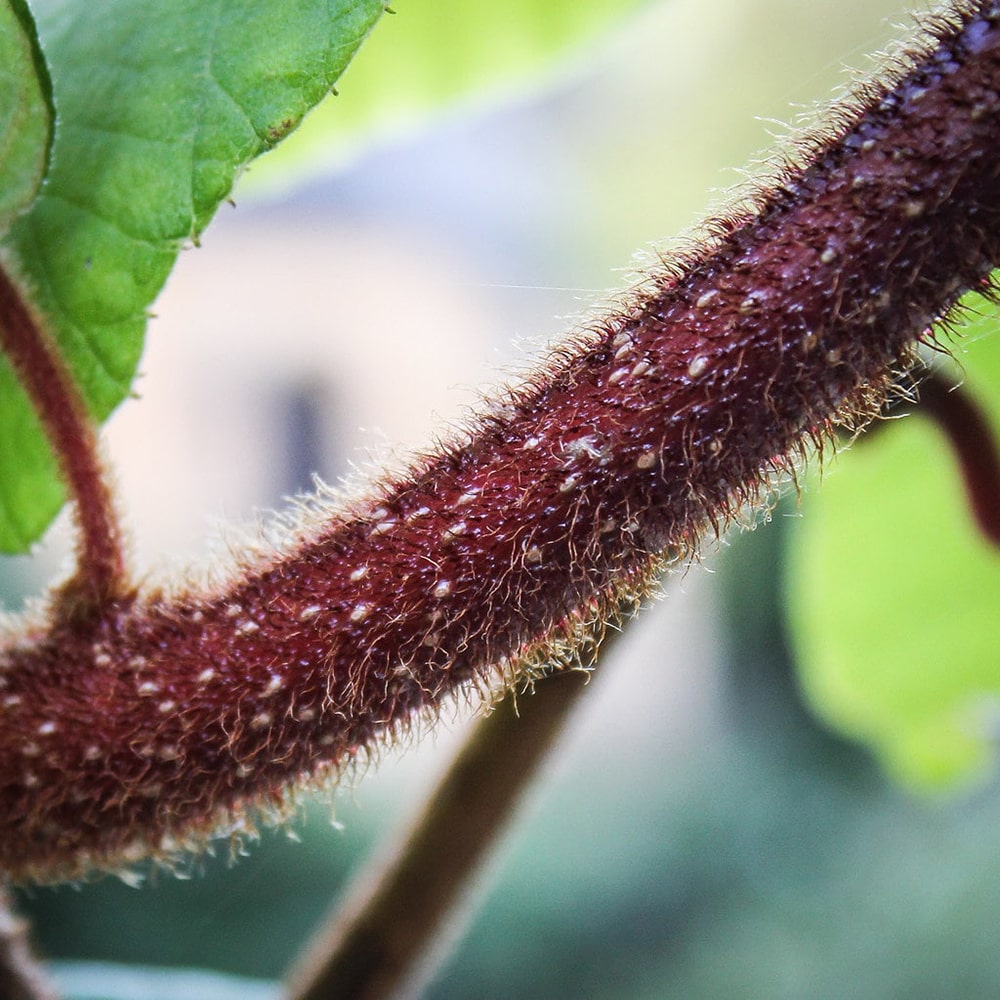
The plant is a small deciduous tree or a sizable shrub that can reach heights of up to 30 feet. It features smooth bark, dark green branches that spread out, and twigs that are both drooping and covered in fine hairs. The leaves are typically trifoliate and oval-shaped, with elongated petioles; they are smooth on the upper surface and hairy underneath. This species flowers in May and June.

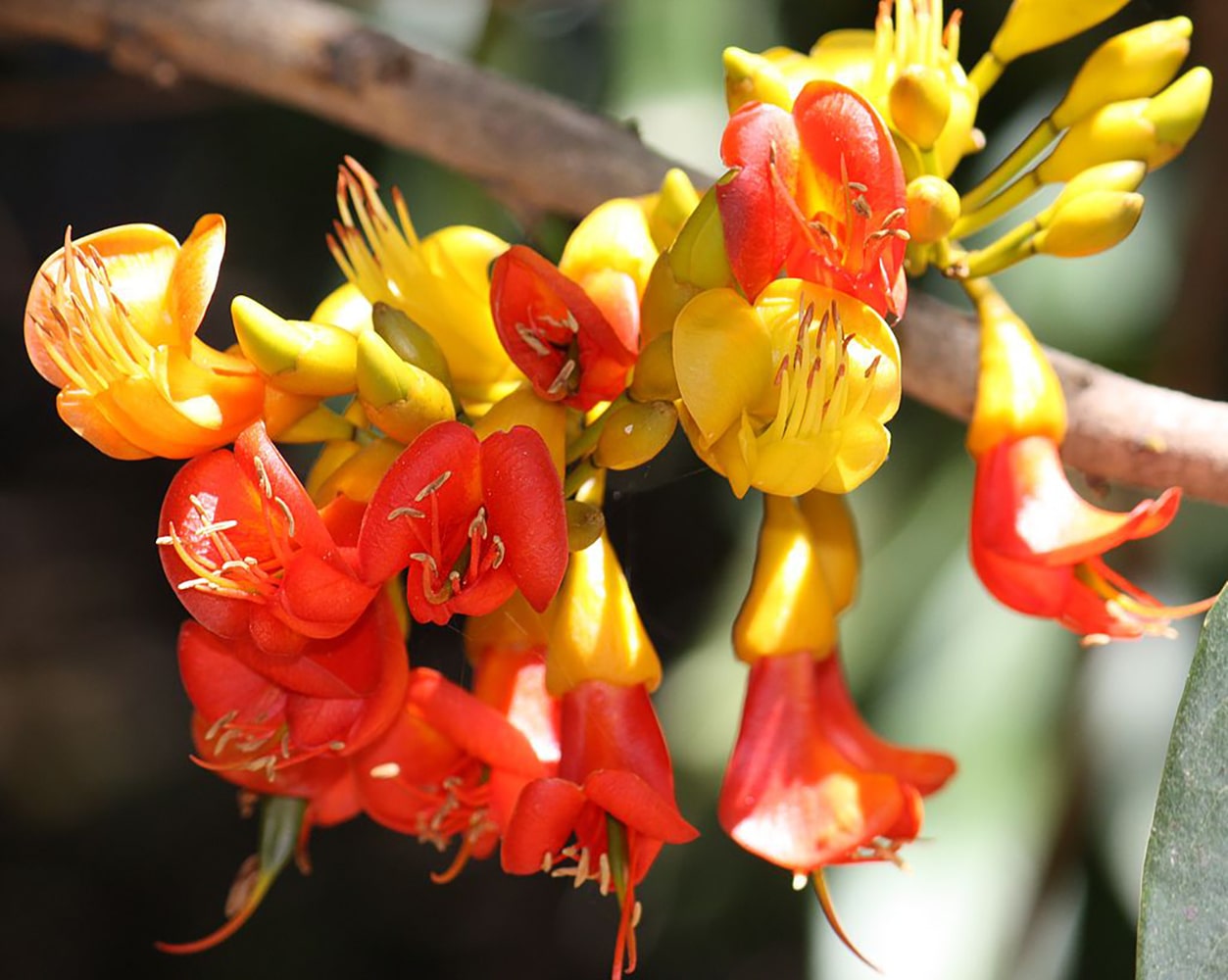
Laburnum anagyroides showcases its vibrant blooms in late spring, producing clusters of pea-like, golden yellow flowers that hang in dense racemes measuring between 4 to 10 inches in length. These fragrant flowers usually appear in May.

The plant produces legumes filled with numerous black seeds that contain cytisine, a highly toxic alkaloid dangerous to humans, goats, and horses, particularly when the seeds are unripe. In contrast, certain wild animals, such as hares and deer, can consume them without adverse effects, leading to the belief in the plant's magical properties in various cultures.

All parts of the plant are toxic due to the presence of cytisine and can be harmful if ingested. It has a relatively short lifespan and is not tolerant of heat. The leaves are alternately arranged, long-stalked, and consist of three leaflets; the flowers are golden and resemble peas, forming long, drooping clusters. The fruit is a long, flattened pod with sparse branching, and the plant tends to shed its lower branches over time.

Laburnum anagyroides Feature Summary

Laburnum anagyroides Image Gallery

Tags

#showy flowers
#deciduous
#yellow
#small tree
#poisonous
#yellow flowers
#weedy
#high maintenance
#messy
#large flowers
#golden

Similar Plants

Laburnum anagyroides Feature Summary

Attributes
Central & South East Europe
Fruit
Fruit a long, flattened pod, dry and splits open when ripe.
Flowers
Flowers pea-like, golden, in long drooping clusters 6-10 in. pendulous flower racemes
Gold/Yellow
4-5 petals/rays
fused petals
asymmetrical petals
> 6 inches
Leaves
leaves alternate, long-stalked with 3 leaflets 1.3-3 in. insignificant fall color
Compound (Pinnately , Bipinnately, Palmately)
Bark
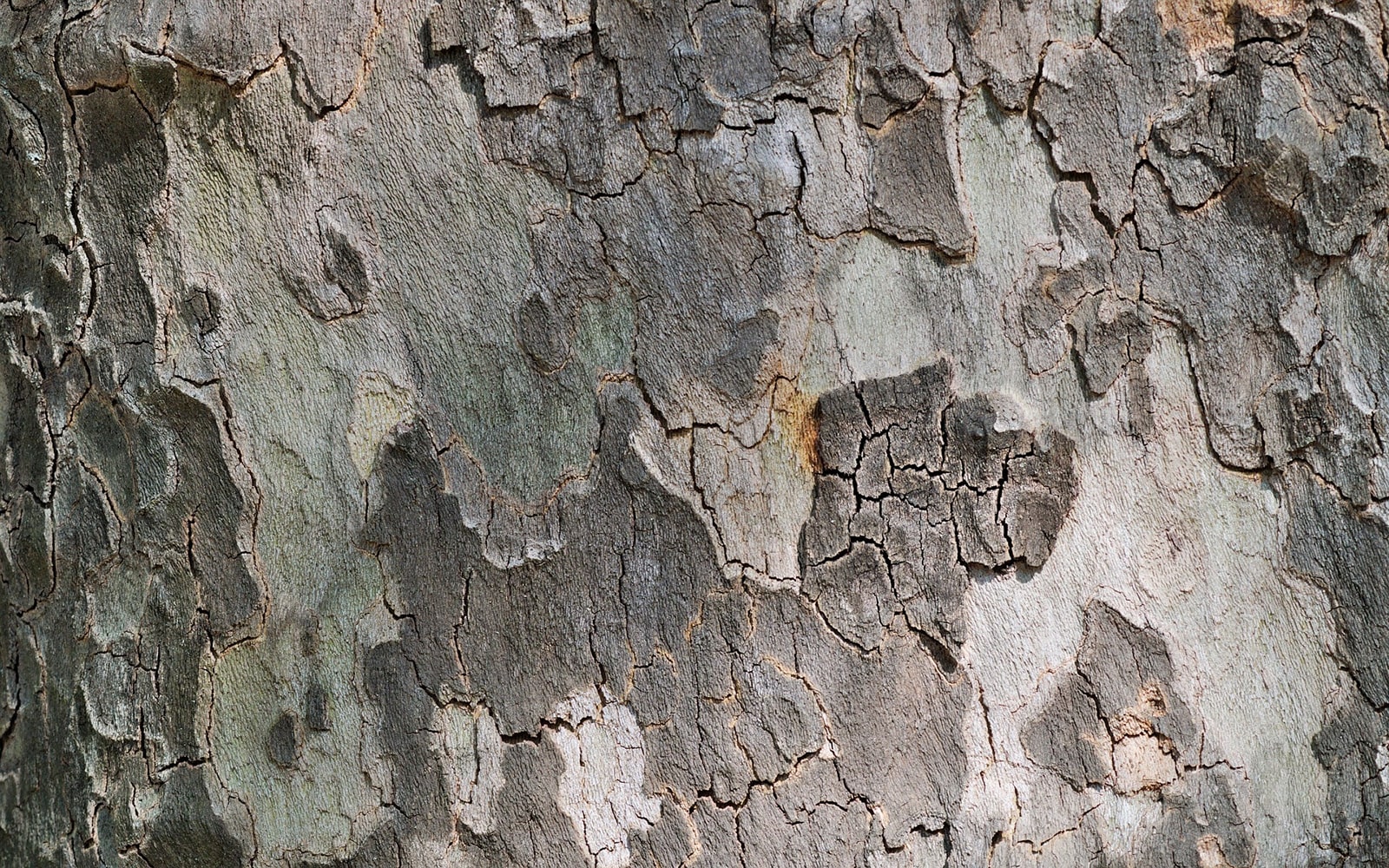
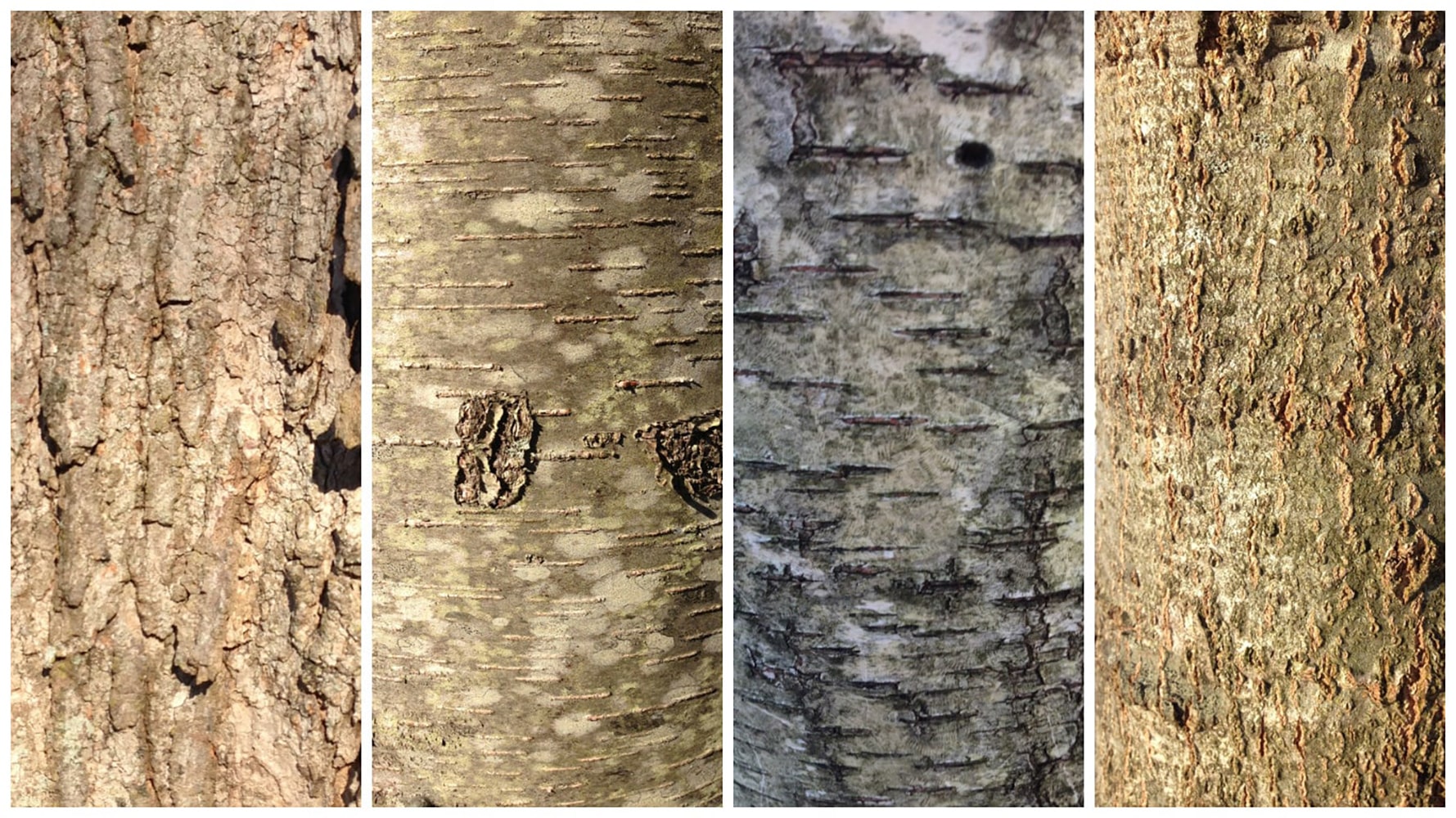
The bark of an adult plant is thin and smooth.
Light Brown
Poisonous to Humans
All parts of the tree are poisonous: roots, bark, wood, leaves, flower-buds, petals, and seedpods. The harmful part of the plant is the seedpods. In many cases of ingestion of a small number of seeds, there are no symptoms. Where symptoms do occur these are usually nausea and vomiting. Higher doses can produce intense sleepiness, convulsive possibly tetanic movements, coma, slight frothing at the mouth and unequally dilated pupils. Nervousness, stomach and intestinal irritation with nausea, vomiting, and diarrhea; irregular pulse, convulsions, coma. HIGHLY TOXIC MAY BE FATAL IF EATEN!
Cytisine, an alkaloid
Seeds
Leaves
Stems
Sap/Juice
Flowers
Bark
Fruits
Roots
Whole Plant Traits
Cultural Conditions
Full sun (6 or more hours of direct sunlight a day)
Partial Shade (Direct sunlight only part of the day, 2-6 hours)
24-60 feet
12-24 feet
Clay
Loam (Silt)
Sand
Landscape
Flowering Tree
Poisonous to Humans
Weedy
Messy
Short-lived

Laburnum anagyroides Attributes

Laburnum anagyroides: Country Or Region Of Origin

Central & South East Europe
Laburnum anagyroides: Life Cycle

Annual
Biennial
Bulb
Perennial
Woody

Laburnum anagyroides Fruit

Laburnum anagyroides: Fruit Description

Fruit a long, flattened pod, dry and splits open when ripe.
Laburnum anagyroides: Fruit Type

Achene
Aggregate
Berry
Capsule
Caryopsis
Drupe
Follicle
Legume
Nut
Pome
Samara
Schizocarp
Siliqua

Laburnum anagyroides Flowers

Laburnum anagyroides: Flower Description

Flowers pea-like, golden, in long drooping clusters 6-10 in. pendulous flower racemes

Laburnum anagyroides: Flower Color

filter_vintage
Gold/Yellow

Laburnum anagyroides: Flower Inflorescence

Catkin
Corymb
Cyme
Head
Insignificant
Panicle
Raceme
Solitary
Spadix
Spike
Umbel

Laburnum anagyroides: Flower Value To Gardener

Edible
Fragrant
Good Cut
Good Dried
Long Bloom Season
Long-lasting
Showy

Laburnum anagyroides: Flower Petals

2-3 rays/petals
4-5 petals/rays
6 petals/rays
7 - 20 petals/rays
asymmetrical petals
Bracts
Colored Sepals
fused petals
more than 20 petals/rays
Tepals

Laburnum anagyroides: Flower Size

1-3 inches
3-6 inches
< 1 inch
> 6 inches

Laburnum anagyroides Leaves

Laburnum anagyroides: Leaf Description

leaves alternate, long-stalked with 3 leaflets 1.3-3 in. insignificant fall color

Laburnum anagyroides: Woody Plant Leaf Characteristics

Broadleaf Evergreen
Deciduous
Needled Evergreen
Semi-evergreen

Laburnum anagyroides: Leaf Color

spa
Green

Laburnum anagyroides: Leaf Type

Compound (Pinnately , Bipinnately, Palmately)
Fronds
Needles
Sheath
Simple

Laburnum anagyroides: Leaf Arrangement

Alternate
Opposite
Other/more complex
Rosulate
Whorled

Laburnum anagyroides: Leaf Margin

Crenate
Crenulate
Dentate
Denticulate
Doubly Crenate
Doubly Dentate
Doubly Serrate
Entire
Lobed
Serrate
Sinuate
Undulate

Laburnum anagyroides: Hairs Present

No
Yes

Laburnum anagyroides Bark

Laburnum anagyroides: Bark Description

The bark of an adult plant is thin and smooth.

Laburnum anagyroides: Bark Color

grass
Light Brown

Laburnum anagyroides Poisonous to Humans

Laburnum anagyroides: Poison Symptoms

All parts of the tree are poisonous: roots, bark, wood, leaves, flower-buds, petals, and seedpods. The harmful part of the plant is the seedpods. In many cases of ingestion of a small number of seeds, there are no symptoms. Where symptoms do occur these are usually nausea and vomiting. Higher doses can produce intense sleepiness, convulsive possibly tetanic movements, coma, slight frothing at the mouth and unequally dilated pupils. Nervousness, stomach and intestinal irritation with nausea, vomiting, and diarrhea; irregular pulse, convulsions, coma. HIGHLY TOXIC MAY BE FATAL IF EATEN!

Laburnum anagyroides: Poison Toxic Principle

Cytisine, an alkaloid

Laburnum anagyroides: Poison Severity

High
Low
Medium

Laburnum anagyroides: Causes Contact Dermatitis

No
Yes

Laburnum anagyroides: Poison Part

Bark
Flowers
Fruits
Leaves
Roots
Sap/Juice
Seeds
Stems

Laburnum anagyroides Whole Plant Traits

Laburnum anagyroides: Plant Type

Annual
Bulb
Carnivorous
Edible
Epiphyte
Fern
Ground Cover
Herb
Herbaceous Perennial
Houseplant
Mushroom
Native Plant
Ornamental Grasses and Sedges
Perennial
Poisonous
Rose
Shrub
Succulent
Tree
Turfgrass
Vegetable
Vine
Water Plant
Weed
Wildflower

Laburnum anagyroides: Woody Plant Leaf Characteristics

Broadleaf Evergreen
Deciduous
Needled Evergreen
Semi-evergreen

Laburnum anagyroides: Habit/Form

Arching
Ascending
Broad
Cascading
Climbing
Clumping
Columnar
Conical
Creeping
Dense
Erect
Horizontal
Irregular
Mounding
Multi-stemmed
Multi-trunked
Open
Oval
Prostrate
Pyramidal
Rounded
Spreading
Vase
Weeping

Laburnum anagyroides: Growth Rate

Slow
Medium
Rapid

Laburnum anagyroides: Maintenance

Low
Medium
High

Laburnum anagyroides: Texture

Fine
Medium
Coarse

Laburnum anagyroides Cultural Conditions

Laburnum anagyroides: Light

Dappled Sunlight (Shade through upper canopy all day)
Deep shade (Less than 2 hours to no direct sunlight)
Full sun (6 or more hours of direct sunlight a day)
Partial Shade (Direct sunlight only part of the day, 2-6 hours)

Laburnum anagyroides: Available Space To Plant

12 inches-3 feet
12-24 feet
24-60 feet
3 feet-6 feet
6-feet-12 feet
Less than 12 inches
more than 60 feet

Laburnum anagyroides: USDA Plant Hardiness Zone

thermostat
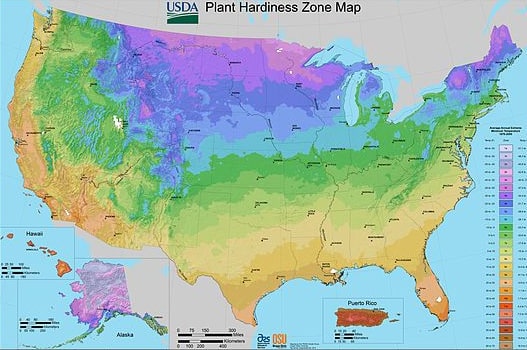
5a
thermostat
5b
thermostat
6a
thermostat
6b
thermostat
7a
thermostat
7b

Laburnum anagyroides: Soil Texture

Clay
High Organic Matter
Loam (Silt)
Sand
Shallow Rocky

Laburnum anagyroides Stem

Laburnum anagyroides: Stem Color

grass
Green

Laburnum anagyroides: Stem Is Aromatic

No
Yes

Laburnum anagyroides Landscape

Laburnum anagyroides: Design Feature

Accent
Barrier
Border
Flowering Tree
Foundation Planting
Hedge
Mass Planting
Screen/Privacy
Security
Shade Tree
Small groups
Small Tree
Specimen
Street Tree
Understory Tree

Laburnum anagyroides: Problems

Allelopathic
Contact Dermatitis
Frequent Disease Problems
Frequent Insect Problems
Invasive Species
Malodorous
Messy
Poisonous to Humans
Problem for Cats
Problem for Children
Problem for Dogs
Problem for Horses
Short-lived
Spines/Thorns
Weak Wood
Weedy