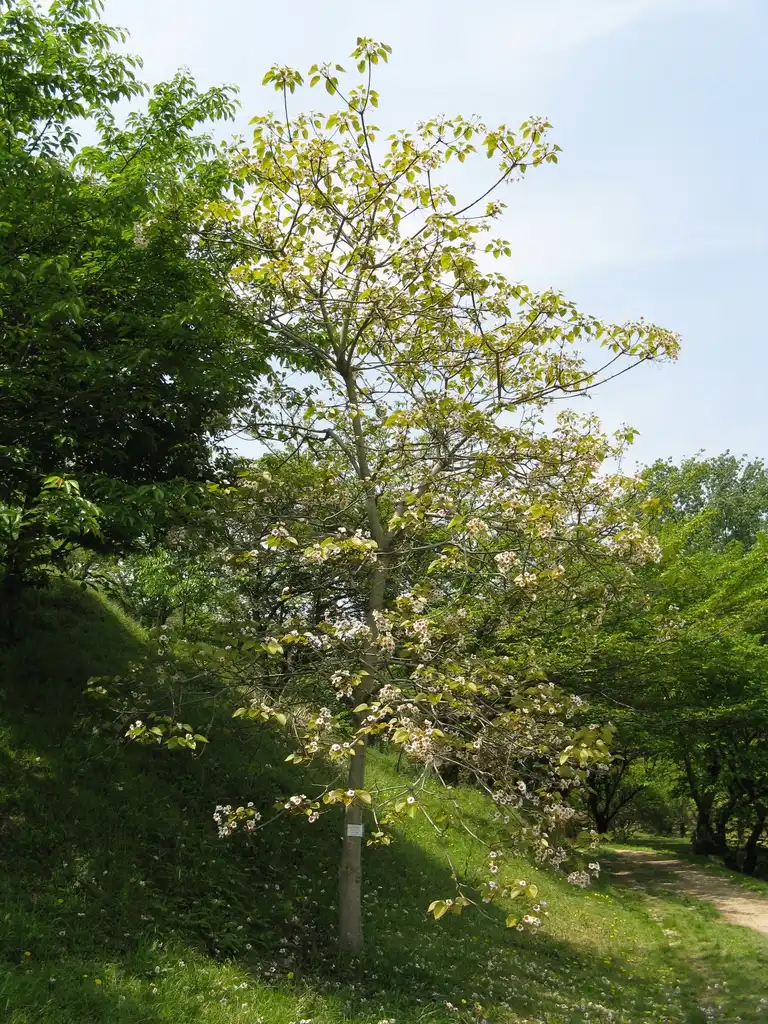
Vernicia fordii: Country Or Region Of Origin
China and Vietnam
Phonetic Spelling:al-eh-yoo-REE-teez FOR-dee-eye
Genus:Vernicia fordii
Species:fordii
Family:Euphorbiaceae
The seeds of Vernicia fordii are abundant in unsaturated oils, which are harvested for various applications, including the manufacture of lacquers, varnishes, linoleum, oilcloth, resins, paints, greases, brake linings, polishing compounds, and synthetic leather. In the early 1900s, the importation of these oils surged to millions of gallons annually. The high demand for these oils prompted Gulf Coast farmers to introduce this tree to the United States as a lucrative cash crop.
By the 1920s, over 10,000 acres of tung oil trees were cultivated along the Gulf Coast, spanning Florida, Georgia, Alabama, Mississippi, Louisiana, and Texas. However, with the advent of synthetic resins in the 1940s, the production of tung oil began to decline, rendering it no longer a profitable crop. Despite this, the trees persisted and adapted to disturbed environments, thriving due to their ability to produce suckers. In certain areas, they are now regarded as an invasive and troublesome weed.
Managing the growth and spread of Vernicia fordii has proven difficult. Because the tree can propagate through suckers, it is essential to completely remove any tree to prevent regrowth. After cutting down the tree, the stump should be treated with chemicals immediately to inhibit further growth.
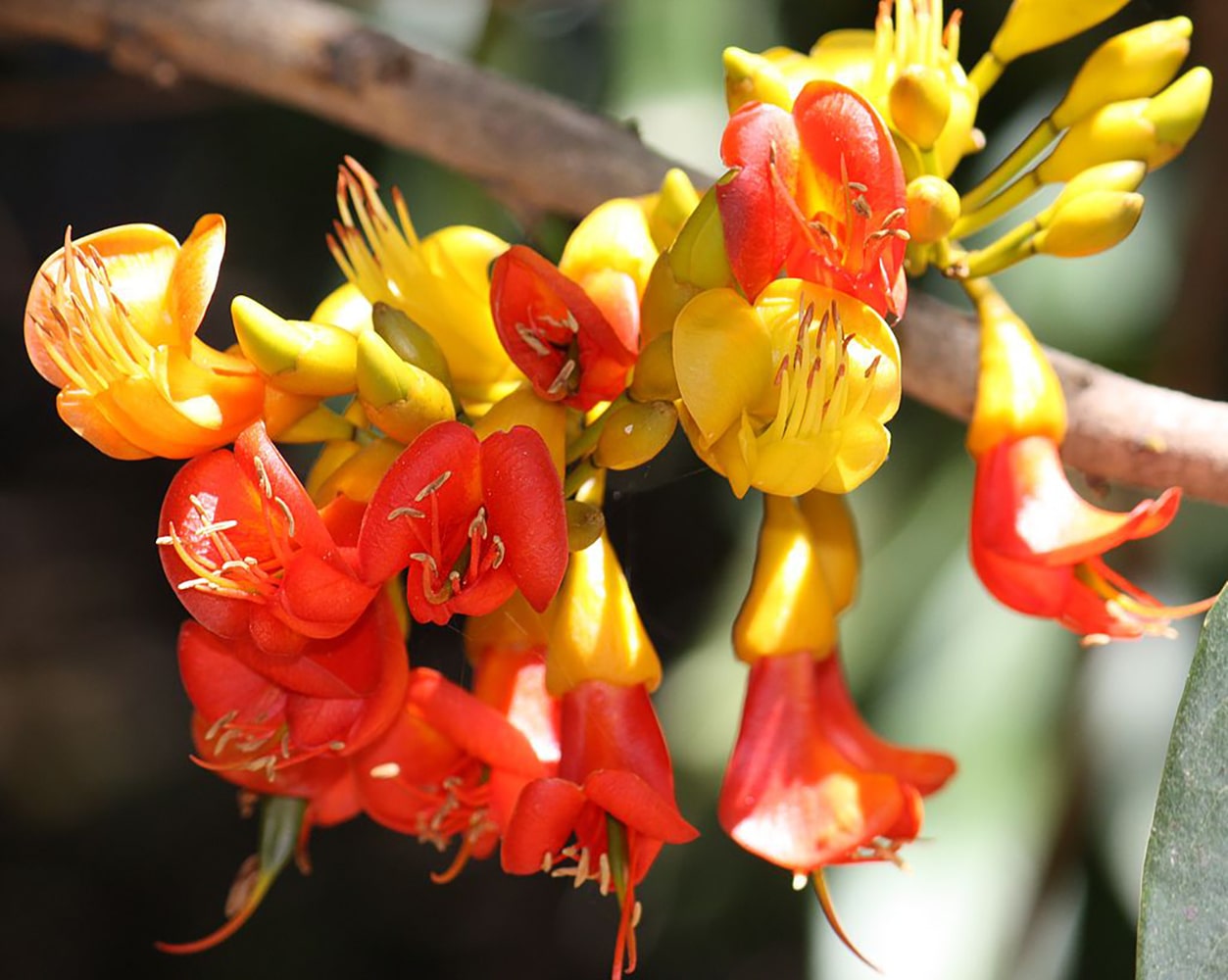
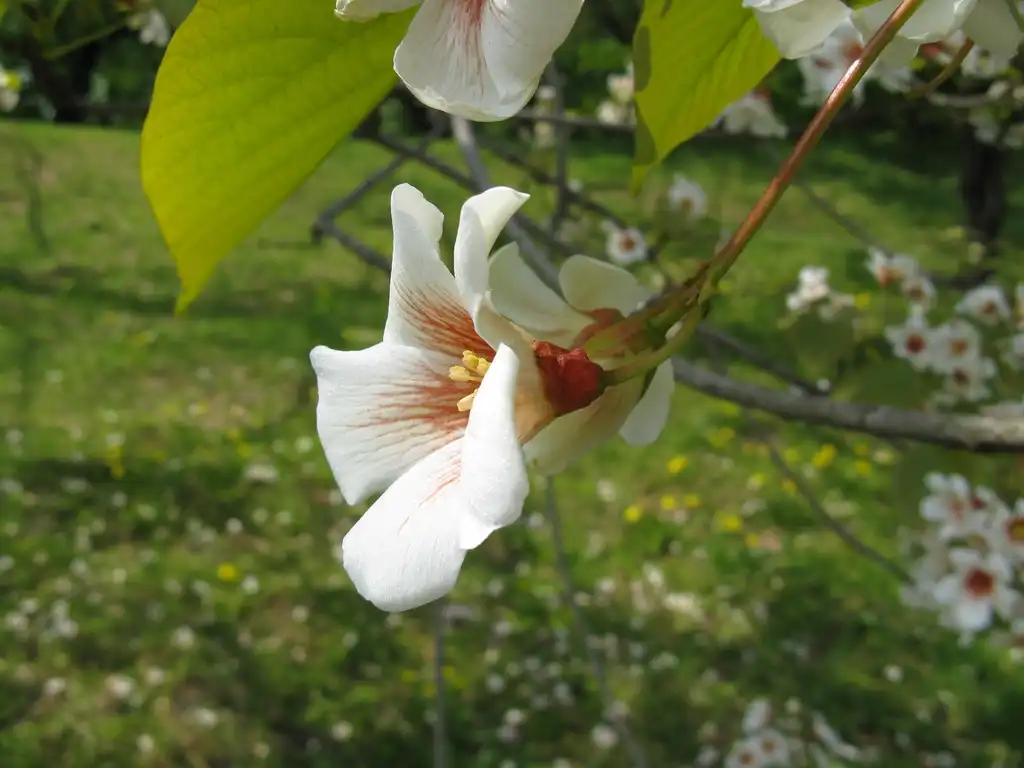
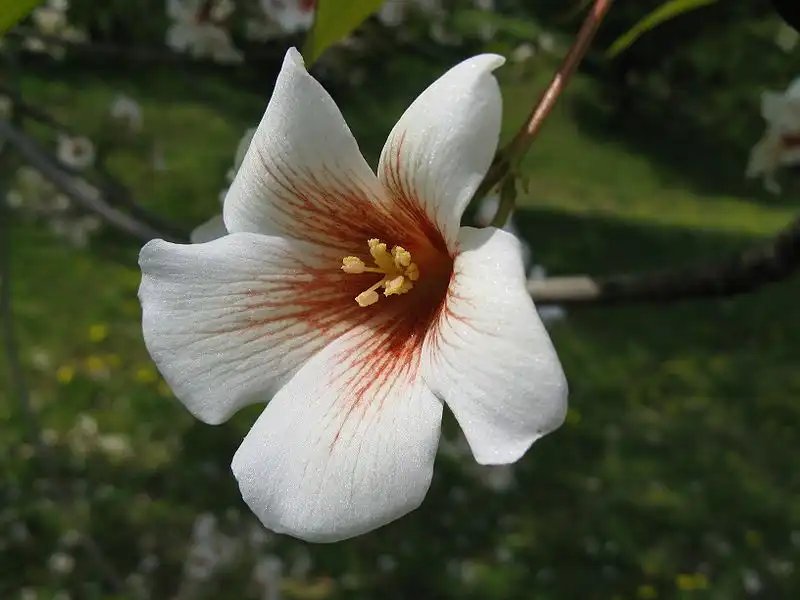
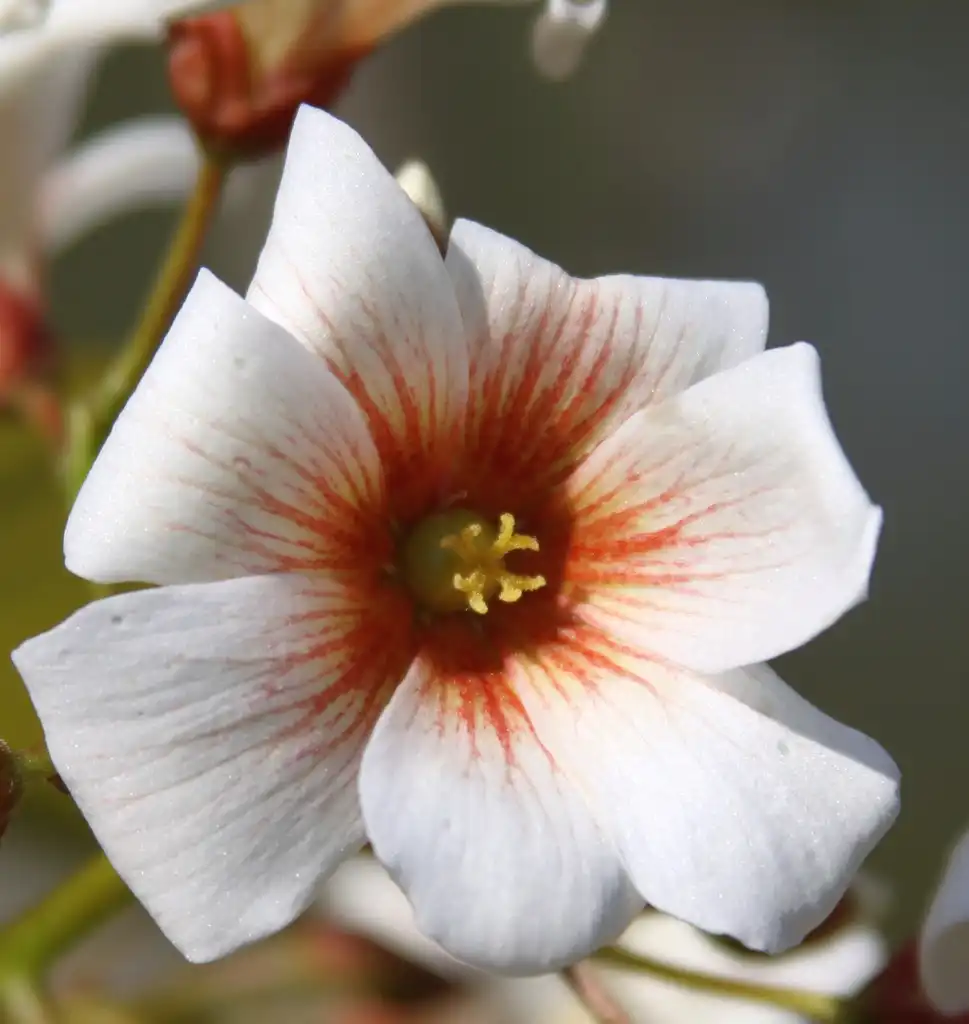
In its native environment, this tree typically grows along roadways, forest edges, and in urban green spaces. Its flowers bear a resemblance to those of Hibiscus syriacus.
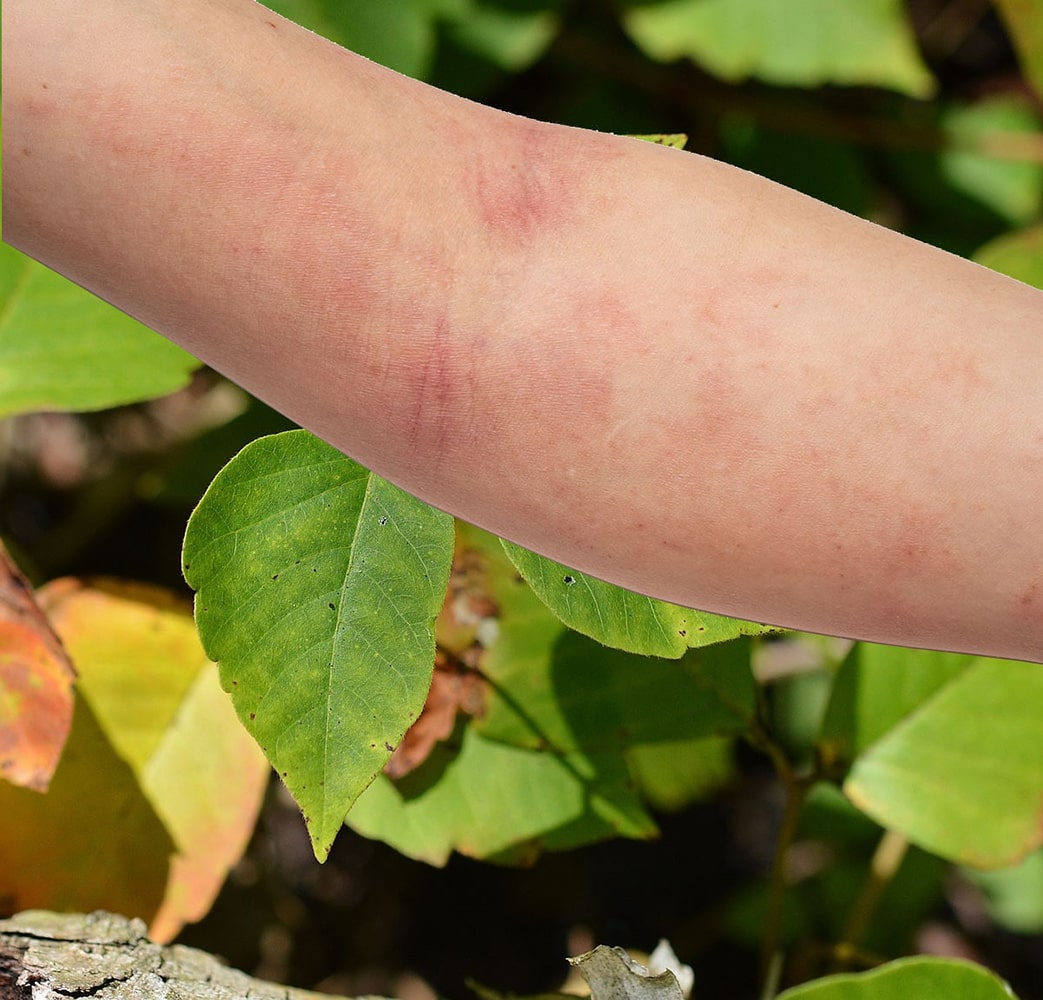
In terms of pests and diseases, Vernicia fordii is vulnerable to dieback and canker. All parts of the tree are toxic, and ingestion can be fatal. Additionally, its leaves may cause skin rashes similar to those caused by poison ivy. Due to its ability to spread through suckers, it has the potential to become invasive.
Vernicia fordii Feature Summary