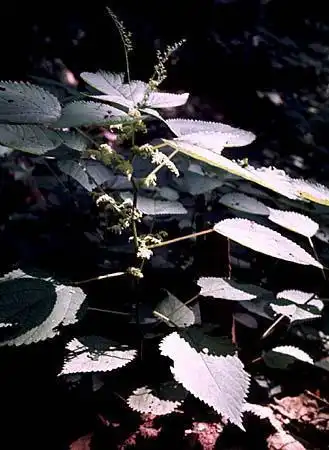
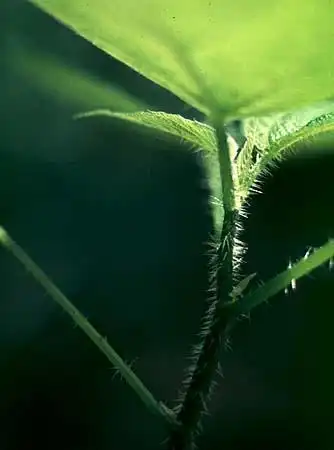
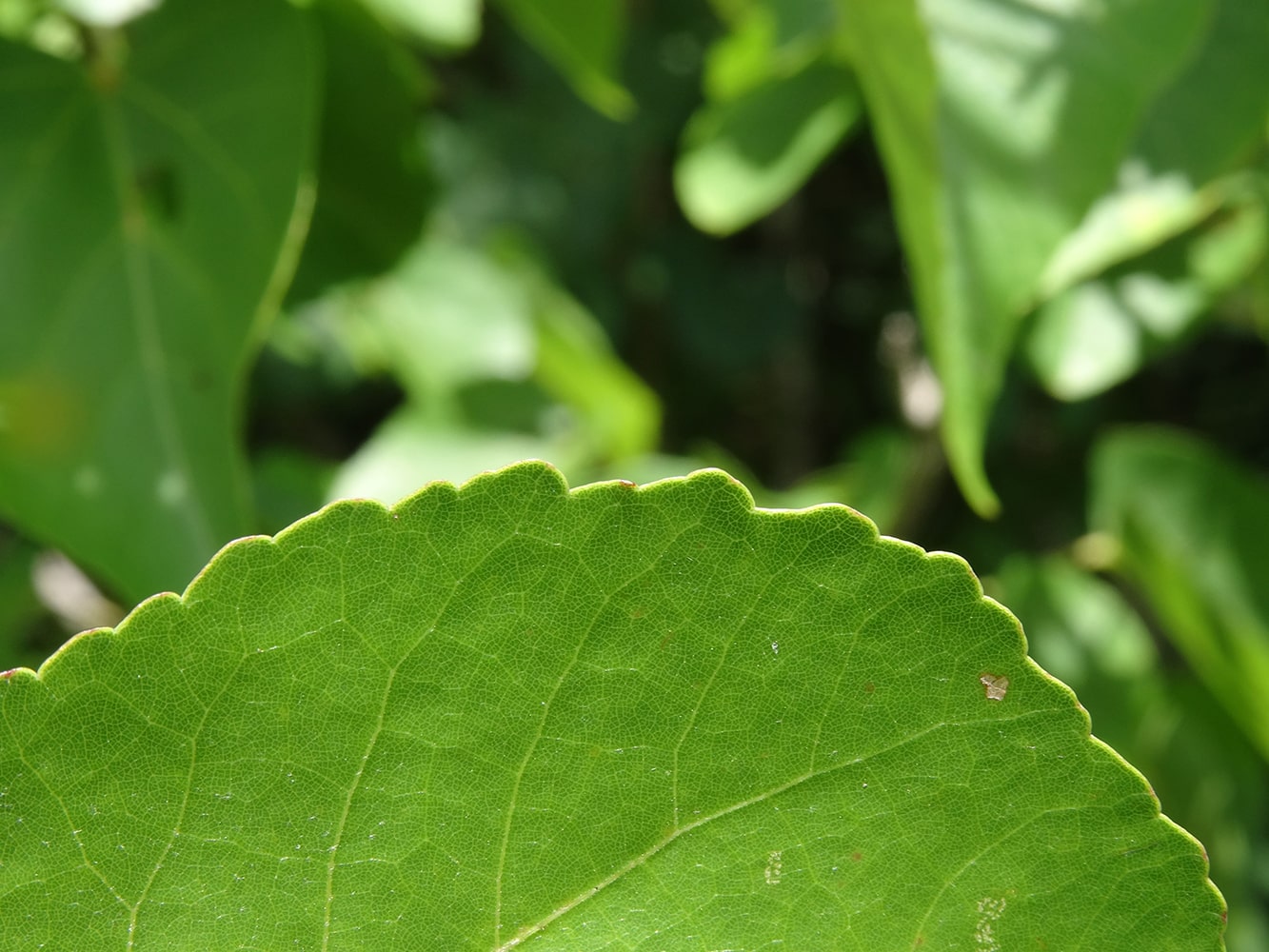
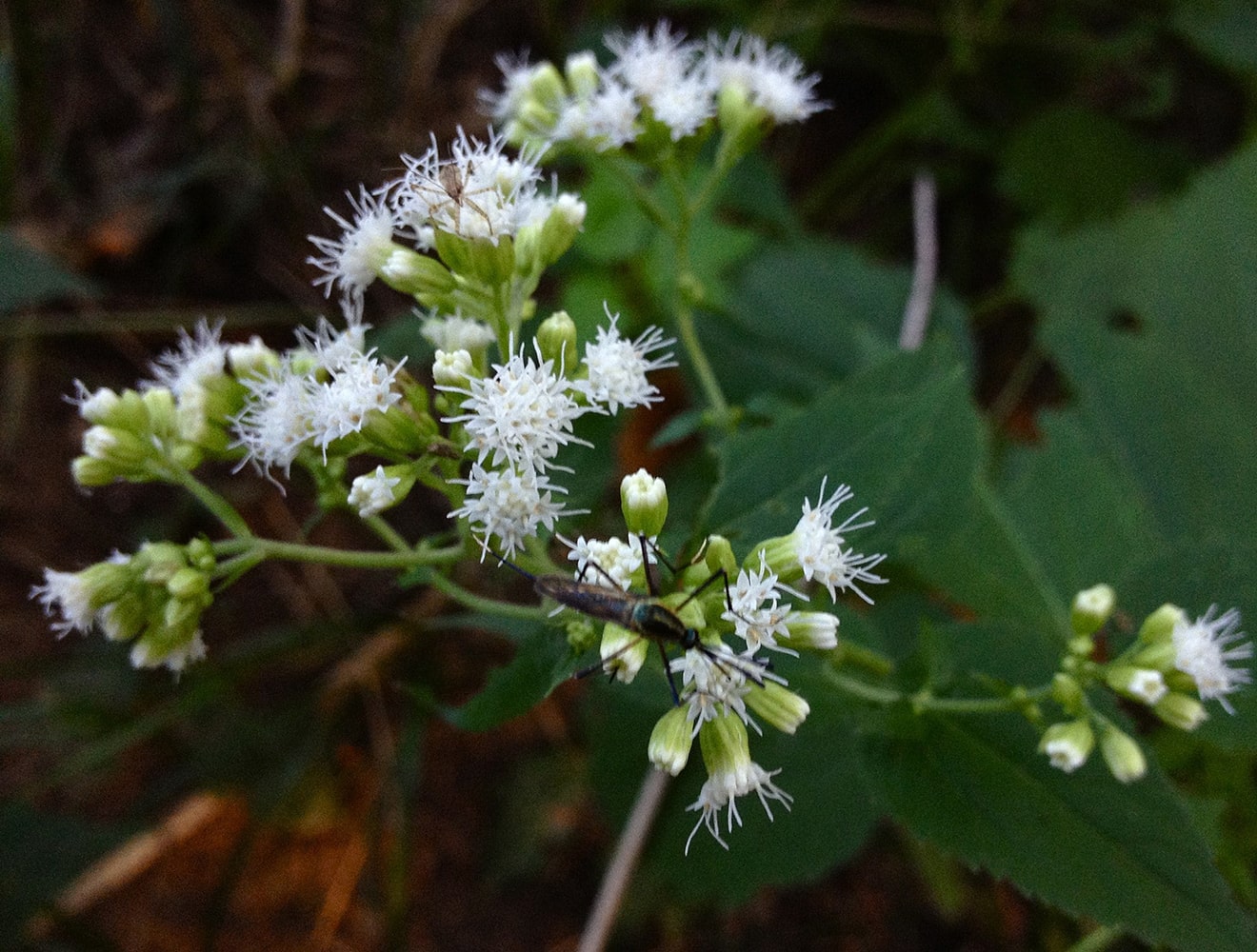
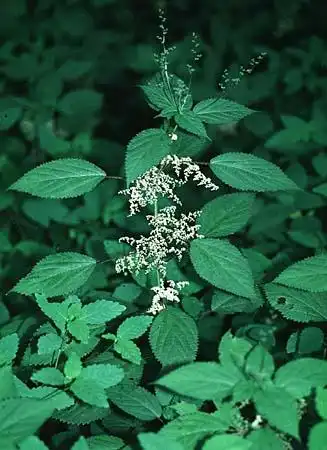
• Photo of Laportea canadensis (Laportea canadensiss)

Plant Profile: Laportea canadensis

Taxonomy: Laportea canadensis

Names

Wood Nettle

  • Photo of Laportea canadensis (Laportea canadensiss)

Phonetic Spelling:lah-POR-tee-ah kan-ah-DEN-sis

Genus:Laportea

Species:canadensis

Family:Urticaceae

This upright, perennial herb is characterized by its prominent stinging hairs. The leaves are arranged alternately, are simple in structure, and have coarse teeth along their edges. The flowers are small and not very noticeable, typically found in clusters in the axils of the leaves.

It thrives in forested or natural environments, particularly in rich woodlands and the moist lowlands adjacent to rivers and streams.

EDIBLE PARTS: The young shoots can be consumed as a potherb. Boiling them eliminates their irritating properties, making them suitable for inclusion in stews or soups. HARVESTING GUIDELINES: Only gather young shoots from locations that you are certain have not been treated with pesticides. The best time to collect these shoots is in the spring. It is advisable to wear gloves during the collection process, as the shoots can cause a stinging sensation. SAFE HANDLING INSTRUCTIONS: Rinse the young shoots in warm water to eliminate any dirt or debris, avoiding the use of dish soap or sanitizers, as these can leave harmful residues. Using kitchen tongs, place the shoots in a pot of boiling salted water and cook for five minutes. They can then be served as a vegetable or added to soups, with the stinging effect dissipating once cooked. SOURCE: Crowhurst, A. 1972. The Weed Cookbook. Lancer Books, Inc. New York, 190 pp.

Laportea canadensis Feature Summary

Laportea canadensis Image Gallery

Tags

#poisonous
#perennial
#wildlife plant
#NC native
#native garden
#edible garden
#larval host plant
#butterfly friendly
#pollinator garden
#eastern comma butterfly
#red admiral butterfly

Similar Plants

Laportea canadensis is often confused with:

Laportea canadensis Feature Summary

Attributes
Central & East Canada to Mexico
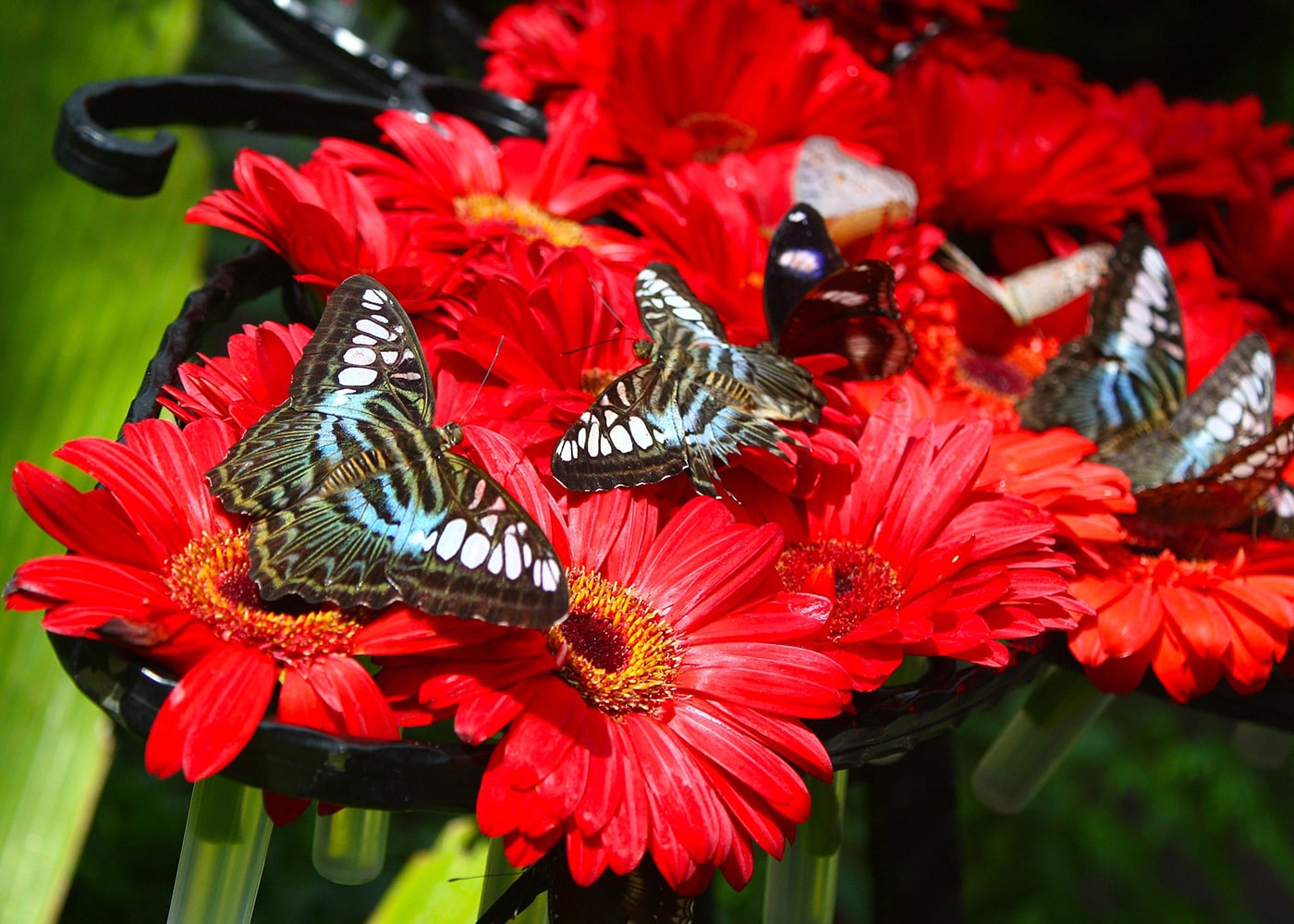
This is a larval host plant for butterflies. The Eastern Comma (Polygonia comma) appear as overwintered adults from spring until the end of April and they lay eggs. The summer form emerges from May-September and lays the winter form. These adults appear in September and find a location to overwinter for the next year. Red Admiral (Vanessa atalanta) have two broods from March-October, they overwinter from October-March in southern Texas.
Perennial
Flowers
Small and inconspicuous, in axillary clusters
Insignificant
< 1 inch
Leaves
Alternate, simple, coarsely toothed; covered in stinging hairs
Ovate
Lanceolate
Prickly
Velvety
Stem
Poisonous to Humans
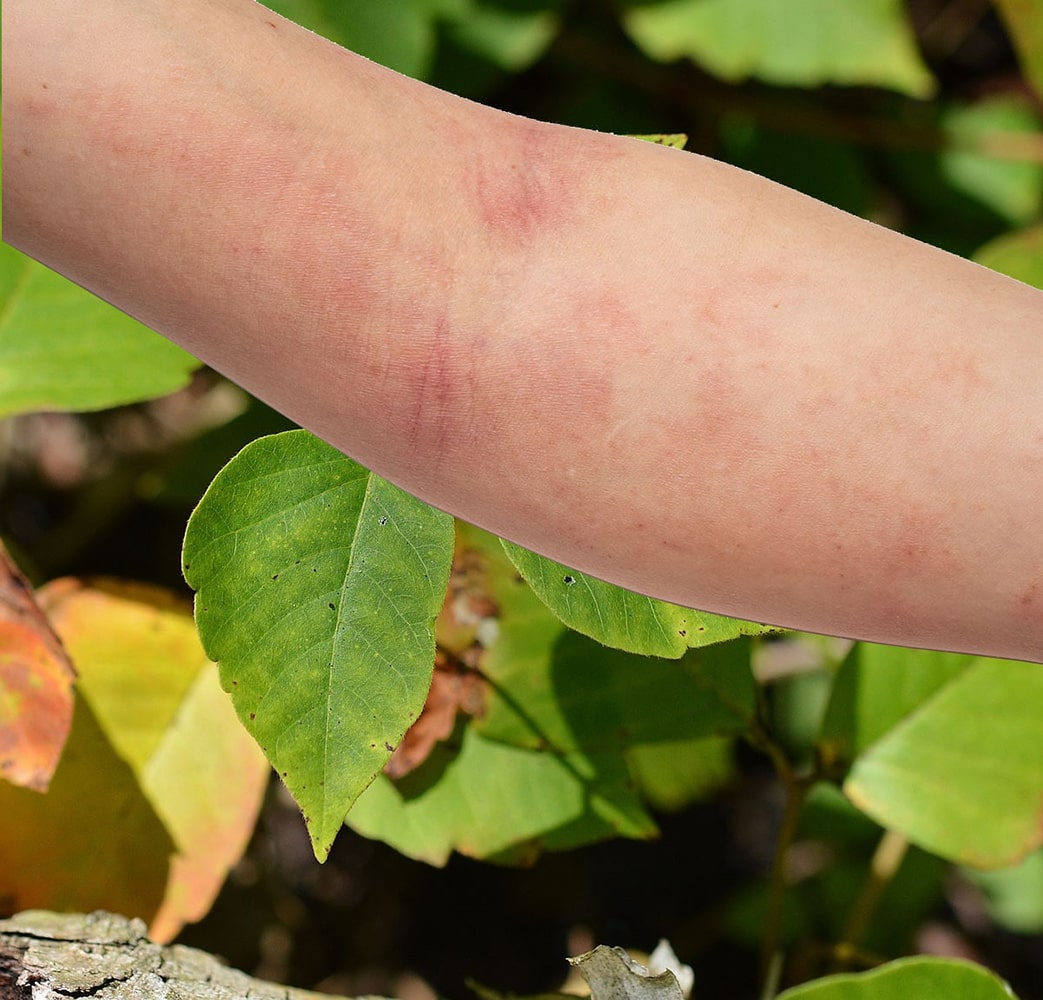
SKIN IRRITATION MINOR, OR LASTING ONLY FOR A FEW MINUTES. Contact with the stinging hairs causes intense burning, itching, or stinging lasting usually less than an hour.
Mixture of chemicals, not well understood
Leaves
Stems
Flowers
Bark
Fruits
Roots
Whole Plant Traits
Edible
Native Plant
Poisonous
Cultural Conditions
Occasionally Wet
Mountains
Piedmont
Landscape
Butterfly Garden
Pollinator Garden
Woodland
Naturalized Area
Coastal
Butterflies
Pollinators
Poisonous to Humans
Contact Dermatitis

Laportea canadensis Attributes

Laportea canadensis: Country Or Region Of Origin

Central & East Canada to Mexico
Laportea canadensis: Wildlife Value

This is a larval host plant for butterflies. The Eastern Comma (Polygonia comma) appear as overwintered adults from spring until the end of April and they lay eggs. The summer form emerges from May-September and lays the winter form. These adults appear in September and find a location to overwinter for the next year. Red Admiral (Vanessa atalanta) have two broods from March-October, they overwinter from October-March in southern Texas.

Laportea canadensis: Life Cycle

Annual
Biennial
Bulb
Perennial
Woody

Laportea canadensis Flowers

Laportea canadensis: Flower Description

Small and inconspicuous, in axillary clusters

Laportea canadensis: Flower Color

filter_vintage
Insignificant

Laportea canadensis: Flower Size

1-3 inches
3-6 inches
< 1 inch
> 6 inches

Laportea canadensis Leaves

Laportea canadensis: Leaf Description

Alternate, simple, coarsely toothed; covered in stinging hairs

Laportea canadensis: Leaf Color

spa
Green

Laportea canadensis: Leaf Type

Compound (Pinnately , Bipinnately, Palmately)
Fronds
Needles
Sheath
Simple

Laportea canadensis: Leaf Arrangement

Alternate
Opposite
Other/more complex
Rosulate
Whorled

Laportea canadensis: Leaf Shape

Acicular
Auriculate
Cordate
Cuneate
Deltoid
Elliptical
Filiform
Lanceolate
Linear
Oblanceolate
Oblong
Obovate
Obtuse
Orbicular
Ovate
Palmasect
Palmatifid
Peltate
Pinnatifid
Pinnatisect
Reniform
Rhomboidal
Spatulate
Subcordate
Subulate

Laportea canadensis: Leaf Margin

Crenate
Crenulate
Dentate
Denticulate
Doubly Crenate
Doubly Dentate
Doubly Serrate
Entire
Lobed
Serrate
Sinuate
Undulate

Laportea canadensis: Hairs Present

No
Yes

Laportea canadensis: Leaf Feel

Fleshy
Glossy
Leathery
Papery
Prickly
Rough
Rubbery
Slippery
Smooth
Soft
Velvety
Waxy

Laportea canadensis: Leaf Value To Gardener

Edible
Fragrant
Good Cut
Good Dried
Long-lasting
Showy

Laportea canadensis Stem

Laportea canadensis: Stem Description

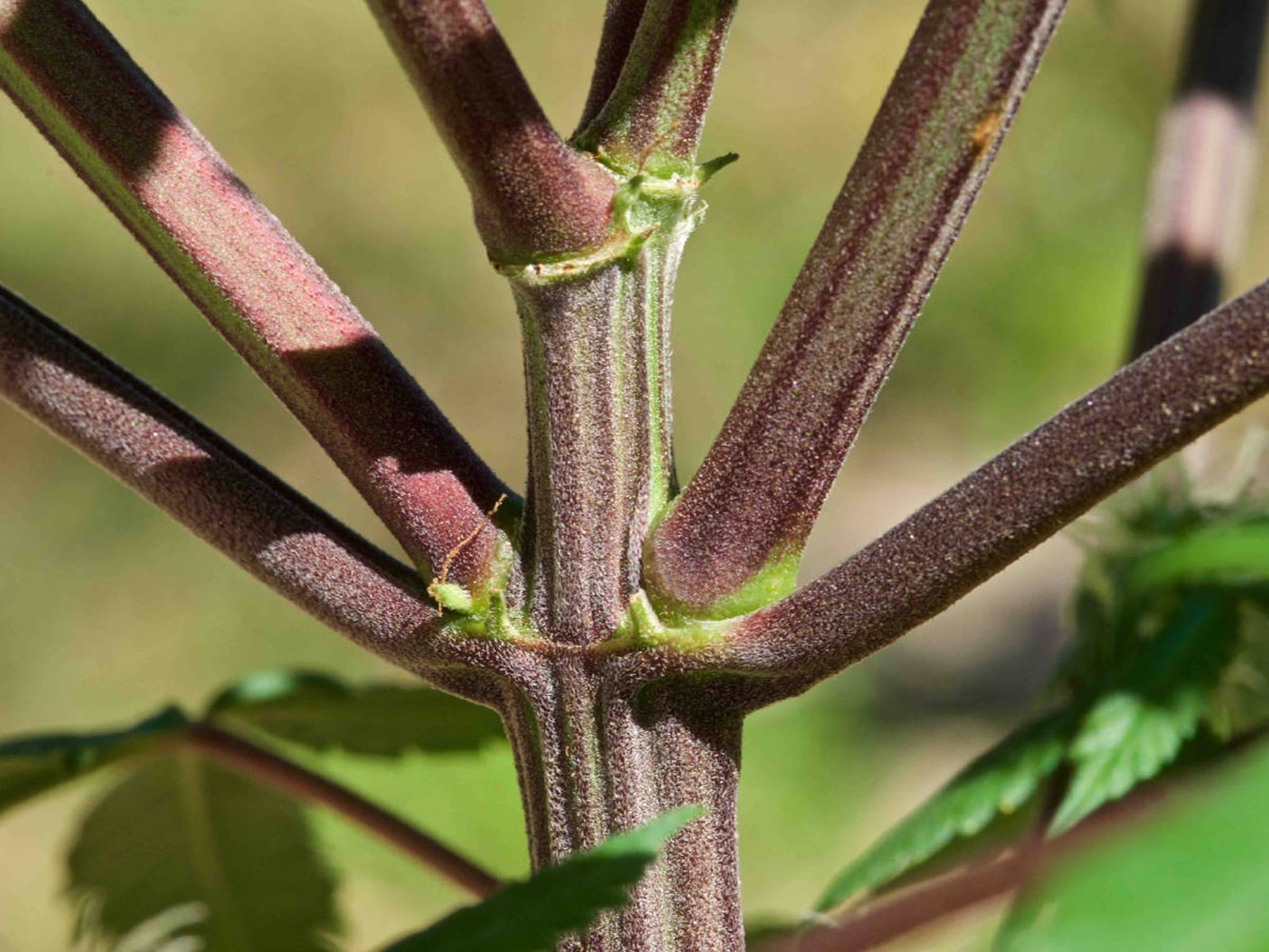
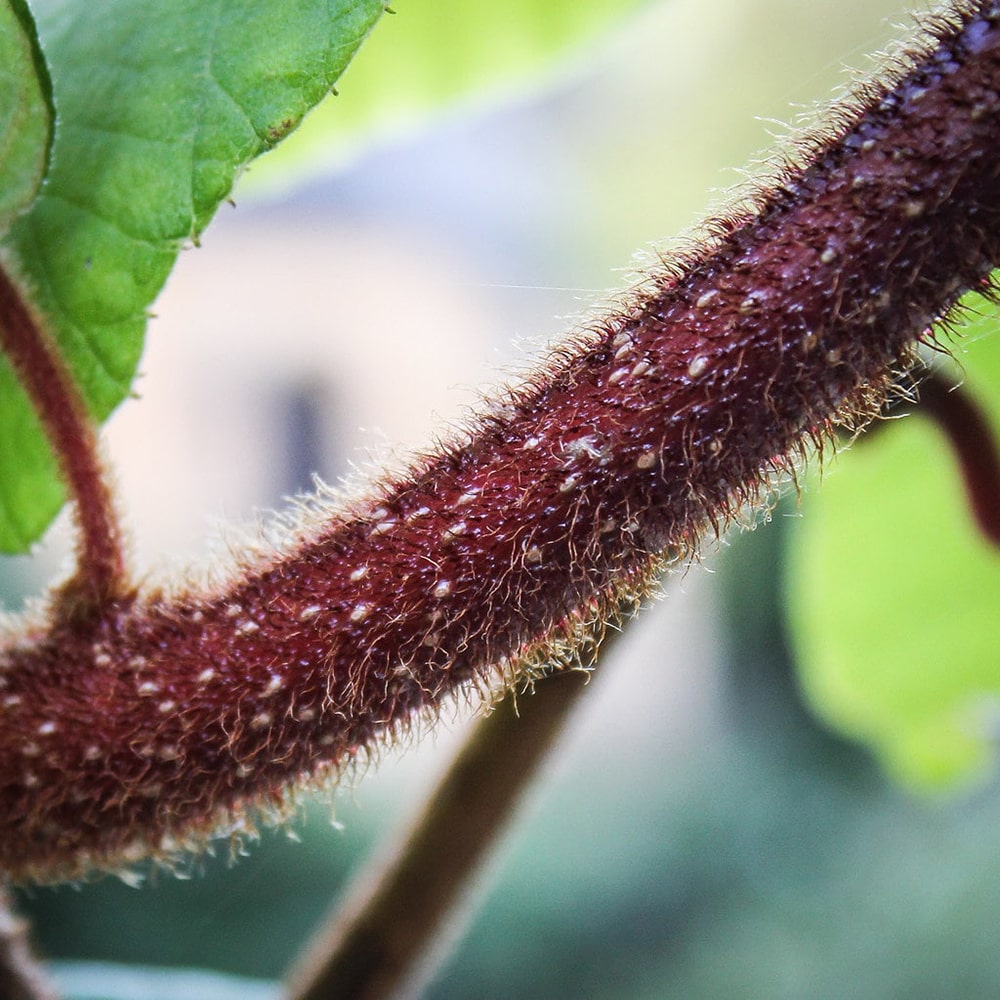
Stinging hairs

Laportea canadensis: Stem Color

grass
Green

Laportea canadensis: Stem Is Aromatic

No
Yes

Laportea canadensis: Stem Surface

Corky Ridges
Covered with a powdery bloom (glaucous)
Dull
Hairy (pubescent)
Polished
Smooth (glabrous)

Laportea canadensis Poisonous to Humans

Laportea canadensis: Poison Symptoms

SKIN IRRITATION MINOR, OR LASTING ONLY FOR A FEW MINUTES. Contact with the stinging hairs causes intense burning, itching, or stinging lasting usually less than an hour.

Laportea canadensis: Poison Toxic Principle

Mixture of chemicals, not well understood

Laportea canadensis: Poison Severity

High
Low
Medium

Laportea canadensis: Causes Contact Dermatitis

No
Yes

Laportea canadensis: Poison Part

Bark
Flowers
Fruits
Leaves
Roots
Sap/Juice
Seeds
Stems

Laportea canadensis Whole Plant Traits

Laportea canadensis: Plant Type

Annual
Bulb
Carnivorous
Edible
Epiphyte
Fern
Ground Cover
Herb
Herbaceous Perennial
Houseplant
Mushroom
Native Plant
Ornamental Grasses and Sedges
Perennial
Poisonous
Rose
Shrub
Succulent
Tree
Turfgrass
Vegetable
Vine
Water Plant
Weed
Wildflower

Laportea canadensis: Habit/Form

Arching
Ascending
Broad
Cascading
Climbing
Clumping
Columnar
Conical
Creeping
Dense
Erect
Horizontal
Irregular
Mounding
Multi-stemmed
Multi-trunked
Open
Oval
Prostrate
Pyramidal
Rounded
Spreading
Vase
Weeping

Laportea canadensis Cultural Conditions

Laportea canadensis: Soil Drainage

Frequent Standing Water
Good Drainage
Moist
Occasional Flooding
Occasionally Dry
Occasionally Wet
Very Dry

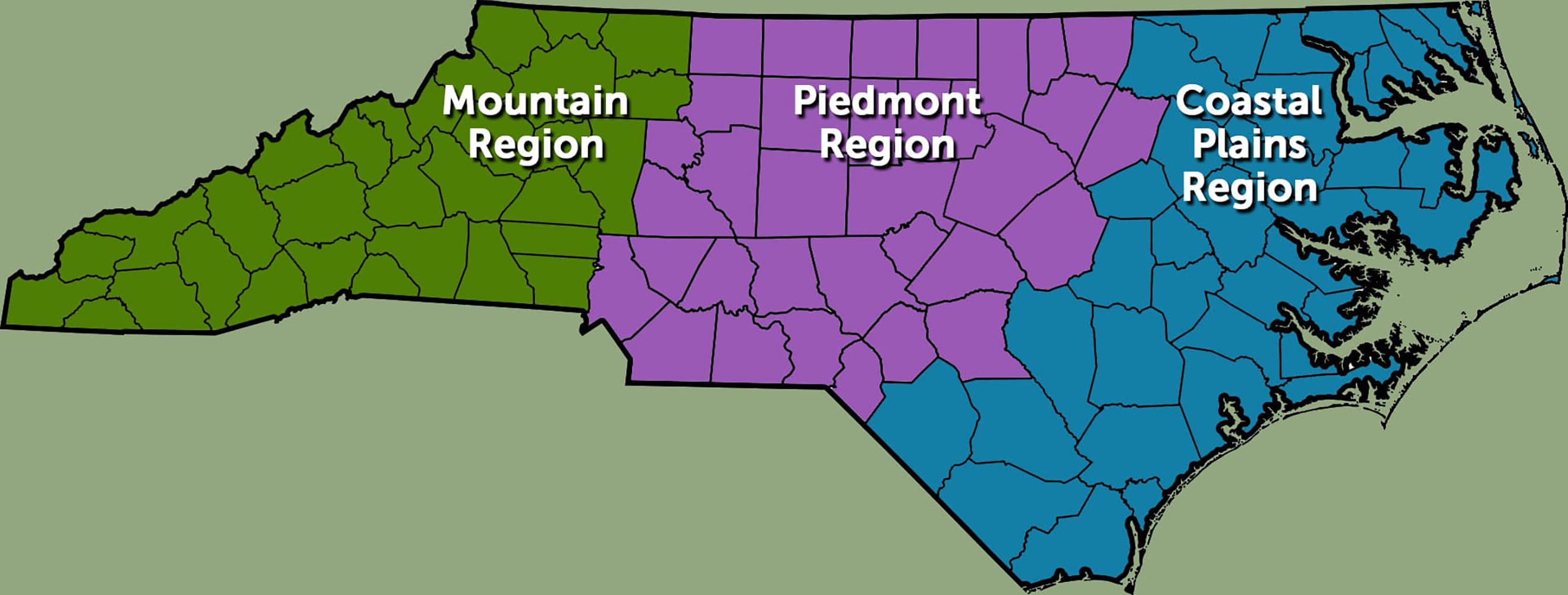
Laportea canadensis: NC Region

Coastal
Mountains
Piedmont

Laportea canadensis Landscape

Laportea canadensis: Landscape Theme

Asian Garden
Butterfly Garden
Children's Garden
Cottage Garden
Cutting Garden
Drought Tolerant Garden
Edible Garden
English Garden
Fairy Garden
Garden for the Blind
Native Garden
Nighttime Garden
Pollinator Garden
Rain Garden
Rock Garden
Shade Garden
Water Garden
Winter Garden

Laportea canadensis: Landscape Location

Coastal
Container
Hanging Baskets
Houseplants
Lawn
Meadow
Naturalized Area
Near Septic
Patio
Pond
Pool/Hardscape
Recreational Play Area
Riparian
Rock Wall
Slope/Bank
Small Space
Vertical Spaces
Walkways
Woodland

Laportea canadensis: Attracts

Bats
Bees
Butterflies
Frogs
Hummingbirds
Moths
Pollinators
Predatory Insects
Reptiles
Small Mammals
Songbirds
Specialized Bees

Laportea canadensis: Problems

Allelopathic
Contact Dermatitis
Frequent Disease Problems
Frequent Insect Problems
Invasive Species
Malodorous
Messy
Poisonous to Humans
Problem for Cats
Problem for Children
Problem for Dogs
Problem for Horses
Short-lived
Spines/Thorns
Weak Wood
Weedy