• Photo of Micranthes virginiensis (Micranthes virginiensiss)

Plant Profile: Micranthes virginiensis

Taxonomy: Micranthes virginiensis

Names

Early Saxifrage, Early Small-Flowered Saxifrage, Everlasting, Lungwort, Sweet Wilson, Virginia Saxifrage

  • Photo of Micranthes virginiensis (Micranthes virginiensiss)

Phonetic Spelling:my-KRAN-thes vir-jin-ee-EN-sis

Genus:Micranthes

Species:virginiensis

Family:Saxifragaceae

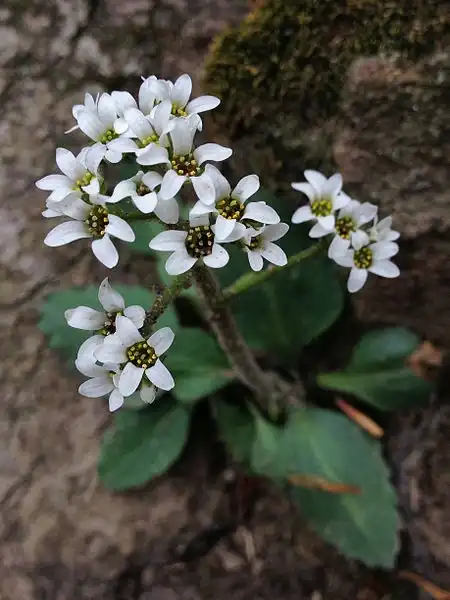
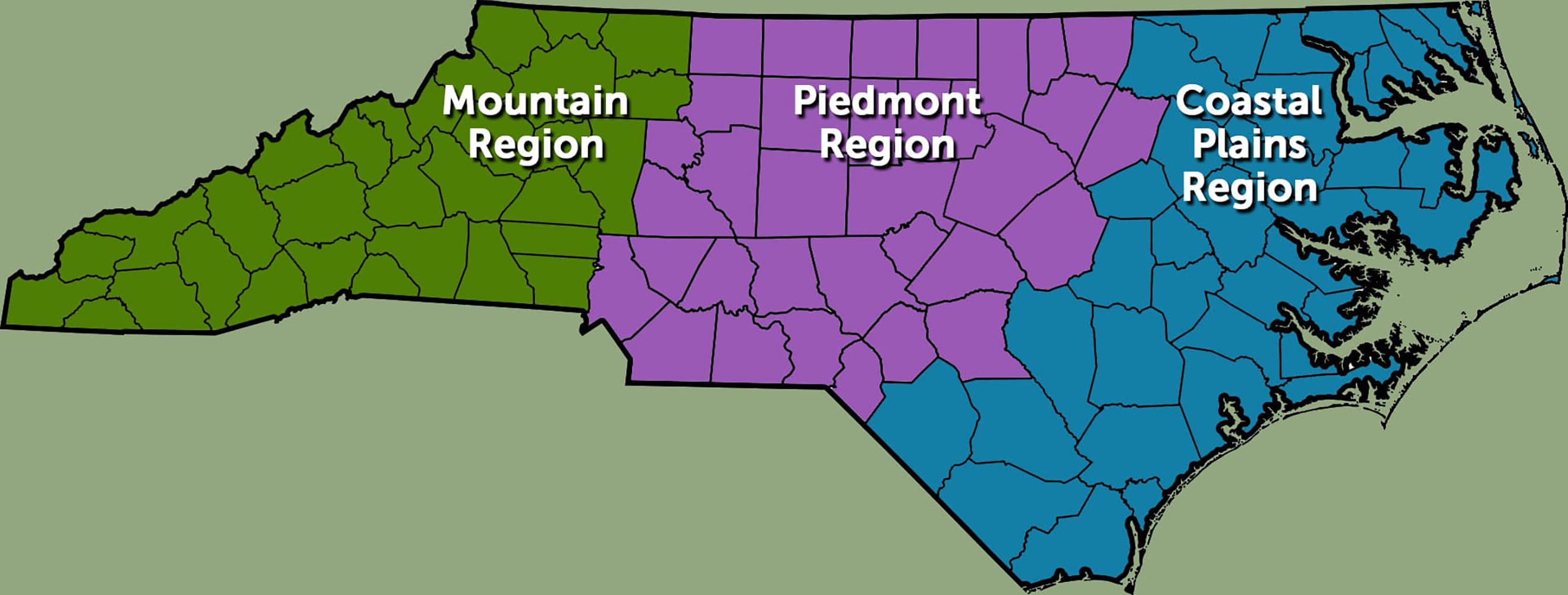
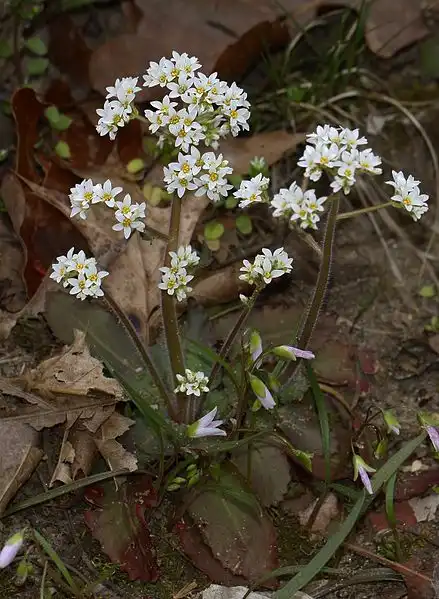
Early Saxifrage is a wildflower indigenous to dry woodlands and rocky terrains. In North Carolina, it is frequently observed in the Piedmont and mountainous regions, though it is seldom seen in the Coastal Plains. This plant can grow either as a solitary specimen or in clusters on rocky slopes, cliffs, stream banks, and forested inclines.

The leaves of Early Saxifrage are located solely at the base of the plant, known as basal leaves. Rising to about 12 inches, the hairy, sticky stems support a branched arrangement of fragrant white flowers, each measuring 2 inches across. Notably, the petals of these striking flowers are distinct and not fused together, setting them apart from some other species.

In terms of pests and diseases, Early Saxifrage is generally free from significant issues.

Micranthes virginiensis Feature Summary

Micranthes virginiensis Image Gallery

Tags

#native perennial
#NC native
#native wildflower
#native

Similar Plants

Micranthes virginiensis Feature Summary

Attributes
Central & East Canada to North Central & Eastern U.S.A
AL, AR, CT, DC, DE, GA, IL, IN, KY, LA MA, MD, ME, MI, MN, MO, MS, NC, NH, NJ, NY, OH, OK, PA RI, SC, TN, VA, VT, WY
The young early spring leaves can be eaten in salads.
Fruit
The green to purple fruit contains many tiny seeds.
Green
Purple/Lavender
< 1 inch
Flowers
5-petaled white flowers with 10 bright yellow stamens. Sticky flower stalk.
Spring
Summer
4-5 petals/rays
1-3 inches
Leaves
The veined leaves are a rosette of 1 to 3" broadly toothed oval leaves that are hairy around the edges. Often maroon underside.
Green
Gold/Yellow
Elliptical
Ovate
Serrate
Crenate
1-3 inches
Stem
Sticky, densely hairy stems are 4" tall at first flowering, elongating up to 12".
Whole Plant Traits
Native Plant
Wildflower
Herb
Cultural Conditions
Partial Shade (Direct sunlight only part of the day, 2-6 hours)
Good Drainage
Moist
Occasionally Dry
Coastal
Mountains
Piedmont
4a
4b
5b
5a
6a
6b
7a
7b
8b
8a
2a
2b
3a
3b
Shallow Rocky
Landscape
Rock Garden
Native Garden

Micranthes virginiensis Attributes

Micranthes virginiensis: Country Or Region Of Origin

Central & East Canada to North Central & Eastern U.S.A
Micranthes virginiensis: Distribution

AL, AR, CT, DC, DE, GA, IL, IN, KY, LA MA, MD, ME, MI, MN, MO, MS, NC, NH, NJ, NY, OH, OK, PA RI, SC, TN, VA, VT, WY

Micranthes virginiensis: Edibility

The young early spring leaves can be eaten in salads.

Micranthes virginiensis: Recommended Propagation Strategy

Division
Grafting
Layering
Leaf Cutting
Root Cutting
Seed
Stem Cutting

Micranthes virginiensis Fruit

Micranthes virginiensis: Fruit Description

The green to purple fruit contains many tiny seeds.

Micranthes virginiensis: Fruit Type

Achene
Aggregate
Berry
Capsule
Caryopsis
Drupe
Follicle
Legume
Nut
Pome
Samara
Schizocarp
Siliqua

Micranthes virginiensis: Fruit Color

grass
Green
grass
Purple/Lavender

Micranthes virginiensis: Fruit Length

< 1 inch
1-3 inches
> 3 inches

Micranthes virginiensis: Fruit Width

< 1 inch
1-3 inches
> 3 inches

Micranthes virginiensis Flowers

Micranthes virginiensis: Flower Description

5-petaled white flowers with 10 bright yellow stamens. Sticky flower stalk.

Micranthes virginiensis: Flower Color

filter_vintage
White

Micranthes virginiensis: Flower Value To Gardener

Edible
Fragrant
Good Cut
Good Dried
Long Bloom Season
Long-lasting
Showy

Micranthes virginiensis: Flower Bloom Time

Winter
Spring
Summer
Fall

Micranthes virginiensis: Flower Petals

2-3 rays/petals
4-5 petals/rays
6 petals/rays
7 - 20 petals/rays
asymmetrical petals
Bracts
Colored Sepals
fused petals
more than 20 petals/rays
Tepals

Micranthes virginiensis: Flower Size

1-3 inches
3-6 inches
< 1 inch
> 6 inches

Micranthes virginiensis Leaves

Micranthes virginiensis: Leaf Description

The veined leaves are a rosette of 1 to 3" broadly toothed oval leaves that are hairy around the edges. Often maroon underside.

Micranthes virginiensis: Leaf Color

spa
Gold/Yellow
spa
Green

Micranthes virginiensis: Leaf Type

Compound (Pinnately , Bipinnately, Palmately)
Fronds
Needles
Sheath
Simple

Micranthes virginiensis: Leaf Shape

Acicular
Auriculate
Cordate
Cuneate
Deltoid
Elliptical
Filiform
Lanceolate
Linear
Oblanceolate
Oblong
Obovate
Obtuse
Orbicular
Ovate
Palmasect
Palmatifid
Peltate
Pinnatifid
Pinnatisect
Reniform
Rhomboidal
Spatulate
Subcordate
Subulate

Micranthes virginiensis: Leaf Margin

Crenate
Crenulate
Dentate
Denticulate
Doubly Crenate
Doubly Dentate
Doubly Serrate
Entire
Lobed
Serrate
Sinuate
Undulate

Micranthes virginiensis: Hairs Present

No
Yes

Micranthes virginiensis: Leaf Length

< 1 inch
1-3 inches
3-6 inches
> 6 inches

Micranthes virginiensis Stem

Micranthes virginiensis: Stem Description

Sticky, densely hairy stems are 4" tall at first flowering, elongating up to 12".

Micranthes virginiensis: Stem Is Aromatic

No
Yes

Micranthes virginiensis: Stem Cross Section

Angular
Oval
Round
Square

Micranthes virginiensis Whole Plant Traits

Micranthes virginiensis: Plant Type

Annual
Bulb
Carnivorous
Edible
Epiphyte
Fern
Ground Cover
Herb
Herbaceous Perennial
Houseplant
Mushroom
Native Plant
Ornamental Grasses and Sedges
Perennial
Poisonous
Rose
Shrub
Succulent
Tree
Turfgrass
Vegetable
Vine
Water Plant
Weed
Wildflower

Micranthes virginiensis Cultural Conditions

Micranthes virginiensis: Light

Dappled Sunlight (Shade through upper canopy all day)
Deep shade (Less than 2 hours to no direct sunlight)
Full sun (6 or more hours of direct sunlight a day)
Partial Shade (Direct sunlight only part of the day, 2-6 hours)

Micranthes virginiensis: Soil Drainage

Frequent Standing Water
Good Drainage
Moist
Occasional Flooding
Occasionally Dry
Occasionally Wet
Very Dry

Micranthes virginiensis: NC Region

Coastal
Mountains
Piedmont

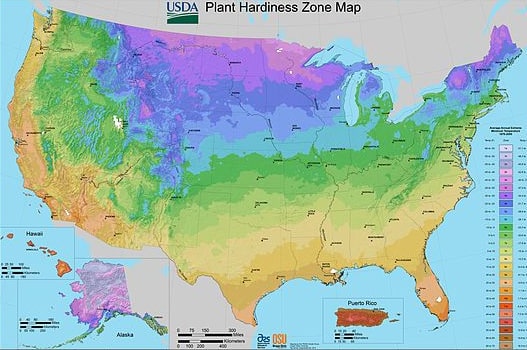
Micranthes virginiensis: USDA Plant Hardiness Zone

thermostat
2a
thermostat
2b
thermostat
3a
thermostat
3b
thermostat
4a
thermostat
4b
thermostat
5a
thermostat
5b
thermostat
6a
thermostat
6b
thermostat
7a
thermostat
7b
thermostat
8a
thermostat
8b

Micranthes virginiensis: Soil Texture

Clay
High Organic Matter
Loam (Silt)
Sand
Shallow Rocky

Micranthes virginiensis Landscape

Micranthes virginiensis: Landscape Theme

Asian Garden
Butterfly Garden
Children's Garden
Cottage Garden
Cutting Garden
Drought Tolerant Garden
Edible Garden
English Garden
Fairy Garden
Garden for the Blind
Native Garden
Nighttime Garden
Pollinator Garden
Rain Garden
Rock Garden
Shade Garden
Water Garden
Winter Garden