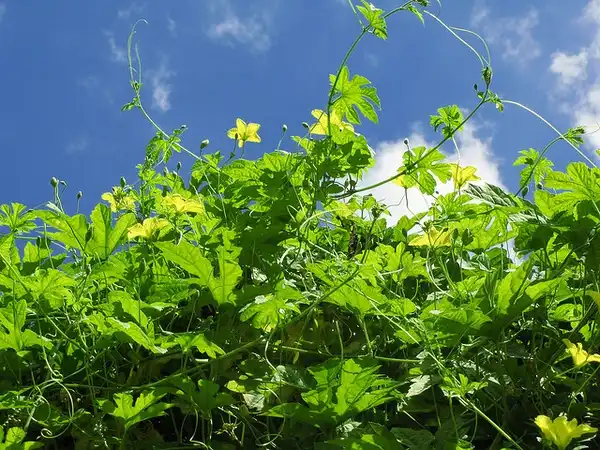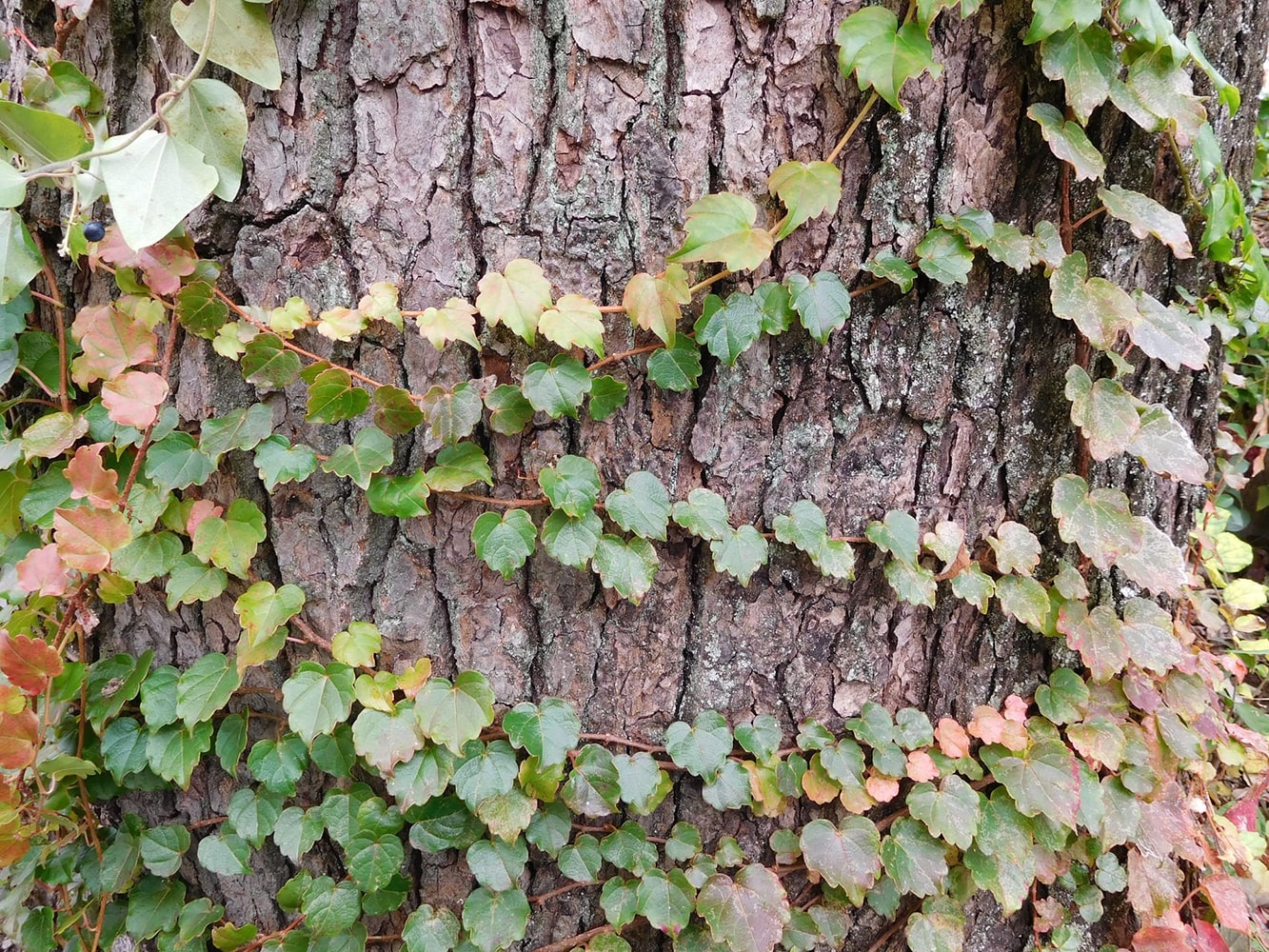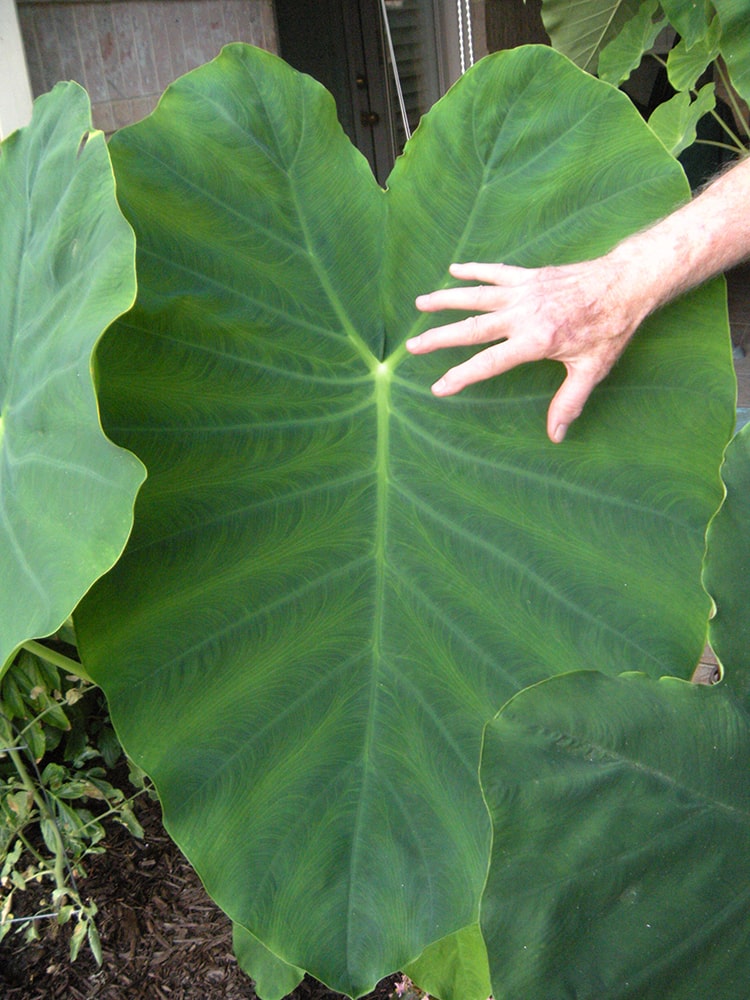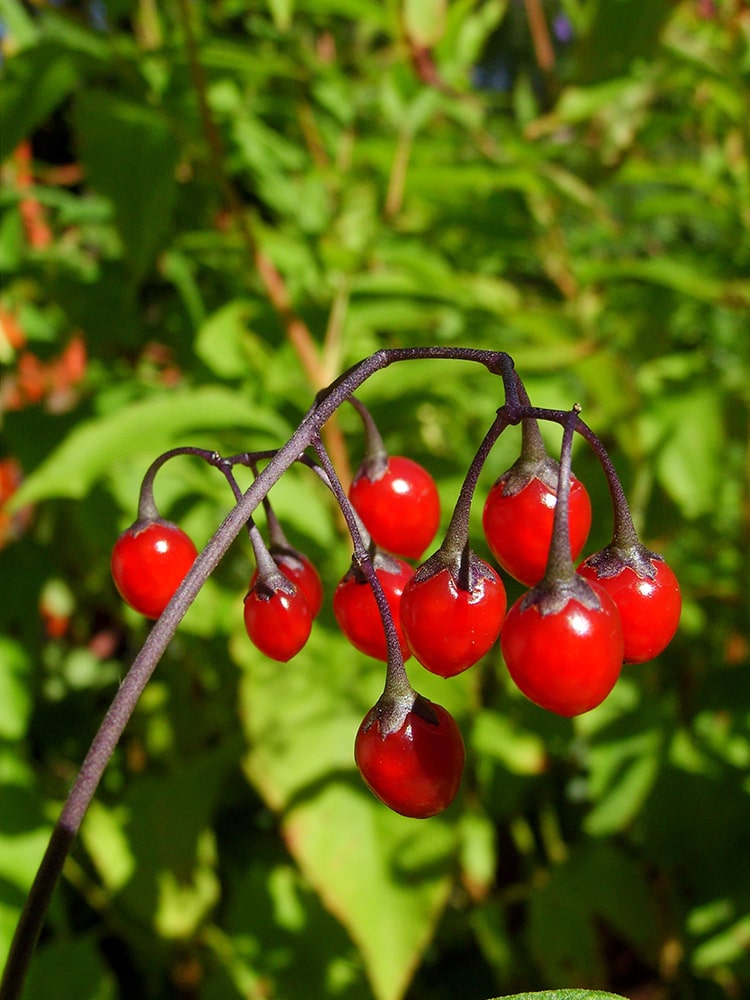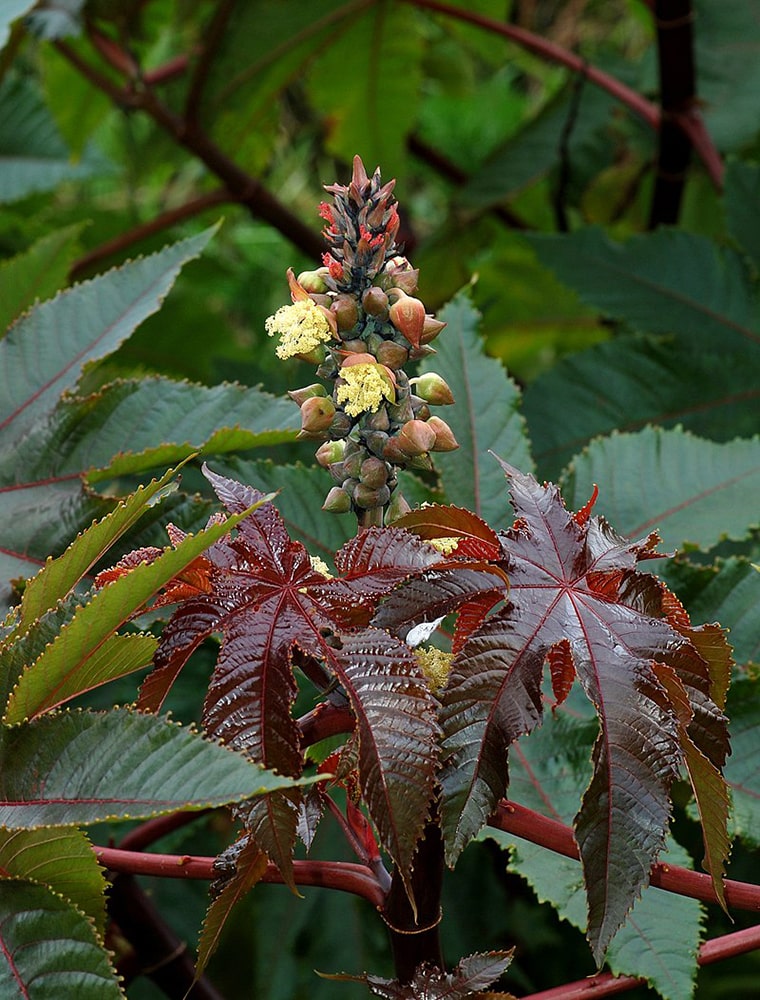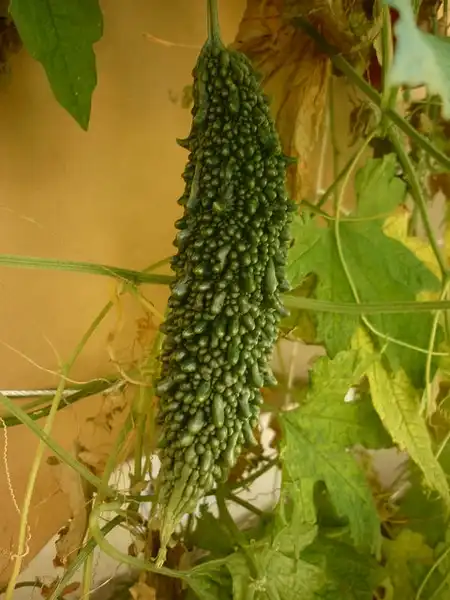
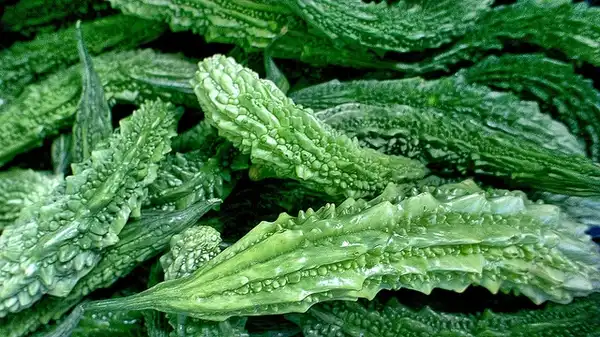
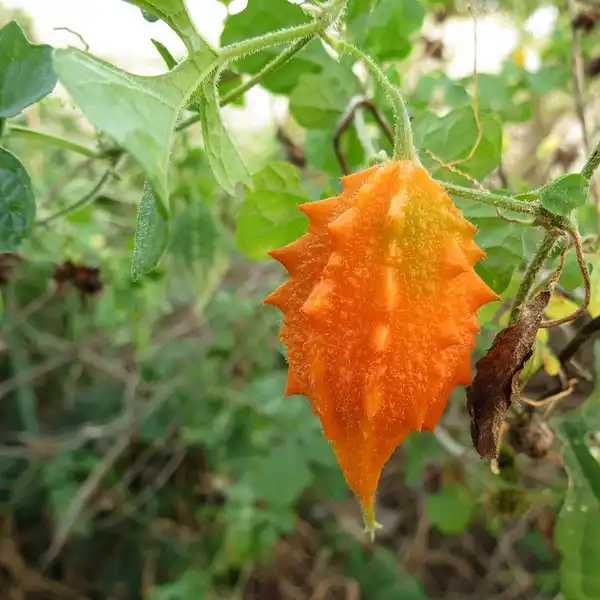
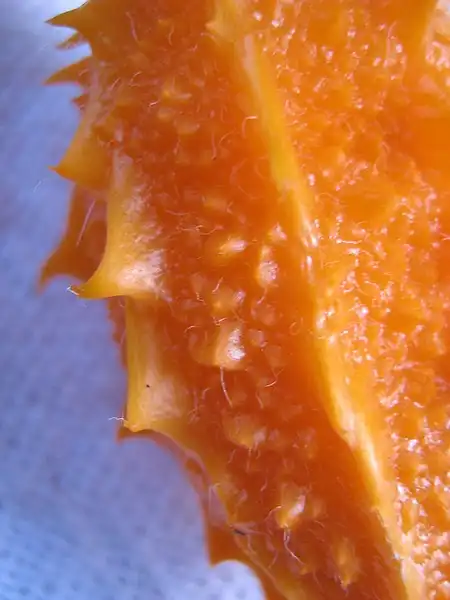
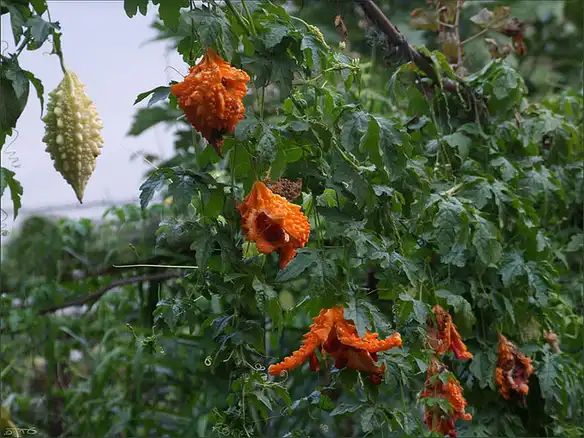
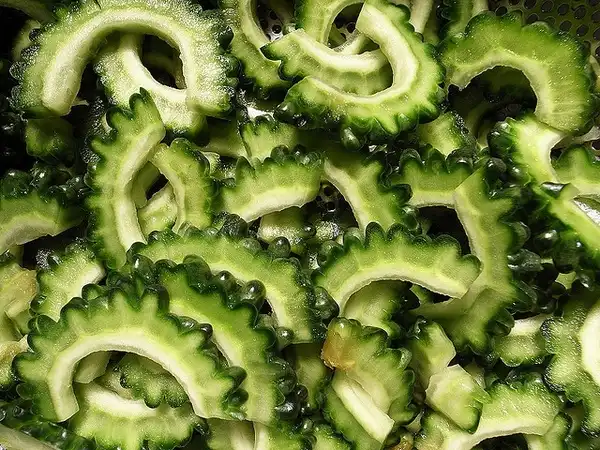
• Photo of Momordica charantia (Momordica charantias)

Plant Profile: Momordica charantia

Taxonomy: Momordica charantia

Names

Balsam Pear, Bitter Gourd

  • Photo of Momordica charantia (Momordica charantias)

Phonetic Spelling:mo-MOR-dih-kah kar-AN-tee-ah

Genus:Momordica

Species:charantia

Family:Cucurbitaceae

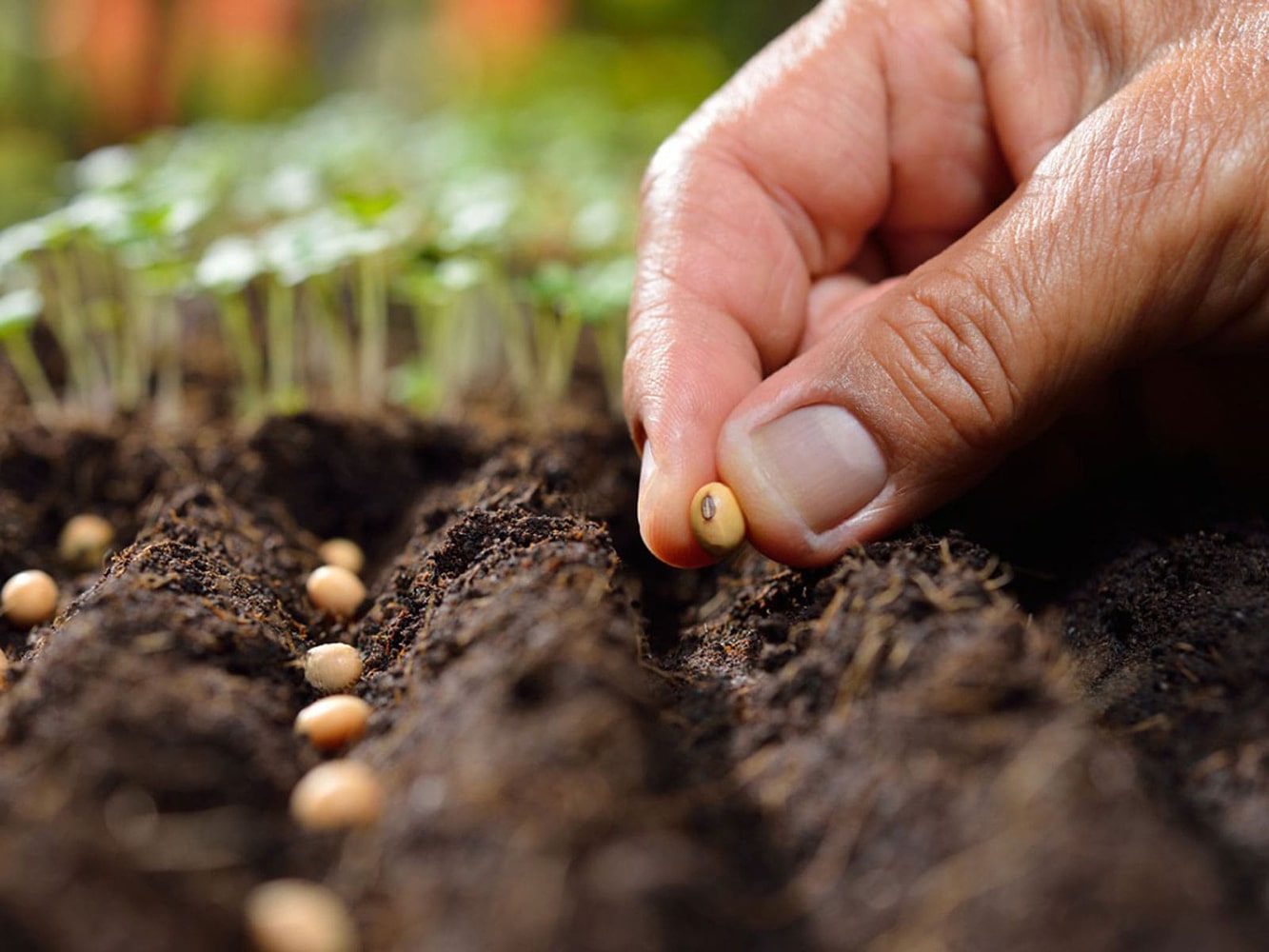
Momordica charantia, commonly known as bitter melon, is a robust, tendril-climbing annual vine from the cucumber family that can reach lengths of 12 to 20 feet within a single growing season. These plants are typically cultivated in a manner similar to cucumbers. It is advisable to start seeds indoors, preferably in peat pots that break down in the soil, as seedlings tend to struggle with transplantation. Begin this process approximately four weeks before the last frost of spring, and for optimal growth, support the vines on a trellis.

Caution is advised, as the mature red fruit and seeds are toxic and should not be consumed.

Momordica charantia Feature Summary

Momordica charantia Image Gallery

Tags

#poisonous
#annual
#vines
#edible garden

Similar Plants

Momordica charantia Feature Summary

Attributes
Plants have a long history of use as a vegetable and an herbal medicine.
Tropical & Subtropical Old World
Young fruits (green or early yellow colored) are a popular vegetable consumed in some countries. Leafy shoot tips are often used as salad greens.
Fruit
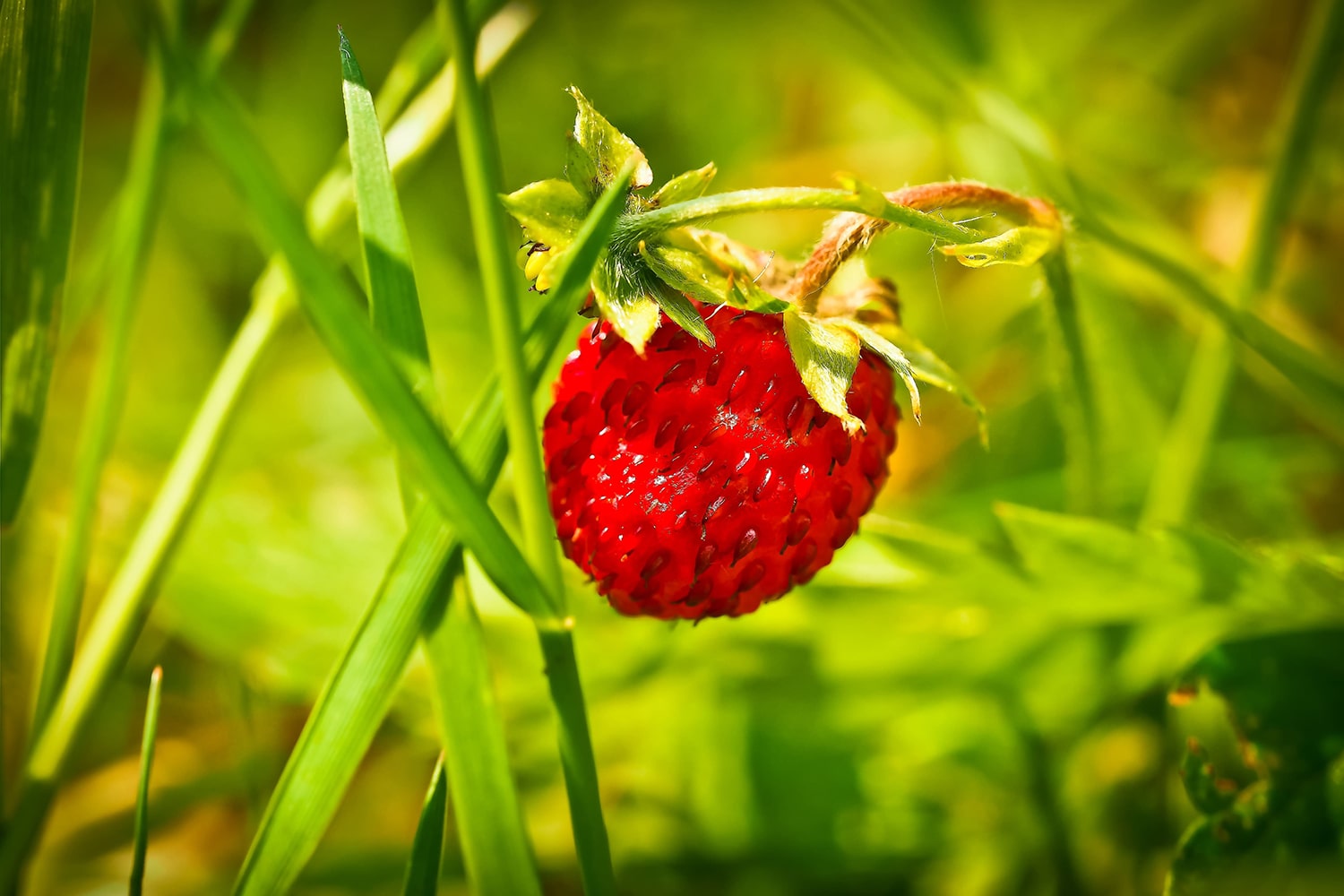
Ripe berry is yellow-orange, warty, with red pulp around seeds. Edible when still green, but poisonous once ripe.
Gold/Yellow
Orange
Flowers
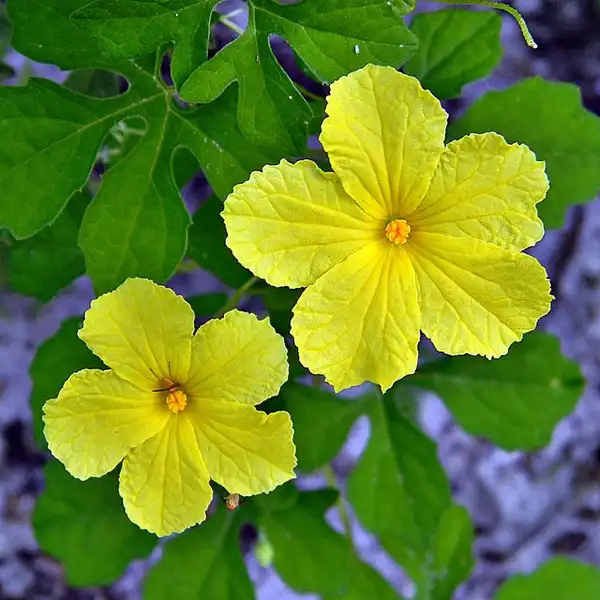
Tubular yellow flowers
Gold/Yellow
4-5 petals/rays
1-3 inches
Leaves
Alternate, foul-smelling, deeply palmately lobed
Compound (Pinnately , Bipinnately, Palmately)
1-3 inches
Poisonous to Humans
TOXIC ONLY IF LARGE QUANTITIES EATEN. Ripe fruits, fruit coats, and seeds cause headache, salivation, facial redness, pupil dilation, stomach pain, nausea, vomiting, diarrhea, and muscular weakness.
Resin, saponic glycoside, and alkaloids
Seeds
Fruits
Whole Plant Traits
Annual
Edible
Poisonous
Vine
Climbing
Tendrils
Cultural Conditions
Full sun (6 or more hours of direct sunlight a day)
Good Drainage
Coastal
High Organic Matter
Landscape
Edible Garden
Naturalized Area
Vertical Spaces
Poisonous to Humans
Weedy

Momordica charantia Attributes

Momordica charantia: Uses (Ethnobotany)

Plants have a long history of use as a vegetable and an herbal medicine.
Momordica charantia: Country Or Region Of Origin

Tropical & Subtropical Old World

Momordica charantia: Edibility

Young fruits (green or early yellow colored) are a popular vegetable consumed in some countries. Leafy shoot tips are often used as salad greens.

Momordica charantia: Life Cycle

Annual
Biennial
Bulb
Perennial
Woody

Momordica charantia: Recommended Propagation Strategy

Division
Grafting
Layering
Leaf Cutting
Root Cutting
Seed
Stem Cutting

Momordica charantia: Climbing Method

Clinging
Scrambler
Tendrils
Twining

Momordica charantia Fruit

Momordica charantia: Fruit Description

Ripe berry is yellow-orange, warty, with red pulp around seeds. Edible when still green, but poisonous once ripe.

Momordica charantia: Fruit Type

Achene
Aggregate
Berry
Capsule
Caryopsis
Drupe
Follicle
Legume
Nut
Pome
Samara
Schizocarp
Siliqua

Momordica charantia: Fruit Color

grass
Gold/Yellow
grass
Orange

Momordica charantia: Fruit Value To Gardener

Edible
Fragrant
Good Cut
Good Dried
Long Bloom Season
Long-lasting
Showy

Momordica charantia Flowers

Momordica charantia: Flower Description

Tubular yellow flowers

Momordica charantia: Flower Color

filter_vintage
Gold/Yellow

Momordica charantia: Flower Value To Gardener

Edible
Fragrant
Good Cut
Good Dried
Long Bloom Season
Long-lasting
Showy

Momordica charantia: Flower Bloom Time

Winter
Spring
Summer
Fall

Momordica charantia: Flower Petals

2-3 rays/petals
4-5 petals/rays
6 petals/rays
7 - 20 petals/rays
asymmetrical petals
Bracts
Colored Sepals
fused petals
more than 20 petals/rays
Tepals

Momordica charantia: Flower Shape

Bell
Cross
Crown
Cup
Dome
Funnel
Irregular
Lipped
Radial
Saucer
Star
Trumpet
Tubular
Urn
Wheel

Momordica charantia: Flower Size

1-3 inches
3-6 inches
< 1 inch
> 6 inches

Momordica charantia Leaves

Momordica charantia: Leaf Description

Alternate, foul-smelling, deeply palmately lobed

Momordica charantia: Leaf Color

spa
Green

Momordica charantia: Leaf Type

Compound (Pinnately , Bipinnately, Palmately)
Fronds
Needles
Sheath
Simple

Momordica charantia: Leaf Arrangement

Alternate
Opposite
Other/more complex
Rosulate
Whorled

Momordica charantia: Leaf Margin

Crenate
Crenulate
Dentate
Denticulate
Doubly Crenate
Doubly Dentate
Doubly Serrate
Entire
Lobed
Serrate
Sinuate
Undulate

Momordica charantia: Hairs Present

No
Yes

Momordica charantia: Leaf Length

< 1 inch
1-3 inches
3-6 inches
> 6 inches

Momordica charantia: Leaf Value To Gardener

Edible
Fragrant
Good Cut
Good Dried
Long-lasting
Showy

Momordica charantia Poisonous to Humans

Momordica charantia: Poison Symptoms

TOXIC ONLY IF LARGE QUANTITIES EATEN. Ripe fruits, fruit coats, and seeds cause headache, salivation, facial redness, pupil dilation, stomach pain, nausea, vomiting, diarrhea, and muscular weakness.

Momordica charantia: Poison Toxic Principle

Resin, saponic glycoside, and alkaloids

Momordica charantia: Poison Severity

High
Low
Medium

Momordica charantia: Causes Contact Dermatitis

No
Yes

Momordica charantia: Poison Part

Bark
Flowers
Fruits
Leaves
Roots
Sap/Juice
Seeds
Stems

Momordica charantia Whole Plant Traits

Momordica charantia: Plant Type

Annual
Bulb
Carnivorous
Edible
Epiphyte
Fern
Ground Cover
Herb
Herbaceous Perennial
Houseplant
Mushroom
Native Plant
Ornamental Grasses and Sedges
Perennial
Poisonous
Rose
Shrub
Succulent
Tree
Turfgrass
Vegetable
Vine
Water Plant
Weed
Wildflower

Momordica charantia: Habit/Form

Arching
Ascending
Broad
Cascading
Climbing
Clumping
Columnar
Conical
Creeping
Dense
Erect
Horizontal
Irregular
Mounding
Multi-stemmed
Multi-trunked
Open
Oval
Prostrate
Pyramidal
Rounded
Spreading
Vase
Weeping

Momordica charantia: Growth Rate

Slow
Medium
Rapid

Momordica charantia: Maintenance

Low
Medium
High

Momordica charantia: Appendage

Prickles
Spines
Tendrils
Thorns

Momordica charantia Cultural Conditions

Momordica charantia: Light

Dappled Sunlight (Shade through upper canopy all day)
Deep shade (Less than 2 hours to no direct sunlight)
Full sun (6 or more hours of direct sunlight a day)
Partial Shade (Direct sunlight only part of the day, 2-6 hours)

Momordica charantia: Soil Drainage

Frequent Standing Water
Good Drainage
Moist
Occasional Flooding
Occasionally Dry
Occasionally Wet
Very Dry

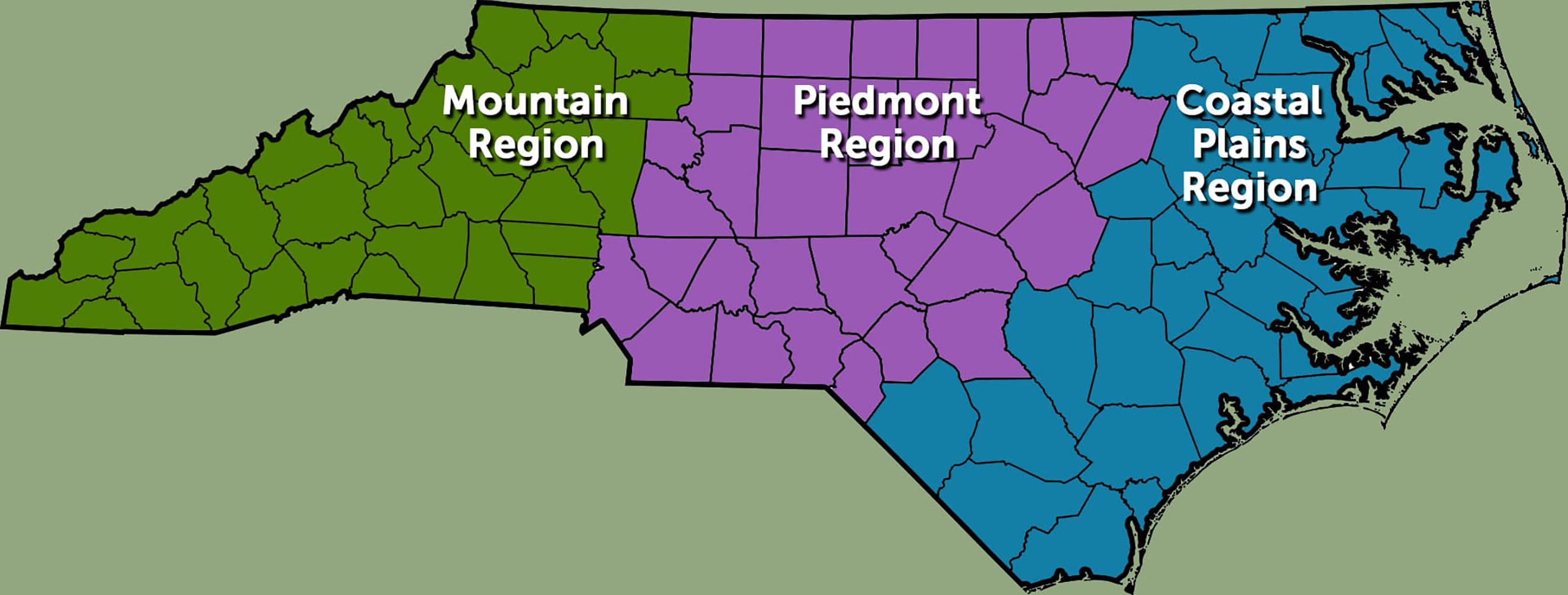
Momordica charantia: NC Region

Coastal
Mountains
Piedmont

Momordica charantia: Soil Texture

Clay

High Organic Matter
Loam (Silt)
Sand
Shallow Rocky

Momordica charantia Stem

Momordica charantia: Stem Is Aromatic

No
Yes

Momordica charantia Landscape

Momordica charantia: Landscape Theme

Asian Garden
Butterfly Garden
Children's Garden
Cottage Garden
Cutting Garden
Drought Tolerant Garden
Edible Garden
English Garden
Fairy Garden
Garden for the Blind
Native Garden
Nighttime Garden
Pollinator Garden
Rain Garden
Rock Garden
Shade Garden
Water Garden
Winter Garden

Momordica charantia: Landscape Location

Coastal
Container
Hanging Baskets
Houseplants
Lawn
Meadow
Naturalized Area
Near Septic
Patio
Pond
Pool/Hardscape
Recreational Play Area
Riparian
Rock Wall
Slope/Bank
Small Space
Vertical Spaces
Walkways
Woodland

Momordica charantia: Problems

Allelopathic
Contact Dermatitis
Frequent Disease Problems
Frequent Insect Problems
Invasive Species
Malodorous
Messy
Poisonous to Humans
Problem for Cats
Problem for Children
Problem for Dogs
Problem for Horses
Short-lived
Spines/Thorns
Weak Wood
Weedy