Phlox pilosa: Uses (Ethnobotany)
Meskwaki Indians used an infusion of leaves to cure and purify the blood, and as a wash for eczema. They also used a compound containing the root used as a 'love medicine'.
Phonetic Spelling:FLAH-ks pil-OH-suh
Genus:Phlox
Species:pilosa
Family:Polemoniaceae
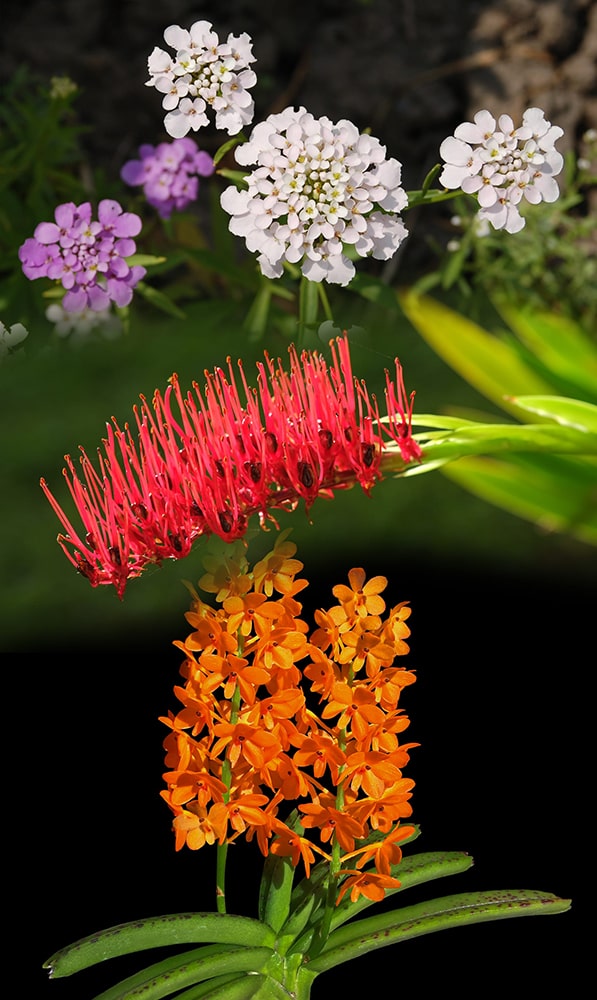
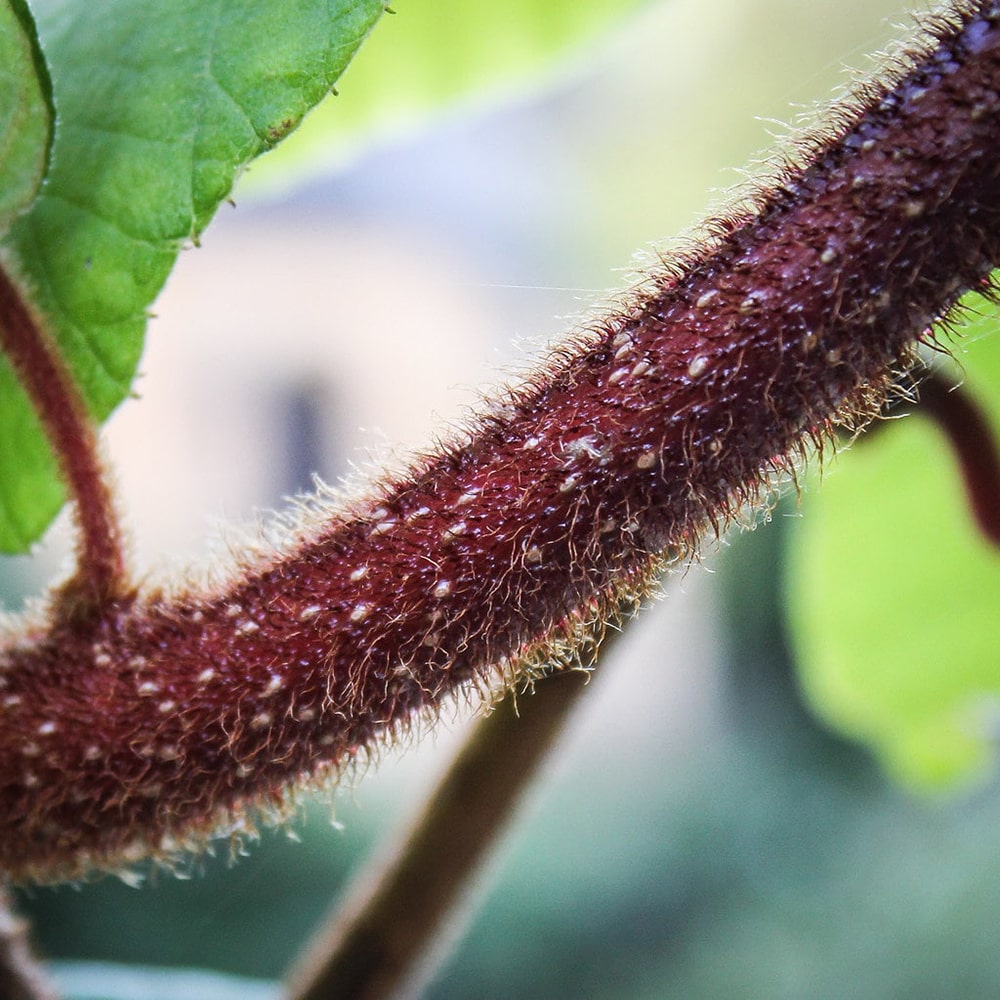
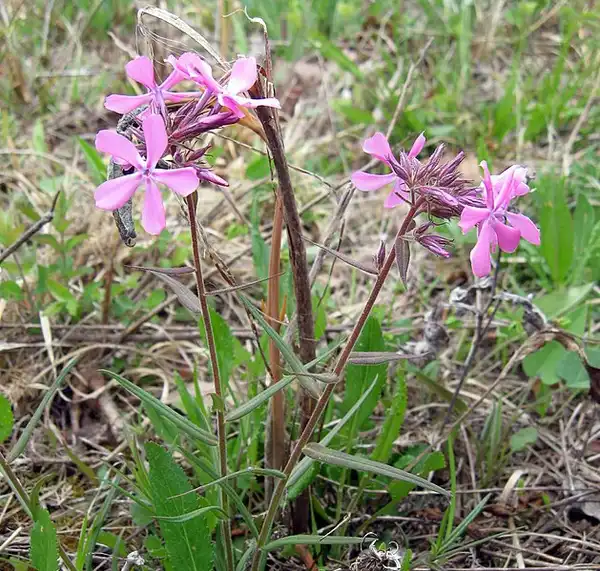
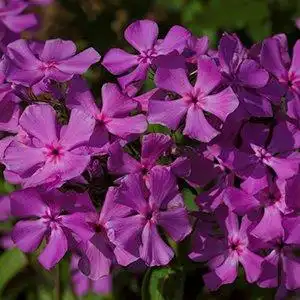
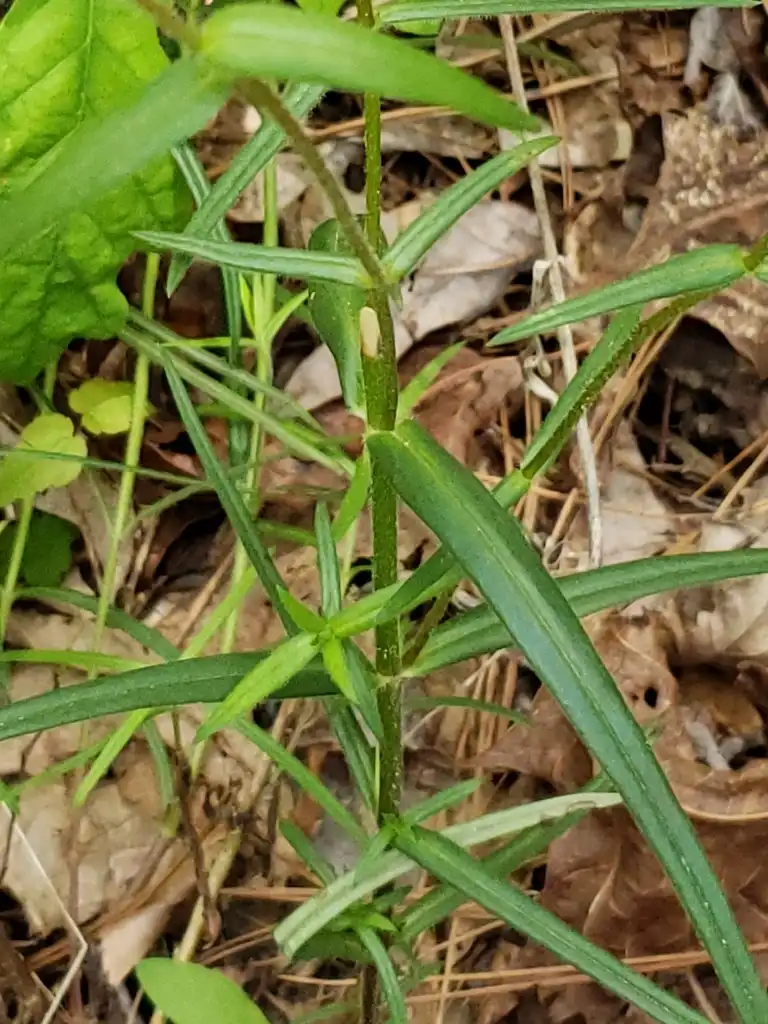
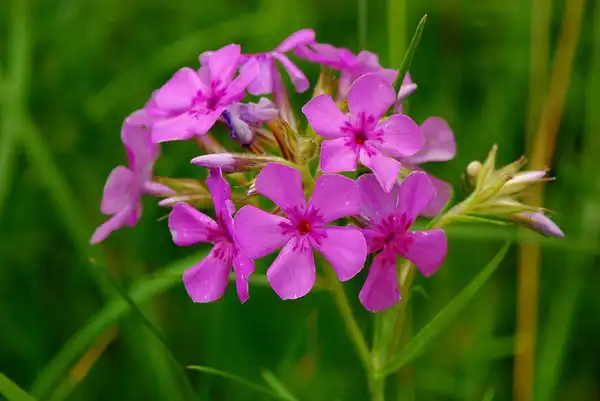
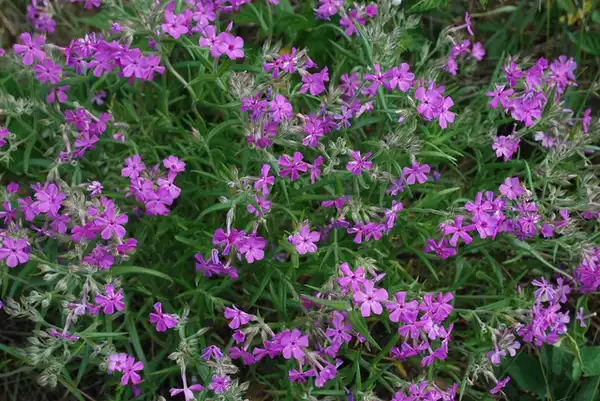
Downy phlox is a perennial herb that blooms for an extended period and is commonly found in rocky or dry open woodlands, valleys, thickets, meadows, prairies, and glades. The term "pilosa," which is part of its scientific name, translates to "hairy," highlighting the soft white hairs present on its stems, leaves, and corolla tubes, which contribute to its common name. The flowers, which range from pale pink to lavender, are not only visually striking but also emit a pleasant fragrance, making them particularly appealing to butterflies. This plant spreads easily through its rhizomes, forming clumps that require moderate maintenance to control its growth in undesired areas.
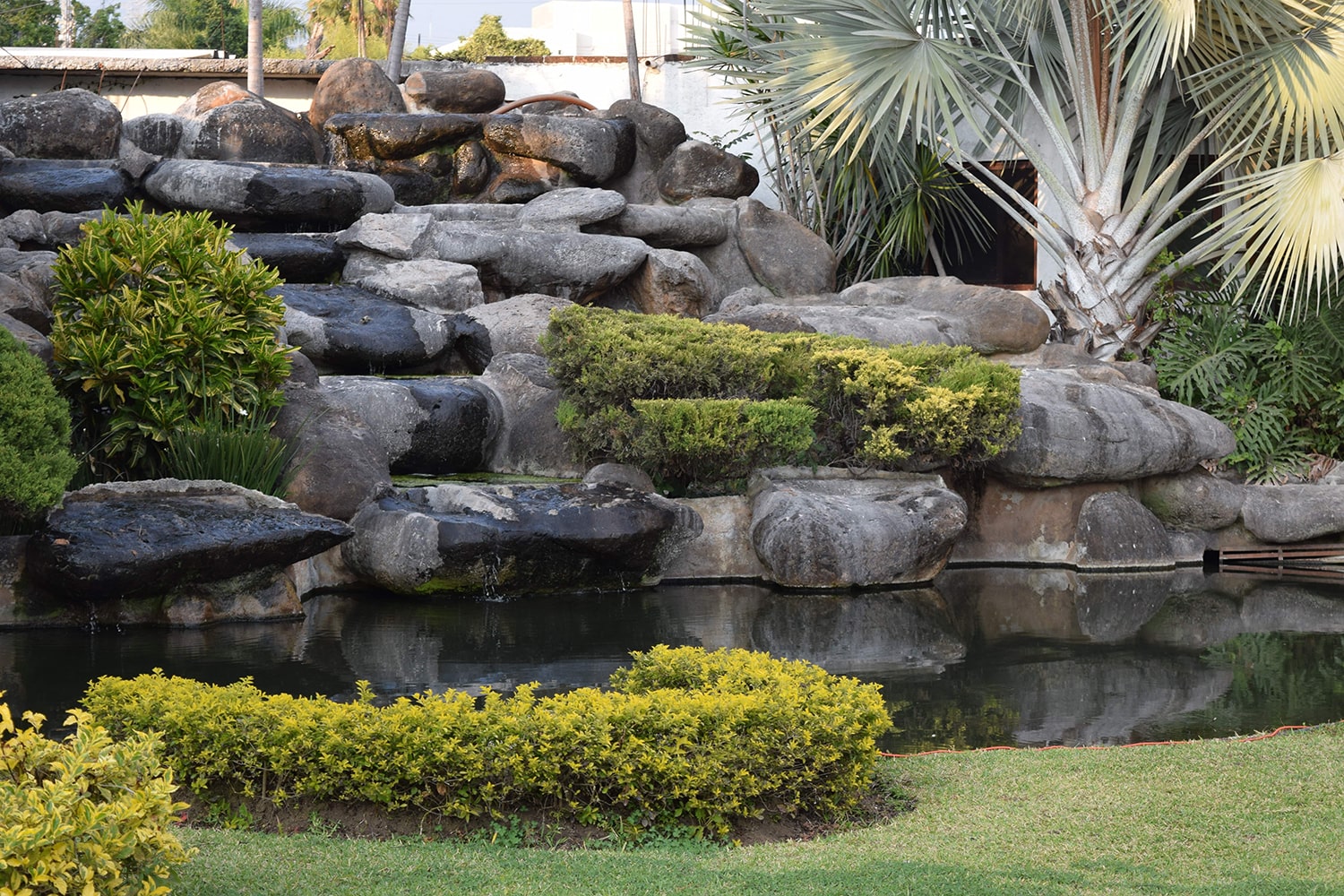
Downy phlox thrives in sunny environments and is well-suited for rock gardens, cottage gardens, wildflower gardens, native plant gardens, and prairie-like settings. While it can tolerate dry soil, applying a summer mulch is advisable to keep the root zone cool. The plant is generally free from significant insect or disease issues, although hot and dry conditions may lead to spider mite infestations. It also shows resistance to powdery mildew.
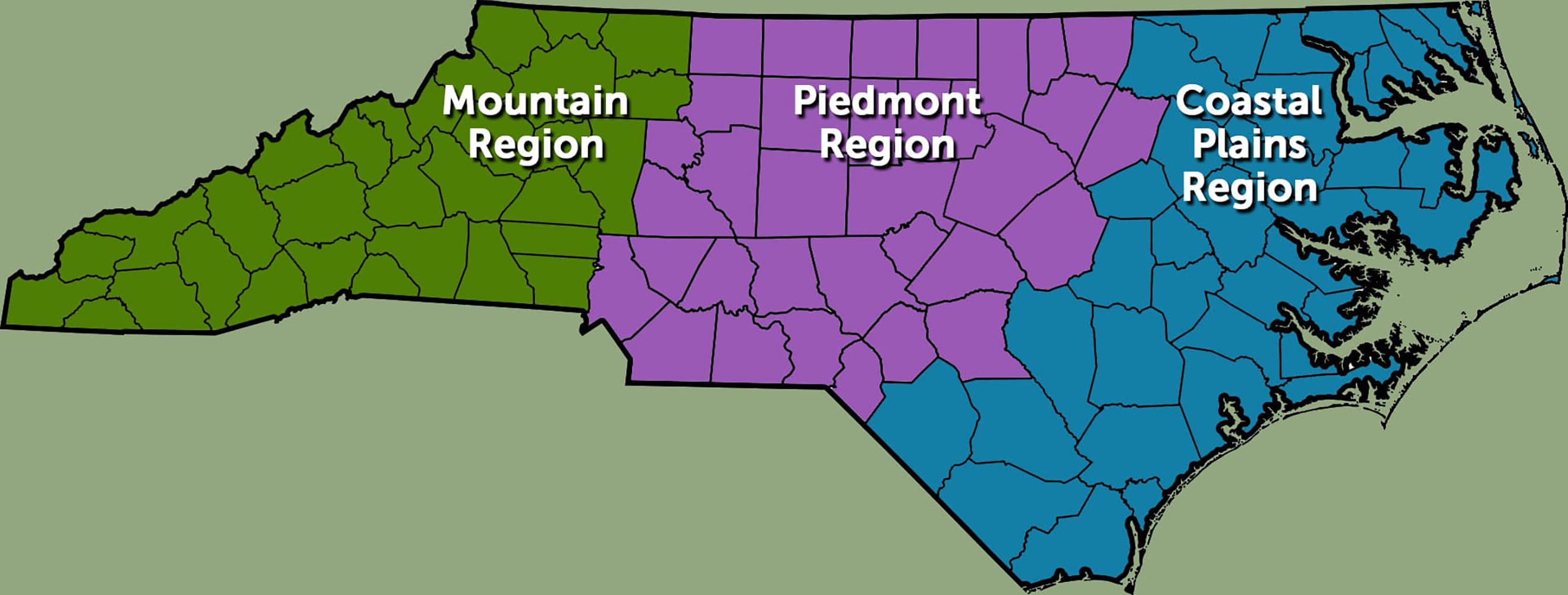
The USDA recognizes nine distinct subspecies of this plant (deamii, detonsa, fulgida, latisepala, ozarkana, pilosa, pulcherima, riparia, and sangamonensis), each inhabiting different areas within its distribution range. Phlox pilosa ssp. pilosa is indigenous to the Piedmont and Coastal Plain regions of North Carolina and is characterized by glandular hairs in its inflorescence, setting it apart from other subspecies.