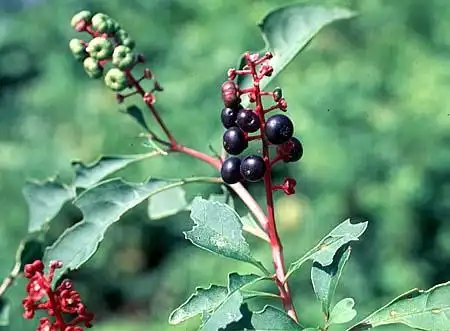
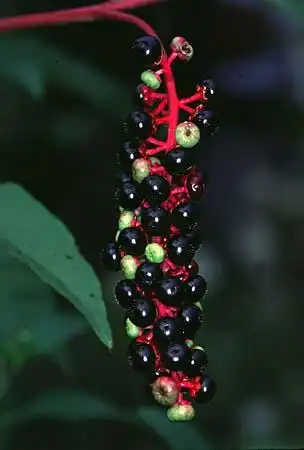
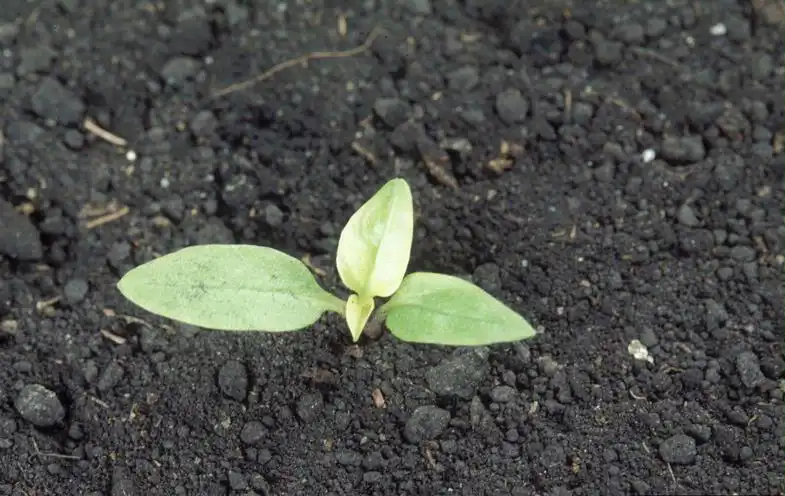
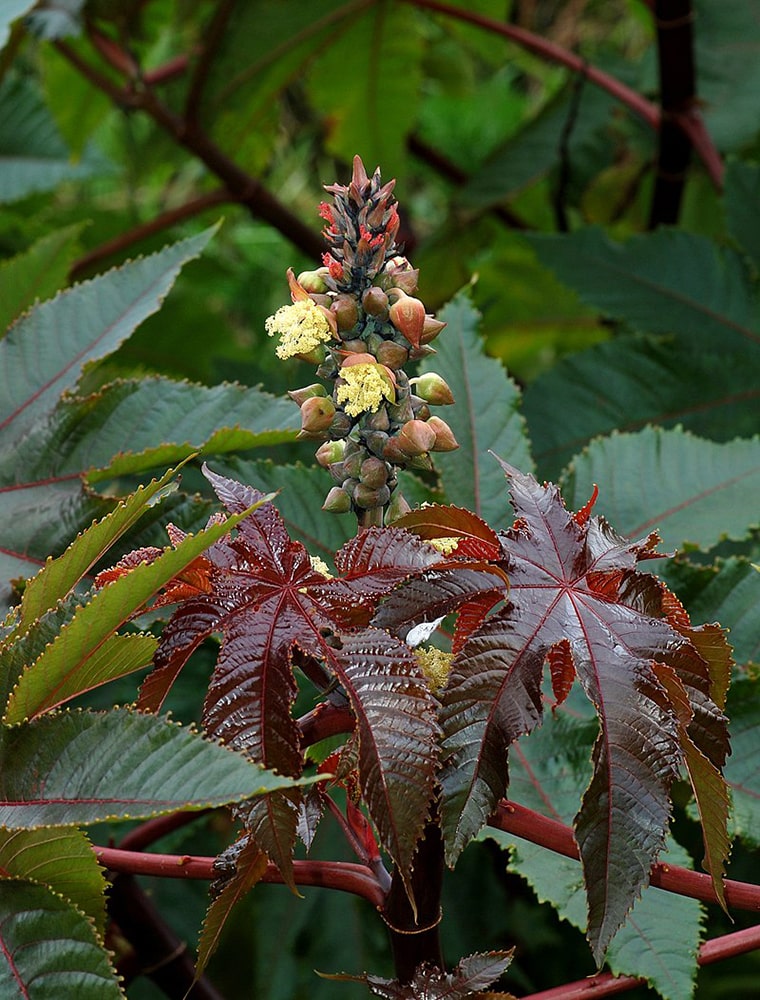
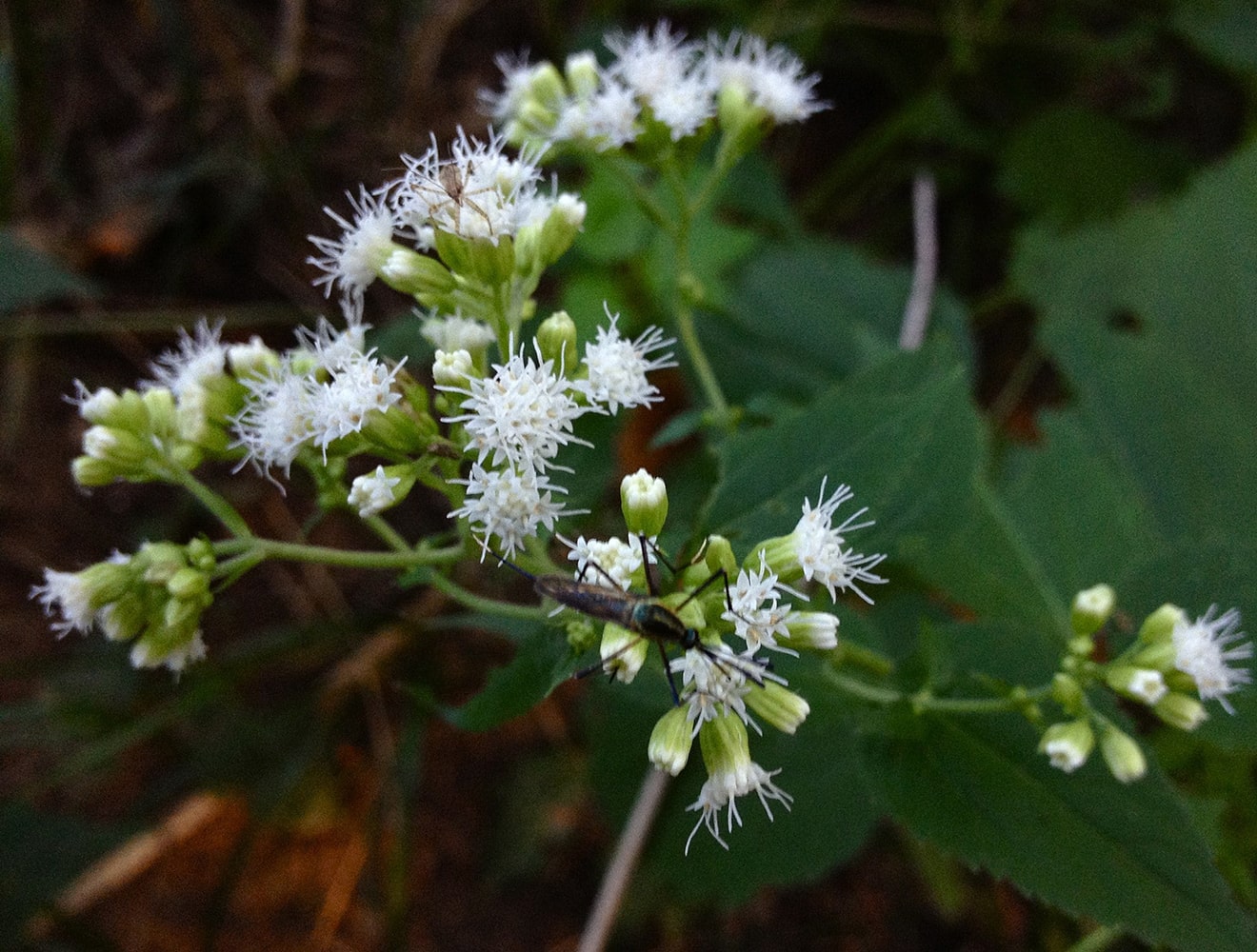
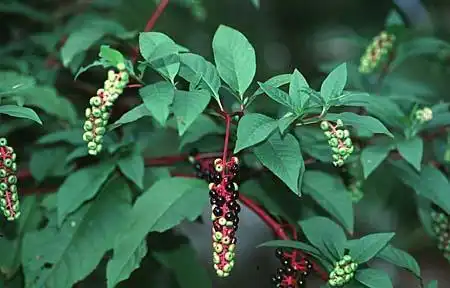
• Photo of Phytolacca americana var. rigida (Phytolacca americana var. rigidas)

Plant Profile: Phytolacca americana var. rigida

Names

American Pokeweed, Inkberry, Pigeonberry, Poke, Pokeberry, Poke Salad, Pokeweed

  • Photo of Phytolacca americana var. rigida (Phytolacca americana var. rigidas)

Phonetic Spelling:fy-toh-LAK-ah a-mer-ih-KAY-nah

Genus:Phytolacca

Species:americana

Family:Phytolaccaceae

This plant is a robust, smooth herb that features a sprawling, perennial root system and can have stems in shades of green, red, or purple. Its leaves are arranged alternately and are simple in structure. The flowers are white and grow on elongated, mostly upright stems. The fruit takes the form of a dark purple berry, consisting of 5 to 12 segments that are fused together in a circular shape, with the stem hanging downwards. This particular variety is distinguished from P. americana by its shorter, upright fruiting stems.

It typically thrives in forests and natural habitats but can also be found in fields, along fence lines, in low-lying areas, clearings, abandoned sites, or along roadsides. In disturbed environments, it may exhibit weedy characteristics.

For further details on Phytolacca americana, please refer to additional resources.

Phytolacca americana var. rigida Feature Summary

Phytolacca americana var. rigida Image Gallery

Tags

#poisonous
#drought tolerant
#edible plant
#weed
#weedy
#NC native
#dye plant
#native garden
#coastal plants
#edible fruits
#black fruits
#purple fruits
#humidity tolerant

Similar Plants

Phytolacca americana var. rigida is often confused with:

Phytolacca americana var. rigida Feature Summary

Attributes
Various parts of the plant are used for dye.
Only along the North Carolina seacoast.
Young tender leaves may be eaten only as thoroughly cooked greens (in two waters). Cooked berries are safe for making pies. CAUTION: Berries, roots and mature plants are poisonous. Thus only new, young growth should be used in cooking and baking. Any red-tinged plant material should be discarded. To avoid collecting any part of the toxic root, do not cut below ground level. HARVEST: Collect only young shoots from areas you know have NOT been treated with pesticides. Collect in early spring. SAFE HANDLING PROCEDURES: Wash young shoots thoroughly with warm water. Do not use dish detergent or any type of sanitizer. These products can leave a residue. Peel and parboil tender young shoots (less than eight inches) in two changes of water several minutes each. Boil in a third water until tender and serve like asparagus. Young stalks less than one foot tall (with leaves removed and before red-tinged) can be cut and rolled in cornmeal and fried like okra. They can also be pickled. Young leaves taken from stalks less than one foot tall can be parboiled in two changes of water for several minutes each and boiled in a third water until tender. To freeze, parboil leaves twice, cook, pat dry and place them in plastic bags.
Perennial
Fruit
Dark purple-black berry composed of 5-12 segments fused in a ring, on an erect stem (stems shorter than those on P. americana). Seeds are shiny, black and lenticular.
Purple/Lavender
Black
Flowers
Racemes, linear clusters with each small flower on a short stem appears spring-fall sometimes year-round. Flowers have 5 petals are whiteish pink with black centers.
Pink
White
Green
Black
Spring
Summer
Fall
4-5 petals/rays
< 1 inch
Leaves
Thin leaves, green on top, lighter below. Tapered at both ends.
Ovate
Lanceolate
> 6 inches
> 6 inches
Stem
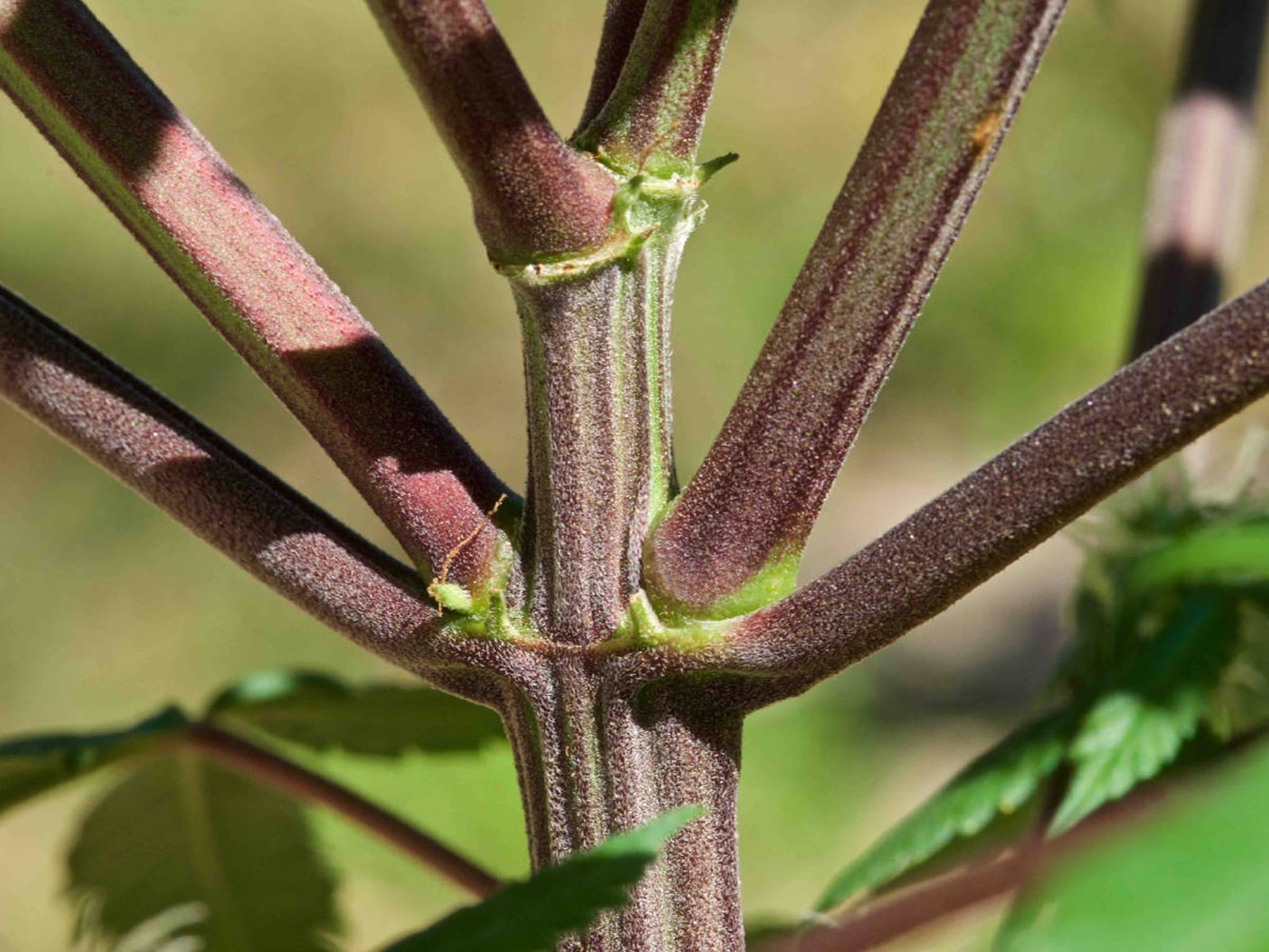
Pinkish-red, smooth and partially hollow stem is rigid to flexible, not strong.
Purple/Lavender
Green
Red/Burgundy
Poisonous to Humans
HIGHLY TOXIC, MAY BE FATAL IF EATEN! Burning of mouth and throat, salivation, severe stomach irritation, vomiting, bloody diarrhea, spasms, and convulsions; can be fatal
Phytolaccatoxin and related triterpene saponins, an alkaloid (phytolaccin), and histamines
Leaves
Stems
Sap/Juice
Fruits
Roots
Whole Plant Traits
Perennial
Herbaceous Perennial
Native Plant
Poisonous
Cultural Conditions
Full sun (6 or more hours of direct sunlight a day)
Partial Shade (Direct sunlight only part of the day, 2-6 hours)
Neutral (6.0-8.0)
Moist
Frequent Standing Water
Coastal
Landscape
Poisonous to Humans
Weedy

Phytolacca americana var. rigida Attributes

Phytolacca americana var. rigida: Uses (Ethnobotany)

Various parts of the plant are used for dye.
Phytolacca americana var. rigida: Country Or Region Of Origin

United States

Phytolacca americana var. rigida: Distribution

Only along the North Carolina seacoast.

Phytolacca americana var. rigida: Edibility

Young tender leaves may be eaten only as thoroughly cooked greens (in two waters). Cooked berries are safe for making pies. CAUTION: Berries, roots and mature plants are poisonous. Thus only new, young growth should be used in cooking and baking. Any red-tinged plant material should be discarded. To avoid collecting any part of the toxic root, do not cut below ground level. HARVEST: Collect only young shoots from areas you know have NOT been treated with pesticides. Collect in early spring. SAFE HANDLING PROCEDURES: Wash young shoots thoroughly with warm water. Do not use dish detergent or any type of sanitizer. These products can leave a residue. Peel and parboil tender young shoots (less than eight inches) in two changes of water several minutes each. Boil in a third water until tender and serve like asparagus. Young stalks less than one foot tall (with leaves removed and before red-tinged) can be cut and rolled in cornmeal and fried like okra. They can also be pickled. Young leaves taken from stalks less than one foot tall can be parboiled in two changes of water for several minutes each and boiled in a third water until tender. To freeze, parboil leaves twice, cook, pat dry and place them in plastic bags.

Phytolacca americana var. rigida: Life Cycle

Annual
Biennial
Bulb
Perennial
Woody

Phytolacca americana var. rigida Fruit

Phytolacca americana var. rigida: Fruit Description

Dark purple-black berry composed of 5-12 segments fused in a ring, on an erect stem (stems shorter than those on P. americana). Seeds are shiny, black and lenticular.

Phytolacca americana var. rigida: Fruit Type

Achene
Aggregate
Berry
Capsule
Caryopsis
Drupe
Follicle
Legume
Nut
Pome
Samara
Schizocarp
Siliqua

Phytolacca americana var. rigida: Fruit Color

grass
Black
grass
Purple/Lavender

Phytolacca americana var. rigida: Fruit Value To Gardener

Edible
Fragrant
Good Cut
Good Dried
Long Bloom Season
Long-lasting
Showy

Phytolacca americana var. rigida Flowers

Phytolacca americana var. rigida: Flower Description

Racemes, linear clusters with each small flower on a short stem appears spring-fall sometimes year-round. Flowers have 5 petals are whiteish pink with black centers.

Phytolacca americana var. rigida: Flower Color

filter_vintage
Black
filter_vintage
Green
filter_vintage
Pink
filter_vintage
White

Phytolacca americana var. rigida: Flower Inflorescence

Catkin
Corymb
Cyme
Head
Insignificant
Panicle
Raceme
Solitary
Spadix
Spike
Umbel

Phytolacca americana var. rigida: Flower Bloom Time

Winter
Spring
Summer
Fall

Phytolacca americana var. rigida: Flower Petals

2-3 rays/petals
4-5 petals/rays
6 petals/rays
7 - 20 petals/rays
asymmetrical petals
Bracts
Colored Sepals
fused petals
more than 20 petals/rays
Tepals

Phytolacca americana var. rigida: Flower Size

1-3 inches
3-6 inches
< 1 inch
> 6 inches

Phytolacca americana var. rigida Leaves

Phytolacca americana var. rigida: Leaf Description

Thin leaves, green on top, lighter below. Tapered at both ends.

Phytolacca americana var. rigida: Woody Plant Leaf Characteristics

Broadleaf Evergreen
Deciduous
Needled Evergreen
Semi-evergreen

Phytolacca americana var. rigida: Leaf Color

spa
Green

Phytolacca americana var. rigida: Leaf Type

Compound (Pinnately , Bipinnately, Palmately)
Fronds
Needles
Sheath
Simple

Phytolacca americana var. rigida: Leaf Arrangement

Alternate
Opposite
Other/more complex
Rosulate
Whorled

Phytolacca americana var. rigida: Leaf Shape

Acicular
Auriculate
Cordate
Cuneate
Deltoid
Elliptical
Filiform
Lanceolate
Linear
Oblanceolate
Oblong
Obovate
Obtuse
Orbicular
Ovate
Palmasect
Palmatifid
Peltate
Pinnatifid
Pinnatisect
Reniform
Rhomboidal
Spatulate
Subcordate
Subulate

Phytolacca americana var. rigida: Hairs Present

No
Yes

Phytolacca americana var. rigida: Leaf Length

< 1 inch
1-3 inches
3-6 inches
> 6 inches

Phytolacca americana var. rigida: Leaf Feel

Fleshy
Glossy
Leathery
Papery
Prickly
Rough
Rubbery
Slippery
Smooth
Soft
Velvety
Waxy

Phytolacca americana var. rigida: Leaf Width

< 1 inch
1-3 inches
3-6 inches
> 6 inches

Phytolacca americana var. rigida Stem

Phytolacca americana var. rigida: Stem Description

Pinkish-red, smooth and partially hollow stem is rigid to flexible, not strong.

Phytolacca americana var. rigida: Stem Color

grass
Green
grass
Purple/Lavender
grass
Red/Burgundy

Phytolacca americana var. rigida: Stem Is Aromatic

No
Yes

Phytolacca americana var. rigida Poisonous to Humans

Phytolacca americana var. rigida: Poison Symptoms

HIGHLY TOXIC, MAY BE FATAL IF EATEN! Burning of mouth and throat, salivation, severe stomach irritation, vomiting, bloody diarrhea, spasms, and convulsions; can be fatal

Phytolacca americana var. rigida: Poison Toxic Principle

Phytolaccatoxin and related triterpene saponins, an alkaloid (phytolaccin), and histamines

Phytolacca americana var. rigida: Poison Severity

High
Low
Medium

Phytolacca americana var. rigida: Causes Contact Dermatitis

No
Yes

Phytolacca americana var. rigida: Poison Part

Bark
Flowers
Fruits
Leaves
Roots
Sap/Juice
Seeds
Stems

Phytolacca americana var. rigida Whole Plant Traits

Phytolacca americana var. rigida: Plant Type

Annual
Bulb
Carnivorous
Edible
Epiphyte
Fern
Ground Cover
Herb
Herbaceous Perennial
Houseplant
Mushroom
Native Plant
Ornamental Grasses and Sedges
Perennial
Poisonous
Rose
Shrub
Succulent
Tree
Turfgrass
Vegetable
Vine
Water Plant
Weed
Wildflower

Phytolacca americana var. rigida: Woody Plant Leaf Characteristics

Broadleaf Evergreen
Deciduous
Needled Evergreen
Semi-evergreen

Phytolacca americana var. rigida: Habit/Form

Arching
Ascending
Broad
Cascading
Climbing
Clumping
Columnar
Conical
Creeping
Dense
Erect
Horizontal
Irregular
Mounding
Multi-stemmed
Multi-trunked
Open
Oval
Prostrate
Pyramidal
Rounded
Spreading
Vase
Weeping

Phytolacca americana var. rigida: Growth Rate

Slow
Medium
Rapid

Phytolacca americana var. rigida: Maintenance

Low
Medium
High

Phytolacca americana var. rigida Cultural Conditions

Phytolacca americana var. rigida: Light

Dappled Sunlight (Shade through upper canopy all day)
Deep shade (Less than 2 hours to no direct sunlight)
Full sun (6 or more hours of direct sunlight a day)
Partial Shade (Direct sunlight only part of the day, 2-6 hours)

Phytolacca americana var. rigida: Soil pH

Acid (<6.0)
Alkaline (>8.0)
Neutral (6.0-8.0)

Phytolacca americana var. rigida: Soil Drainage

Frequent Standing Water
Good Drainage
Moist
Occasional Flooding
Occasionally Dry
Occasionally Wet
Very Dry

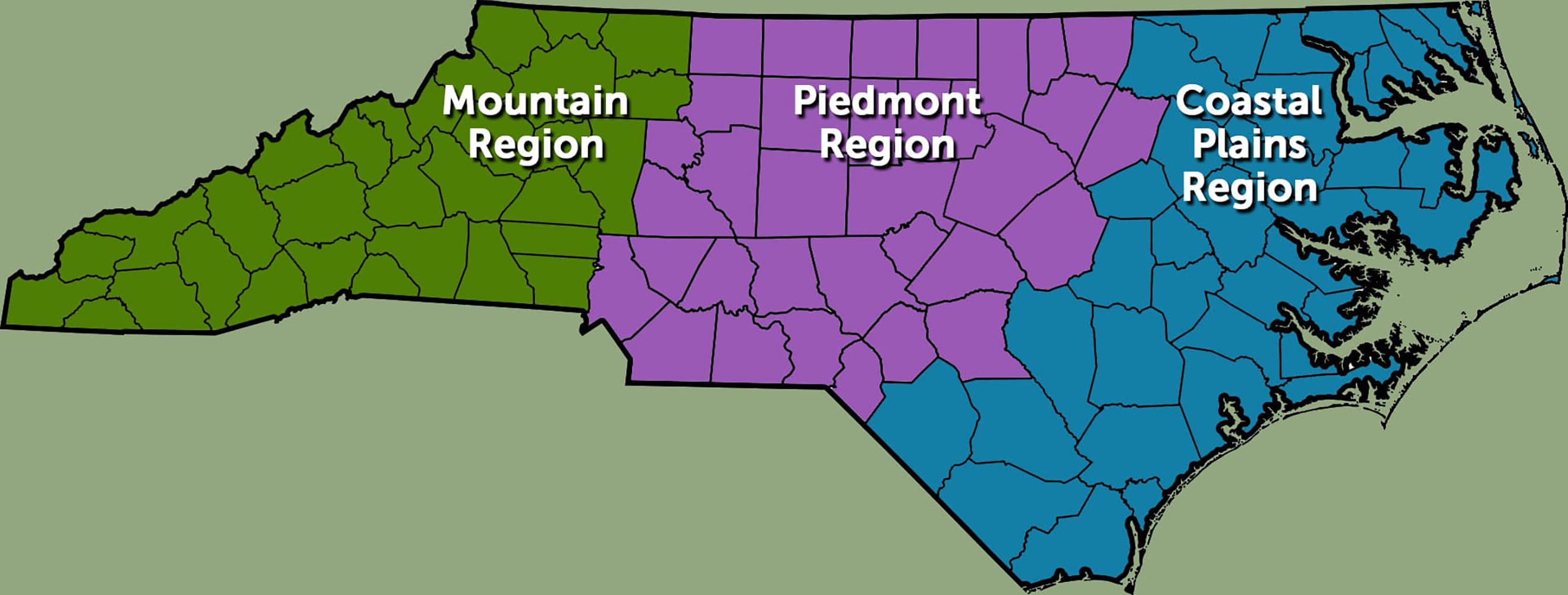
Phytolacca americana var. rigida: NC Region

Coastal
Mountains
Piedmont

Phytolacca americana var. rigida Landscape

Phytolacca americana var. rigida: Resistance To Challenges

Black Walnut
Compaction
Deer
Diseases
Drought
Dry Soil
Erosion
Fire
Foot Traffic
Heat
Heavy Shade
Humidity
Insect Pests
Pollution
Poor Soil
Rabbits
Salt
Slugs
Squirrels
Storm damage
Urban Conditions
Voles
Wet Soil
Wind

Phytolacca americana var. rigida: Landscape Location

Coastal
Container
Hanging Baskets
Houseplants
Lawn
Meadow
Naturalized Area
Near Septic
Patio
Pond
Pool/Hardscape
Recreational Play Area
Riparian
Rock Wall
Slope/Bank
Small Space
Vertical Spaces
Walkways
Woodland

Phytolacca americana var. rigida: Problems

Allelopathic
Contact Dermatitis
Frequent Disease Problems
Frequent Insect Problems
Invasive Species
Malodorous
Messy
Poisonous to Humans
Problem for Cats
Problem for Children
Problem for Dogs
Problem for Horses
Short-lived
Spines/Thorns
Weak Wood
Weedy