Plant Profile: Picea asperata

Names

Chinese spruce, Dragon Spruce

  • Photo of Picea asperata (Picea asperatas)

Phonetic Spelling:PY-see-uh as-per-AH-tuh

Genus:Picea

Species:asperata

Family:Pinaceae

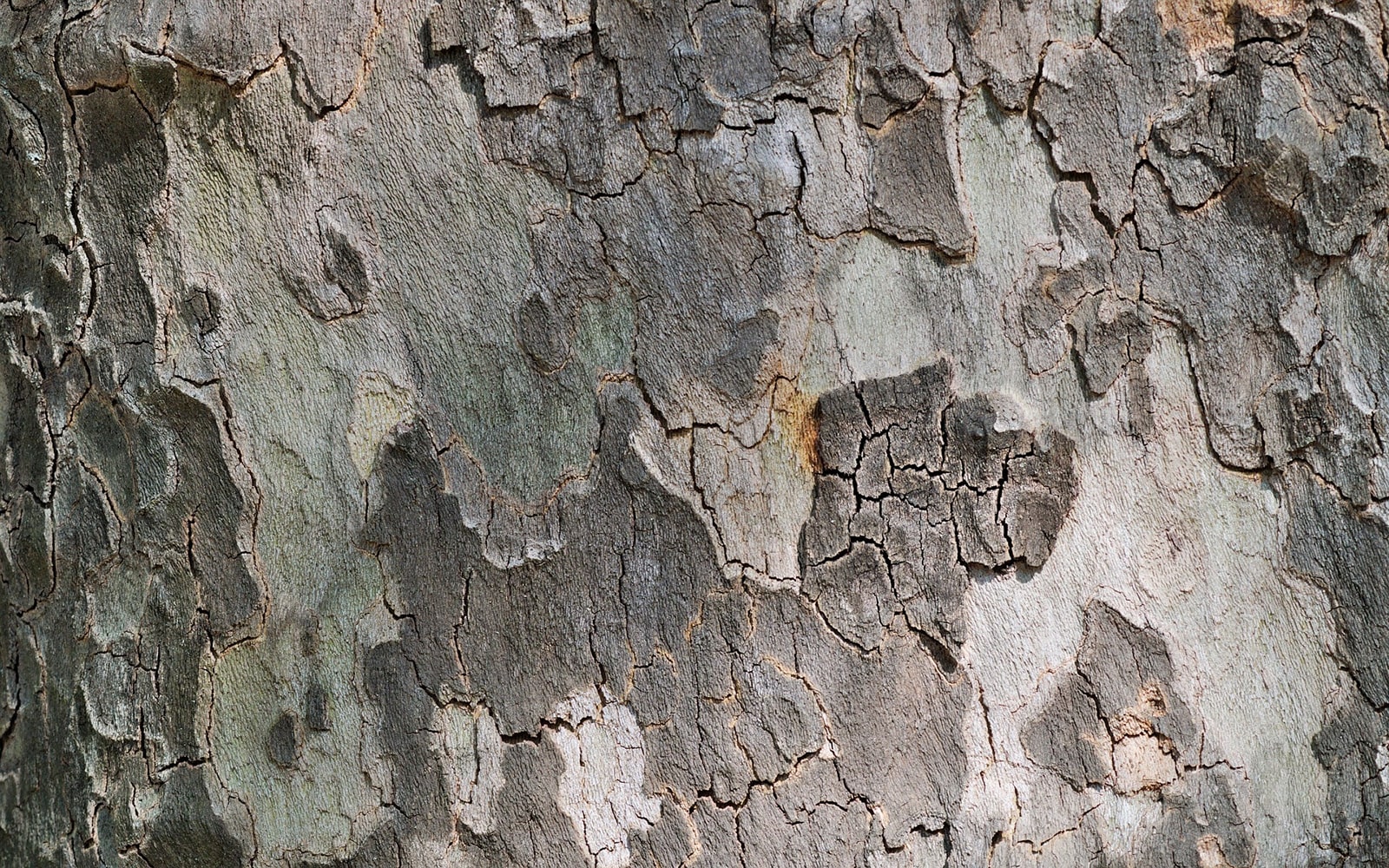
This conifer features a wide, conical crown with branches that extend horizontally. As it matures, its branches tend to droop slightly. The bark is a dark brown that sheds in lighter brown flakes.

The wood is versatile, utilized in construction, aircraft manufacturing, railway ties, furniture making, and for producing wood fiber. The trunk serves as a source of resin, while the roots, branches, and foliage can be processed into aromatic oils. Young male catkins are edible, whether raw or cooked, and can also be used as a flavoring agent. The female cones become edible when cooked; after roasting, their central part is sweet and syrupy. The inner bark can be dried and ground into a powder, which serves as a thickening agent in soups or can be added to cereals. Although small, the seeds are also consumable in their raw form, and the tips of young shoots can be brewed into a refreshing tea.

This species typically thrives in higher elevation forests, where it forms extensive groves. Pollination occurs through the wind.

Picea asperata Feature Summary

Picea asperata Image Gallery

Tags

#evergreen
#conifer
#frost tolerant
#acidic soil tolerant
#edible garden
#poor soils tolerant

Similar Plants

Picea asperata Feature Summary

Attributes
The flowers, inner bark, and seed can be eaten. Also used in teas.
Flowers
Light brown to chestnut brown cones
Brown/Copper
3-6 inches
Leaves
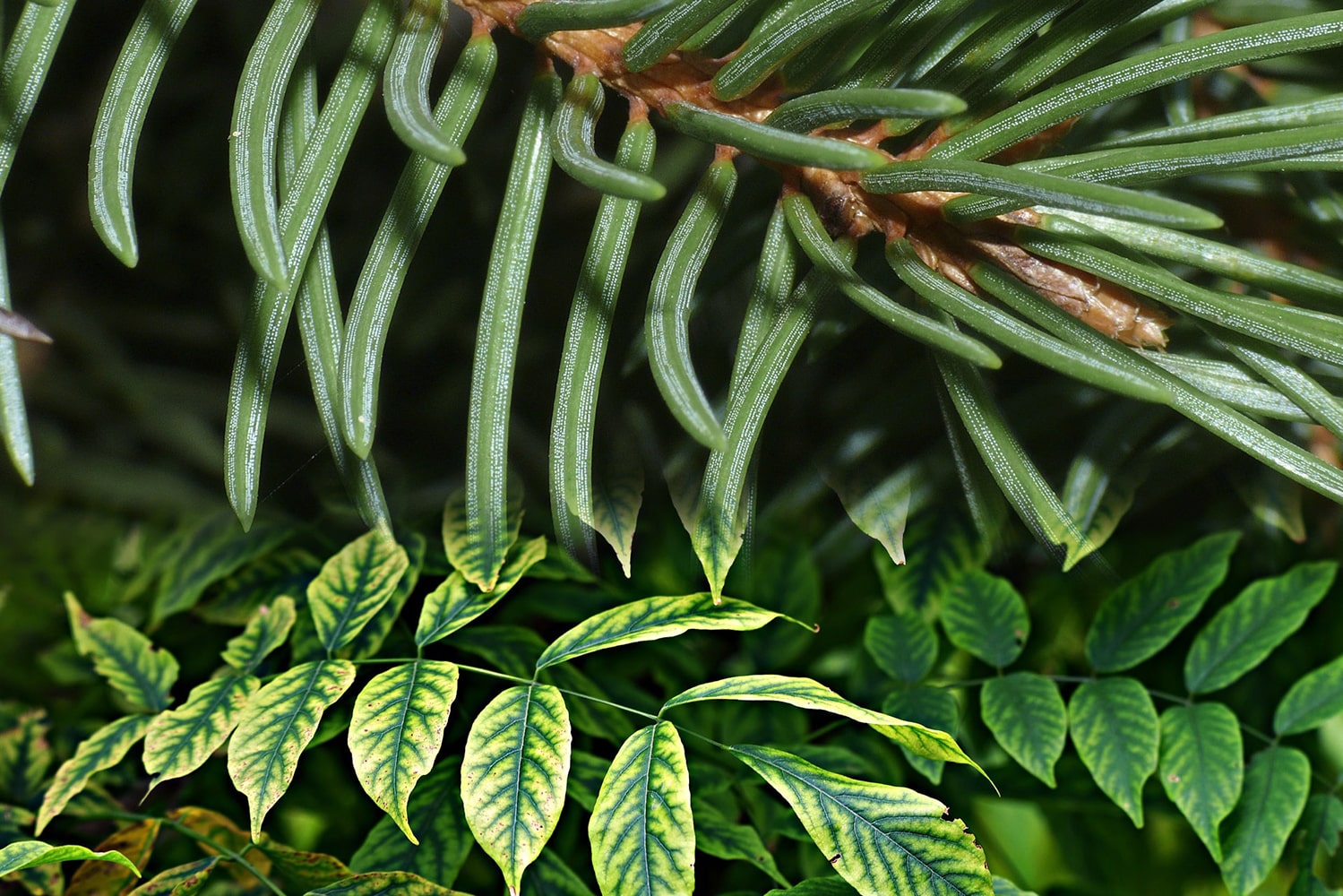
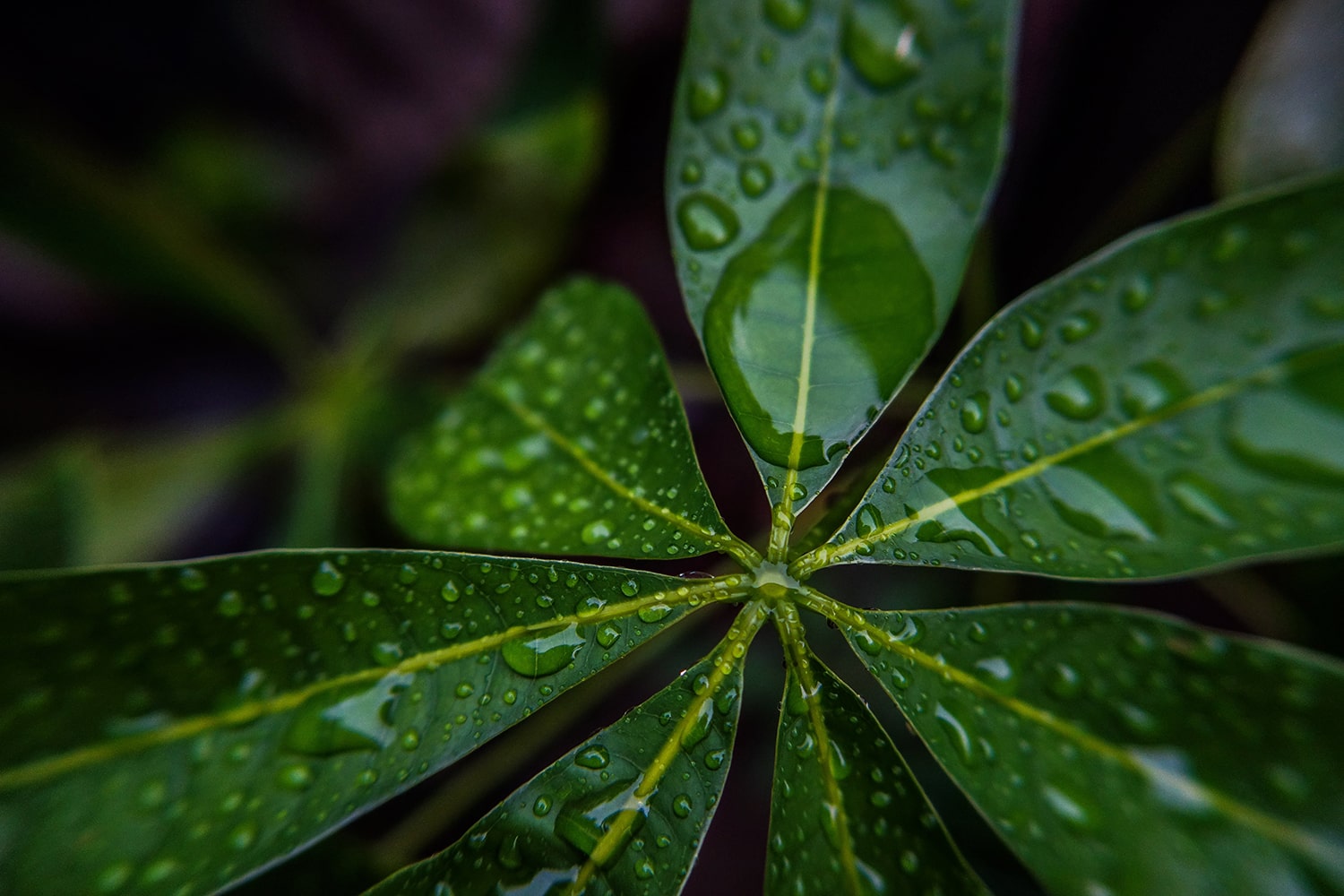
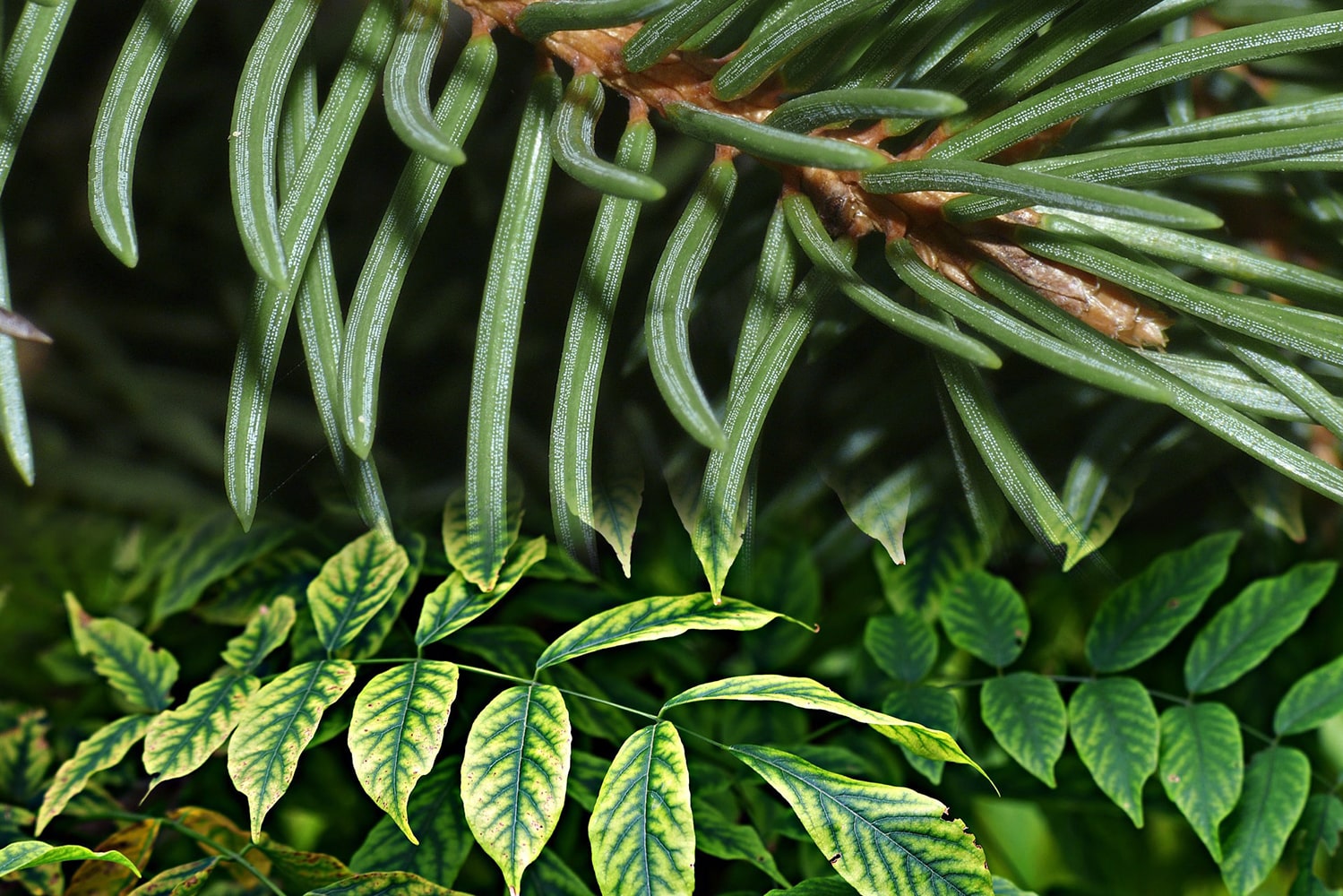
4-sided bluish needles that are more dense on the upper surface, stiff and prickly.
< 1 inch
Prickly
Bark
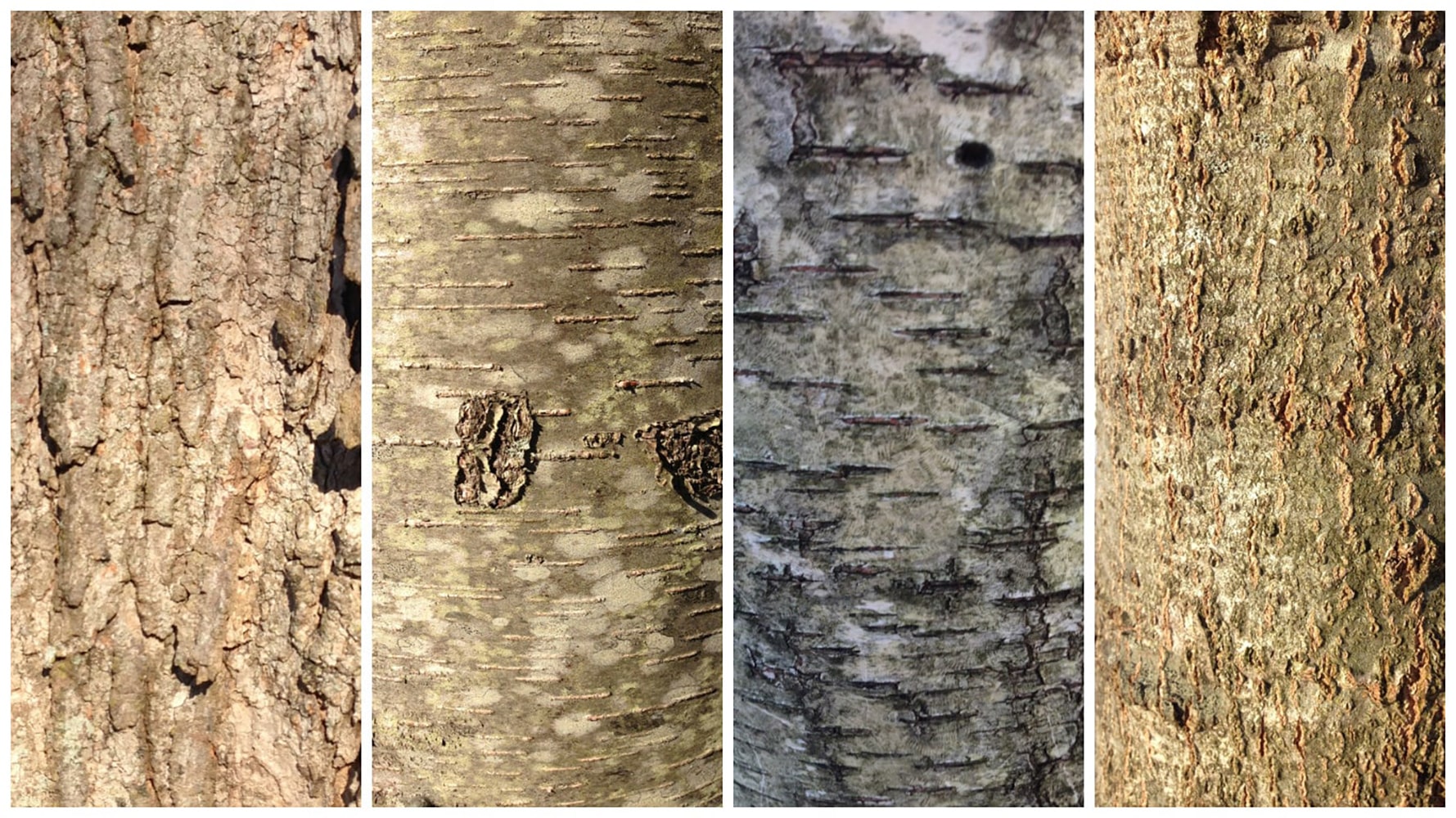
Furrowed into irregular, rough, scaly plates.
Dark Gray
Dark Brown
Stem
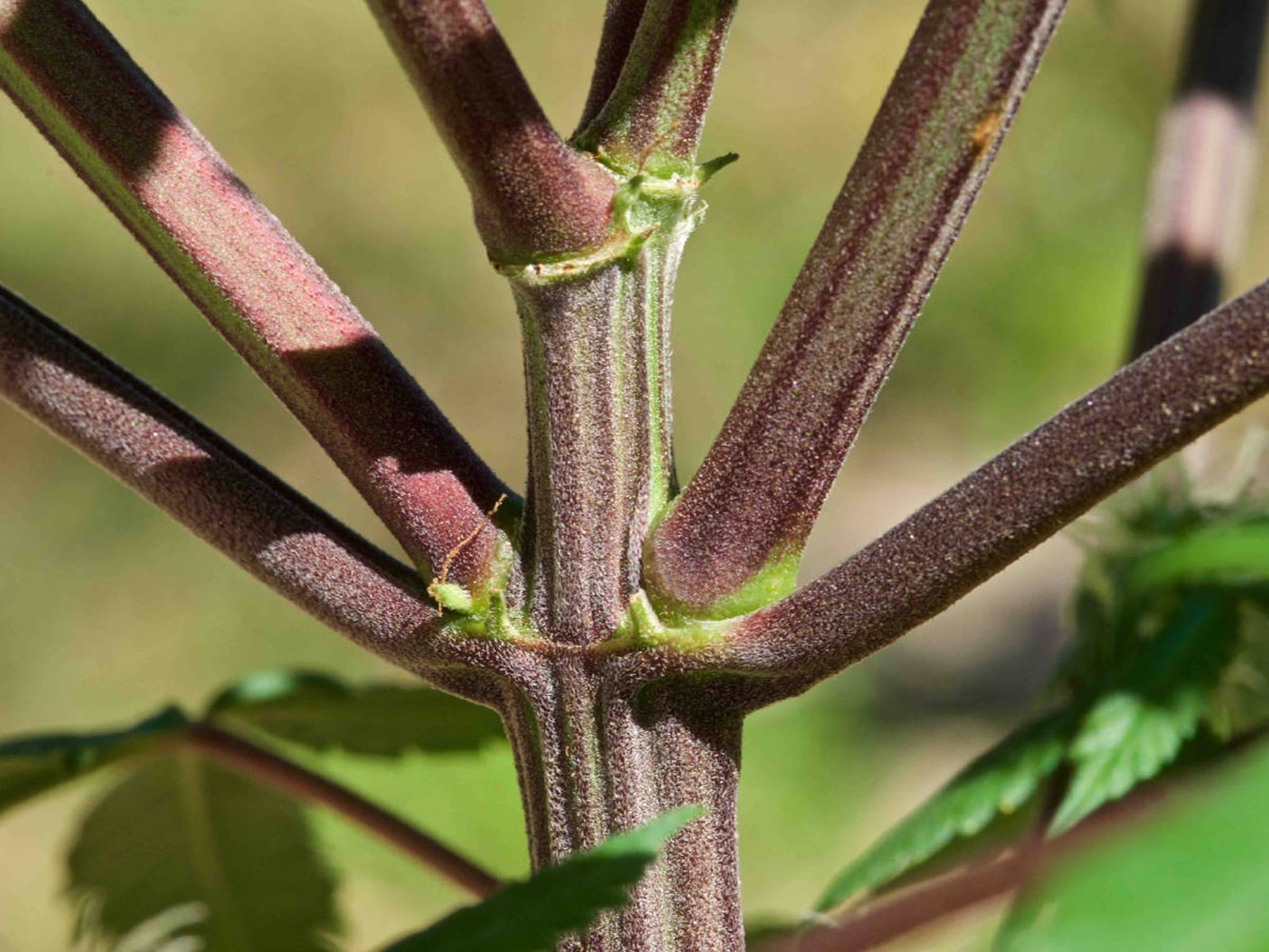
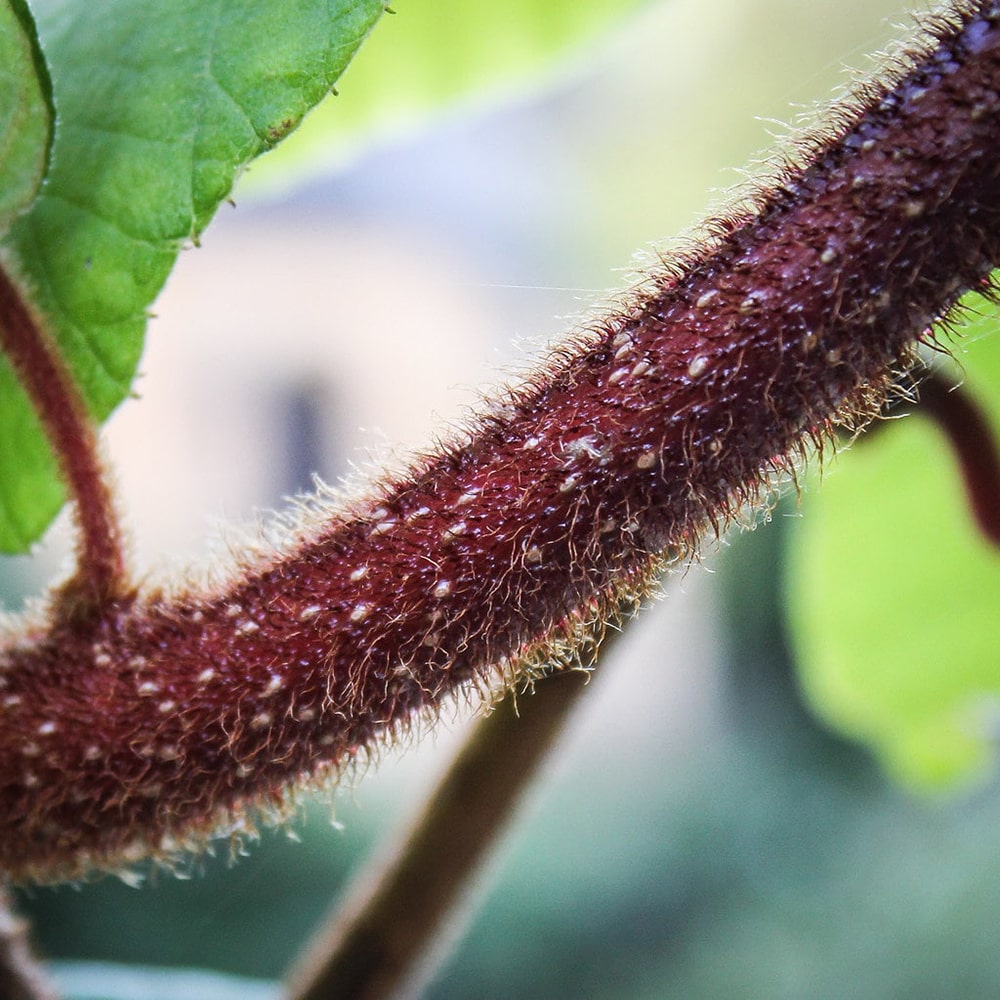
Brownish-yellow or reddish-brown when young. Turn brown or brownish-gray in its 2nd to 3rd year.
Brown/Copper
Red/Burgundy
Gray/Silver
Gold/Yellow
Whole Plant Traits
Cultural Conditions
Full sun (6 or more hours of direct sunlight a day)
Good Drainage
Occasionally Wet
Mountains
Piedmont
Clay
Loam (Silt)
Sand

Picea asperata Attributes

Picea asperata: Country Or Region Of Origin

Western China

Picea asperata: Edibility

The flowers, inner bark, and seed can be eaten. Also used in teas.

Picea asperata: Recommended Propagation Strategy

Division
Grafting
Layering
Leaf Cutting
Root Cutting
Seed
Stem Cutting

Picea asperata Flowers

Picea asperata: Flower Description

Light brown to chestnut brown cones

Picea asperata: Flower Color

filter_vintage
Brown/Copper

Picea asperata: Flower Value To Gardener

Edible
Fragrant
Good Cut
Good Dried
Long Bloom Season
Long-lasting
Showy

Picea asperata: Flower Bloom Time

Winter
Spring
Summer
Fall

Picea asperata: Flower Size

1-3 inches
3-6 inches
< 1 inch
> 6 inches

Picea asperata Leaves

Picea asperata: Leaf Description

4-sided bluish needles that are more dense on the upper surface, stiff and prickly.

Picea asperata: Woody Plant Leaf Characteristics

Broadleaf Evergreen
Deciduous
Needled Evergreen
Semi-evergreen

Picea asperata: Leaf Color

spa
Blue

Picea asperata: Hairs Present

No
Yes

Picea asperata: Leaf Length

< 1 inch
1-3 inches
3-6 inches
> 6 inches

Picea asperata: Leaf Feel

Fleshy
Glossy
Leathery
Papery
Prickly
Rough
Rubbery
Slippery
Smooth
Soft
Velvety
Waxy

Picea asperata Bark

Picea asperata: Bark Description

Furrowed into irregular, rough, scaly plates.

Picea asperata: Bark Color

grass
Dark Brown
grass
Dark Gray

Picea asperata Stem

Picea asperata: Stem Description

Brownish-yellow or reddish-brown when young. Turn brown or brownish-gray in its 2nd to 3rd year.

Picea asperata: Stem Color

grass
Brown/Copper
grass
Gold/Yellow
grass
Gray/Silver
grass
Red/Burgundy

Picea asperata: Stem Is Aromatic

No
Yes

Picea asperata Whole Plant Traits

Picea asperata: Plant Type

Annual
Bulb
Carnivorous
Edible
Epiphyte
Fern
Ground Cover
Herb
Herbaceous Perennial
Houseplant
Mushroom
Native Plant
Ornamental Grasses and Sedges
Perennial
Poisonous
Rose
Shrub
Succulent
Tree
Turfgrass
Vegetable
Vine
Water Plant
Weed
Wildflower

Picea asperata: Woody Plant Leaf Characteristics

Broadleaf Evergreen
Deciduous
Needled Evergreen
Semi-evergreen

Picea asperata: Habit/Form

Arching
Ascending
Broad
Cascading
Climbing
Clumping
Columnar
Conical
Creeping
Dense
Erect
Horizontal
Irregular
Mounding
Multi-stemmed
Multi-trunked
Open
Oval
Prostrate
Pyramidal
Rounded
Spreading
Vase
Weeping

Picea asperata: Growth Rate

Slow
Medium
Rapid

Picea asperata: Texture

Fine
Medium
Coarse

Picea asperata Cultural Conditions

Picea asperata: Light

Dappled Sunlight (Shade through upper canopy all day)
Deep shade (Less than 2 hours to no direct sunlight)
Full sun (6 or more hours of direct sunlight a day)
Partial Shade (Direct sunlight only part of the day, 2-6 hours)

Picea asperata: Soil Drainage

Frequent Standing Water
Good Drainage
Moist
Occasional Flooding
Occasionally Dry
Occasionally Wet
Very Dry

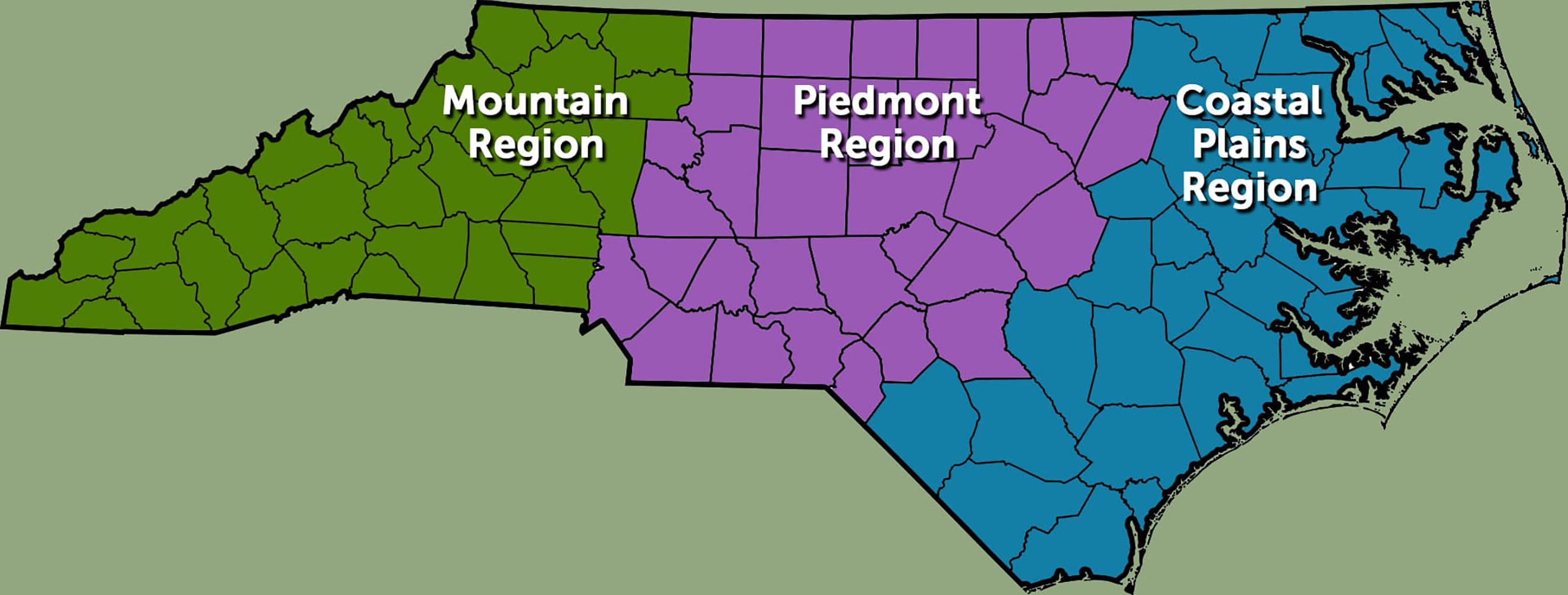
Picea asperata: NC Region

Coastal
Mountains
Piedmont

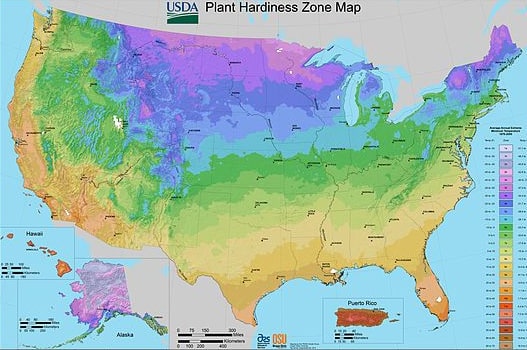
Picea asperata: USDA Plant Hardiness Zone

thermostat
6a
thermostat
6b
thermostat
7a
thermostat
7b

Picea asperata: Soil Texture

Clay
High Organic Matter
Loam (Silt)
Sand
Shallow Rocky