Picea glauca: Uses (Ethnobotany)
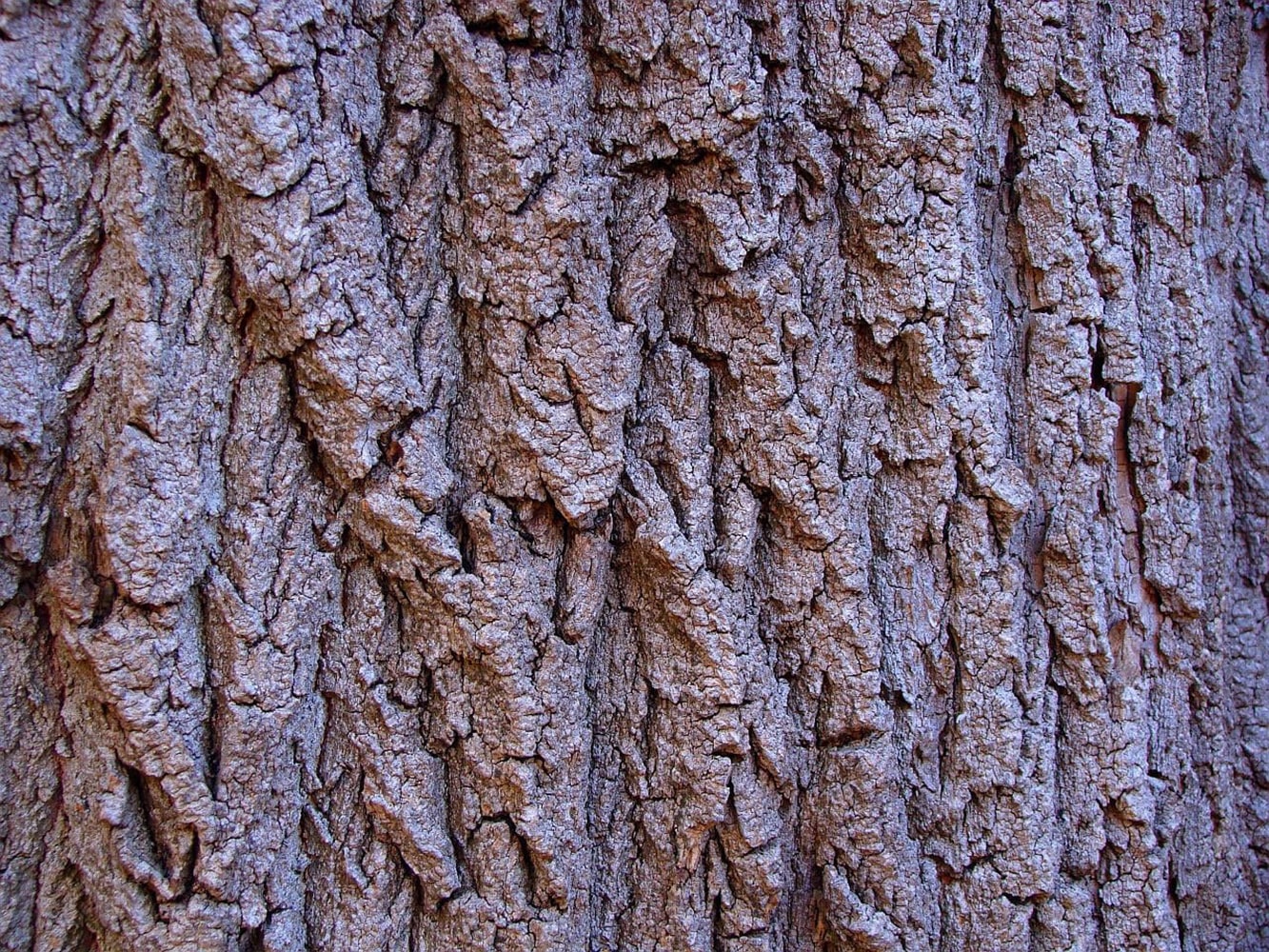
This wood is used to build house logs, musical instruments, and paddles. In addition, it is often used in construction as pulpwood and lumber.

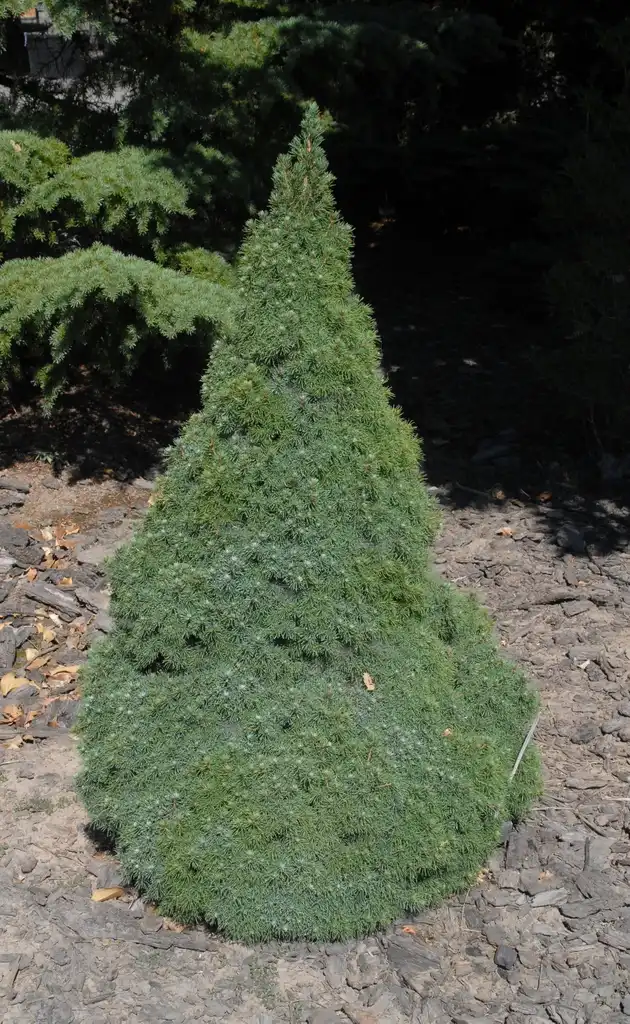
Phonetic Spelling:PY-see-uh GL-ow-kah
Genus:Picea
Species:laxa
Family:Pinaceae
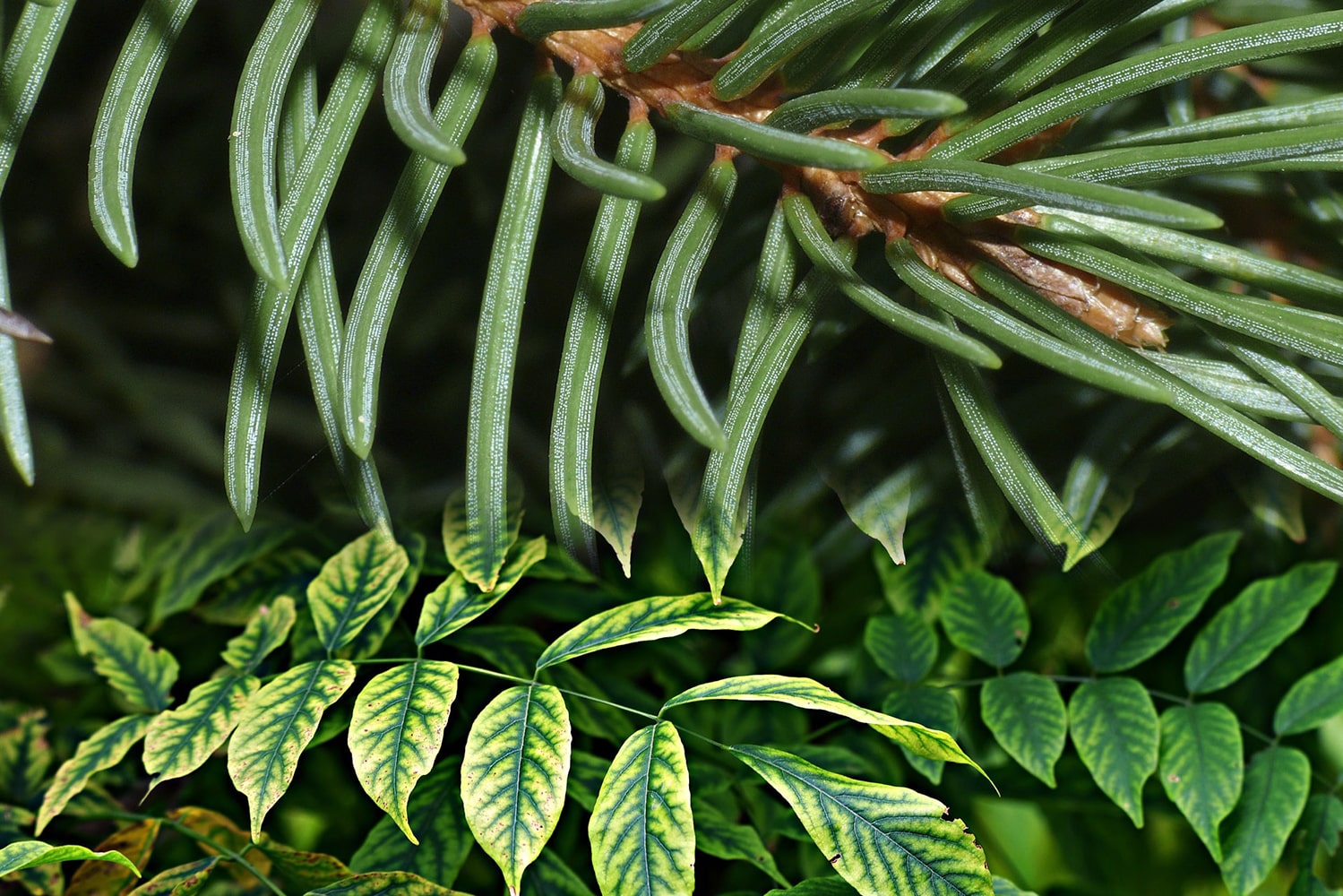
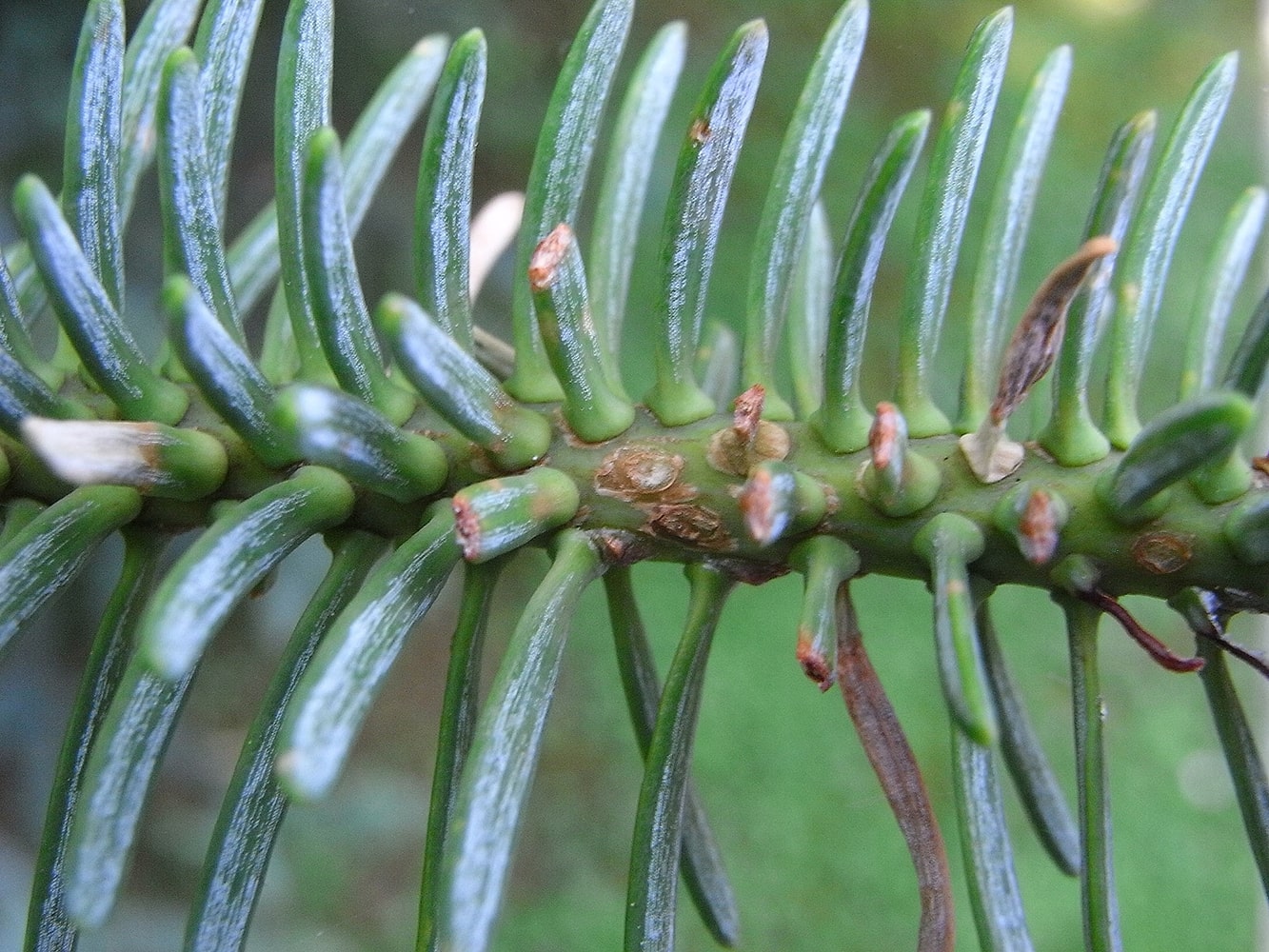
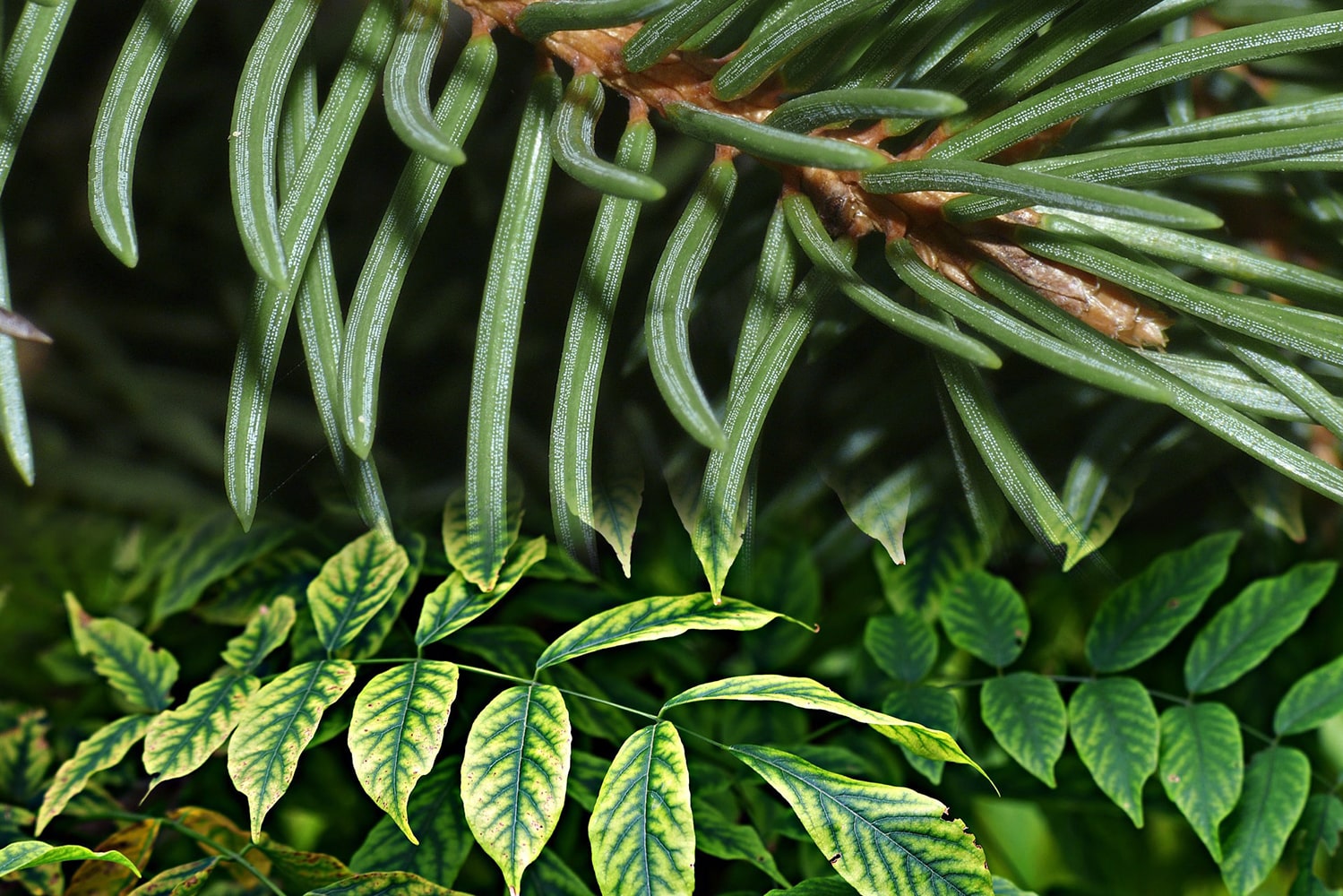
This evergreen conifer initially exhibits a broad, dense pyramidal shape in its youth, gradually maturing into a narrow, compact, and symmetrical form with upward-reaching branches. It thrives in cooler climates and is sensitive to hot, humid summers. Adequate air circulation is crucial to prevent excess moisture from accumulating in its thick foliage. When crushed, its needles emit a distinctive odor reminiscent of skunk or cat urine.
The seed cones of this tree are slender, pendulous, and cylindrical in shape, featuring thin, flexible scales with smooth, rounded edges. They begin as green or reddish and transition to brown within four to eight months following pollination.
With its short, soft needles, pyramidal silhouette, and sturdy branches, this conifer is an ideal choice for a Christmas tree.
In terms of pests and diseases, this species generally faces minimal threats. However, it can occasionally be affected by needle and stem rust, canker, and trunk or root rot. Potential insect pests include the yellow-headed spruce sawfly, spruce budworm, and eastern spruce beetle. Additionally, multiple mite infestations, which are common, can severely damage the tree. While it does not thrive in areas with high pollution or salt spray, it is one of the most resilient spruces, capable of withstanding wind, heat, cold, drought, and overcrowding.