Plant Profile: Plectranthus parviflorus

Taxonomy: Plectranthus parviflorus

Names

Cockspur Flower, Creeping Charlie, Little Spurflower, Spurflower, Swedish Ivy, White Edged Swedish Ivy

  • Photo of Plectranthus parviflorus (Plectranthus parvifloruss)

Phonetic Spelling:plek-TRAN-thus par-vi-FLOR-us

Genus:Plectranthus

Species:parviflorus

Family:Lamiaceae

Plectranthus belongs to the Lamiaceae family, commonly referred to as the mint family. This plant, known as little spurflower or cockspur flower, specifically Plectranthus parviflorus, is a perennial species that can reach heights of 2 to 3 feet. It is found in regions such as Hawaii, Polynesia, and Australia. Characterized by its square stems and a decumbent growth habit, this plant is often favored for use in hanging baskets. It thrives in dry conditions and can endure periods of drought. Additionally, it is frequently used as ground cover due to its ability to root easily.

Another variety, Plectranthus oertandahlii, features leaves with distinct whitish veins and reddish-purple edges on both sides. Meanwhile, Plectranthus coleoides boasts the largest leaves among the group, which are green with broad white margins. This species prefers a warm environment, with a minimum temperature of 50 degrees Fahrenheit. It thrives in semi-shade to bright light but should be protected from direct sunlight. While it enjoys moist compost, watering should be reduced during the winter months, and occasional misting of the leaves is beneficial.

**Quick Identification Tips:**

Plectranthus parviflorus Feature Summary

Plectranthus parviflorus Image Gallery

Tags

#purple
#perennial
#purple flowers
#nuts
#herb garden
#small flowers
#fantz
#non-toxic for horses
#non-toxic for dogs
#non-toxic for cats

Similar Plants

Plectranthus parviflorus is often confused with:

Plectranthus parviflorus Feature Summary

Fruit
Fruits are groups of 4 nutlets within persistent calyx.
Flowers
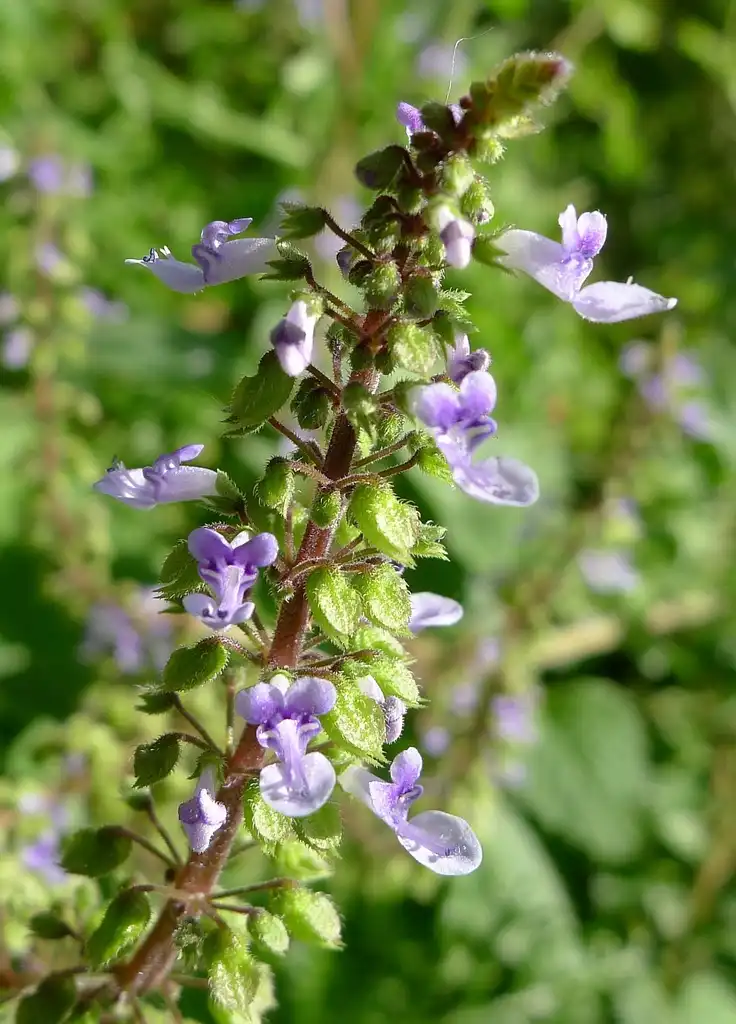
Flowers are small, zygomorphic, and pale purple. Calyx is campanulare and 5-toothed. Corolla is 3 times longer than the calyx, and 2-lipped (upper lip is 3-4 lobed while the lower lip is concave). Inflorescence is a verticillate raceme to 8' long with short internodes. Flowers are crowded.
Purple/Lavender
Spring
Summer
Fall
Winter
Leaves
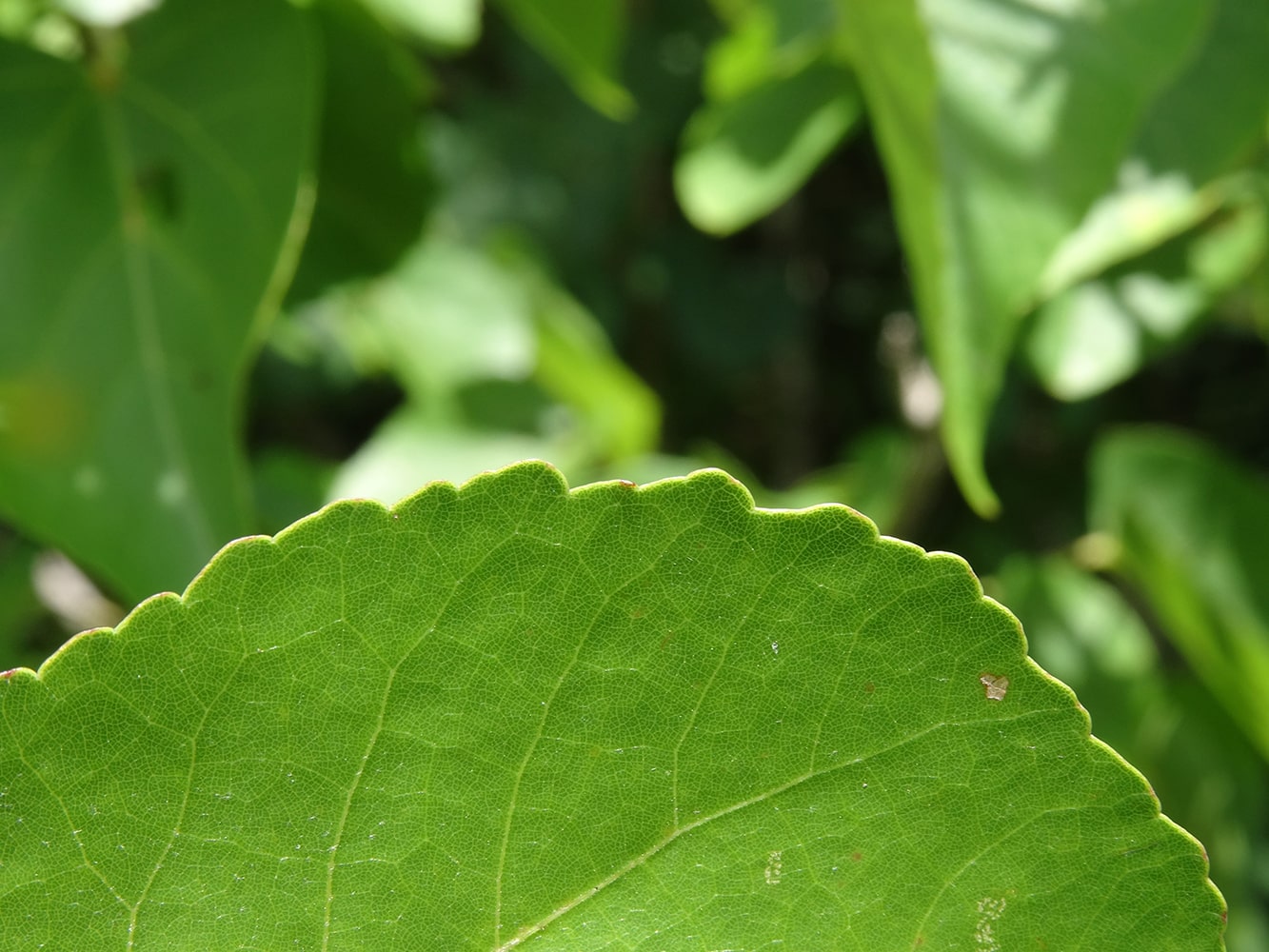
Leaves are opposite, fleshy, broadly ovate, obtusely crenate, rugose, and green.
Ovate
Obtuse
Whole Plant Traits
Ground Cover
Spreading
Cultural Conditions
Partial Shade (Direct sunlight only part of the day, 2-6 hours)
Good Drainage
Moist
Clay
High Organic Matter
Sand
Shallow Rocky
Landscape
Container
Hanging Baskets

Plectranthus parviflorus Attributes

Plectranthus parviflorus: Country Or Region Of Origin

Lesser Sunda Islands to Pacific
Plectranthus parviflorus: Particularly Resistant To (Insects/Diseases/Other Problems)

Drought, wind and heat tolerant

Plectranthus parviflorus: Life Cycle

Annual
Biennial
Bulb
Perennial
Woody

Plectranthus parviflorus: Recommended Propagation Strategy

Division
Grafting
Layering
Leaf Cutting
Root Cutting
Seed
Stem Cutting

Plectranthus parviflorus Fruit

Plectranthus parviflorus: Fruit Description

Fruits are groups of 4 nutlets within persistent calyx.

Plectranthus parviflorus: Fruit Type

Achene
Aggregate
Berry
Capsule
Caryopsis
Drupe
Follicle
Legume
Nut
Pome
Samara
Schizocarp
Siliqua

Plectranthus parviflorus Flowers

Plectranthus parviflorus: Flower Description

Flowers are small, zygomorphic, and pale purple. Calyx is campanulare and 5-toothed. Corolla is 3 times longer than the calyx, and 2-lipped (upper lip is 3-4 lobed while the lower lip is concave). Inflorescence is a verticillate raceme to 8' long with short internodes. Flowers are crowded.

Plectranthus parviflorus: Flower Color

filter_vintage
Purple/Lavender

Plectranthus parviflorus: Flower Inflorescence

Catkin
Corymb
Cyme
Head
Insignificant
Panicle
Raceme
Solitary
Spadix
Spike
Umbel

Plectranthus parviflorus: Flower Bloom Time

Winter
Spring
Summer
Fall

Plectranthus parviflorus Leaves

Plectranthus parviflorus: Leaf Description

Leaves are opposite, fleshy, broadly ovate, obtusely crenate, rugose, and green.

Plectranthus parviflorus: Leaf Color

spa
Green

Plectranthus parviflorus: Leaf Arrangement

Alternate
Opposite
Other/more complex
Rosulate
Whorled

Plectranthus parviflorus: Leaf Shape

Acicular
Auriculate
Cordate
Cuneate
Deltoid
Elliptical
Filiform
Lanceolate
Linear
Oblanceolate
Oblong
Obovate
Obtuse
Orbicular
Ovate
Palmasect
Palmatifid
Peltate
Pinnatifid
Pinnatisect
Reniform
Rhomboidal
Spatulate
Subcordate
Subulate

Plectranthus parviflorus: Leaf Margin

Crenate
Crenulate
Dentate
Denticulate
Doubly Crenate
Doubly Dentate
Doubly Serrate
Entire
Lobed
Serrate
Sinuate
Undulate

Plectranthus parviflorus: Hairs Present

No
Yes

Plectranthus parviflorus Whole Plant Traits

Plectranthus parviflorus: Plant Type

Annual
Bulb
Carnivorous
Edible
Epiphyte
Fern
Ground Cover
Herb
Herbaceous Perennial
Houseplant
Mushroom
Native Plant
Ornamental Grasses and Sedges
Perennial
Poisonous
Rose
Shrub
Succulent
Tree
Turfgrass
Vegetable
Vine
Water Plant
Weed
Wildflower

Plectranthus parviflorus: Habit/Form

Arching
Ascending
Broad
Cascading
Climbing
Clumping
Columnar
Conical
Creeping
Dense
Erect
Horizontal
Irregular
Mounding
Multi-stemmed
Multi-trunked
Open
Oval
Prostrate
Pyramidal
Rounded
Spreading
Vase
Weeping

Plectranthus parviflorus: Texture

Fine
Medium
Coarse

Plectranthus parviflorus Cultural Conditions

Plectranthus parviflorus: Light

Dappled Sunlight (Shade through upper canopy all day)
Deep shade (Less than 2 hours to no direct sunlight)
Full sun (6 or more hours of direct sunlight a day)
Partial Shade (Direct sunlight only part of the day, 2-6 hours)

Plectranthus parviflorus: Soil Drainage

Frequent Standing Water
Good Drainage
Moist
Occasional Flooding
Occasionally Dry
Occasionally Wet
Very Dry

Plectranthus parviflorus: Soil Texture

Clay
High Organic Matter
Loam (Silt)
Sand
Shallow Rocky

Plectranthus parviflorus Stem

Plectranthus parviflorus: Stem Is Aromatic

No
Yes

Plectranthus parviflorus Landscape

Plectranthus parviflorus: Resistance To Challenges

Black Walnut
Compaction
Deer
Diseases
Drought
Dry Soil
Erosion
Fire
Foot Traffic
Heat
Heavy Shade
Humidity
Insect Pests
Pollution
Poor Soil
Rabbits
Salt
Slugs
Squirrels
Storm damage
Urban Conditions
Voles
Wet Soil
Wind

Plectranthus parviflorus: Landscape Location

Coastal
Container
Hanging Baskets
Houseplants
Lawn
Meadow
Naturalized Area
Near Septic
Patio
Pond
Pool/Hardscape
Recreational Play Area
Riparian
Rock Wall
Slope/Bank
Small Space
Vertical Spaces
Walkways
Woodland