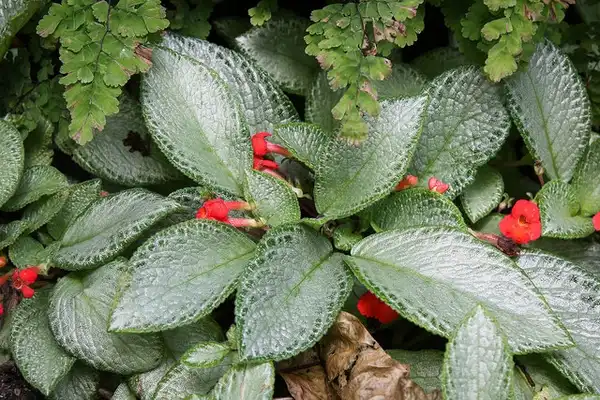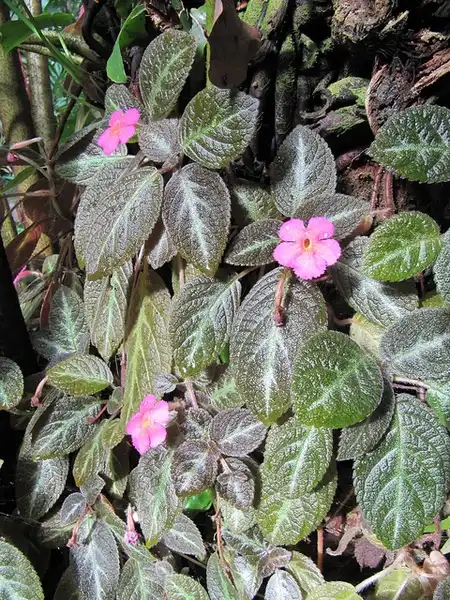
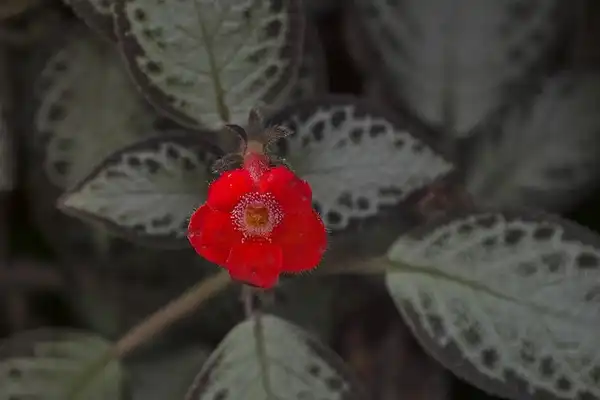
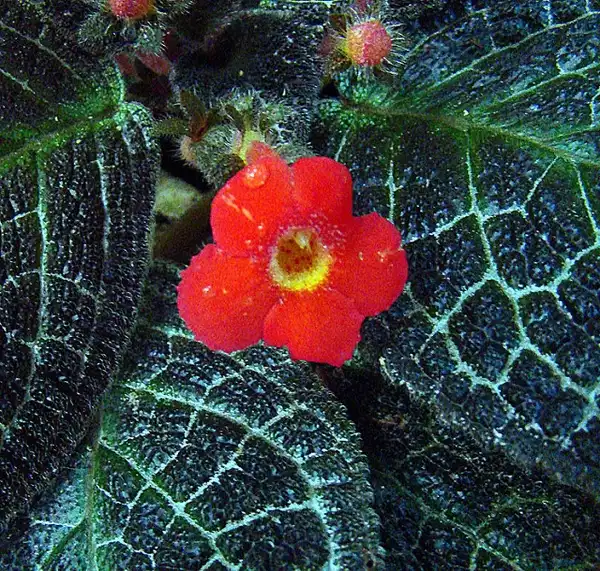
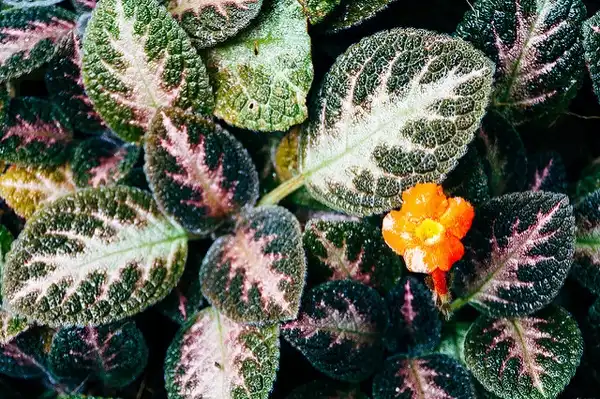
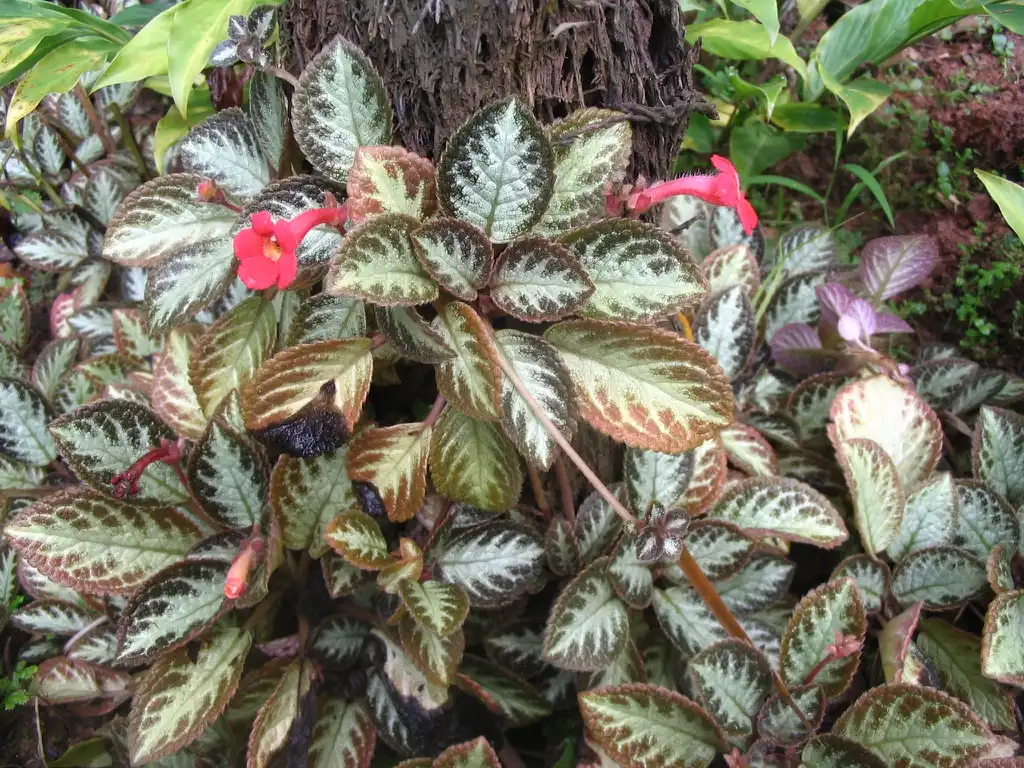
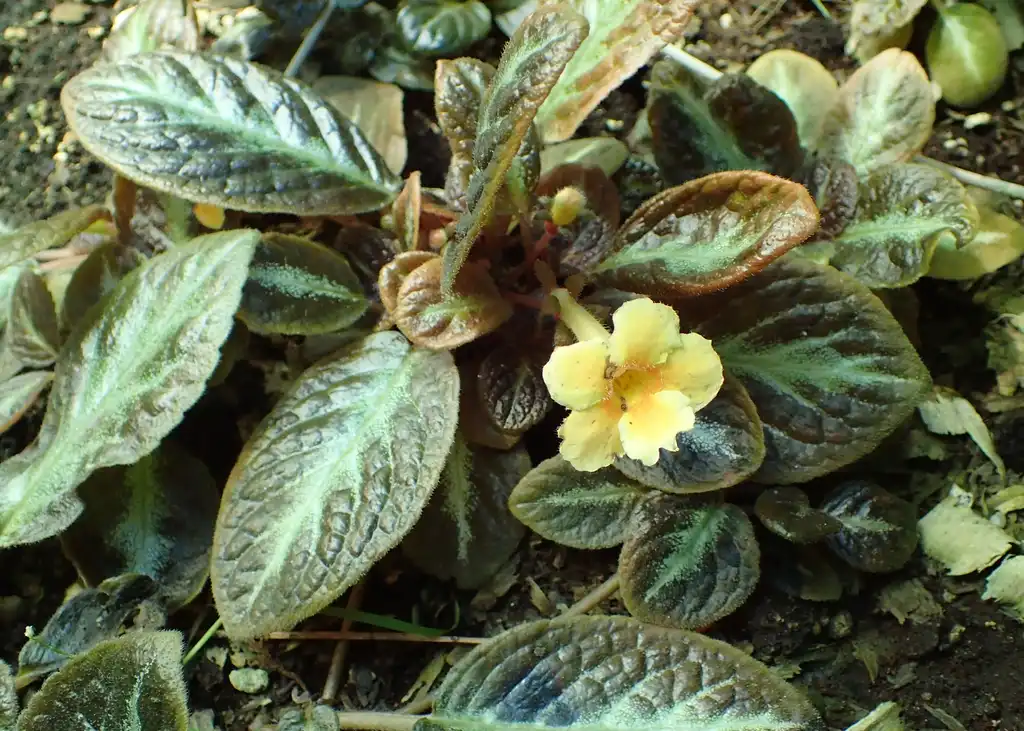
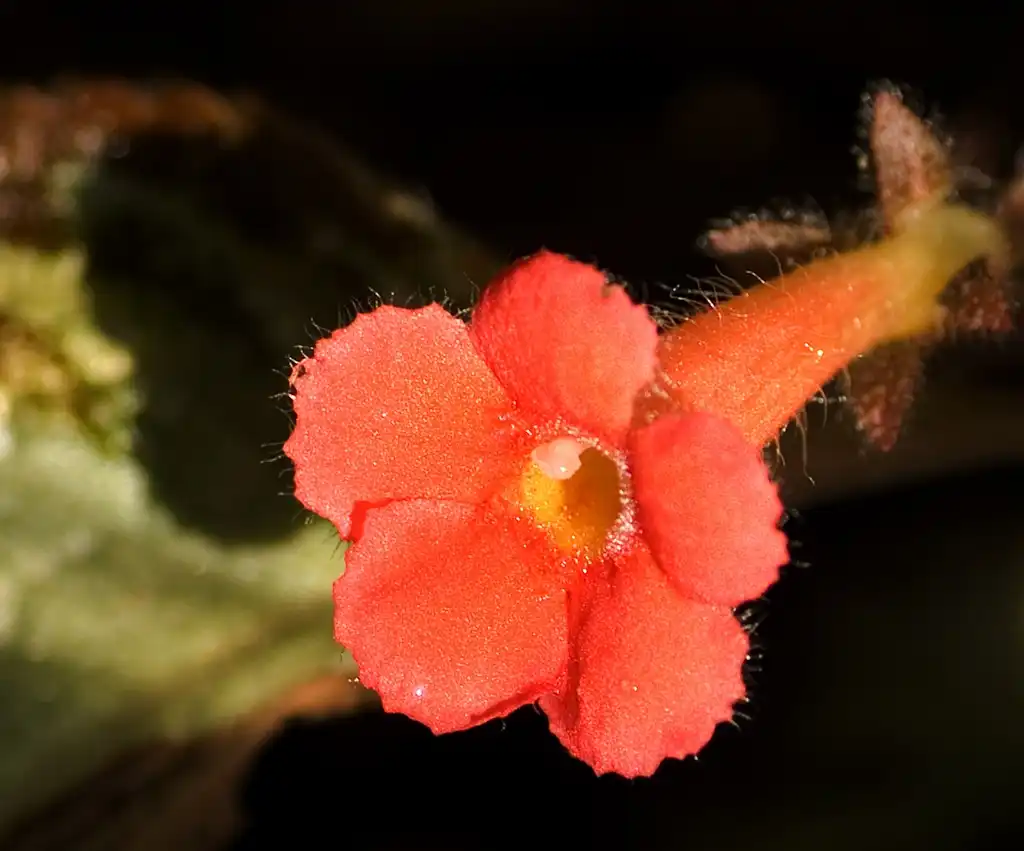
• Photo of Episcia cupreata (Episcia cupreatas)

Plant Profile: Episcia cupreata

Taxonomy: Episcia cupreata

Names

Flame Violet

  • Photo of Episcia cupreata (Episcia cupreatas)

Phonetic Spelling:ee-PISH-ee-ah kew-pree-AH-tuh

Genus:Episcia

Species:cupreata

Family:Gesneriaceae

This perennial herb from the Gesneriaceae family is often cultivated as a houseplant. It thrives in bright, indirect light and requires well-draining potting soil. Its attractive creeping growth makes it ideal for hanging baskets. During the summer, water it moderately to maintain moist soil, while in winter, watering should be infrequent. This plant enjoys high humidity but is sensitive to water on its leaves.

**Pests, Diseases, and Other Issues:** Common insect pests include aphids and mealybugs. Occasionally, it may suffer from fungal leaf spots, stem blights, and root rot. Direct exposure to full sunlight can scorch the leaves, while excessive watering or insufficient air circulation can lead to dieback. Low humidity and overly dry conditions can cause the leaf edges to turn brown.

**Quick Identification Tips:** This evergreen subtropical herb can grow up to 10 cm and has a creeping, stoloniferous growth habit.

It is prized for its variegated foliage and vibrant carotenoid flowers. Unlike Saintpaulia, it produces stolons and has a decussate leaf arrangement. This plant is commonly used as a desktop decoration, in hanging baskets, and as ground cover in interior landscapes.

It prefers indoor environments with medium light, consistently moist soil, and medium to high humidity. It does not tolerate cold drafts or dry air well and may face pest and disease challenges.

Episcia cupreata Feature Summary

Episcia cupreata Image Gallery

Tags

#red
#showy flowers
#houseplant
#orange
#bright light
#high maintenance
#hanging baskets
#herbaceous
#delicate
#small flowers
#fantz
#humidity tolerant
#tropical feel
#heavy shade tolerant
#container plants

Similar Plants

Episcia cupreata is often confused with:

Episcia cupreata Feature Summary

Attributes
Colombia, Venezuela, Brazil
Perennial
Flowers
Crimson red to orange with yellow throat, blooms seasonally. olitary, red to orange, to 6 cm long; corolla salverform, villous, Spurred at base, 5-lobed, with yellow ring at throat.
Gold/Yellow
Orange
Leaves
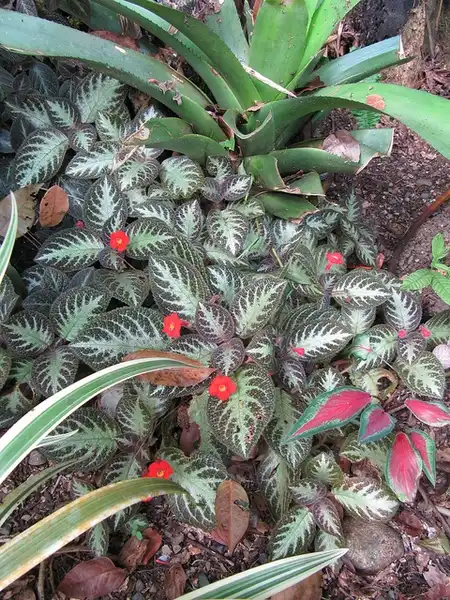
Oval green, with undersides flecked with copper and purple. Opposite, simple, decussate, ovate, acute, cordate to rotund, slightly bullate, dark green with paler midrib, purple underneath.
Green
Orange
Purple/Lavender
Ovate
Cordate
Stem
Stolons hirsute, to 19.5", readily rooting.
Whole Plant Traits
Perennial
Houseplant
Ground Cover
Creeping
Cultural Conditions
Partial Shade (Direct sunlight only part of the day, 2-6 hours)
Deep shade (Less than 2 hours to no direct sunlight)
Good Drainage
Moist
12 inches-3 feet
Less than 12 inches
10a
10b
11a
11b
12a
12b
Landscape
Container
Houseplants
Hanging Baskets

Episcia cupreata Attributes

Episcia cupreata: Country Or Region Of Origin

Colombia, Venezuela, Brazil
Episcia cupreata: Life Cycle

Annual
Biennial
Bulb
Perennial
Woody

Episcia cupreata Flowers

Episcia cupreata: Flower Description

Crimson red to orange with yellow throat, blooms seasonally. olitary, red to orange, to 6 cm long; corolla salverform, villous, Spurred at base, 5-lobed, with yellow ring at throat.

Episcia cupreata: Flower Color

filter_vintage
Gold/Yellow
filter_vintage
Orange

Episcia cupreata: Flower Value To Gardener

Edible
Fragrant
Good Cut
Good Dried
Long Bloom Season
Long-lasting
Showy

Episcia cupreata Leaves

Episcia cupreata: Leaf Description

Oval green, with undersides flecked with copper and purple. Opposite, simple, decussate, ovate, acute, cordate to rotund, slightly bullate, dark green with paler midrib, purple underneath.

Episcia cupreata: Leaf Color

spa
Green
spa
Orange
spa
Purple/Lavender

Episcia cupreata: Leaf Type

Compound (Pinnately , Bipinnately, Palmately)
Fronds
Needles
Sheath
Simple

Episcia cupreata: Leaf Arrangement

Alternate
Opposite
Other/more complex
Rosulate
Whorled

Episcia cupreata: Leaf Shape

Acicular
Auriculate
Cordate
Cuneate
Deltoid
Elliptical
Filiform
Lanceolate
Linear
Oblanceolate
Oblong
Obovate
Obtuse
Orbicular
Ovate
Palmasect
Palmatifid
Peltate
Pinnatifid
Pinnatisect
Reniform
Rhomboidal
Spatulate
Subcordate
Subulate

Episcia cupreata: Hairs Present

No
Yes

Episcia cupreata Stem

Episcia cupreata: Stem Description

Stolons hirsute, to 19.5", readily rooting.

Episcia cupreata: Stem Is Aromatic

No
Yes

Episcia cupreata Whole Plant Traits

Episcia cupreata: Plant Type

Annual
Bulb
Carnivorous
Edible
Epiphyte
Fern
Ground Cover
Herb
Herbaceous Perennial
Houseplant
Mushroom
Native Plant
Ornamental Grasses and Sedges
Perennial
Poisonous
Rose
Shrub
Succulent
Tree
Turfgrass
Vegetable
Vine
Water Plant
Weed
Wildflower

Episcia cupreata: Habit/Form

Arching
Ascending
Broad
Cascading
Climbing
Clumping
Columnar
Conical
Creeping
Dense
Erect
Horizontal
Irregular
Mounding
Multi-stemmed
Multi-trunked
Open
Oval
Prostrate
Pyramidal
Rounded
Spreading
Vase
Weeping

Episcia cupreata: Maintenance

Low
Medium
High

Episcia cupreata Cultural Conditions

Episcia cupreata: Light

Dappled Sunlight (Shade through upper canopy all day)
Deep shade (Less than 2 hours to no direct sunlight)
Full sun (6 or more hours of direct sunlight a day)
Partial Shade (Direct sunlight only part of the day, 2-6 hours)

Episcia cupreata: Soil Drainage

Frequent Standing Water
Good Drainage
Moist
Occasional Flooding
Occasionally Dry
Occasionally Wet
Very Dry

Episcia cupreata: Available Space To Plant

12 inches-3 feet
12-24 feet
24-60 feet
3 feet-6 feet
6-feet-12 feet
Less than 12 inches
more than 60 feet

Episcia cupreata: USDA Plant Hardiness Zone

thermostat
10a
thermostat
10b
thermostat
11a
thermostat
11b
thermostat
12a
thermostat
12b

Episcia cupreata Landscape

Episcia cupreata: Resistance To Challenges

Black Walnut
Compaction
Deer
Diseases
Drought
Dry Soil
Erosion
Fire
Foot Traffic
Heat
Heavy Shade
Humidity
Insect Pests
Pollution
Poor Soil
Rabbits
Salt
Slugs
Squirrels
Storm damage
Urban Conditions
Voles
Wet Soil
Wind

Episcia cupreata: Landscape Location

Coastal
Container
Hanging Baskets
Houseplants
Lawn
Meadow
Naturalized Area
Near Septic
Patio
Pond
Pool/Hardscape
Recreational Play Area
Riparian
Rock Wall
Slope/Bank
Small Space
Vertical Spaces
Walkways
Woodland