Plant Profile: Pueraria montana

Taxonomy: Pueraria montana

Names

Kudzu

  • Photo of Pueraria montana (Pueraria montanas)

Phonetic Spelling:pew-er RAY-ree-uh mon-TAY-nuh

Genus:Pueraria

Species:montana

Family:Fabaceae

Kudzu is a vigorous, semi-woody vine that originates from Asia and Northern Australia, belonging to the legume family, Fabaceae. There are around 15 species of kudzu found in regions such as China, Taiwan, Japan, and India.

The genus name, Pueraria, pays tribute to Swiss botanist Marc Nicolas Puerari, while the species name, montana, derives from Latin, meaning "mountains."

This plant was first introduced to the United States in 1876 during the Philadelphia Centennial Exposition. By 1905, kudzu was being cultivated as livestock forage. In 1933, the U.S. Soil Conservation Service promoted a specific variety, Pueraria montana var. lobata, for its effectiveness in erosion control and agricultural applications, leading to widespread planting in the southern states by the Civilian Conservation Corps. However, by the 1950s, the Department of Agriculture prohibited further planting of kudzu, which was classified as a common weed in the 1970s. In 1997, Congress officially designated it as a noxious weed, and it is currently recognized as such in thirteen states. While complete eradication is not practical, efforts are underway to manage this invasive species.

Kudzu's roots are starchy and tuberous, with some reaching depths of up to twelve feet and weighing between 200 and 300 pounds. The vines can grow as much as one foot per day, totaling up to sixty feet during the summer months. Stems typically range from 0.5 to 4 inches in diameter, although some reports indicate they can exceed ten inches. The leaves are compound, featuring 2-3 lobes each, and the small, fragrant flowers bloom in clusters from July to September. The plant produces flat, hairy seed pods, and it can propagate through seeds or by dividing young shoots from the crown. Kudzu's runners and rhizomes allow it to easily smother other vegetation, and it can kill plants and trees by girdling their stems and trunks, as well as blocking sunlight.

Kudzu thrives in a variety of environments, including thickets, forests, pastures, and along roadsides, favoring loamy, well-drained soil. Once established, it demonstrates drought resistance. Additionally, kudzu roots possess nitrogen-fixing capabilities through their interaction with specific soil bacteria, and the plant can impact air quality by emitting isoprene.

Kudzu serves as a host for the Asian soybean rust and the Kudzu bug (Megacopta cribraria). Due to its invasive nature, planting kudzu is discouraged and is illegal in certain regions of the United States.


Pueraria montana Feature Summary

Pueraria montana Image Gallery

Tags

#invasive
#fragrant flowers
#aggressive
#seed pods
#twining vine
#dry soils tolerant

Similar Plants

Pueraria montana Feature Summary

Attributes
The Kudzu vine is known as Ge Gen in China, and it is one of their fundamental herbs. All portions of the plant, including its starch-rich root, are used as medicine. They are used to treat alcoholism, fever, colds, measles, angina, and dysentery. A fiber from the stems can be used to make ropes and cables. Grasscloth and paper were made from the vines in 1665. The Japanese ground the roots of the plant to make flour. The plant has also been used for erosion control and to add nitrogen to the soil.
Asia to Northern Australia
Native: China North-Central, China South-Central, China South-East, Japan, Korea, India, Manchuria, Northern Australia, Philipines, Taiwan, Thailand, Tibet, Vietnam; Introduced: Argentina, Ghana, Honduras, Mozambique, Nigeria, Nova Scotia, Pakistan, Panama, Queensland, Samoa, Sudan, Ukraine, Yugoslavia, Zaire, and the United States--AL, AK, FL, GA, IL, KS, KY, LA, MA, MS, NJ, NY, NC, OK, PA, SC, TN, TX, VA;
Bees and insects use this plant for pollination. Birds and mammals eat and disperse their seeds.
The roots may be cooked and used to make into noodles, a thickening agent for soups, or gelatin. The flowers may be cooked or made into pickles. The stems and young leaves are eaten as a vegetable and are very nutritious. The taste is reportedly between a bean and pea.

Perennial
Fruit
This plant produces brown, long, elliptic, hairy, flat seedpods that occur after late summer flowering. The fruits are present from October to December. The pods measure 1.5 to 5 inches long and 0.2 to 0.5 inches wide. Each legume may have up to 10 seeds.
Brown/Copper
> 3 inches
< 1 inch
Flowers
The flowers are present from July to September. They are purple to reddish-purple, fragrant, and about 1 inch wide. They grow in clusters on a stalk that may be up to 7 inches long.
Purple/Lavender
Red/Burgundy
< 1 inch
Leaves
The leaves are compound, alternate, and hairy on the upper and lower surfaces. Each leaf has a long petiole and three leaflets. The lateral leaves have two lobes, and the terminal leaves have three lobes.
Compound (Pinnately , Bipinnately, Palmately)
Entire
Lobed
3-6 inches
3-6 inches
Bark
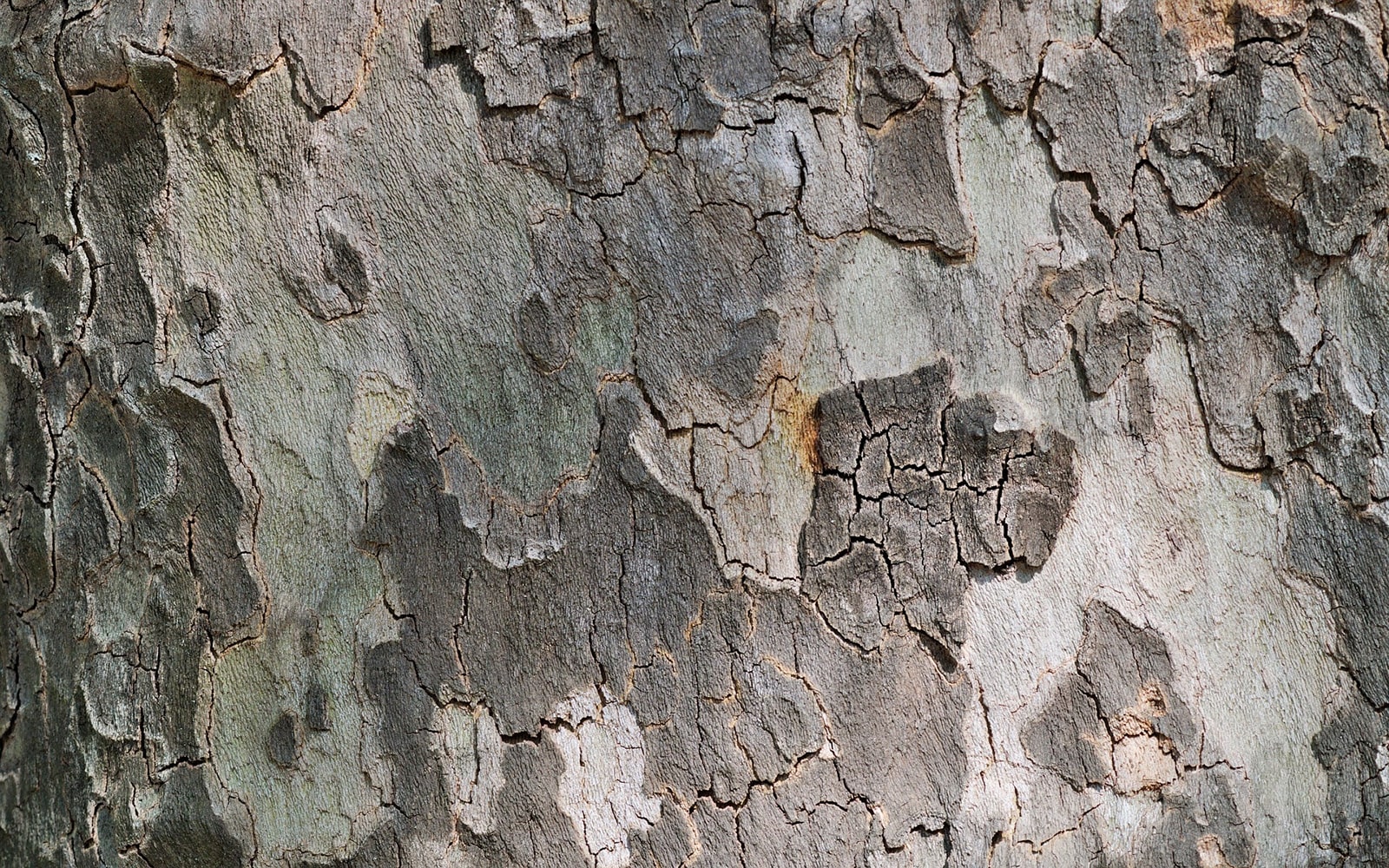
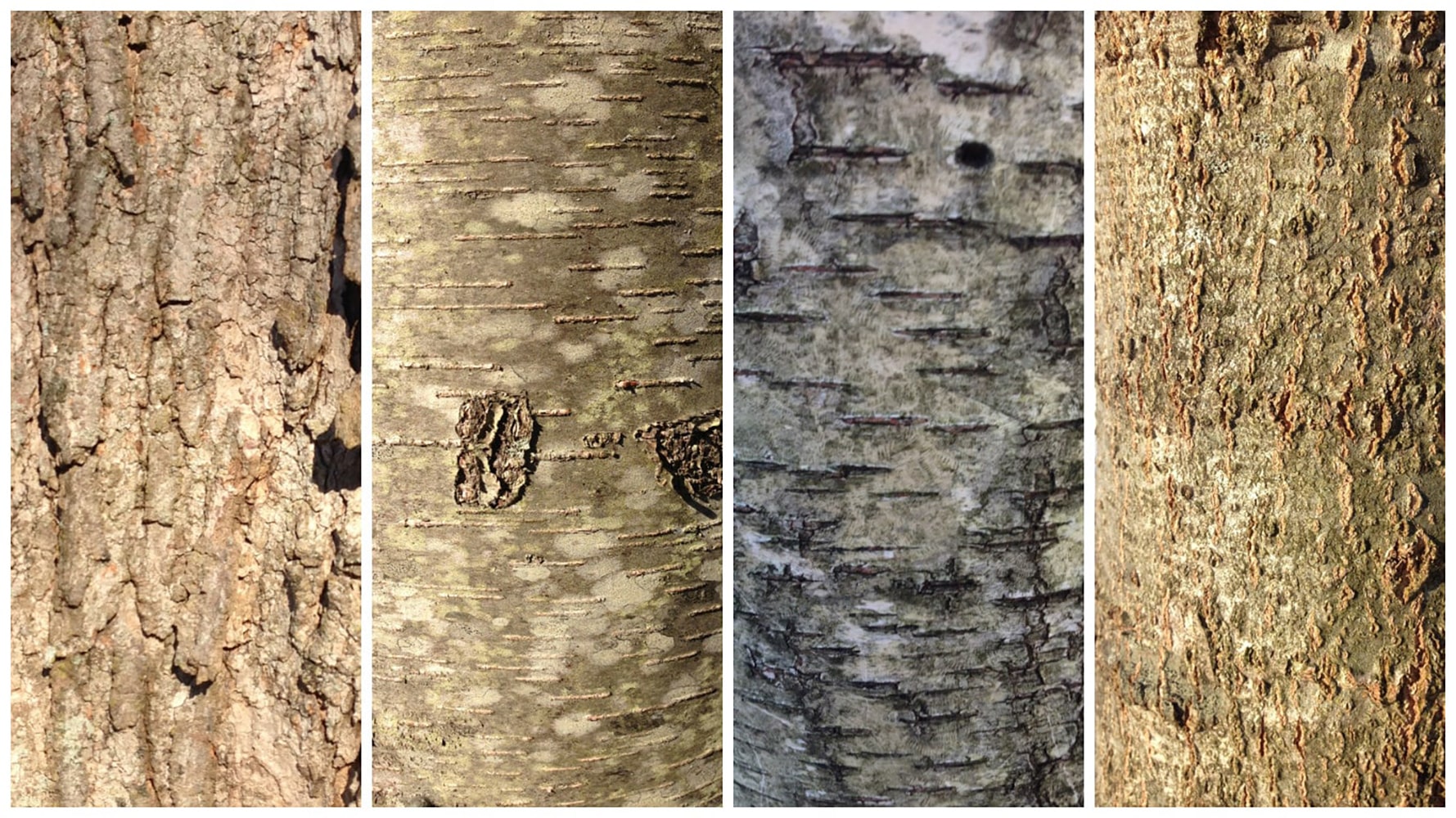
The bark is rough and dark brown.
Dark Brown
Stem
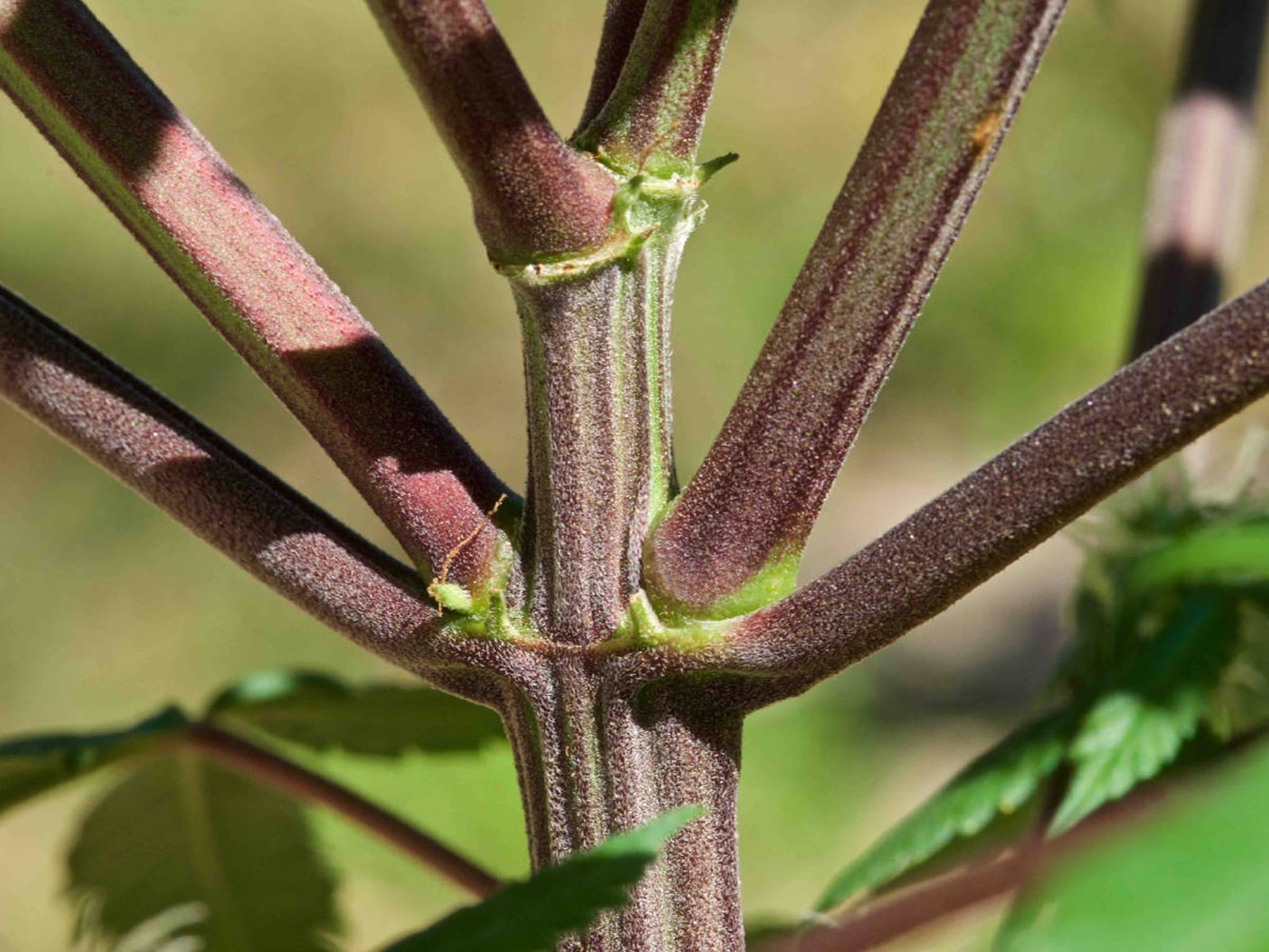
The stems are covered with yellow hairs. The base of the stem is woody. The stems may grow up to 10 inches or more in diameter.
Whole Plant Traits
Perennial
Vine
Spreading
Prostrate
Climbing
Cultural Conditions
Full sun (6 or more hours of direct sunlight a day)
Acid (<6.0)
Neutral (6.0-8.0)
Good Drainage
Coastal
Mountains
Piedmont
5b
5a
6a
6b
7a
7b
8b
8a
9a
9b
10a
10b
Loam (Silt)
Landscape
Pollinators
Bees
Small Mammals
Weedy
Invasive Species

Pueraria montana Attributes

Pueraria montana: Uses (Ethnobotany)

The Kudzu vine is known as Ge Gen in China, and it is one of their fundamental herbs. All portions of the plant, including its starch-rich root, are used as medicine. They are used to treat alcoholism, fever, colds, measles, angina, and dysentery. A fiber from the stems can be used to make ropes and cables. Grasscloth and paper were made from the vines in 1665. The Japanese ground the roots of the plant to make flour. The plant has also been used for erosion control and to add nitrogen to the soil.

Pueraria montana: Country Or Region Of Origin

Asia to Northern Australia

Pueraria montana: Distribution

Native: China North-Central, China South-Central, China South-East, Japan, Korea, India, Manchuria, Northern Australia, Philipines, Taiwan, Thailand, Tibet, Vietnam; Introduced: Argentina, Ghana, Honduras, Mozambique, Nigeria, Nova Scotia, Pakistan, Panama, Queensland, Samoa, Sudan, Ukraine, Yugoslavia, Zaire, and the United States--AL, AK, FL, GA, IL, KS, KY, LA, MA, MS, NJ, NY, NC, OK, PA, SC, TN, TX, VA;

Pueraria montana: Wildlife Value

Bees and insects use this plant for pollination. Birds and mammals eat and disperse their seeds.

Pueraria montana: Edibility

The roots may be cooked and used to make into noodles, a thickening agent for soups, or gelatin. The flowers may be cooked or made into pickles. The stems and young leaves are eaten as a vegetable and are very nutritious. The taste is reportedly between a bean and pea.

Pueraria montana: Life Cycle

Annual
Biennial
Bulb
Perennial
Woody

Pueraria montana: Recommended Propagation Strategy

Division
Grafting
Layering
Leaf Cutting
Root Cutting
Seed
Stem Cutting

Pueraria montana: Climbing Method

Clinging
Scrambler
Tendrils
Twining

Pueraria montana Fruit

Pueraria montana: Fruit Description

This plant produces brown, long, elliptic, hairy, flat seedpods that occur after late summer flowering. The fruits are present from October to December. The pods measure 1.5 to 5 inches long and 0.2 to 0.5 inches wide. Each legume may have up to 10 seeds.

Pueraria montana: Fruit Type

Achene
Aggregate
Berry
Capsule
Caryopsis
Drupe
Follicle
Legume
Nut
Pome
Samara
Schizocarp
Siliqua

Pueraria montana: Fruit Color

grass
Brown/Copper

Pueraria montana: Display/Harvest Time

Fall
Spring
Summer
Winter

Pueraria montana: Fruit Length

< 1 inch
1-3 inches
> 3 inches

Pueraria montana: Fruit Width

< 1 inch
1-3 inches
> 3 inches

Pueraria montana Flowers

Pueraria montana: Flower Description

The flowers are present from July to September. They are purple to reddish-purple, fragrant, and about 1 inch wide. They grow in clusters on a stalk that may be up to 7 inches long.

Pueraria montana: Flower Color

filter_vintage
Purple/Lavender
filter_vintage
Red/Burgundy

Pueraria montana: Flower Inflorescence

Catkin
Corymb
Cyme
Head
Insignificant
Panicle
Raceme
Solitary
Spadix
Spike
Umbel

Pueraria montana: Flower Value To Gardener

Edible
Fragrant
Good Cut
Good Dried
Long Bloom Season
Long-lasting
Showy

Pueraria montana: Flower Bloom Time

Winter
Spring
Summer
Fall

Pueraria montana: Flower Size

1-3 inches
3-6 inches
< 1 inch
> 6 inches

Pueraria montana Leaves

Pueraria montana: Leaf Description

The leaves are compound, alternate, and hairy on the upper and lower surfaces. Each leaf has a long petiole and three leaflets. The lateral leaves have two lobes, and the terminal leaves have three lobes.

Pueraria montana: Leaf Color

spa
Green

Pueraria montana: Deciduous Leaf Fall Color

spa
Brown/Copper

Pueraria montana: Leaf Type

Compound (Pinnately , Bipinnately, Palmately)
Fronds
Needles
Sheath
Simple

Pueraria montana: Leaf Arrangement

Alternate
Opposite
Other/more complex
Rosulate
Whorled

Pueraria montana: Leaf Shape

Acicular
Auriculate
Cordate
Cuneate
Deltoid
Elliptical
Filiform
Lanceolate
Linear
Oblanceolate
Oblong
Obovate
Obtuse
Orbicular
Ovate
Palmasect
Palmatifid
Peltate
Pinnatifid
Pinnatisect
Reniform
Rhomboidal
Spatulate
Subcordate
Subulate

Pueraria montana: Leaf Margin

Crenate
Crenulate
Dentate
Denticulate
Doubly Crenate
Doubly Dentate
Doubly Serrate
Entire
Lobed
Serrate
Sinuate
Undulate

Pueraria montana: Hairs Present

No
Yes

Pueraria montana: Leaf Length

< 1 inch
1-3 inches
3-6 inches
> 6 inches

Pueraria montana: Leaf Width

< 1 inch
1-3 inches
3-6 inches
> 6 inches

Pueraria montana Bark

Pueraria montana: Bark Description

The bark is rough and dark brown.

Pueraria montana: Bark Color

grass
Dark Brown

Pueraria montana Stem

Pueraria montana: Stem Description

The stems are covered with yellow hairs. The base of the stem is woody. The stems may grow up to 10 inches or more in diameter.

Pueraria montana: Stem Is Aromatic

No
Yes

Pueraria montana Whole Plant Traits

Pueraria montana: Plant Type

Annual
Bulb
Carnivorous
Edible
Epiphyte
Fern
Ground Cover
Herb
Herbaceous Perennial
Houseplant
Mushroom
Native Plant
Ornamental Grasses and Sedges
Perennial
Poisonous
Rose
Shrub
Succulent
Tree
Turfgrass
Vegetable
Vine
Water Plant
Weed
Wildflower

Pueraria montana: Habit/Form

Arching
Ascending
Broad
Cascading
Climbing
Clumping
Columnar
Conical
Creeping
Dense
Erect
Horizontal
Irregular
Mounding
Multi-stemmed
Multi-trunked
Open
Oval
Prostrate
Pyramidal
Rounded
Spreading
Vase
Weeping

Pueraria montana: Growth Rate

Slow
Medium
Rapid

Pueraria montana: Maintenance

Low
Medium
High

Pueraria montana Cultural Conditions

Pueraria montana: Light

Dappled Sunlight (Shade through upper canopy all day)
Deep shade (Less than 2 hours to no direct sunlight)
Full sun (6 or more hours of direct sunlight a day)
Partial Shade (Direct sunlight only part of the day, 2-6 hours)

Pueraria montana: Soil pH

Acid (<6.0)
Alkaline (>8.0)
Neutral (6.0-8.0)

Pueraria montana: Soil Drainage

Frequent Standing Water
Good Drainage
Moist
Occasional Flooding
Occasionally Dry
Occasionally Wet
Very Dry

Pueraria montana: NC Region

Coastal
Mountains
Piedmont

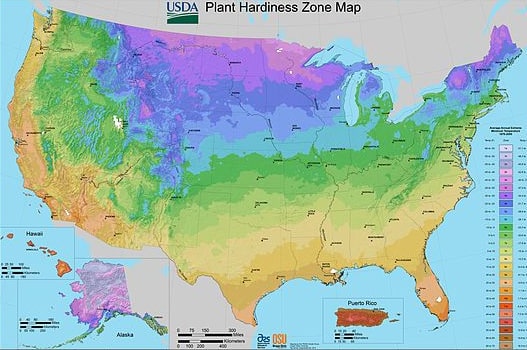
Pueraria montana: USDA Plant Hardiness Zone

thermostat
10a
thermostat
10b
thermostat
5a
thermostat
5b
thermostat
6a
thermostat
6b
thermostat
7a
thermostat
7b
thermostat
8a
thermostat
8b
thermostat
9a
thermostat
9b

Pueraria montana: Soil Texture

Clay
High Organic Matter
Loam (Silt)
Sand
Shallow Rocky

Pueraria montana Landscape

Pueraria montana: Resistance To Challenges

Black Walnut
Compaction
Deer
Diseases
Drought
Dry Soil
Erosion
Fire
Foot Traffic
Heat
Heavy Shade
Humidity
Insect Pests
Pollution
Poor Soil
Rabbits
Salt
Slugs
Squirrels
Storm damage
Urban Conditions
Voles
Wet Soil
Wind

Pueraria montana: Attracts

Bats
Bees
Butterflies
Frogs
Hummingbirds
Moths
Pollinators
Predatory Insects
Reptiles
Small Mammals
Songbirds
Specialized Bees

Pueraria montana: Problems

Allelopathic
Contact Dermatitis
Frequent Disease Problems
Frequent Insect Problems
Invasive Species
Malodorous
Messy
Poisonous to Humans
Problem for Cats
Problem for Children
Problem for Dogs
Problem for Horses
Short-lived
Spines/Thorns
Weak Wood
Weedy