Plant Profile: Rosa multiflora

Taxonomy: Rosa multiflora

Names

Multiflora Rose

  • Photo of Rosa multiflora (Rosa multifloras)

Phonetic Spelling:

Genus:Rosa

Species:multiflora

Family:Rosaceae

Multiflora Rose was introduced to the United States from Asia primarily as a rootstock for various rose species. Its cultivation was promoted due to its potential to attract wildlife, assist in erosion control, and serve as a "living fence" for livestock containment. This vigorous climbing shrub can grow to heights of 10 to 15 feet and is characterized by its branches, which are adorned with strong, curved thorns. It has a tendency to create dense thickets in meadows, fields, and along the edges of forests. With few herbivores willing to consume it, combined with its abundant seed production and its early leafing compared to native plants in spring, Multiflora Rose proves to be a formidable competitor in its environment.

Rosa multiflora Feature Summary

Rosa multiflora Image Gallery

Tags

#invasive
#fast growing
#aggressive
#thickets
#self-seeding
#clumping

Similar Plants

Rosa multiflora Feature Summary

Attributes
Eastern China, Korea, Japan
Birds and small mammals eat the rose hips as a fall and winter food source and disperse the seeds.
Perennial
Woody
Fruit
1/4" red hips appear in clusters late summer and persist into fall. High seed production.
Red/Burgundy
Flowers
Small showy pink to white 5 petaled flowers clustered in a corymb from late spring to early summer. Flowers have both male and female parts (perfect).
Pink
White
Spring
Summer
4-5 petals/rays
Leaves
Compound leaves composted of 5-11 leaflets with serrate margins. Leaflets are ovate 1/2"-2" long with acute (pointed) tips. Petioles have fringed stipules which distinguishes them from other roses.
Compound (Pinnately , Bipinnately, Palmately)
Ovate
Oblong
1-3 inches
Stem
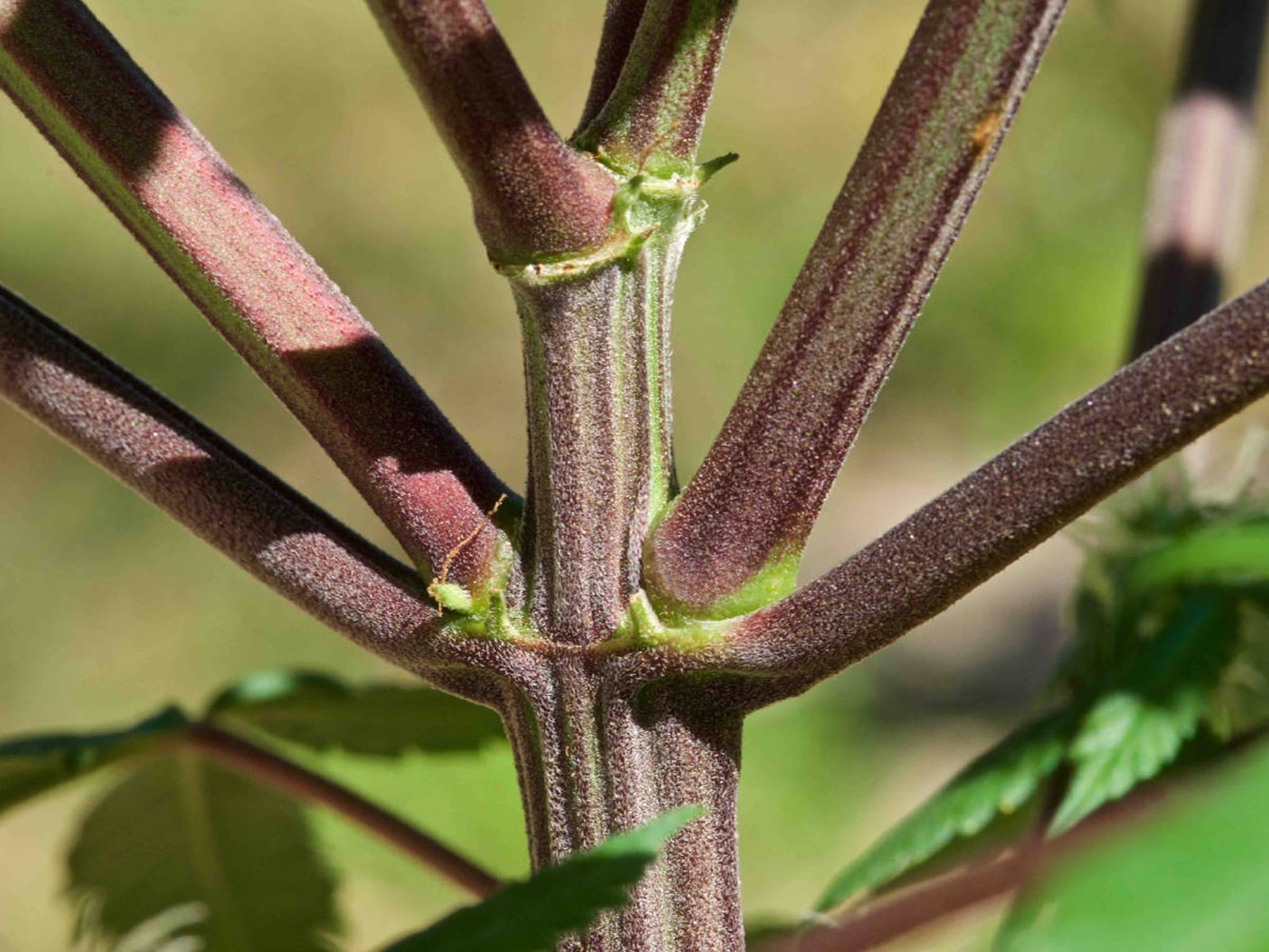
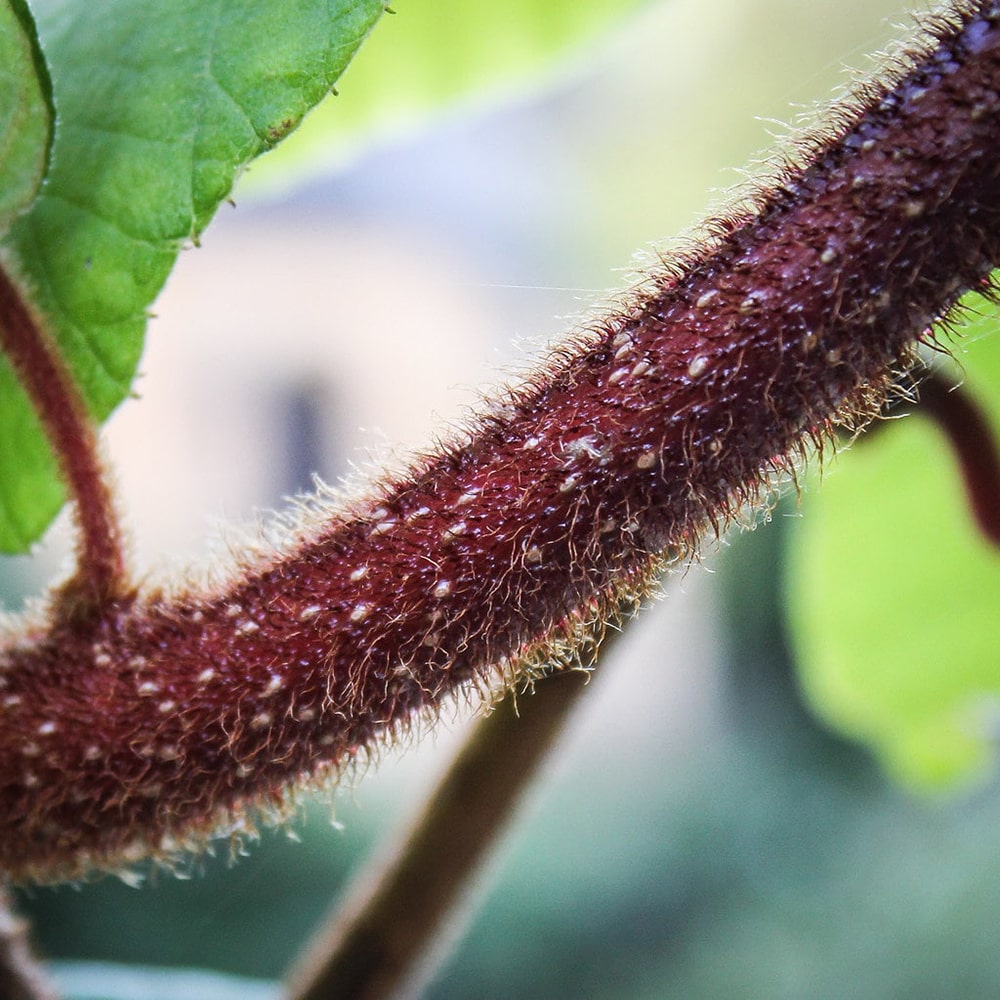
Green to red arching canes
Green
Red/Burgundy
Smooth (glabrous)
Whole Plant Traits
Shrub
Rose
Arching
Multi-stemmed
Dense
Clumping
Prickles
Cultural Conditions
Full sun (6 or more hours of direct sunlight a day)
Partial Shade (Direct sunlight only part of the day, 2-6 hours)
Landscape
Weedy
Spines/Thorns
Invasive Species

Rosa multiflora Attributes

Rosa multiflora: Country Or Region Of Origin

Eastern China, Korea, Japan

Rosa multiflora: Wildlife Value

Birds and small mammals eat the rose hips as a fall and winter food source and disperse the seeds.

Rosa multiflora: Life Cycle

Annual
Biennial
Bulb
Perennial
Woody

Rosa multiflora: Recommended Propagation Strategy

Division
Grafting
Layering
Leaf Cutting
Root Cutting
Seed
Stem Cutting

Rosa multiflora Fruit

Rosa multiflora: Fruit Description

1/4" red hips appear in clusters late summer and persist into fall. High seed production.

Rosa multiflora: Fruit Color

grass
Red/Burgundy

Rosa multiflora: Display/Harvest Time

Fall
Spring
Summer
Winter

Rosa multiflora: Fruit Length

< 1 inch
1-3 inches
> 3 inches

Rosa multiflora Flowers

Rosa multiflora: Flower Description

Small showy pink to white 5 petaled flowers clustered in a corymb from late spring to early summer. Flowers have both male and female parts (perfect).

Rosa multiflora: Flower Color

filter_vintage
Pink
filter_vintage
White

Rosa multiflora: Flower Inflorescence

Catkin
Corymb
Cyme
Head
Insignificant
Panicle
Raceme
Solitary
Spadix
Spike
Umbel

Rosa multiflora: Flower Value To Gardener

Edible
Fragrant
Good Cut
Good Dried
Long Bloom Season
Long-lasting
Showy

Rosa multiflora: Flower Bloom Time

Winter
Spring
Summer
Fall

Rosa multiflora: Flower Petals

2-3 rays/petals
4-5 petals/rays
6 petals/rays
7 - 20 petals/rays
asymmetrical petals
Bracts
Colored Sepals
fused petals
more than 20 petals/rays
Tepals

Rosa multiflora Leaves

Rosa multiflora: Leaf Description

Compound leaves composted of 5-11 leaflets with serrate margins. Leaflets are ovate 1/2"-2" long with acute (pointed) tips. Petioles have fringed stipules which distinguishes them from other roses.

Rosa multiflora: Leaf Type

Compound (Pinnately , Bipinnately, Palmately)
Fronds
Needles
Sheath
Simple

Rosa multiflora: Leaf Arrangement

Alternate
Opposite
Other/more complex
Rosulate
Whorled

Rosa multiflora: Leaf Shape

Acicular
Auriculate
Cordate
Cuneate
Deltoid
Elliptical
Filiform
Lanceolate
Linear
Oblanceolate
Oblong
Obovate
Obtuse
Orbicular
Ovate
Palmasect
Palmatifid
Peltate
Pinnatifid
Pinnatisect
Reniform
Rhomboidal
Spatulate
Subcordate
Subulate

Rosa multiflora: Leaf Margin

Crenate
Crenulate
Dentate
Denticulate
Doubly Crenate
Doubly Dentate
Doubly Serrate
Entire
Lobed
Serrate
Sinuate
Undulate

Rosa multiflora: Hairs Present

No
Yes

Rosa multiflora: Leaf Length

< 1 inch
1-3 inches
3-6 inches
> 6 inches

Rosa multiflora Stem

Rosa multiflora: Stem Description

Green to red arching canes

Rosa multiflora: Stem Color

grass
Green
grass
Red/Burgundy

Rosa multiflora: Stem Is Aromatic

No
Yes

Rosa multiflora: Stem Cross Section

Angular
Oval
Round
Square

Rosa multiflora: Stem Surface

Corky Ridges
Covered with a powdery bloom (glaucous)
Dull
Hairy (pubescent)
Polished
Smooth (glabrous)

Rosa multiflora Whole Plant Traits

Rosa multiflora: Plant Type

Annual
Bulb
Carnivorous
Edible
Epiphyte
Fern
Ground Cover
Herb
Herbaceous Perennial
Houseplant
Mushroom
Native Plant
Ornamental Grasses and Sedges
Perennial
Poisonous
Rose
Shrub
Succulent
Tree
Turfgrass
Vegetable
Vine
Water Plant
Weed
Wildflower

Rosa multiflora: Habit/Form

Arching
Ascending
Broad
Cascading
Climbing
Clumping
Columnar
Conical
Creeping
Dense
Erect
Horizontal
Irregular
Mounding
Multi-stemmed
Multi-trunked
Open
Oval
Prostrate
Pyramidal
Rounded
Spreading
Vase
Weeping

Rosa multiflora: Growth Rate

Slow
Medium
Rapid

Rosa multiflora: Maintenance

Low
Medium
High

Rosa multiflora: Appendage

Prickles
Spines
Tendrils
Thorns

Rosa multiflora Cultural Conditions

Rosa multiflora: Light

Dappled Sunlight (Shade through upper canopy all day)
Deep shade (Less than 2 hours to no direct sunlight)
Full sun (6 or more hours of direct sunlight a day)
Partial Shade (Direct sunlight only part of the day, 2-6 hours)

Rosa multiflora Landscape

Rosa multiflora: Design Feature

Accent
Barrier
Border
Flowering Tree
Foundation Planting
Hedge
Mass Planting
Screen/Privacy
Security
Shade Tree
Small groups
Small Tree
Specimen
Street Tree
Understory Tree

Rosa multiflora: Problems

Allelopathic
Contact Dermatitis
Frequent Disease Problems
Frequent Insect Problems
Invasive Species
Malodorous
Messy
Poisonous to Humans
Problem for Cats
Problem for Children
Problem for Dogs
Problem for Horses
Short-lived
Spines/Thorns
Weak Wood
Weedy