Rubus cuneifolius: Country Or Region Of Origin
Eastern United States
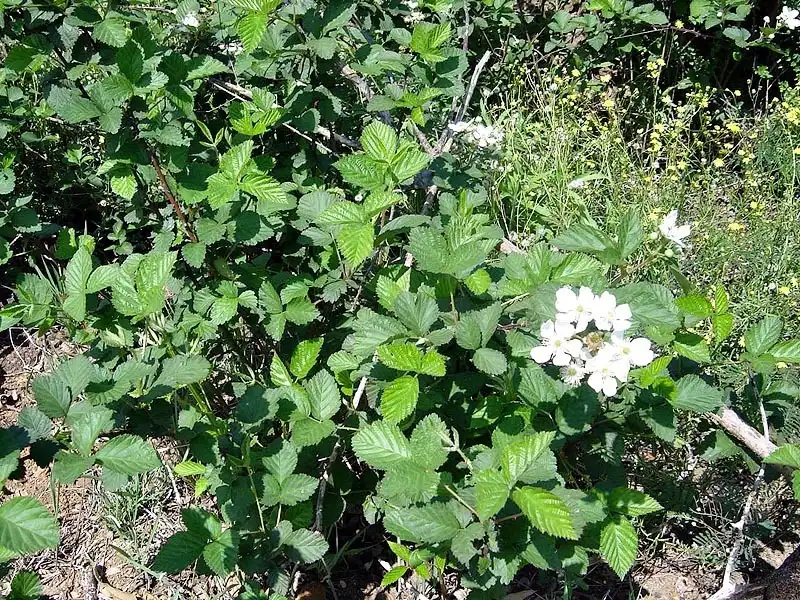
Phonetic Spelling:ROO-bus kew-nee-FOH-lee-us
Genus:Rubus
Species:cuneifolius
Family:Rosaceae
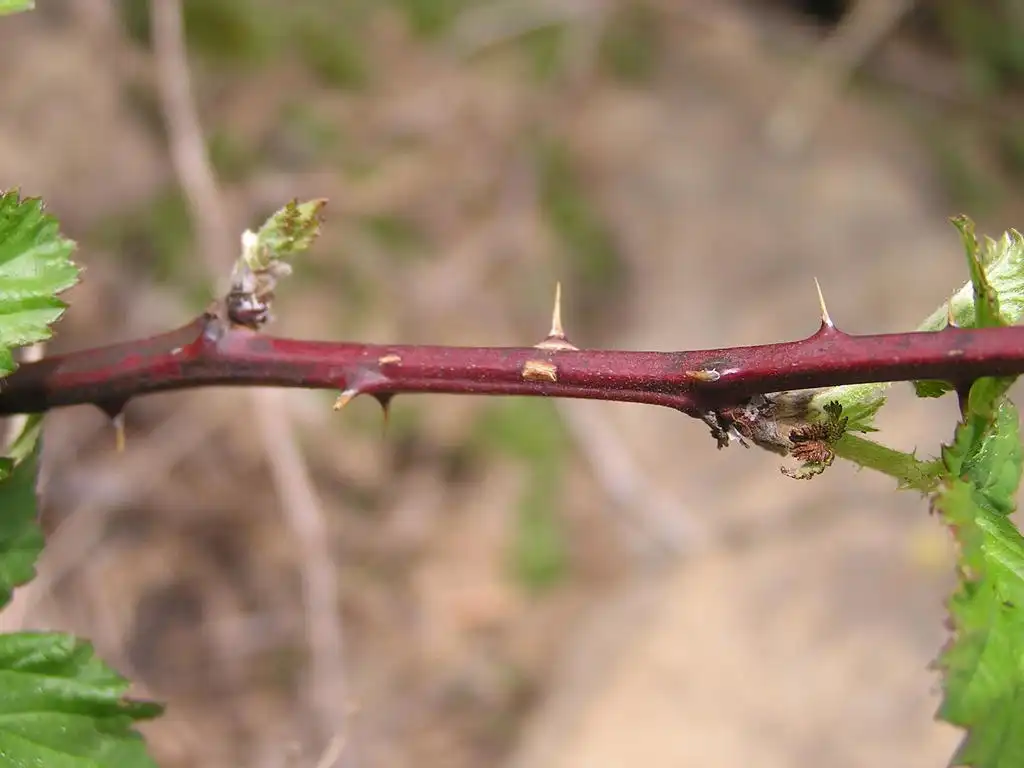
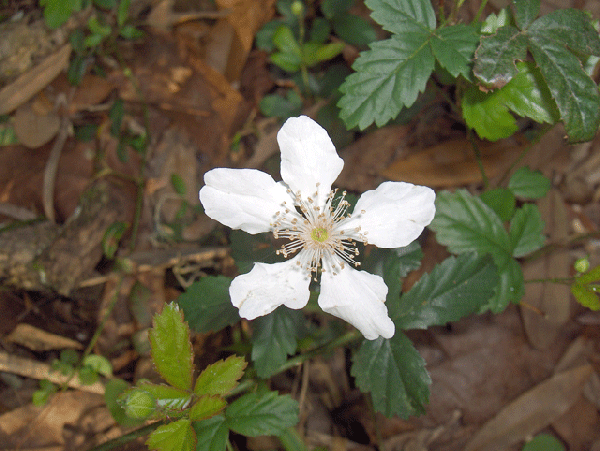
The Rubus genus encompasses blackberries, dewberries, and raspberries, with most species characterized by thorny or bristly stems and compound leaves. Notably, flowers and fruits typically develop on last year's canes rather than new growth, necessitating careful pruning to avoid removing the canes that will produce berries in the following season. There are variations among species; for instance, some grow as upright or arching shrubs reaching heights of up to 8 feet, while others spread along the ground like vines. Dewberries tend to bear fruit in the spring, whereas blackberries and raspberries produce their fruit in the summer. Overall, the Rubus genus includes some of the most vital plants for wildlife in the southeastern United States.
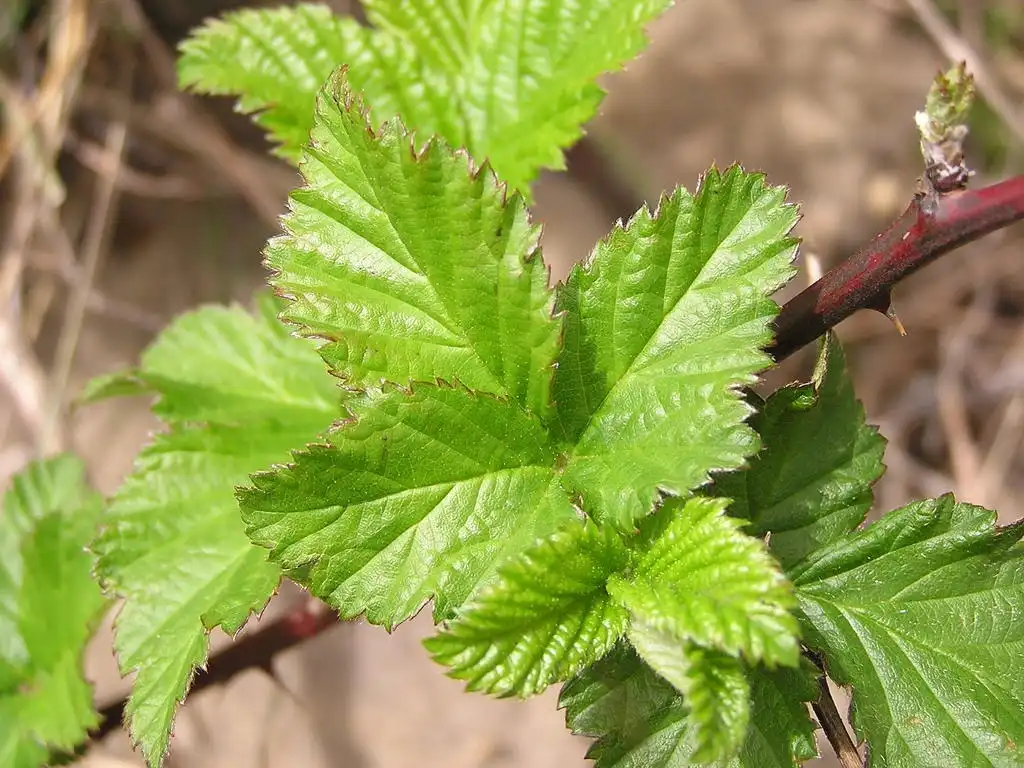
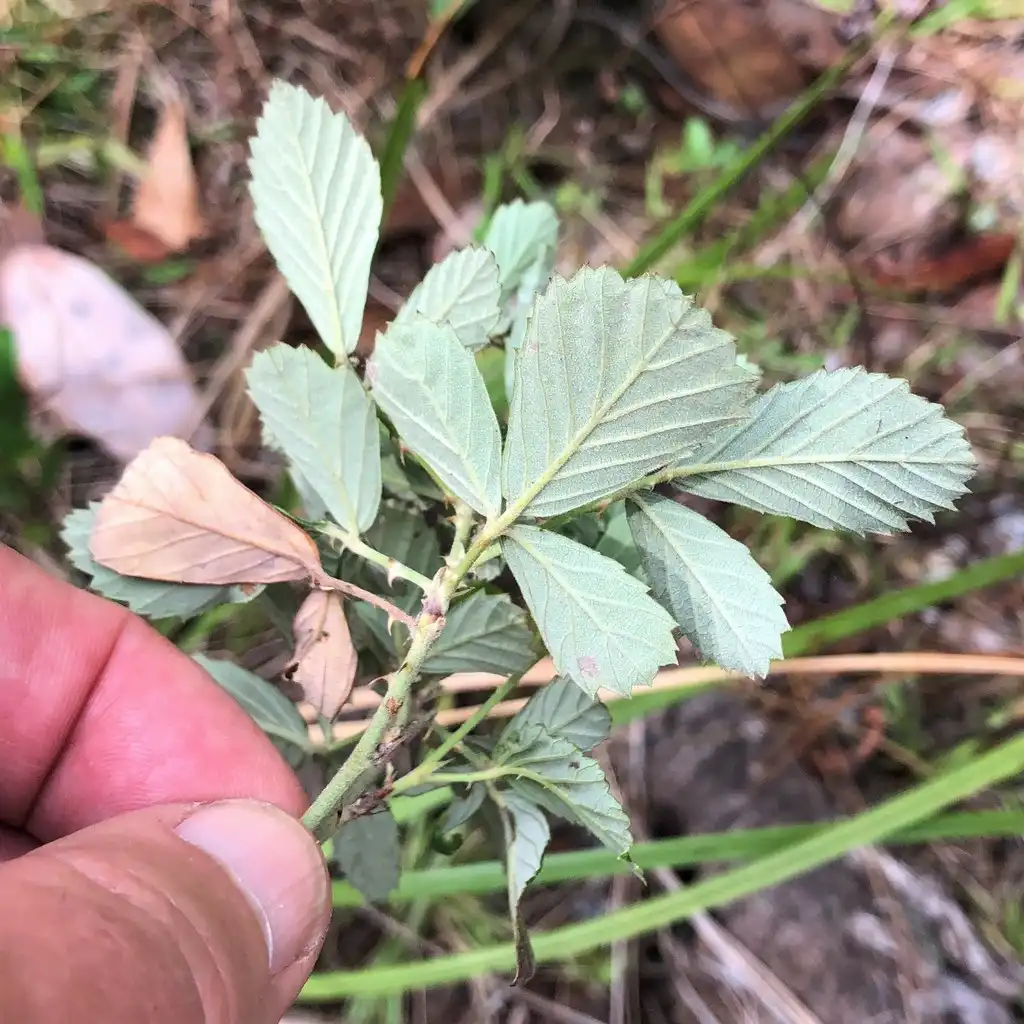
Rubus cuneifolius, commonly known as Sand blackberry, stands out within the Rubus genus due to its robust, upright, and non-arching growth habit. It is a prevalent blackberry species found in North Carolina's Coastal Plain and is also present in select counties of the Piedmont region.
In terms of pests and diseases, plants in this genus are particularly vulnerable to honey fungus. However, Sand blackberry does not have any significant insect or disease issues, though it can become invasive and challenging to control. Its vigorous growth and ability to spread easily warrant caution when choosing a planting location, and herbicides may be necessary for complete eradication.
Rubus cuneifolius Feature Summary
Rubus cuneifolius Image Gallery