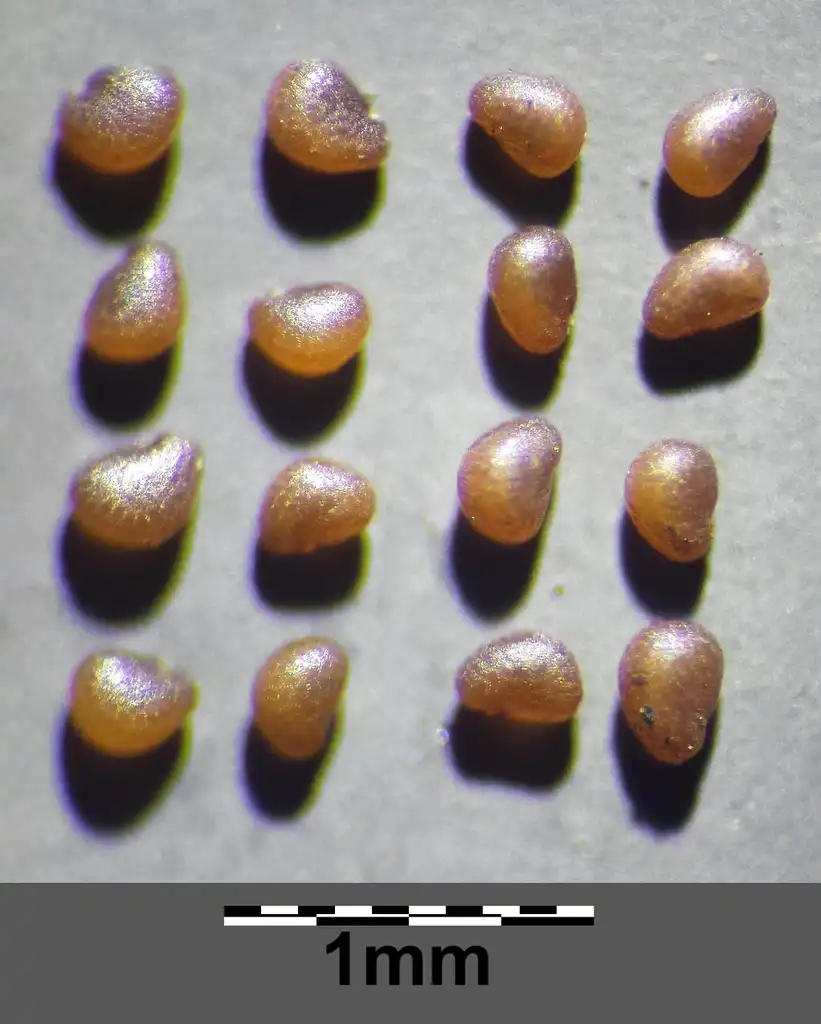
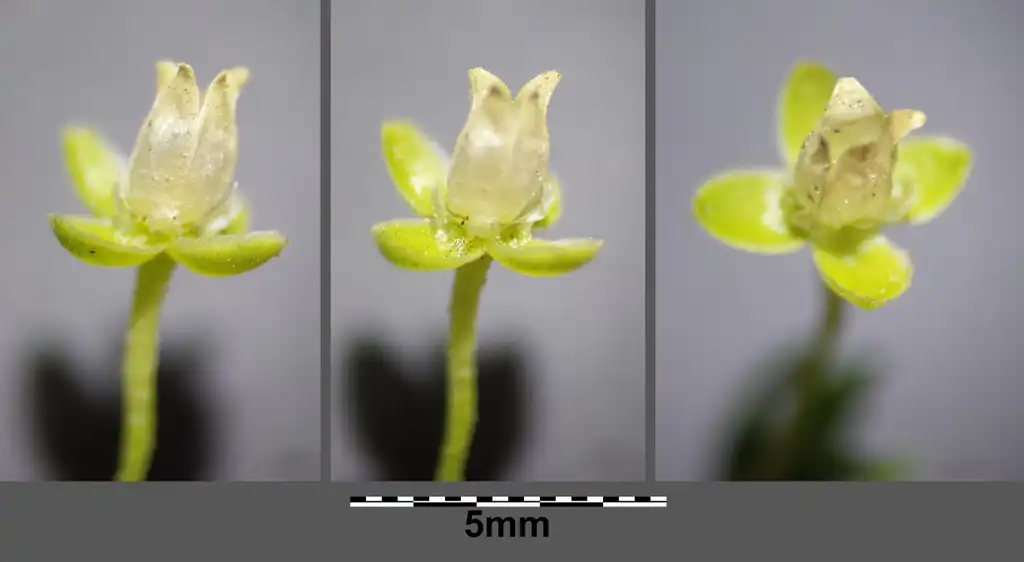
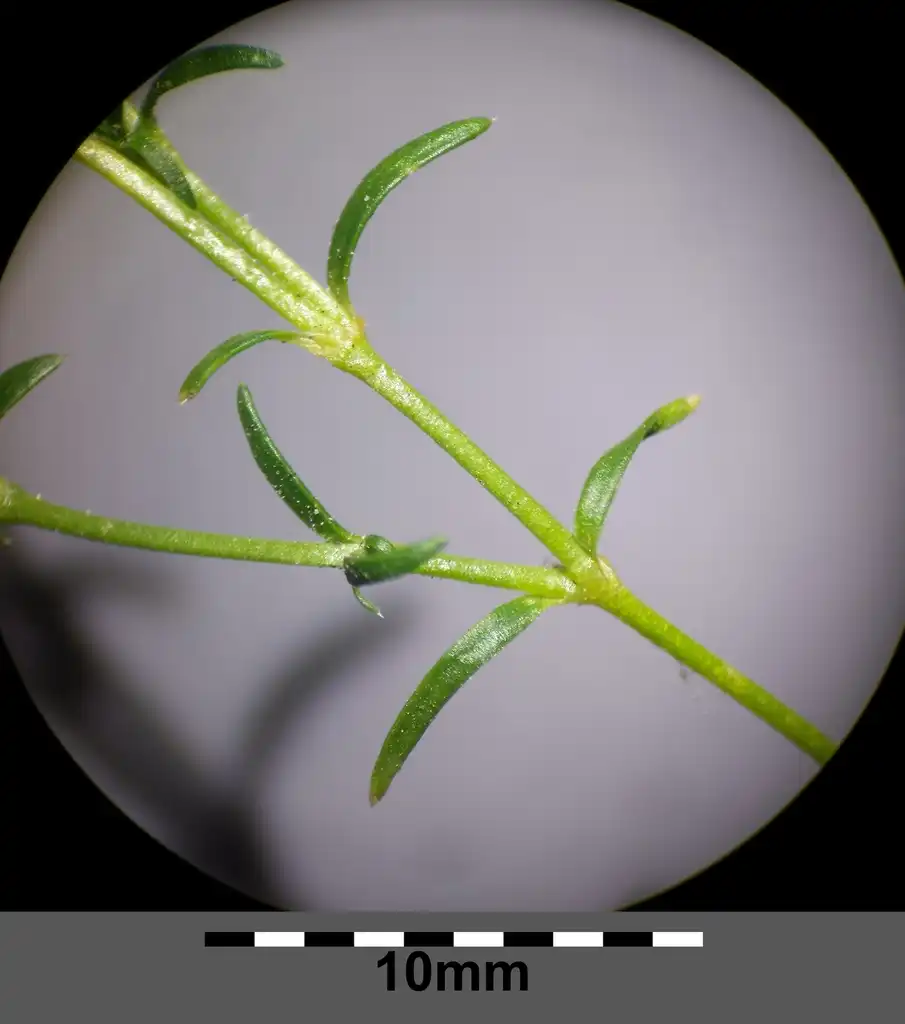
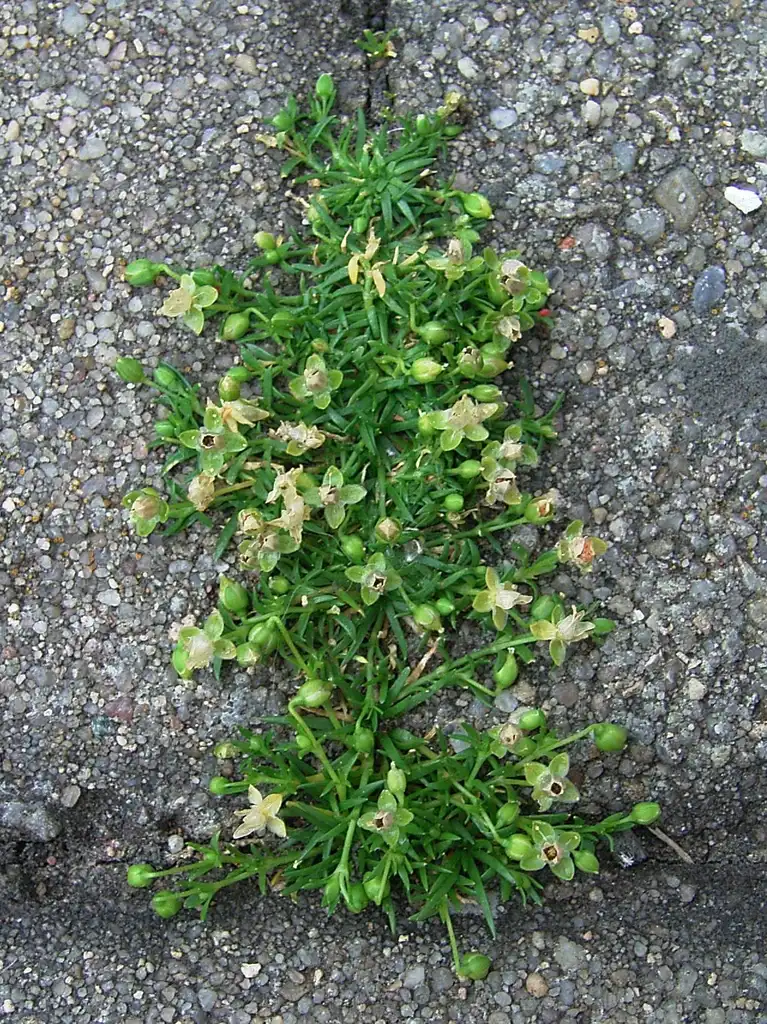
• Photo of Sagina procumbens (Sagina procumbenss)

Plant Profile: Sagina procumbens

Taxonomy: Sagina procumbens

Names

Pearlwort

  • Photo of Sagina procumbens (Sagina procumbenss)

Phonetic Spelling:sa-GEE-nuh pro-KUM-benz

Genus:Sagina

Species:procumbens

Family:Caryophyllaceae

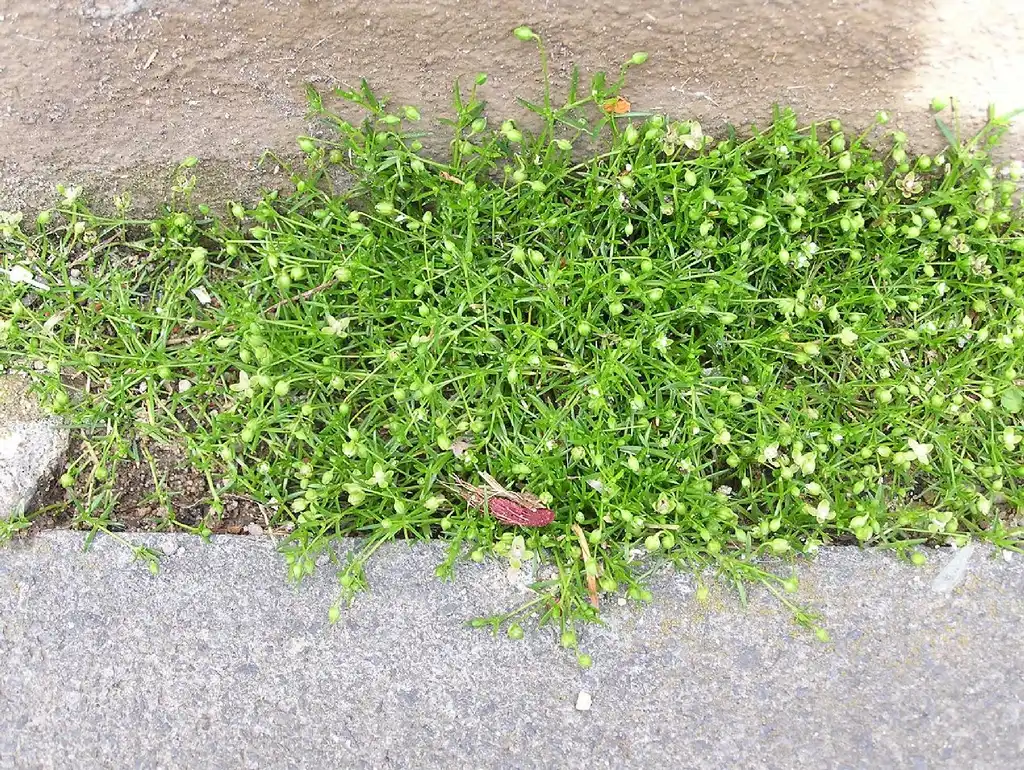
Pearlwort belongs to the Caryophyllaceae family and is characterized as a low-growing, moss-like annual that thrives in cooler seasons. However, it can sometimes behave like a short-lived perennial under certain conditions. Sagina procumbens closely resembles Sagina decumbens, with both species featuring slender, awn-like leaves measuring between ½ to 1 inch long, capable of forming dense mats. Their flowers are white in color.

This plant is commonly found along pathways.

In the gardening market, various selections and related species are available, often used in rock gardens or as ground cover between pavers. Pearlwort thrives in cool, moist environments.

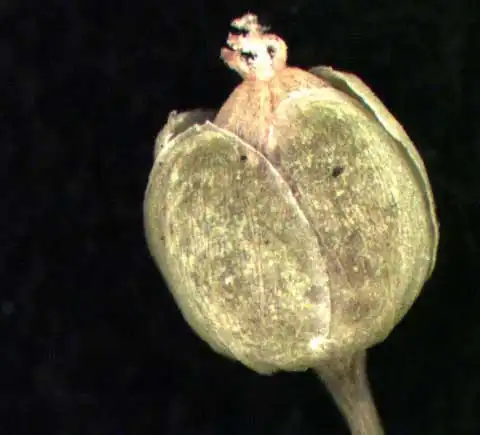
It is known for its prolific seed production, with seeds contained in cup-shaped pods that disperse through splashing water. Due to its weedy nature, it is advisable to prevent unwanted plants from seeding. Effective management strategies include enhancing drainage in areas where pearlwort is prevalent. Additionally, preemergence herbicides specifically labeled for this purpose can effectively control its growth.

Sagina procumbens Feature Summary

Sagina procumbens Image Gallery

Tags

#weed
#weedy

Similar Plants

Sagina procumbens is often confused with:

Sagina procumbens Feature Summary

Attributes
For rock gardens or vegetation between pavers
Perennial
Annual
Leaves
Thin, awn-like leaves, 1/2 to 1 inch in length and can form dense mats.
Needles
< 1 inch
Whole Plant Traits
Dense
Spreading
Cultural Conditions
Good Drainage
Moist
Flowers
Landscape

Sagina procumbens Attributes

Sagina procumbens: Uses (Ethnobotany)

For rock gardens or vegetation between pavers
Sagina procumbens: Life Cycle

Annual
Biennial
Bulb
Perennial
Woody

Sagina procumbens: Recommended Propagation Strategy

Division
Grafting
Layering
Leaf Cutting
Root Cutting
Seed
Stem Cutting

Sagina procumbens Leaves

Sagina procumbens: Leaf Description

Thin, awn-like leaves, 1/2 to 1 inch in length and can form dense mats.

Sagina procumbens: Leaf Color

spa
Green

Sagina procumbens: Leaf Type

Compound (Pinnately , Bipinnately, Palmately)
Fronds
Needles
Sheath
Simple

Sagina procumbens: Hairs Present

No
Yes

Sagina procumbens: Leaf Length

< 1 inch
1-3 inches
3-6 inches
> 6 inches

Sagina procumbens Whole Plant Traits

Sagina procumbens: Plant Type

Annual
Bulb
Carnivorous
Edible
Epiphyte
Fern
Ground Cover
Herb
Herbaceous Perennial
Houseplant
Mushroom
Native Plant
Ornamental Grasses and Sedges
Perennial
Poisonous
Rose
Shrub
Succulent
Tree
Turfgrass
Vegetable
Vine
Water Plant
Weed
Wildflower

Sagina procumbens: Habit/Form

Arching
Ascending
Broad
Cascading
Climbing
Clumping
Columnar
Conical
Creeping
Dense
Erect
Horizontal
Irregular
Mounding
Multi-stemmed
Multi-trunked
Open
Oval
Prostrate
Pyramidal
Rounded
Spreading
Vase
Weeping

Sagina procumbens: Texture

Fine
Medium
Coarse

Sagina procumbens Cultural Conditions

Sagina procumbens: Soil Drainage

Frequent Standing Water
Good Drainage
Moist
Occasional Flooding
Occasionally Dry
Occasionally Wet
Very Dry

Sagina procumbens Flowers

Sagina procumbens: Flower Color

filter_vintage
White

Sagina procumbens: Flower Bloom Time

Winter
Spring
Summer
Fall

Sagina procumbens: Flower Petals

2-3 rays/petals
4-5 petals/rays
6 petals/rays
7 - 20 petals/rays
asymmetrical petals
Bracts
Colored Sepals
fused petals
more than 20 petals/rays
Tepals

Sagina procumbens: Flower Shape

Bell
Cross
Crown
Cup
Dome
Funnel
Irregular
Lipped
Radial
Saucer
Star
Trumpet
Tubular
Urn
Wheel

Sagina procumbens Stem

Sagina procumbens: Stem Is Aromatic

No
Yes

Sagina procumbens Landscape

Sagina procumbens: Problems

Allelopathic
Contact Dermatitis
Frequent Disease Problems
Frequent Insect Problems
Invasive Species
Malodorous
Messy
Poisonous to Humans
Problem for Cats
Problem for Children
Problem for Dogs
Problem for Horses
Short-lived
Spines/Thorns
Weak Wood
Weedy