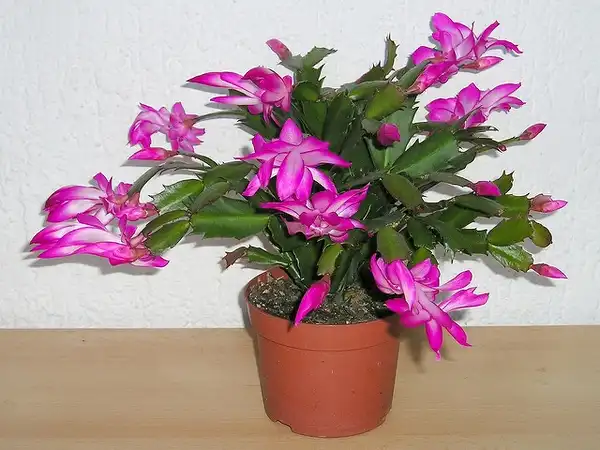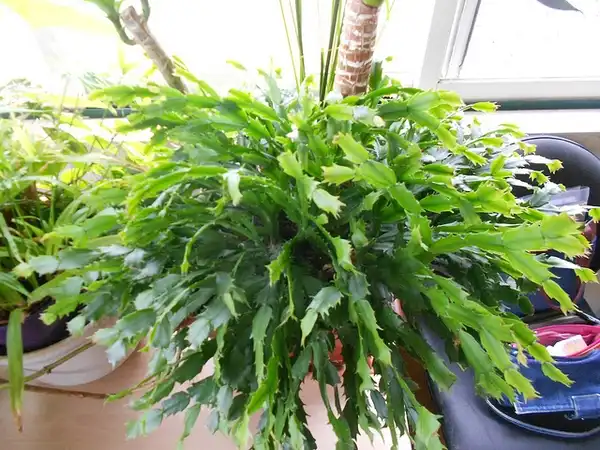
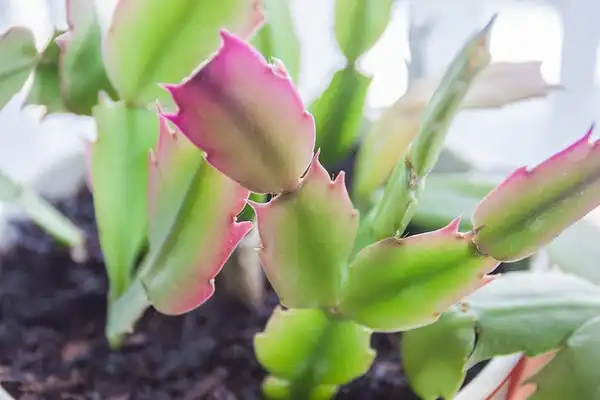
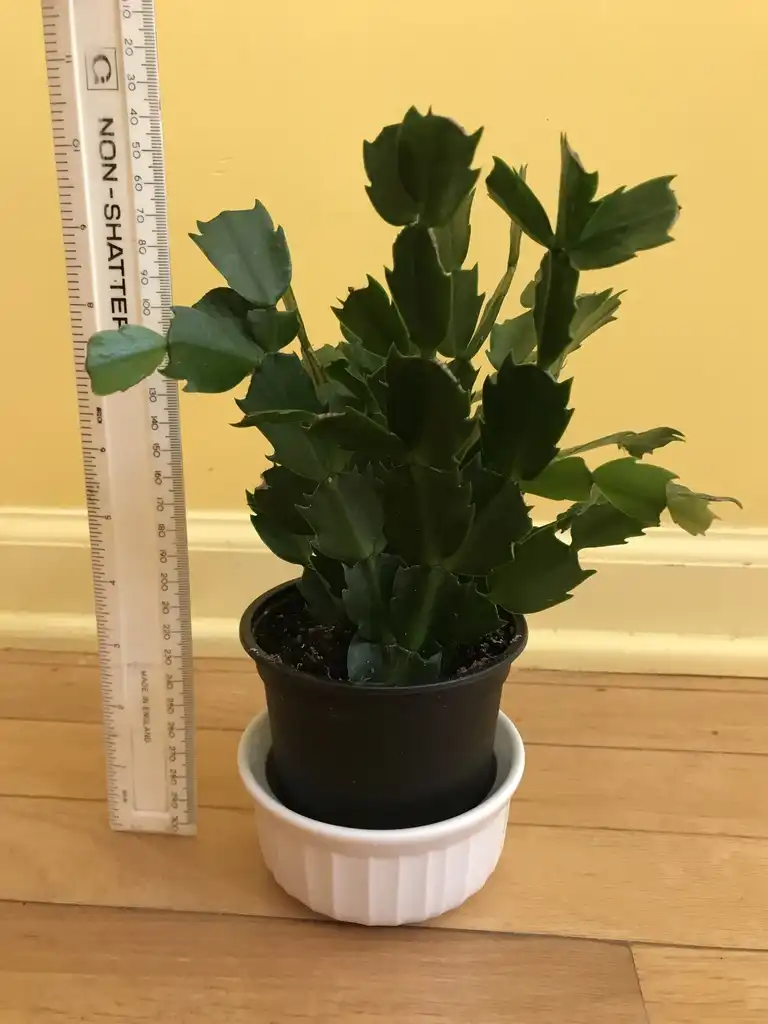
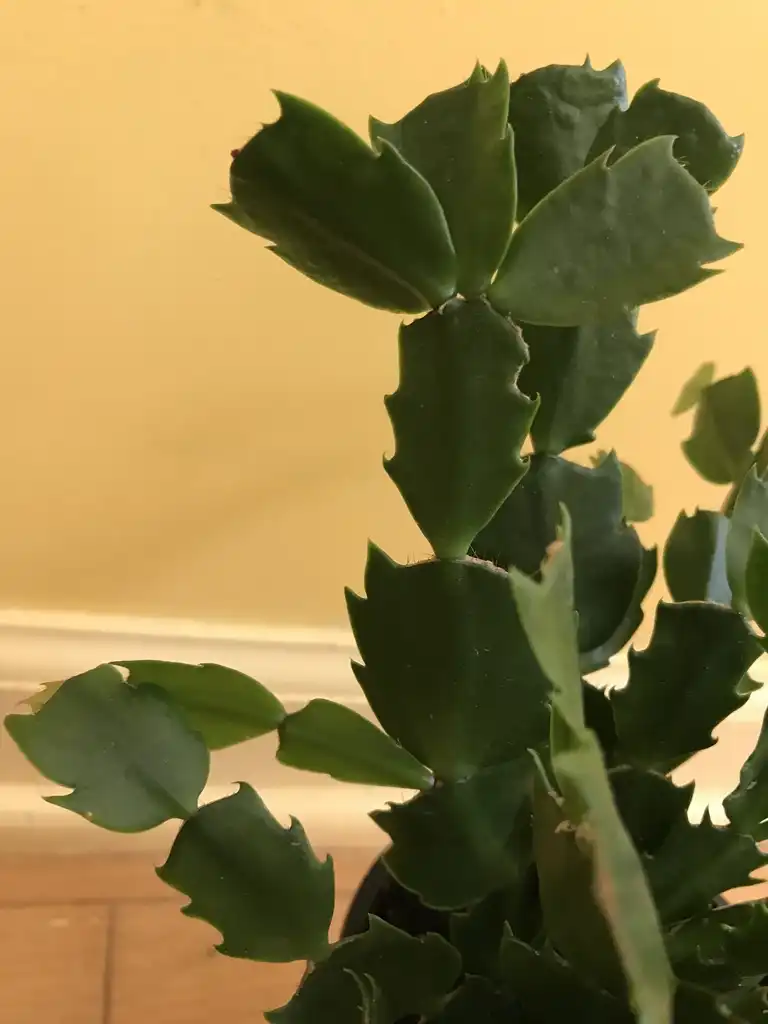
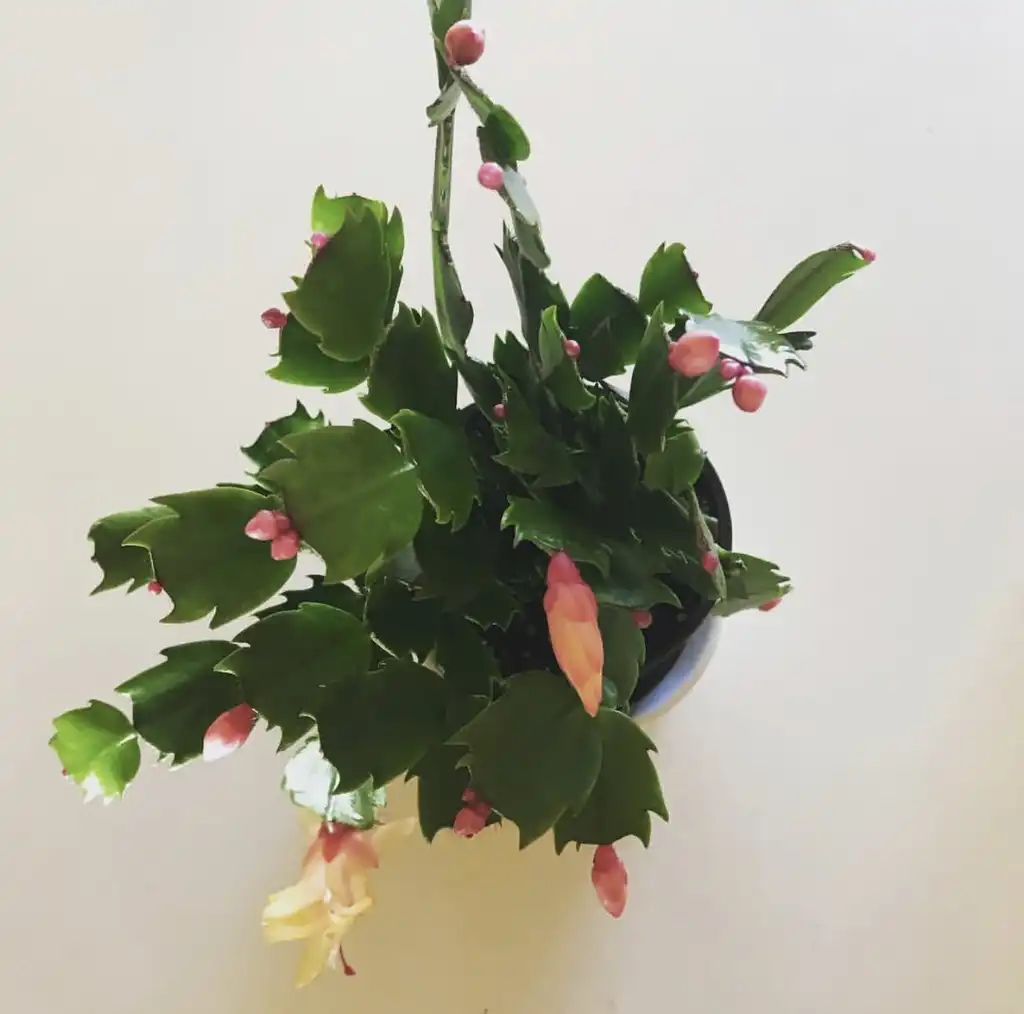
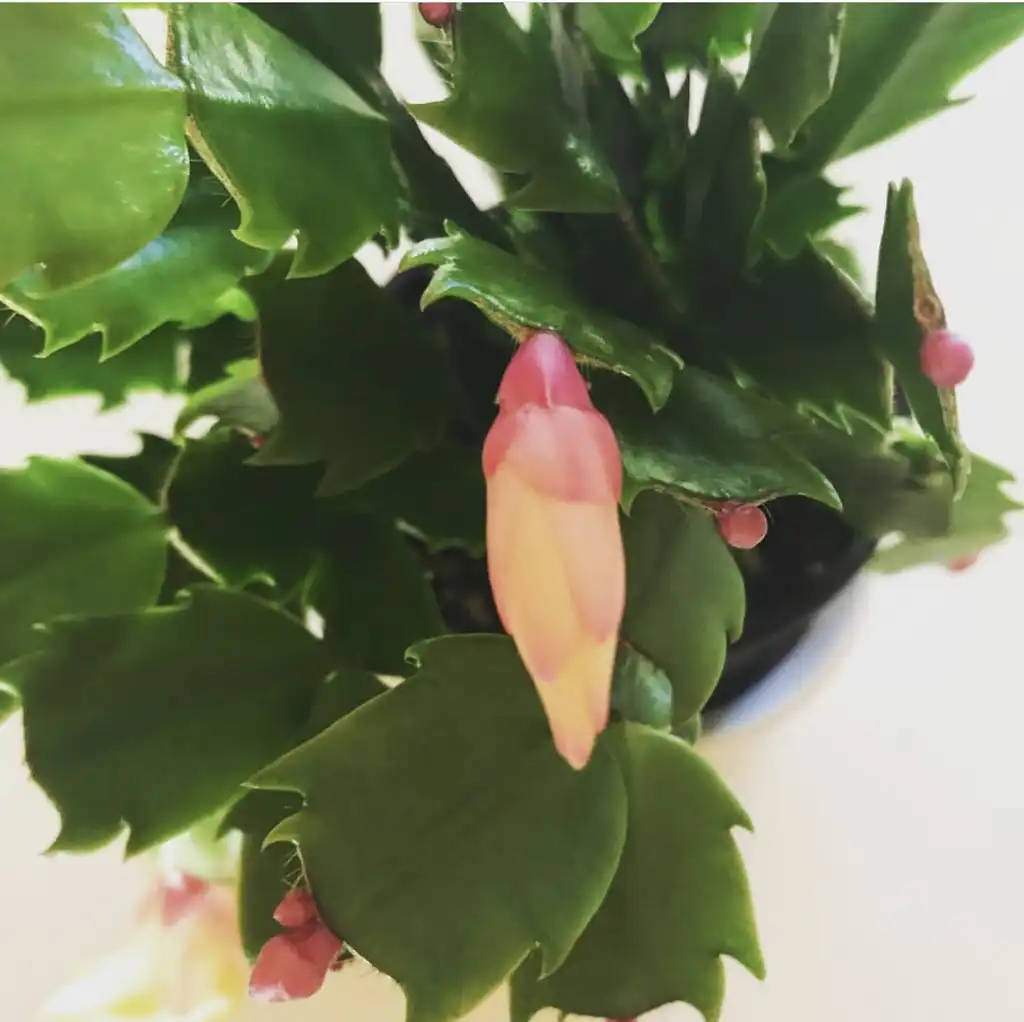
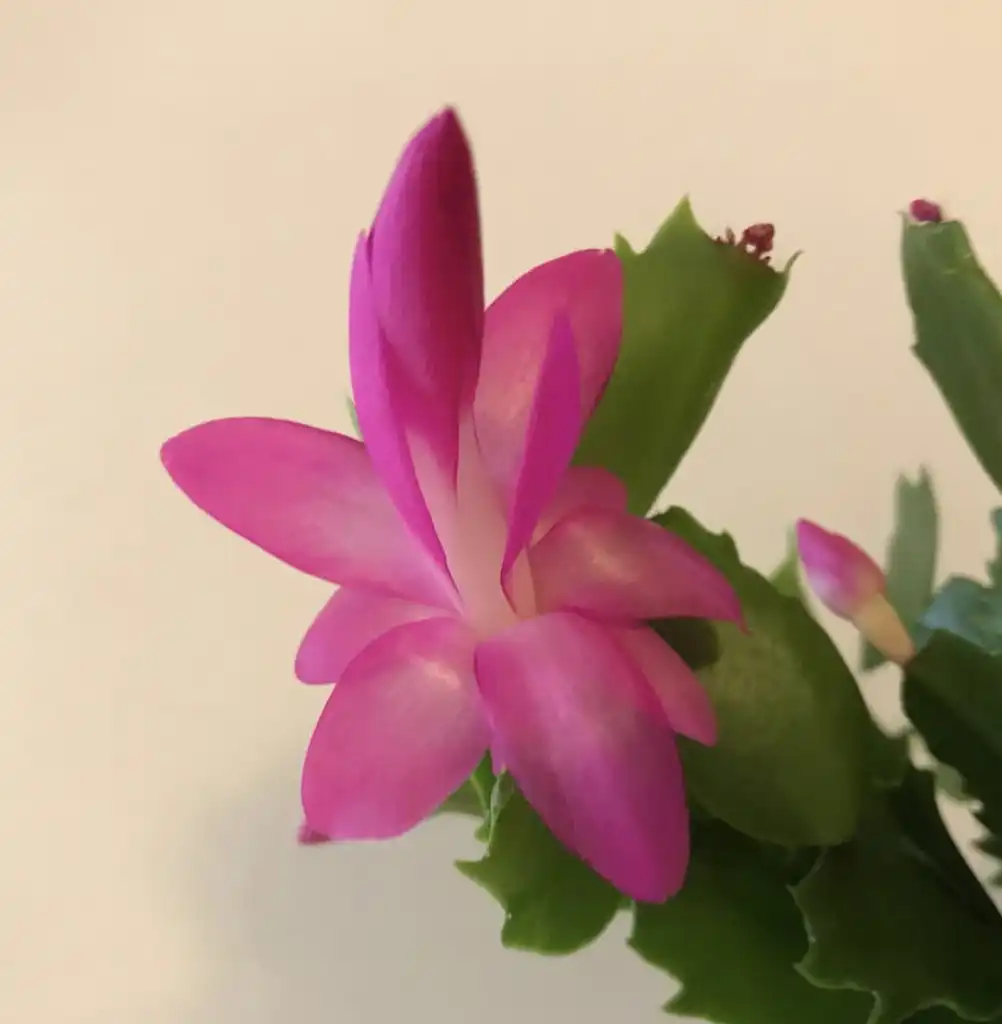
• Photo of Schlumbergera truncata (Schlumbergera truncatas)

Plant Profile: Schlumbergera truncata

Taxonomy: Schlumbergera truncata

Names

Christmas Cactus, Crab Cactus, False Christmas Cactus, Thanksgiving Cactus

  • Photo of Schlumbergera truncata (Schlumbergera truncatas)

Phonetic Spelling:shlum-BER-ger-uh trunk-AH-tuh

Genus:Schlumbergera

Species:truncata

Family:Cactaceae

This resilient epiphytic succulent is renowned for its vibrant winter blooms, typically appearing around Thanksgiving, which is why it’s commonly referred to as the Thanksgiving Cactus. It is also known by various other names and is often mistaken for the true Christmas Cactus (Schlumbergera x buckleyi). You can distinguish the Thanksgiving Cactus by its claw-like structures on its flat stems (or cladophylls) that resemble crab claws, which is another reason for its nickname, Crab Cactus. Unlike the flowers of Schlumbergera x buckleyi, which droop, the blooms of this cactus stand upright. Despite having "cactus" in its name, this plant does not thrive in hot, dry conditions like many other cacti; instead, it prefers the humid environment of its native Brazilian rainforests. It flourishes in USDA hardiness zones 10-12, but outside of these zones, it is best kept as a houseplant.

To care for it, use a well-draining succulent potting mix and place the plant in a warm room (between 57-72 degrees Fahrenheit) that receives bright light during winter and maintains high humidity. In summer, it requires some shade to prevent leaf yellowing, making bathrooms a popular choice for placement. Be cautious not to overwater this plant. If conditions are right, it may bloom again in February as the days grow longer, or you can encourage blooming by exposing it to night temperatures of 40 degrees for several consecutive nights.

When new growth appears in spring, apply a light fertilizer monthly, tapering off in the fall and early winter. Repot the cactus approximately every three years; it thrives even when slightly pot-bound.

Propagation is straightforward through stem cuttings. Simply cut two or three segments with a sharp knife and allow them to callous for a few days before planting in moist, well-draining potting mix. Water only when the soil is completely dry, and the stems should root within a few weeks. Most commercially available plants today are hybrids of S. russelliana and S. truncata, with the hybrid type influencing the blooming period. There are over 200 cultivars available, showcasing a range of flower colors. If you buy a plant labeled as a Christmas Cactus, it is likely not S. x buckleyi.

**Insects, Diseases, and Other Plant Issues:** Reduced flowering or the dropping of flower buds may result from insufficient dark hours (at least 13 uninterrupted hours), as well as sudden changes in temperature, moisture, or light. Common pests include aphids, red spider mites, scale, and mealybugs. Overwatering can lead to root rot.

**Quick Identification**

Schlumbergera truncata Feature Summary

Schlumbergera truncata Image Gallery

Tags

#red
#white
#showy flowers
#yellow
#houseplant
#white flowers
#succulent
#easy to grow
#pink flowers
#red flowers
#yellow flowers
#fleshy leaves
#epiphytic
#tough plant
#interiorscape
#winter interest
#thermo-photoperiodic
#easy to propagate
#fantz
#humidity tolerant
#winter flowers
#Christmas decorations
#seasonal bloomer

Similar Plants

Schlumbergera truncata is often confused with:

Schlumbergera truncata Feature Summary

Flowers
A seasonal bloomer mostly in November-December but can re-bloom in February. Buds form on the terminal end of the stem. Flowers are zygomorphic (meaning if you cut them in half, you get 2 equal parts), showy, colorful, tube-like, perfect (have stamen and pistil), composed of tepals (since it is hard to tell what is a petal or sepal, people tend to say tepals) that form a corolla (just meaning that all the tepals look like one single part instead of separate parts), have pericarpel (the part below the pistil and above the stem), and tend to bloom in early winter (hence, it's name Christmas cactus as it generally blooms around Christmas time). The entire plant's blooming for the year (not individual flowers) only stays about 5 weeks.
Pink
Purple/Lavender
White
Gold/Yellow
Red/Burgundy
Showy
Long Bloom Season
asymmetrical petals
Leaves
Technically, this plant does not have true leaves. See stem section.
Stem
The "leaves" of a Christmas cactus (Schlumbergera truncata) are technically not leaves: they are cladodes, a type of stem. The whole stem makes a bit of a Y shape. They are sessile (attached to each other, flattened, lobed and truncate, feel smooth, are a bit serrated in their margins, glossy but not glaucous, segmented (those segments are called phylloclades), thick, have hairs coming off of them on the end. On the stem are areoles where hair and flowers emerge.
Green
Pink
Smooth (glabrous)
Hairy tips
Whole Plant Traits
Perennial
Succulent
Cultural Conditions
Partial Shade (Direct sunlight only part of the day, 2-6 hours)
Good Drainage
Occasionally Dry
12 inches-3 feet
Less than 12 inches
10a
10b
11a
11b
12a
12b
Landscape
Rock Garden
Winter Garden
Container
Houseplants
Hanging Baskets

Schlumbergera truncata Attributes

Schlumbergera truncata: Country Or Region Of Origin

Brazil's rain forests
Schlumbergera truncata: Particularly Resistant To (Insects/Diseases/Other Problems)

humidity

Schlumbergera truncata: Life Cycle

Annual
Biennial
Bulb
Perennial
Woody

Schlumbergera truncata: Recommended Propagation Strategy

Division
Grafting
Layering
Leaf Cutting
Root Cutting
Seed
Stem Cutting

Schlumbergera truncata Flowers

Schlumbergera truncata: Flower Description

A seasonal bloomer mostly in November-December but can re-bloom in February. Buds form on the terminal end of the stem. Flowers are zygomorphic (meaning if you cut them in half, you get 2 equal parts), showy, colorful, tube-like, perfect (have stamen and pistil), composed of tepals (since it is hard to tell what is a petal or sepal, people tend to say tepals) that form a corolla (just meaning that all the tepals look like one single part instead of separate parts), have pericarpel (the part below the pistil and above the stem), and tend to bloom in early winter (hence, it's name Christmas cactus as it generally blooms around Christmas time). The entire plant's blooming for the year (not individual flowers) only stays about 5 weeks.

Schlumbergera truncata: Flower Color

filter_vintage
Gold/Yellow
filter_vintage
Pink
filter_vintage
Purple/Lavender
filter_vintage
Red/Burgundy
filter_vintage
White

Schlumbergera truncata: Flower Value To Gardener

Edible
Fragrant
Good Cut
Good Dried
Long Bloom Season
Long-lasting
Showy

Schlumbergera truncata: Flower Bloom Time

Winter
Spring
Summer
Fall

Schlumbergera truncata: Flower Petals

2-3 rays/petals
4-5 petals/rays
6 petals/rays
7 - 20 petals/rays
asymmetrical petals
Bracts
Colored Sepals
fused petals
more than 20 petals/rays
Tepals

Schlumbergera truncata: Flower Shape

Bell
Cross
Crown
Cup
Dome
Funnel
Irregular
Lipped
Radial
Saucer
Star
Trumpet
Tubular
Urn
Wheel

Schlumbergera truncata Leaves

Schlumbergera truncata: Leaf Description

Technically, this plant does not have true leaves. See stem section.

Schlumbergera truncata: Hairs Present

No
Yes

Schlumbergera truncata Stem

Schlumbergera truncata: Stem Description

The "leaves" of a Christmas cactus (Schlumbergera truncata) are technically not leaves: they are cladodes, a type of stem. The whole stem makes a bit of a Y shape. They are sessile (attached to each other, flattened, lobed and truncate, feel smooth, are a bit serrated in their margins, glossy but not glaucous, segmented (those segments are called phylloclades), thick, have hairs coming off of them on the end. On the stem are areoles where hair and flowers emerge.

Schlumbergera truncata: Stem Color

grass
Green
grass
Pink

Schlumbergera truncata: Stem Is Aromatic

No
Yes

Schlumbergera truncata: Stem Surface

Corky Ridges
Covered with a powdery bloom (glaucous)
Dull
Hairy (pubescent)
Polished
Smooth (glabrous)

Schlumbergera truncata: Stem Buds

Hairy
Hairy tips
Scaly
Smooth/Hairless

Schlumbergera truncata Whole Plant Traits

Schlumbergera truncata: Plant Type

Annual
Bulb
Carnivorous
Edible
Epiphyte
Fern
Ground Cover
Herb
Herbaceous Perennial
Houseplant
Mushroom
Native Plant
Ornamental Grasses and Sedges
Perennial
Poisonous
Rose
Shrub
Succulent
Tree
Turfgrass
Vegetable
Vine
Water Plant
Weed
Wildflower

Schlumbergera truncata: Habit/Form

Arching
Ascending
Broad
Cascading
Climbing
Clumping
Columnar
Conical
Creeping
Dense
Erect
Horizontal
Irregular
Mounding
Multi-stemmed
Multi-trunked
Open
Oval
Prostrate
Pyramidal
Rounded
Spreading
Vase
Weeping

Schlumbergera truncata: Maintenance

Low
Medium
High

Schlumbergera truncata Cultural Conditions

Schlumbergera truncata: Light

Dappled Sunlight (Shade through upper canopy all day)
Deep shade (Less than 2 hours to no direct sunlight)
Full sun (6 or more hours of direct sunlight a day)
Partial Shade (Direct sunlight only part of the day, 2-6 hours)

Schlumbergera truncata: Soil Drainage

Frequent Standing Water
Good Drainage
Moist
Occasional Flooding
Occasionally Dry
Occasionally Wet
Very Dry

Schlumbergera truncata: Available Space To Plant

12 inches-3 feet
12-24 feet
24-60 feet
3 feet-6 feet
6-feet-12 feet
Less than 12 inches
more than 60 feet

Schlumbergera truncata: USDA Plant Hardiness Zone

thermostat
10a
thermostat
10b
thermostat
11a
thermostat
11b
thermostat
12a
thermostat
12b

Schlumbergera truncata Landscape

Schlumbergera truncata: Landscape Theme

Asian Garden
Butterfly Garden
Children's Garden
Cottage Garden
Cutting Garden
Drought Tolerant Garden
Edible Garden
English Garden
Fairy Garden
Garden for the Blind
Native Garden
Nighttime Garden
Pollinator Garden
Rain Garden
Rock Garden
Shade Garden
Water Garden
Winter Garden

Schlumbergera truncata: Resistance To Challenges

Black Walnut
Compaction
Deer
Diseases
Drought
Dry Soil
Erosion
Fire
Foot Traffic
Heat
Heavy Shade
Humidity
Insect Pests
Pollution
Poor Soil
Rabbits
Salt
Slugs
Squirrels
Storm damage
Urban Conditions
Voles
Wet Soil
Wind

Schlumbergera truncata: Landscape Location

Coastal
Container
Hanging Baskets
Houseplants
Lawn
Meadow
Naturalized Area
Near Septic
Patio
Pond
Pool/Hardscape
Recreational Play Area
Riparian
Rock Wall
Slope/Bank
Small Space
Vertical Spaces
Walkways
Woodland