Spiraea x bumalda: Wildlife Value
Attracts butterflies.
Phonetic Spelling:spy-REE-ah BY boo-MAHL-dah
Genus:Spiraea
Species:
Family:Rosaceae
Spiraea x bumalda, commonly referred to as Bumalda Spiraea, is a deciduous flowering shrub that exhibits drought resistance and typically reaches heights of 2 to 3 feet, with a width of 3 to 5 feet. This hybrid plant is the result of crossing Spiraea albiflora and Spiraea japonica, and it honors Ovidio Montalbano (1601-1671) from Bologna, Italy, who published his work under the pseudonym Johannus Antonius Bumaldus in his Bibliotheca botanica.
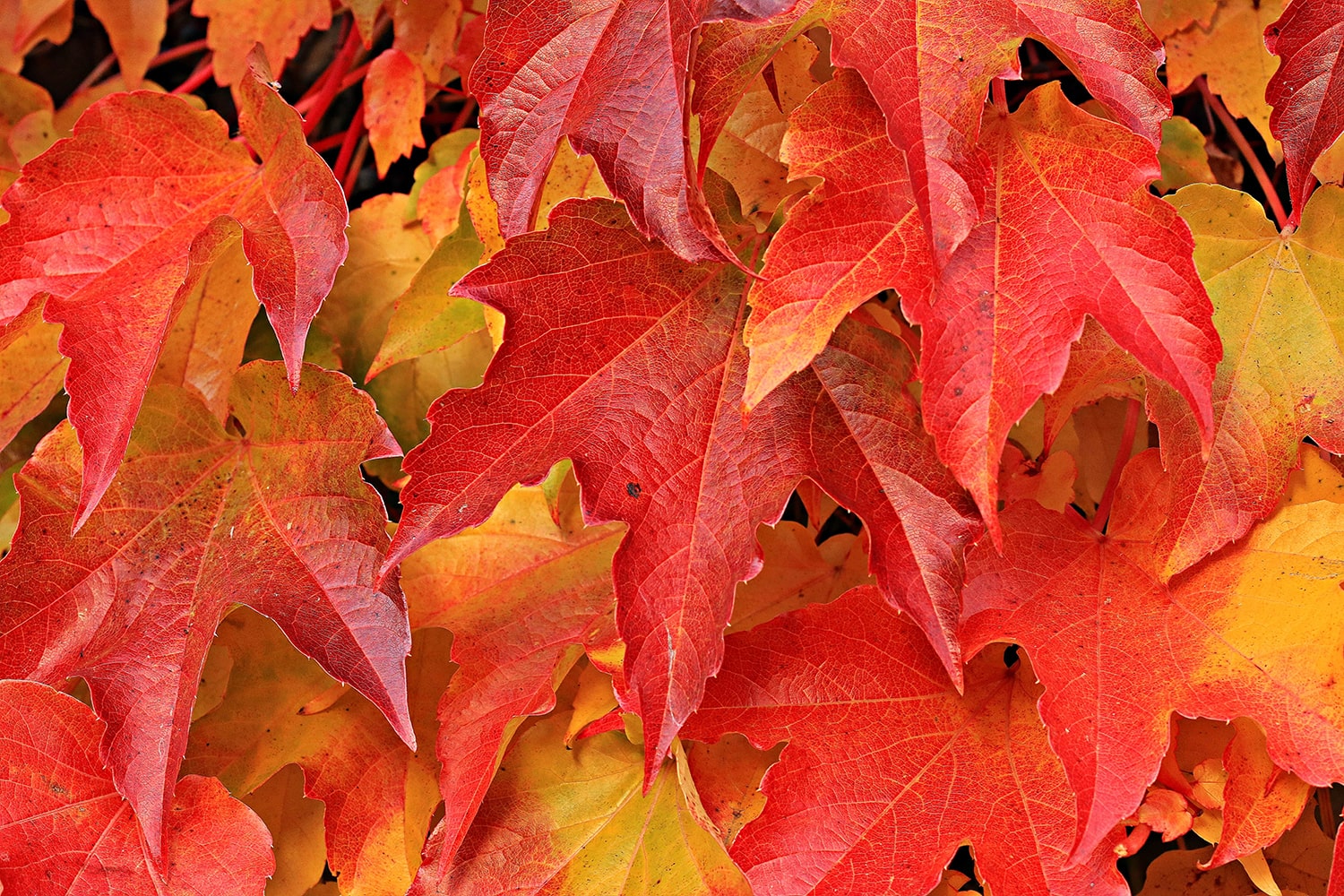
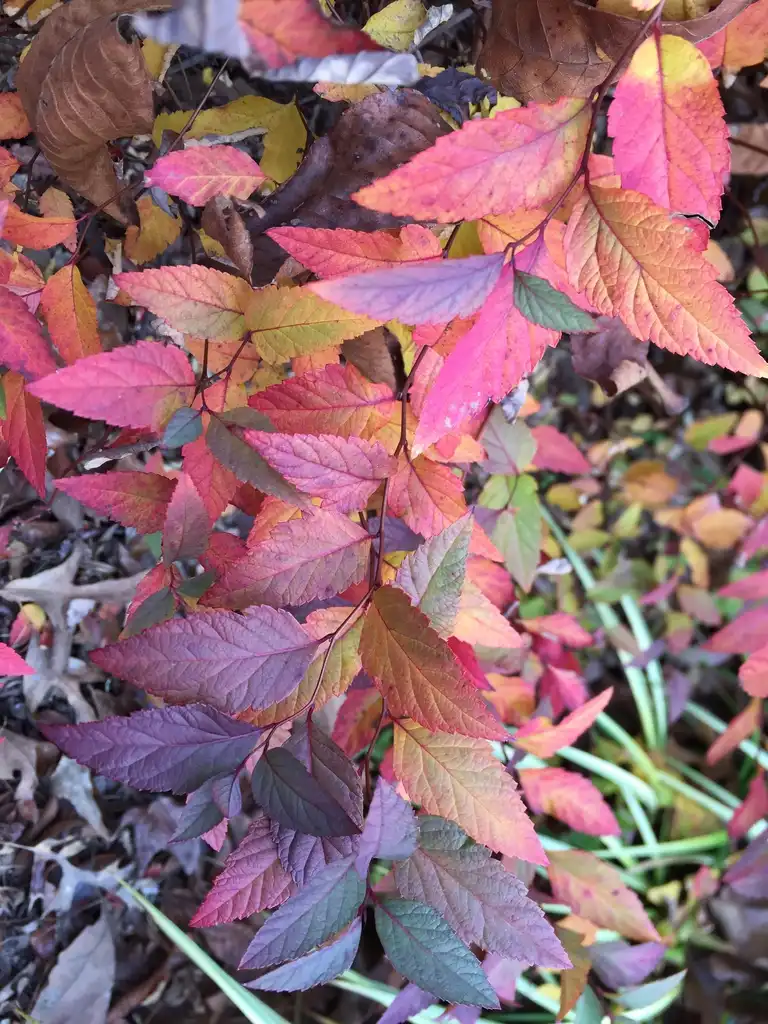
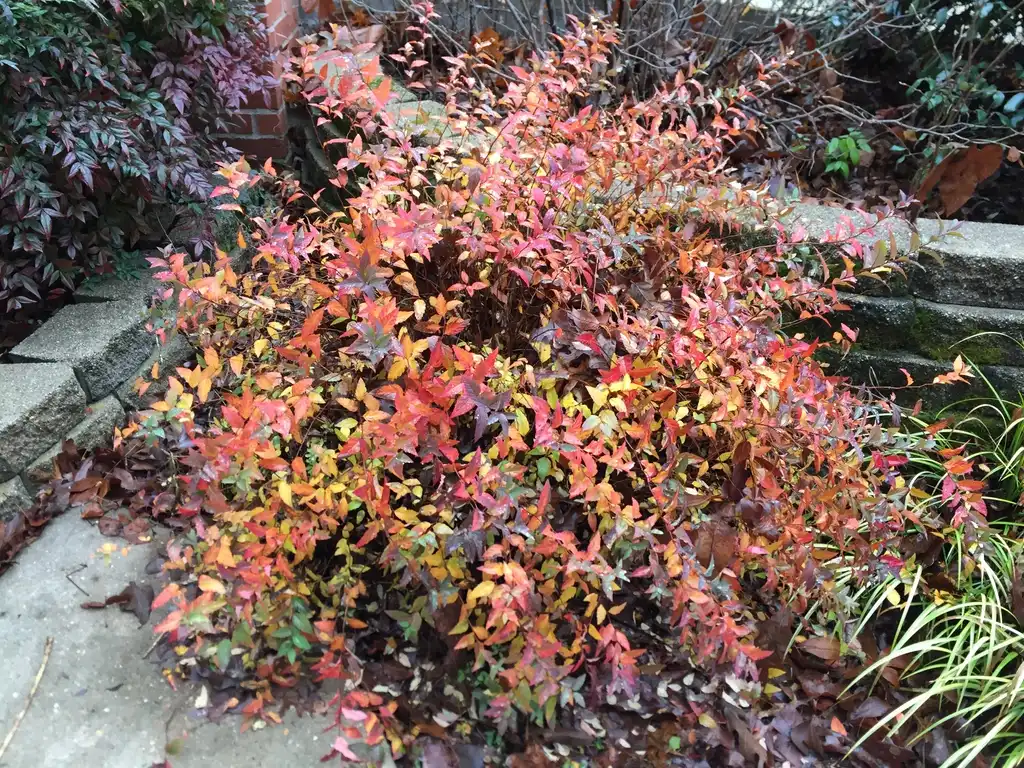
Bumalda Spiraea thrives in average, well-drained soils with medium moisture levels and prefers full sunlight, although it can tolerate light shade and a variety of soil types, including clay. Ideally, it flourishes in rich, moist loams. The shrub produces an abundance of flowers that range from white to deep pink, arranged in flattened clusters, blooming from late spring through mid-summer. To enhance flowering, it is advisable to site the plant in full sun and to lightly shear off any spent flower clusters. In spring, the foliage emerges with a pinkish-purple hue, transitions to dark green in summer, and turns a purplish-bronze in the fall. The plant has a broad, dense form and may become twiggy; however, since it blooms on new growth, pruning should be done in late winter to early spring if necessary.
Bumalda Spiraea can be quite vigorous in self-seeding and may escape cultivated areas to naturalize. Additionally, it can spread within gardens through suckering.
Regarding pests and diseases, this plant may be susceptible to deer damage, but it does not face any significant insect or disease threats. Like other members of the rose family, Spiraea can be affected by various issues, including leaf spot, fire blight, root rot, aphids, leaf rollers, and scale insects. However, it is noted for its resistance to powdery mildew.
Spiraea x bumalda Feature Summary
Spiraea x bumalda Image Gallery