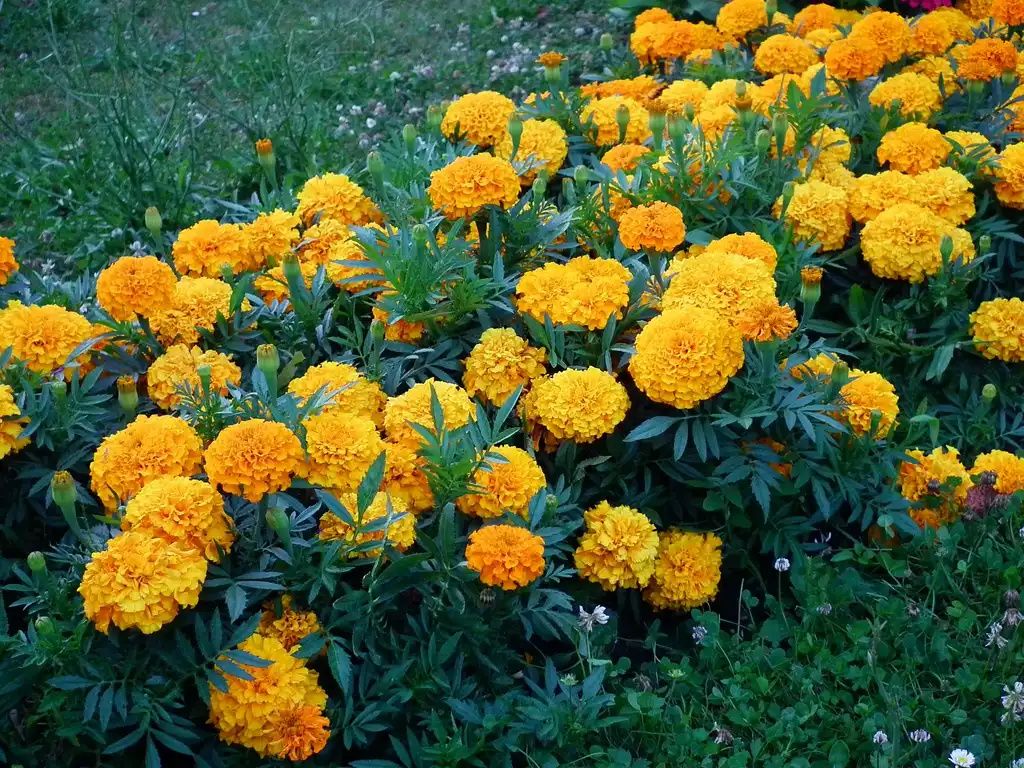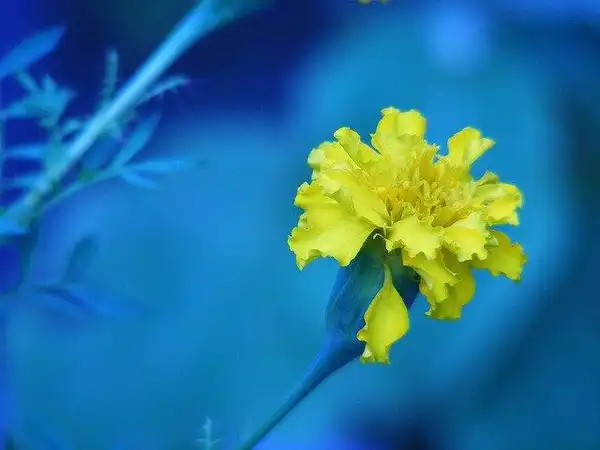
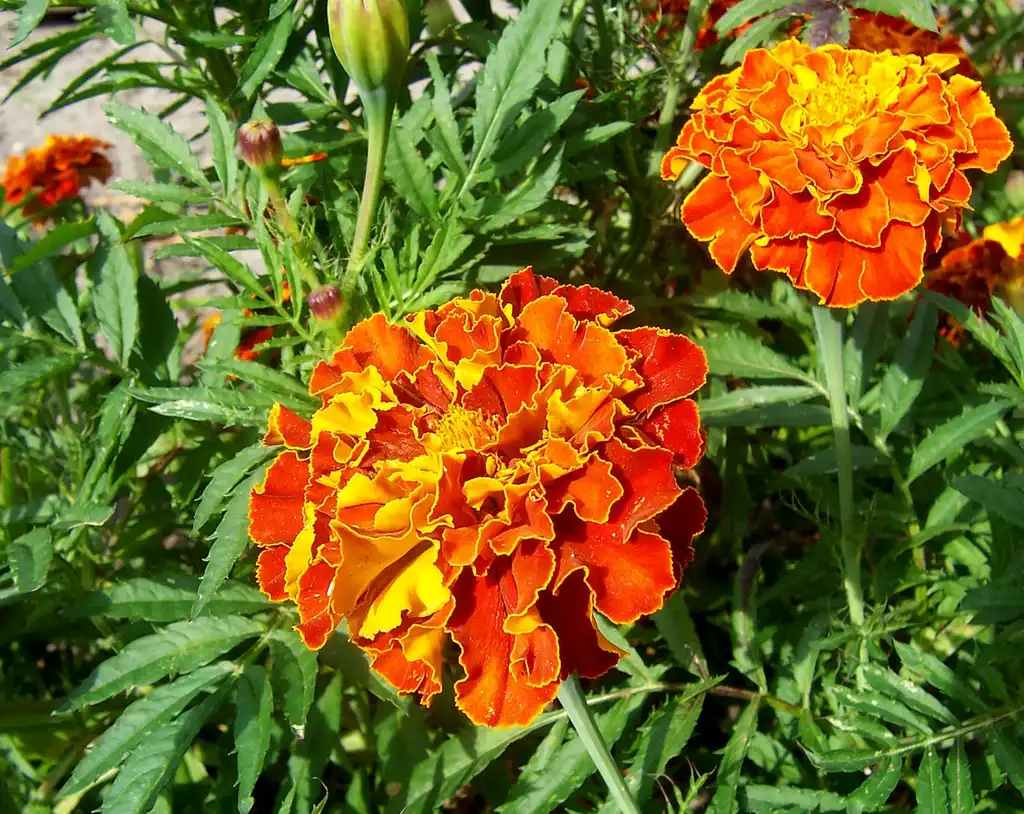
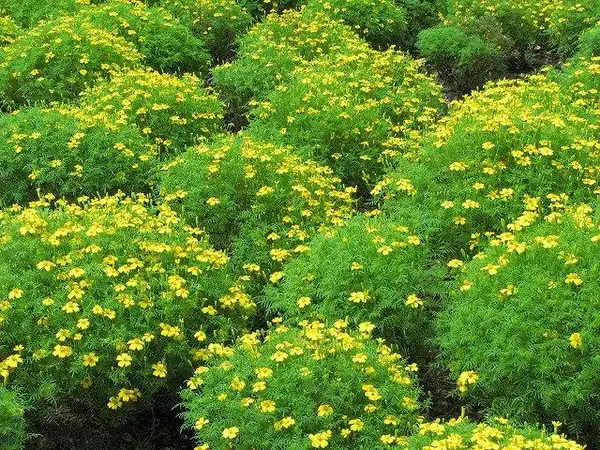
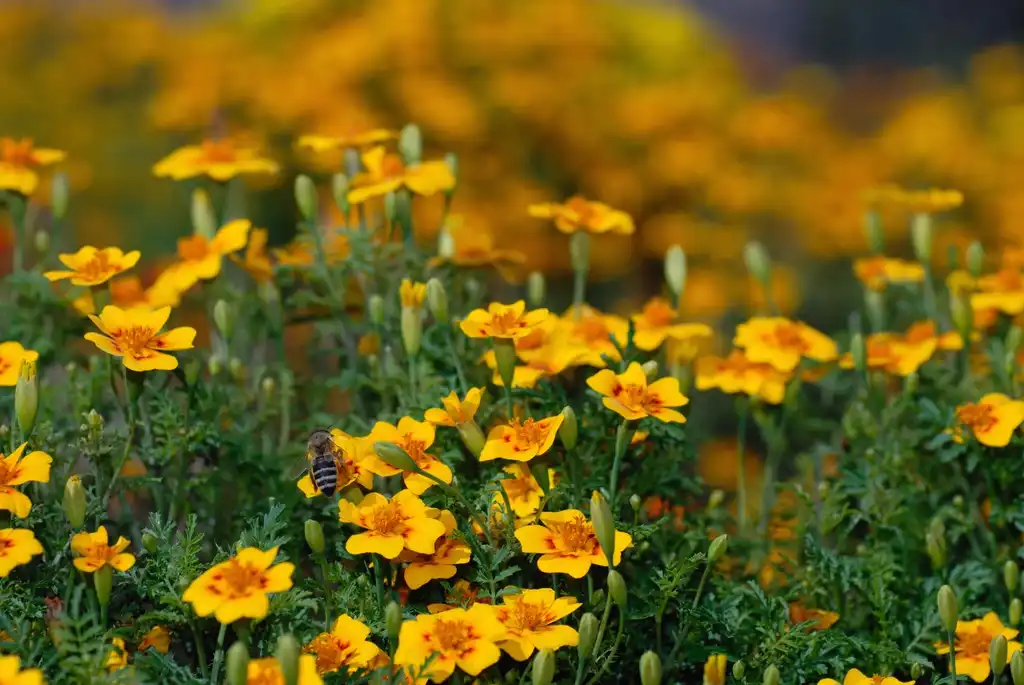
• Photo of Tagetes (Tagetess)

Plant Profile: Tagetes

Taxonomy: Tagetes

Names

Marigold

  • Photo of Tagetes (Tagetess)

Phonetic Spelling:TAG-e-teez

Genus:Tagetes

Species:spp.

Family:Asteraceae

Edible: The flowers possess a bitter taste accompanied by a spicy, herbal essence. Varieties such as 'Lemon Gem' and 'Tangerine Gem' are particularly flavorful. It is advisable to remove the bitter, white base of the petals, as consuming them in large quantities may pose health risks. These flowers can be used to infuse tea, enhance the color of dishes, and serve as a tarragon substitute.

Wildlife Value: This plant is rarely affected by deer.

Tagetes Feature Summary

Tagetes Image Gallery

Tags

#fragrant
#hummingbirds
#showy flowers
#poisonous
#summer annual
#apvg
#cpp
#edging
#deer resistant
#butterfly friendly
#apvg-a
#container plants

Similar Plants

Tagetes Feature Summary

Attributes
Houseplant or interiorscape; landscape in flower gardens as tender, herbaceous annual.
Seldom damaged by deer
Lemon Gem’ and ‘Tangerine Gem’ have the best flavor; remove the bitter, white base of the petal. May be harmful if eaten in large amounts. Used in tea, coloring foods, substitute for tarragon.
Poisonous to Humans
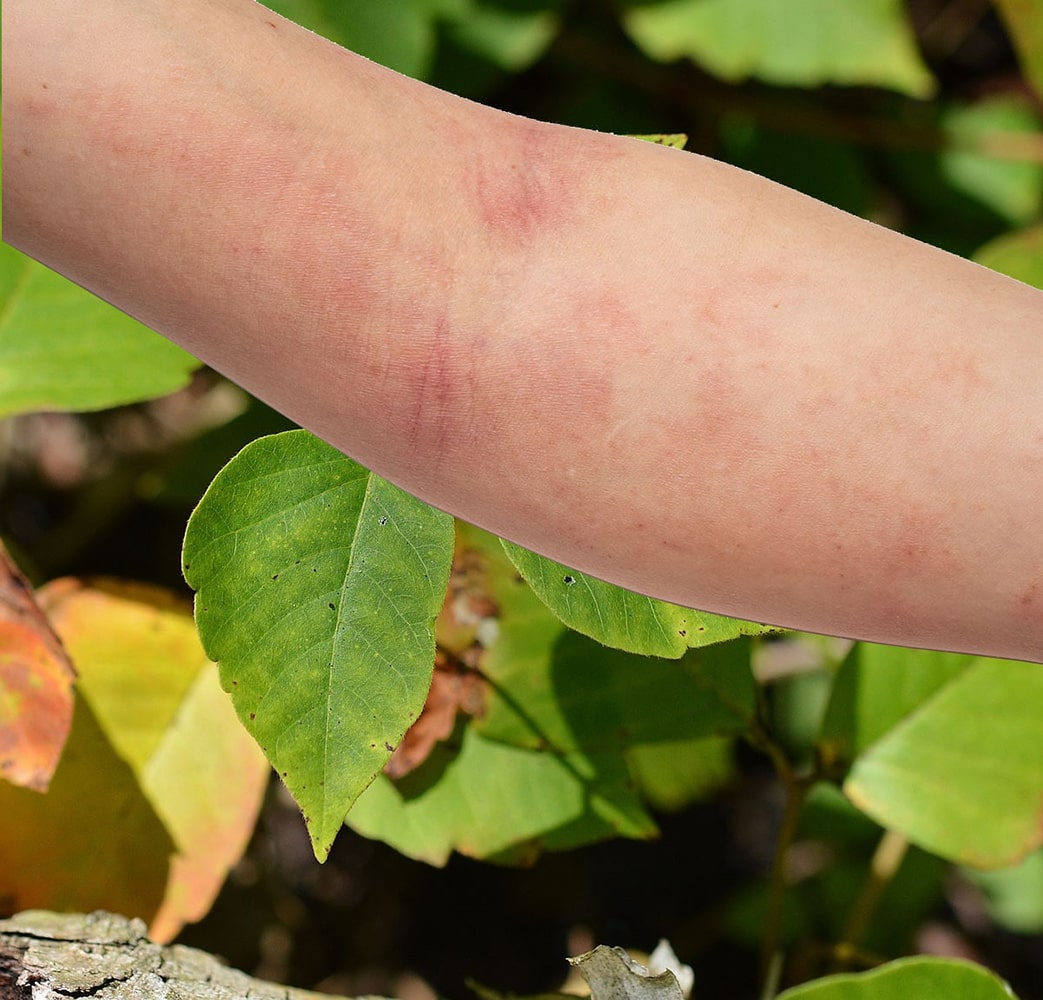
Skin redness, burning pain, and blisters when broken skin is in contact with cell sap plus sunlight; nose and eye irritation from aroma of flowers.
Phototoxic thiophene derivatives
Leaves
Flowers
Roots
Whole Plant Traits
Edible
Poisonous
Herb
Clumping
Cultural Conditions
Full sun (6 or more hours of direct sunlight a day)
Partial Shade (Direct sunlight only part of the day, 2-6 hours)
Less than 12 inches
Coastal
Mountains
Piedmont
Flowers
Gold/Yellow
Red/Burgundy
Orange
Edible
Long Bloom Season
< 1 inch
Leaves
Compound (Pinnately , Bipinnately, Palmately)
Opposite
Alternate
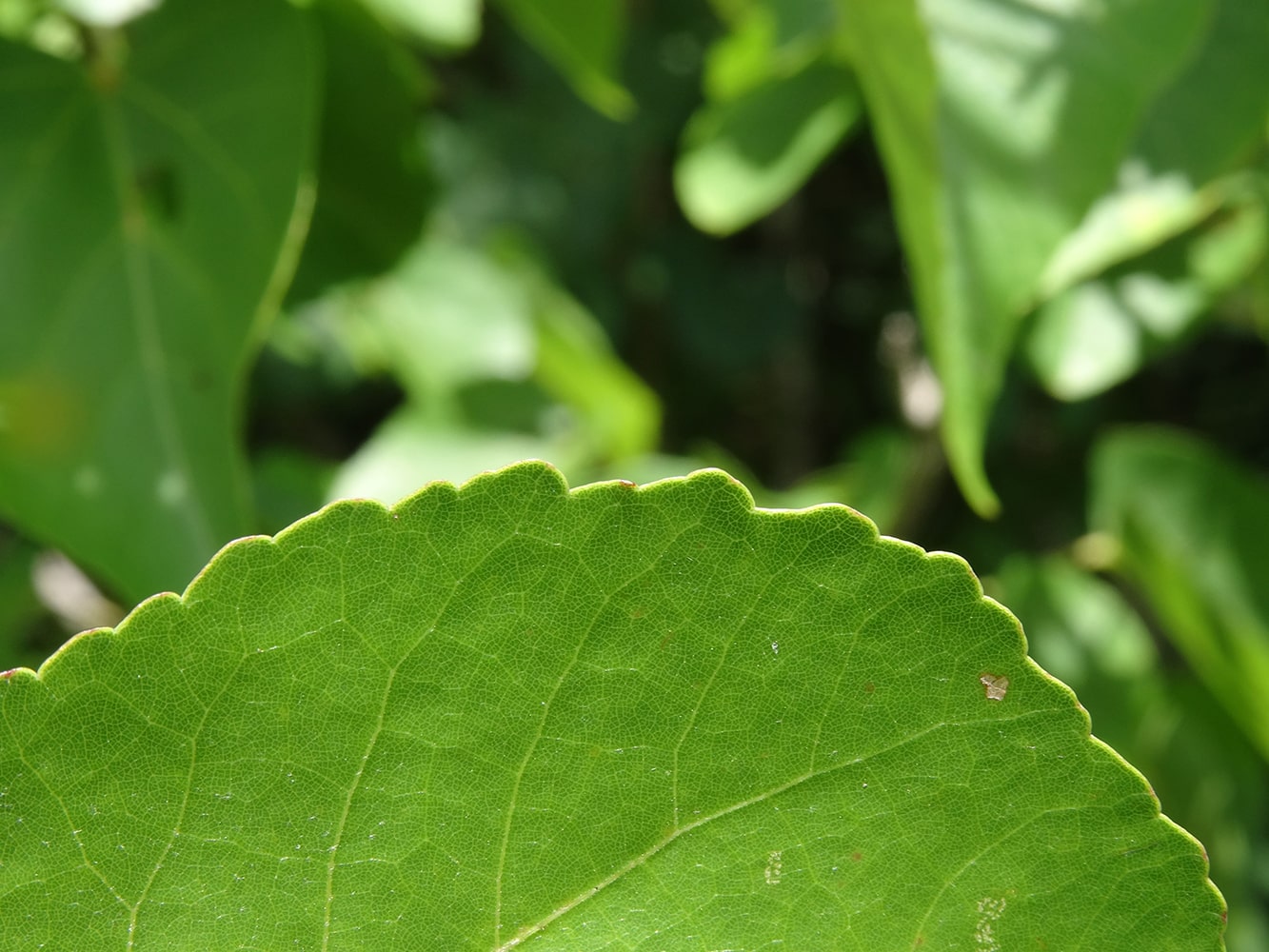
Denticulate
Landscape
Cutting Garden
Drought Tolerant Garden
Edible Garden
Cottage Garden
Container
Patio
Walkways
Recreational Play Area
Small Space
Houseplants
Pool/Hardscape
Butterflies
Songbirds
Poisonous to Humans
Contact Dermatitis

Tagetes Attributes

Tagetes: Uses (Ethnobotany)

Houseplant or interiorscape; landscape in flower gardens as tender, herbaceous annual.
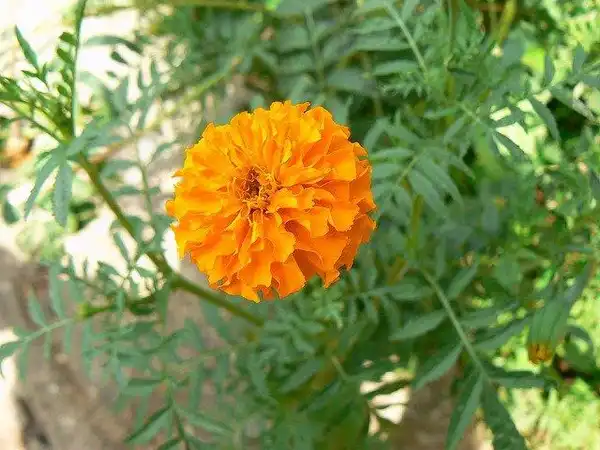
Tagetes: Country Or Region Of Origin

Mexico, Guatamala

Tagetes: Wildlife Value

Seldom damaged by deer

Tagetes: Edibility

Lemon Gem’ and ‘Tangerine Gem’ have the best flavor; remove the bitter, white base of the petal. May be harmful if eaten in large amounts. Used in tea, coloring foods, substitute for tarragon.

Tagetes: Life Cycle

Annual
Biennial
Bulb
Perennial
Woody

Tagetes Poisonous to Humans

Tagetes: Poison Symptoms

Skin redness, burning pain, and blisters when broken skin is in contact with cell sap plus sunlight; nose and eye irritation from aroma of flowers.

Tagetes: Poison Toxic Principle

Phototoxic thiophene derivatives

Tagetes: Poison Severity

High
Low
Medium

Tagetes: Causes Contact Dermatitis

No
Yes

Tagetes: Poison Part

Bark
Flowers
Fruits
Leaves
Roots
Sap/Juice
Seeds
Stems

Tagetes Whole Plant Traits

Tagetes: Plant Type

Annual
Bulb
Carnivorous
Edible
Epiphyte
Fern
Ground Cover
Herb
Herbaceous Perennial
Houseplant
Mushroom
Native Plant
Ornamental Grasses and Sedges
Perennial
Poisonous
Rose
Shrub
Succulent
Tree
Turfgrass
Vegetable
Vine
Water Plant
Weed
Wildflower

Tagetes: Habit/Form

Arching
Ascending
Broad
Cascading
Climbing
Clumping
Columnar
Conical
Creeping
Dense
Erect
Horizontal
Irregular
Mounding
Multi-stemmed
Multi-trunked
Open
Oval
Prostrate
Pyramidal
Rounded
Spreading
Vase
Weeping

Tagetes: Maintenance

Low
Medium
High

Tagetes Cultural Conditions

Tagetes: Light

Dappled Sunlight (Shade through upper canopy all day)
Deep shade (Less than 2 hours to no direct sunlight)
Full sun (6 or more hours of direct sunlight a day)
Partial Shade (Direct sunlight only part of the day, 2-6 hours)

Tagetes: Available Space To Plant

12 inches-3 feet
12-24 feet
24-60 feet
3 feet-6 feet
6-feet-12 feet
Less than 12 inches
more than 60 feet

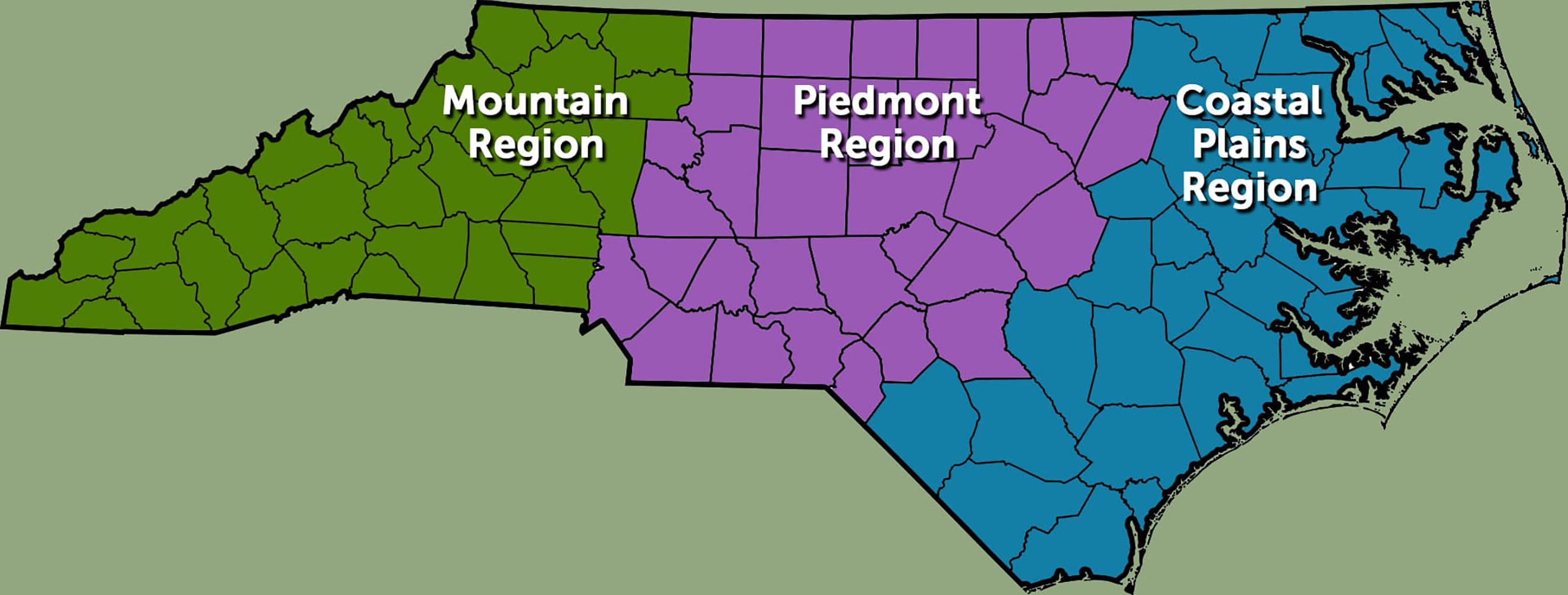
Tagetes: NC Region

Coastal
Mountains
Piedmont

Tagetes Flowers

Tagetes: Flower Color

filter_vintage
Gold/Yellow
filter_vintage
Orange
filter_vintage
Red/Burgundy

Tagetes: Flower Value To Gardener

Edible
Fragrant
Good Cut
Good Dried
Long Bloom Season
Long-lasting
Showy

Tagetes: Flower Bloom Time

Winter
Spring
Summer
Fall

Tagetes: Flower Size

1-3 inches
3-6 inches
< 1 inch
> 6 inches

Tagetes Leaves

Tagetes: Leaf Color

spa
Green

Tagetes: Leaf Type

Compound (Pinnately , Bipinnately, Palmately)
Fronds
Needles
Sheath
Simple

Tagetes: Leaf Arrangement

Alternate
Opposite
Other/more complex
Rosulate
Whorled

Tagetes: Leaf Margin

Crenate
Crenulate
Dentate
Denticulate
Doubly Crenate
Doubly Dentate
Doubly Serrate
Entire
Lobed
Serrate
Sinuate
Undulate

Tagetes: Hairs Present

No
Yes

Tagetes Stem

Tagetes: Stem Is Aromatic

No
Yes

Tagetes Landscape

Tagetes: Landscape Theme

Asian Garden
Butterfly Garden
Children's Garden
Cottage Garden
Cutting Garden
Drought Tolerant Garden
Edible Garden
English Garden
Fairy Garden
Garden for the Blind
Native Garden
Nighttime Garden
Pollinator Garden
Rain Garden
Rock Garden
Shade Garden
Water Garden
Winter Garden

Tagetes: Resistance To Challenges

Black Walnut
Compaction
Deer
Diseases
Drought
Dry Soil
Erosion
Fire
Foot Traffic
Heat
Heavy Shade
Humidity
Insect Pests
Pollution
Poor Soil
Rabbits
Salt
Slugs
Squirrels
Storm damage
Urban Conditions
Voles
Wet Soil
Wind

Tagetes: Landscape Location

Coastal
Container
Hanging Baskets
Houseplants
Lawn
Meadow
Naturalized Area
Near Septic
Patio
Pond
Pool/Hardscape
Recreational Play Area
Riparian
Rock Wall
Slope/Bank
Small Space
Vertical Spaces
Walkways
Woodland

Tagetes: Attracts

Bats
Bees
Butterflies
Frogs
Hummingbirds
Moths
Pollinators
Predatory Insects
Reptiles
Small Mammals
Songbirds
Specialized Bees

Tagetes: Problems

Allelopathic
Contact Dermatitis
Frequent Disease Problems
Frequent Insect Problems
Invasive Species
Malodorous
Messy
Poisonous to Humans
Problem for Cats
Problem for Children
Problem for Dogs
Problem for Horses
Short-lived
Spines/Thorns
Weak Wood
Weedy