Tamarix ramosissima: Uses (Ethnobotany)
Gardens, Rain Gardens
Phonetic Spelling:TAM-uh-riks ram-oh-SIS-ee-muh
Genus:Tamarix
Species:ramosissima
Family:Tamaricaceae
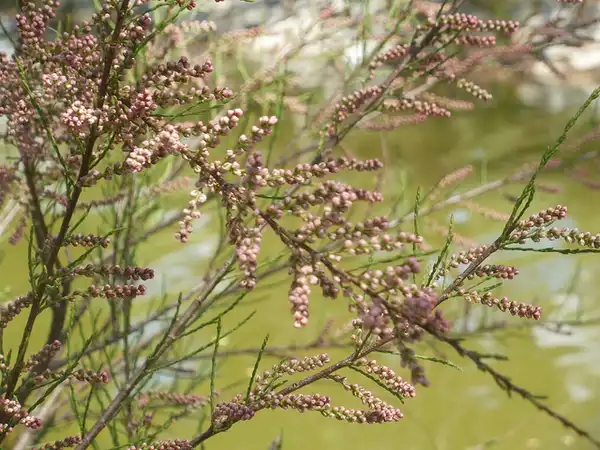
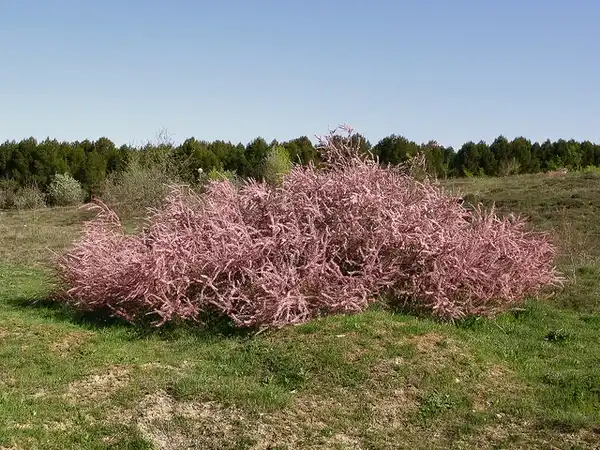
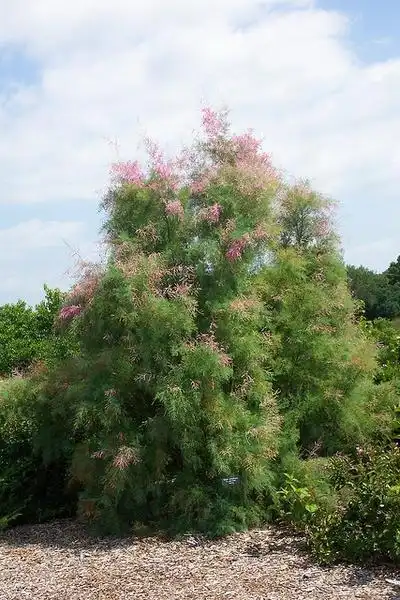
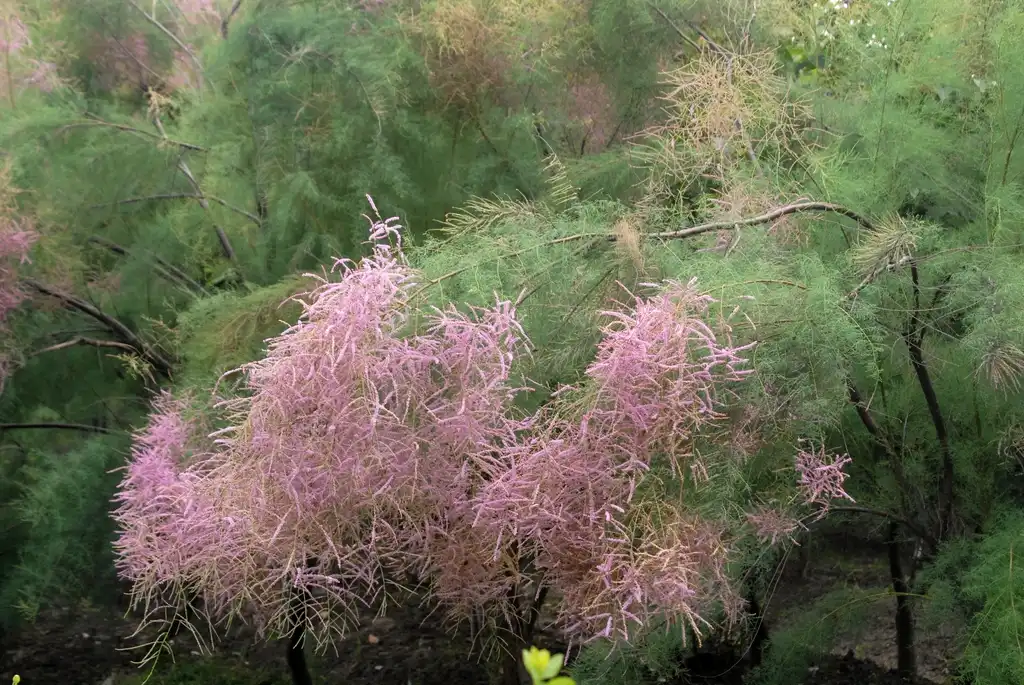
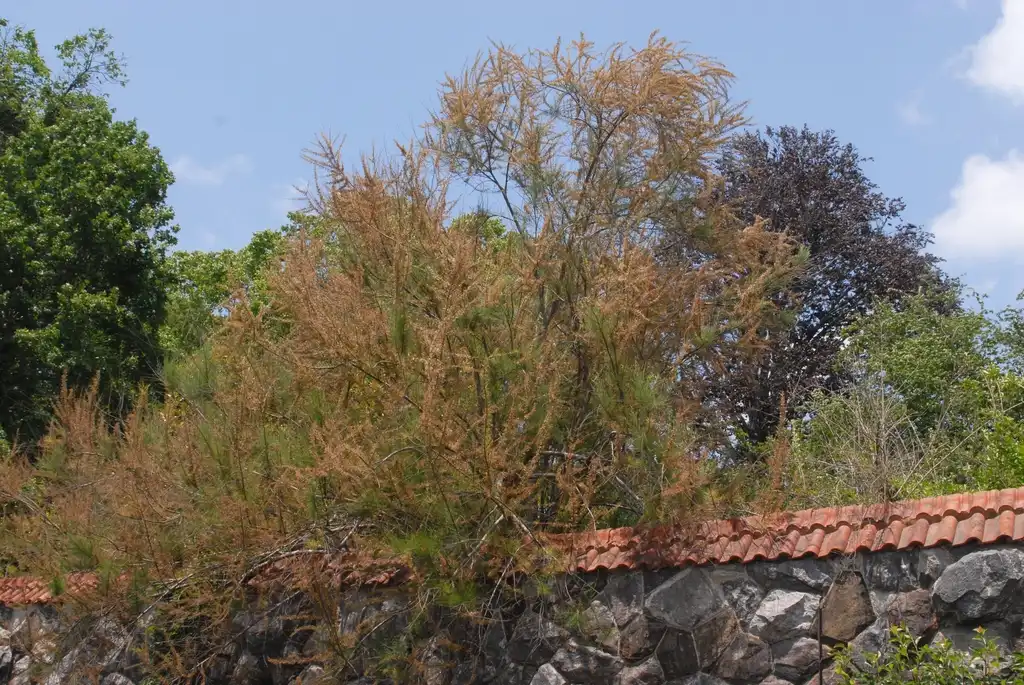
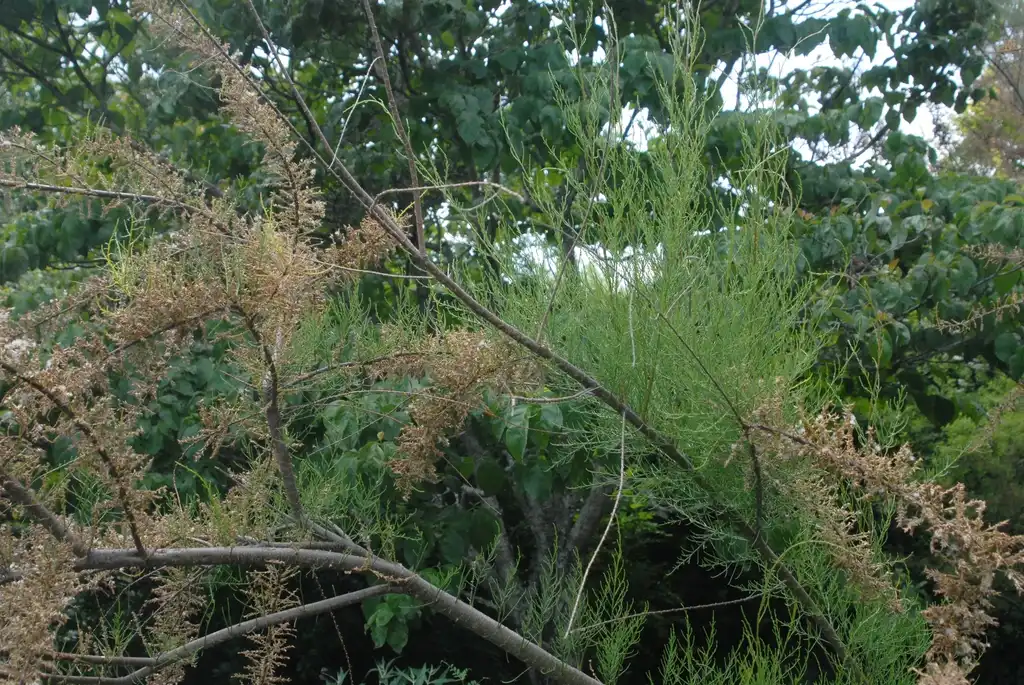
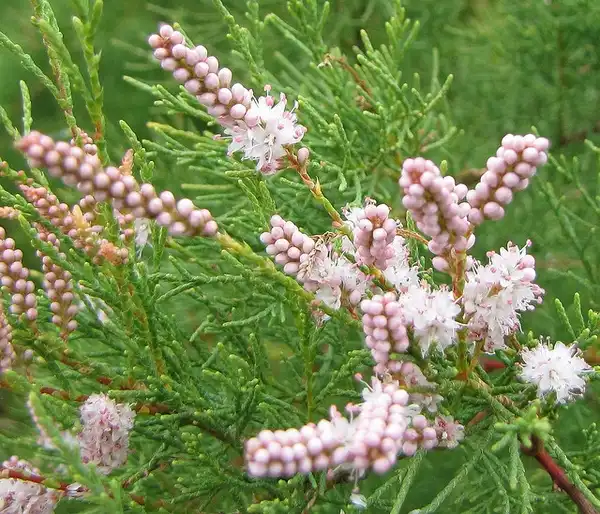
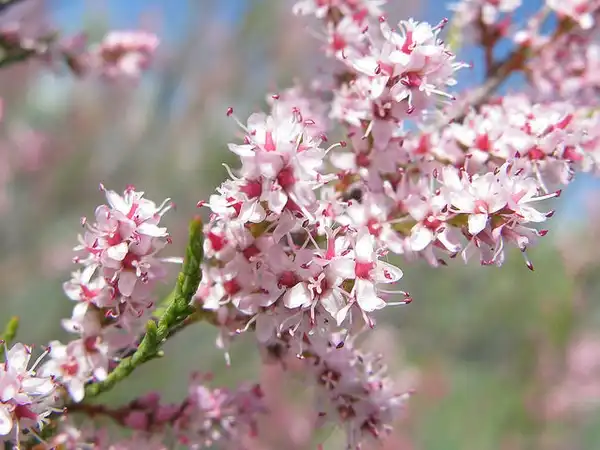
This vibrant summer-blooming shrub or small tree grows quickly and is typically found in coastal regions. It features scaly, gray-green foliage reminiscent of juniper, yet it is neither a conifer nor an evergreen. From June to August, it produces delicate pink flowers. The branches are long, slender, and gracefully arching, displaying an appealing reddish hue. This plant is often utilized in rain gardens and naturalized landscapes, prized for its moderate tolerance to salt, making it a popular choice along shorelines. The common name "salt cedar" reflects not only its ability to endure saline environments but also its capacity to excrete salt. To promote rejuvenation and maintain a compact shape, prune it back to the ground in late winter to early spring, similar to how one would care for Buddleja spp. Be cautious with fertilizer, as this tree has a shallow root system. It can serve as an effective windbreak or erosion control on the outer edges of a landscape, where its less attractive winter appearance won’t be a concern.
Wildlife Value: This plant can withstand damage from deer.
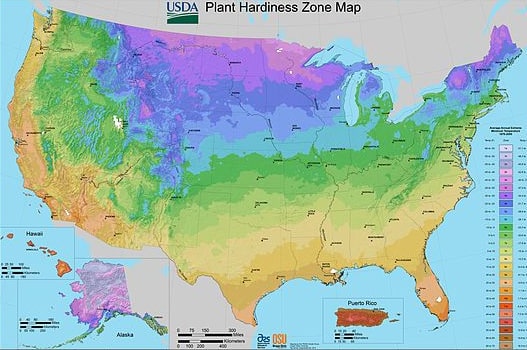
Insects, Diseases, and Other Plant Problems: Exercise caution when planting, as it can become quite invasive in warm coastal and riparian zones 8-10.
It is synonymous with Tamarix gallica, T. chinensis, and T. pentandra.
Tamarix ramosissima Feature Summary
Tamarix ramosissima Image Gallery