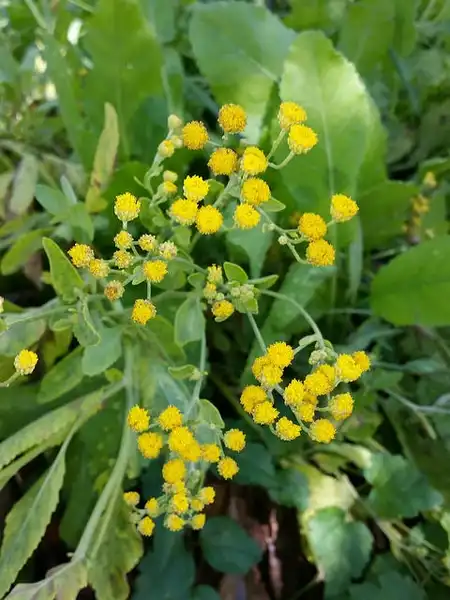
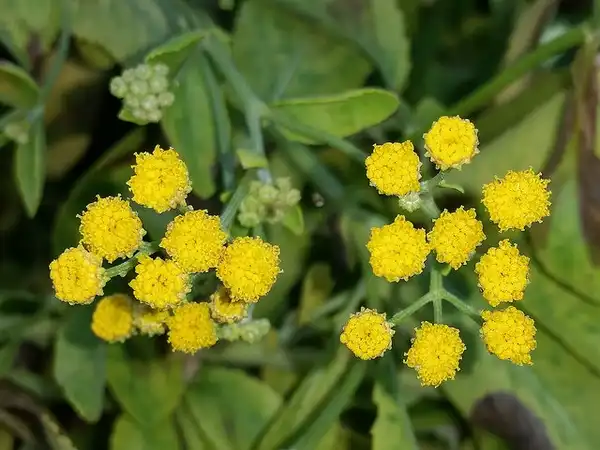
• Photo of Tanacetum balsamita (Tanacetum balsamitas)

Plant Profile: Tanacetum balsamita

Taxonomy: Tanacetum balsamita

Names

Alecost, Bible Leaf, Chrysanthemum, Costmary, Mint Geranium

  • Photo of Tanacetum balsamita (Tanacetum balsamitas)

Phonetic Spelling:TAN-uh-SEE-tum bal-SAM-it-uh

Genus:tanacetum

Species:balsamita

Family:Asteraceae

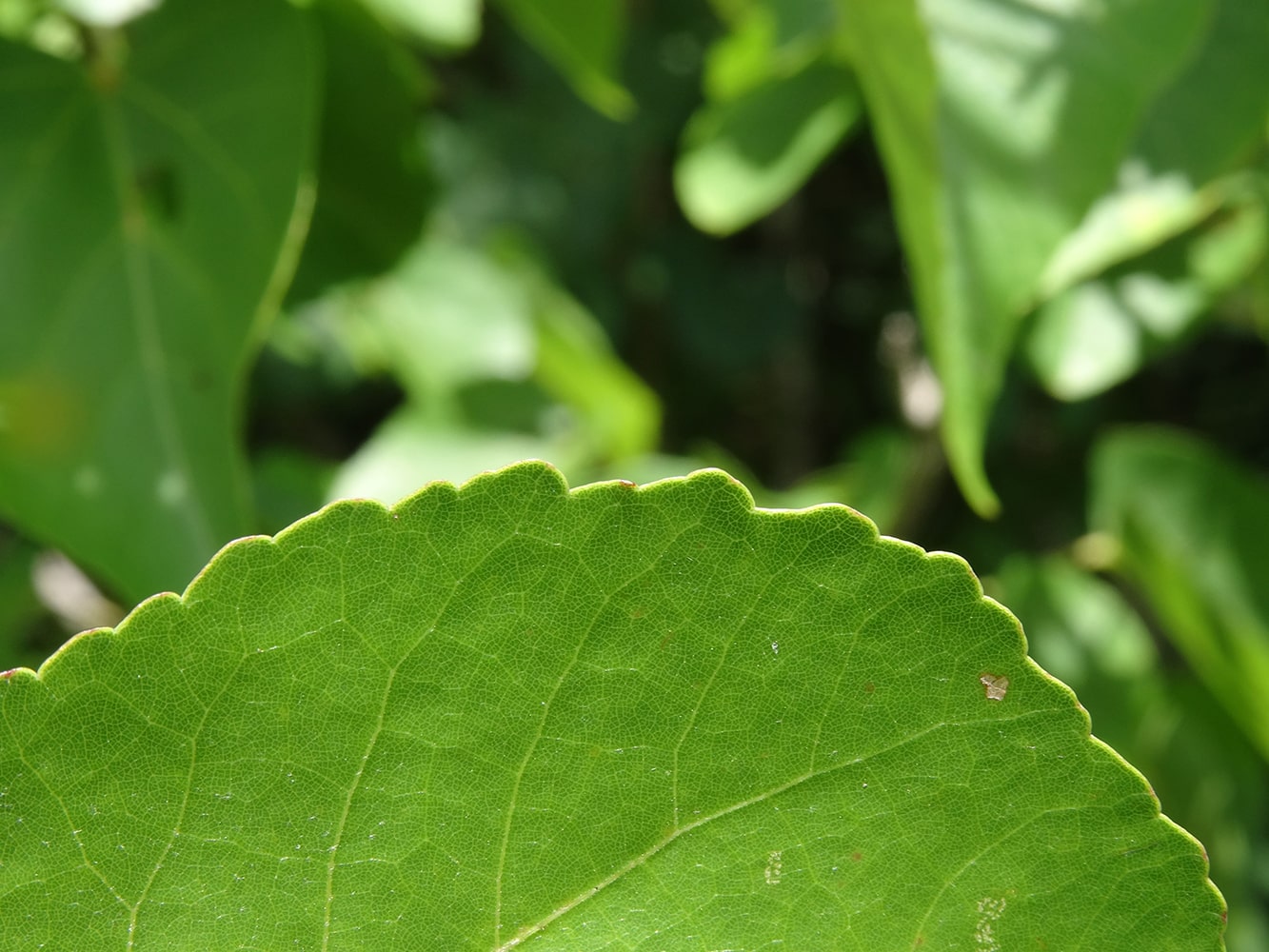
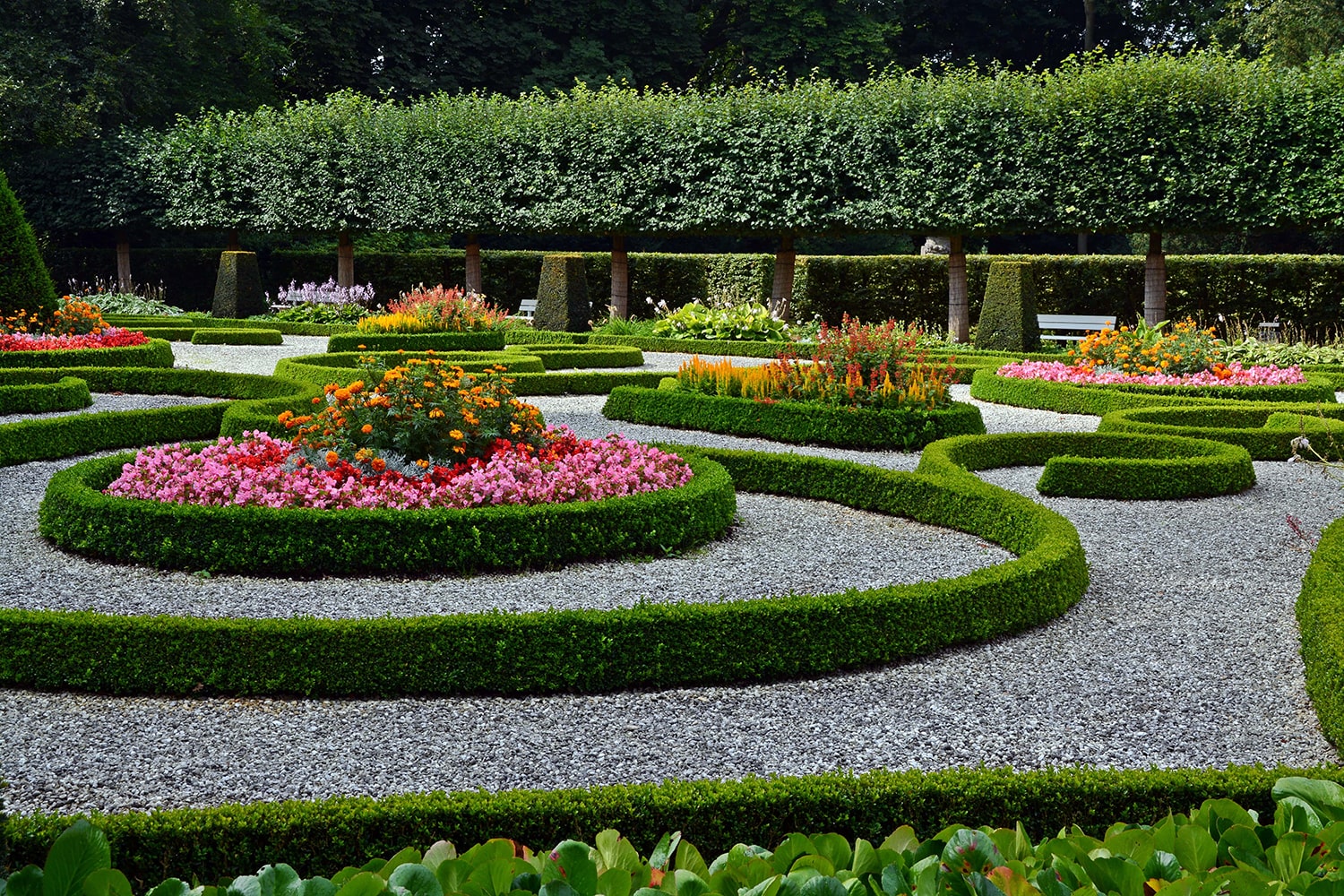
Costmary is a perennial herb characterized by its oval, serrated leaves that emit a pleasant eucalyptus scent. This herb is sweeter and more fragrant than Tansy, and when trimmed, it can serve as a beautiful and aromatic hedge in herb gardens or perennial borders. Although commonly referred to as mint geranium, it is not related to either the mint or geranium families; instead, it belongs to the Asteraceae family.

Tanacetum balsamita Feature Summary

Tanacetum balsamita Image Gallery

Tags

#fragrant
#herb garden
#borders
#edible garden
#problem for cats
#problem for dogs
#problem for horses

Similar Plants

Tanacetum balsamita Feature Summary

Attributes
Herb/edible garden, fragrant hedge, perennial border
Perennial
Leaves
Eucalyptus fragrance. Sweeter and more aromatic than Tansy. It can be used in place of mint in iced drinks and as a sage substitute in stuffing. It pairs well with egg and seafood dishes, and also sweet dishes like fruits and cake. Use sparingly as a little goes a long way, the leaf has a sharp tang and can rapidly be overpowering in any dish.
Whole Plant Traits
Perennial
Edible
Herb
Landscape
Edible Garden
Border
Hedge
Mass Planting
Problem for Cats
Problem for Dogs
Problem for Horses

Tanacetum balsamita Attributes

Tanacetum balsamita: Uses (Ethnobotany)

Herb/edible garden, fragrant hedge, perennial border
Tanacetum balsamita: Country Or Region Of Origin

Mediterranean

Tanacetum balsamita: Edibility

Edible

Tanacetum balsamita: Life Cycle

Annual
Biennial
Bulb
Perennial
Woody

Tanacetum balsamita Leaves

Tanacetum balsamita: Leaf Description

Eucalyptus fragrance. Sweeter and more aromatic than Tansy. It can be used in place of mint in iced drinks and as a sage substitute in stuffing. It pairs well with egg and seafood dishes, and also sweet dishes like fruits and cake. Use sparingly as a little goes a long way, the leaf has a sharp tang and can rapidly be overpowering in any dish.

Tanacetum balsamita: Leaf Color

spa
Green

Tanacetum balsamita: Leaf Shape

Acicular
Auriculate
Cordate
Cuneate
Deltoid
Elliptical
Filiform
Lanceolate
Linear
Oblanceolate
Oblong
Obovate
Obtuse
Orbicular
Ovate
Palmasect
Palmatifid
Peltate
Pinnatifid
Pinnatisect
Reniform
Rhomboidal
Spatulate
Subcordate
Subulate

Tanacetum balsamita: Leaf Margin

Crenate
Crenulate
Dentate
Denticulate
Doubly Crenate
Doubly Dentate
Doubly Serrate
Entire
Lobed
Serrate
Sinuate
Undulate

Tanacetum balsamita: Hairs Present

No
Yes

Tanacetum balsamita: Leaf Value To Gardener

Edible
Fragrant
Good Cut
Good Dried
Long-lasting
Showy

Tanacetum balsamita Whole Plant Traits

Tanacetum balsamita: Plant Type

Annual
Bulb
Carnivorous
Edible
Epiphyte
Fern
Ground Cover
Herb
Herbaceous Perennial
Houseplant
Mushroom
Native Plant
Ornamental Grasses and Sedges
Perennial
Poisonous
Rose
Shrub
Succulent
Tree
Turfgrass
Vegetable
Vine
Water Plant
Weed
Wildflower

Tanacetum balsamita Stem

Tanacetum balsamita: Stem Is Aromatic

No
Yes

Tanacetum balsamita Landscape

Tanacetum balsamita: Landscape Theme

Asian Garden
Butterfly Garden
Children's Garden
Cottage Garden
Cutting Garden
Drought Tolerant Garden
Edible Garden
English Garden
Fairy Garden
Garden for the Blind
Native Garden
Nighttime Garden
Pollinator Garden
Rain Garden
Rock Garden
Shade Garden
Water Garden
Winter Garden

Tanacetum balsamita: Design Feature

Accent
Barrier
Border
Flowering Tree
Foundation Planting
Hedge
Mass Planting
Screen/Privacy
Security
Shade Tree
Small groups
Small Tree
Specimen
Street Tree
Understory Tree

Tanacetum balsamita: Problems

Allelopathic
Contact Dermatitis
Frequent Disease Problems
Frequent Insect Problems
Invasive Species
Malodorous
Messy
Poisonous to Humans
Problem for Cats
Problem for Children
Problem for Dogs
Problem for Horses
Short-lived
Spines/Thorns
Weak Wood
Weedy