Tricyrtis hirta: Country Or Region Of Origin
Central & S. Japan
Phonetic Spelling:
Genus:Tricyrtis
Species:hirta
Family:Liliaceae
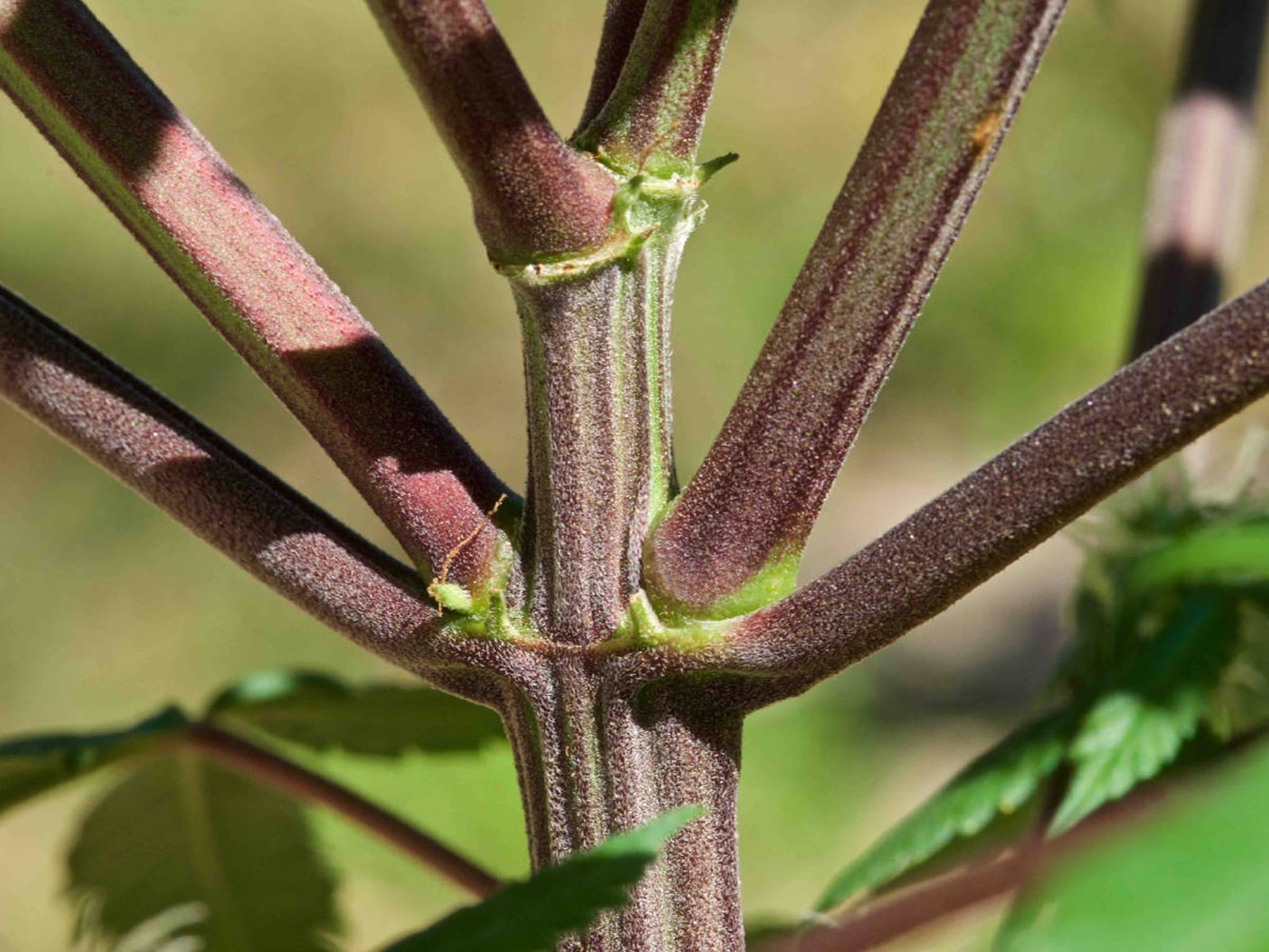
The Hairy Toad Lily, also known as the Japanese Toad Lily, is indigenous to the Japanese islands of Honshu, Shikoku, and Kyushu. In its natural environment, this plant thrives on shaded rock cliffs and along stream banks. The genus name "Tricyrtis" derives from Greek, where "tri" means three and "kyrtos" translates to humped, a reference to the swollen, sac-like nectaries. The species name "hirta" translates to hairy, which is the basis for its common name, Hairy Toad Lily. Over the past two decades, various cultivars and hybrids have emerged in both Japan and the United States, making many Tricyrtis species available at local and specialty nurseries.
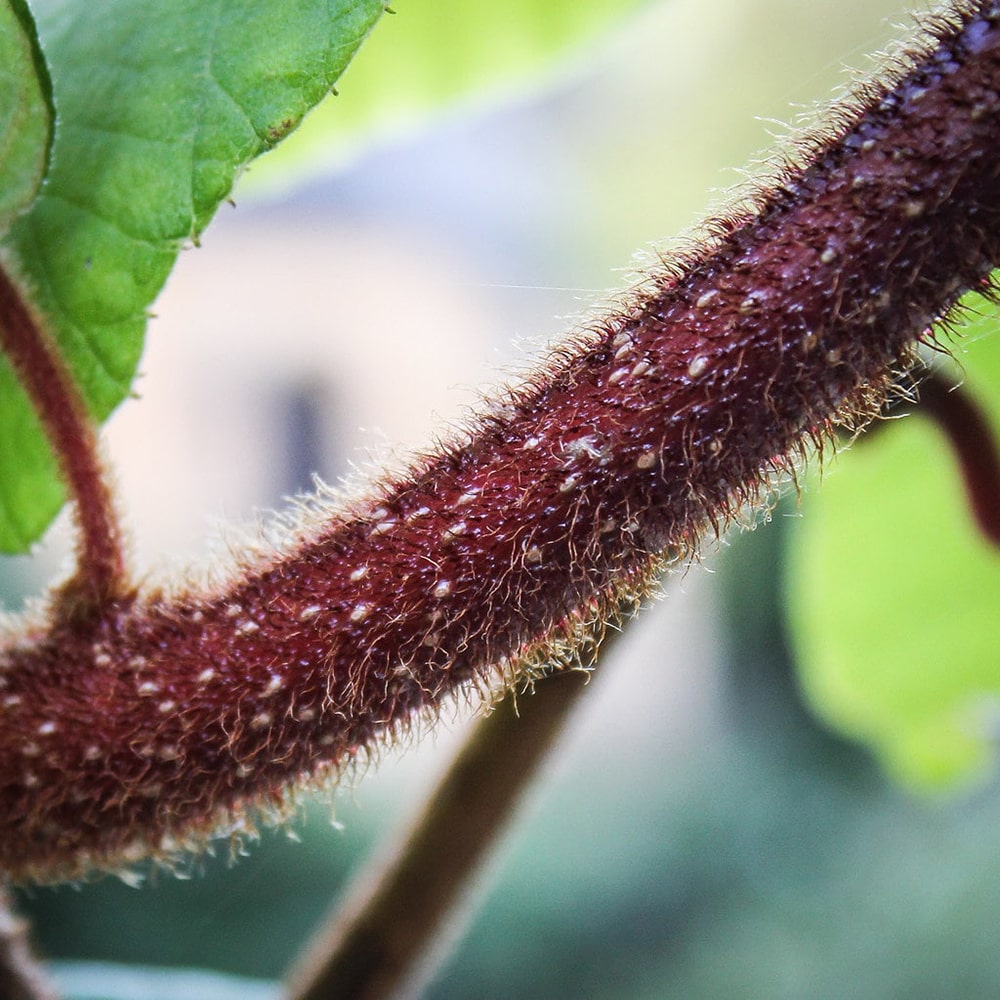
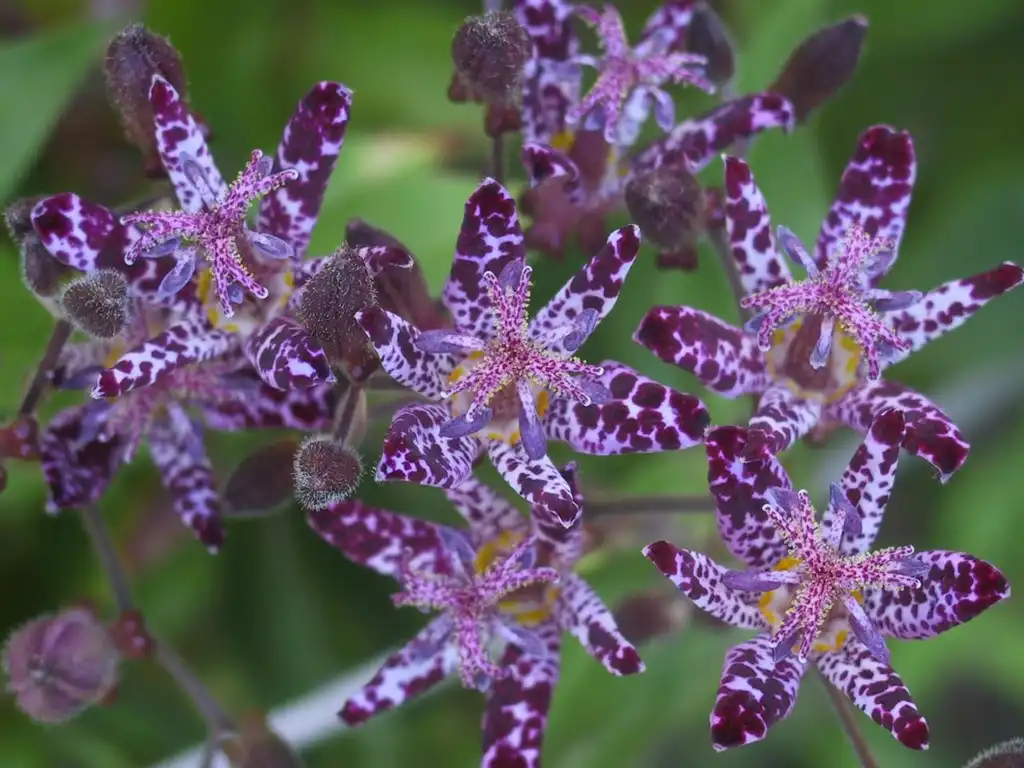
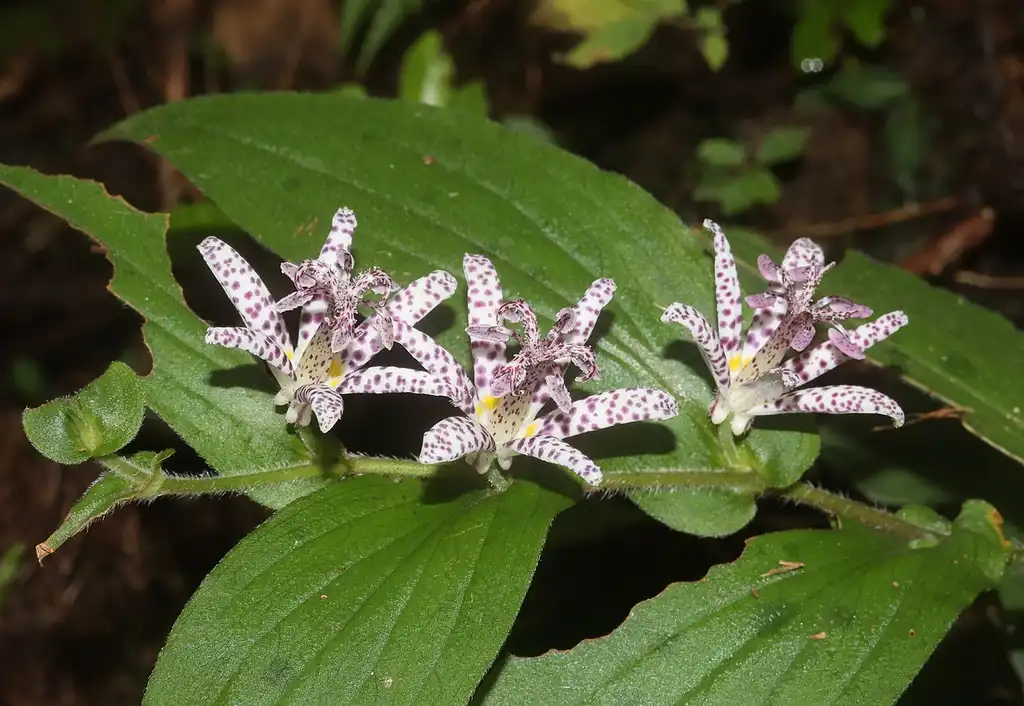
The Hairy Toad Lily can be propagated through seeds, stem cuttings, or divisions. It features slow-growing, creeping rhizomes and forms clumps of green foliage that can spread between 18 to 23 inches. Its striking flowers, which range from white to lavender adorned with purple speckles, bloom from summer into fall.
These distinctive plants serve beautifully as accent or border plants, allowing for close-up appreciation. They pair well with other shade-loving species such as hostas, ferns, astilbe, and hellebores. Preferring slightly acidic soil rich in organic matter, they thrive in moist conditions and should not be allowed to dry out. Ideal planting locations include shaded to partially shaded areas.
However, there are some challenges to consider: rabbits are known to nibble on the leaves and buds. Additionally, the Tricyrtis floral virus, transmitted by aphids, can cause flowers to become mottled and eventually turn entirely purple. Anthracnose may also lead to small orange spots appearing on the leaves. To mitigate this fungal issue, it is advisable to keep the foliage dry and to water only at the base of the plant.
Tricyrtis hirta Feature Summary