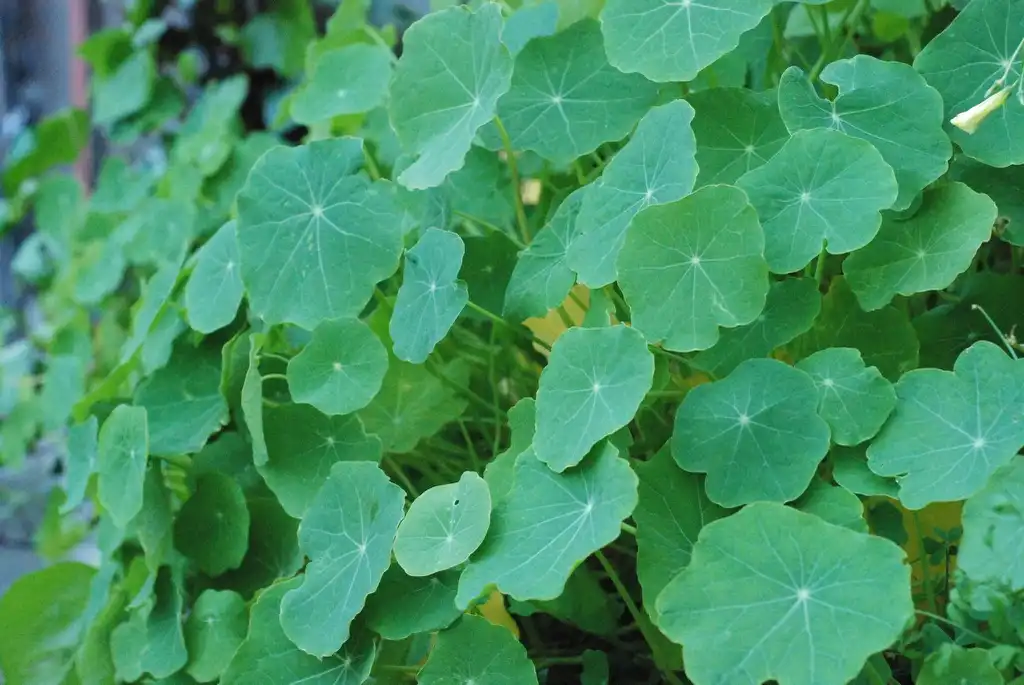
Tropaeolum: Country Or Region Of Origin
Southern America and Mexico Southeast
Phonetic Spelling:
Genus:Tropaeolum
Species:
Family:Tropaeolaceae
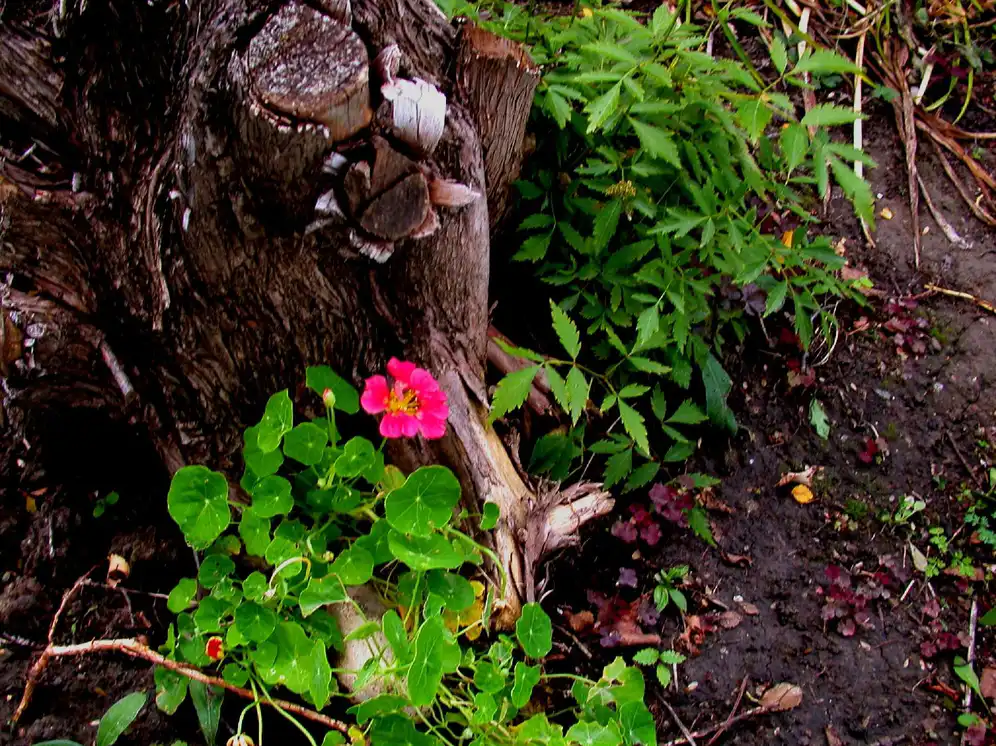
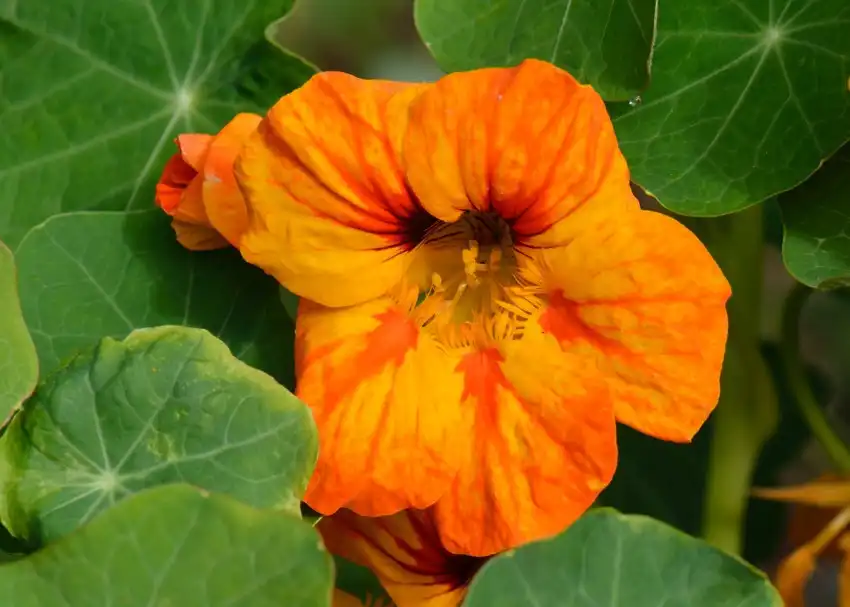
Tropaeolum, commonly known as Nasturtium, boasts vibrant, aromatic flowers that range in color from yellow to red. This plant typically begins to bloom in late spring and continues its display into early fall. While it thrives in full sunlight, providing some shade from the intense afternoon rays can be advantageous, as prolonged exposure to strong sunlight may stress the plant. It performs optimally in regions with slightly cooler summer temperatures.
The name "Nasturtium" is derived from the oil produced by these plants, which bears a resemblance to that of watercress (Nasturtium officinale). Known for its peppery flavor, Nasturtium is a popular addition to salads, with all parts of the plant—leaves, seeds, flowers, and flower pods—being edible.
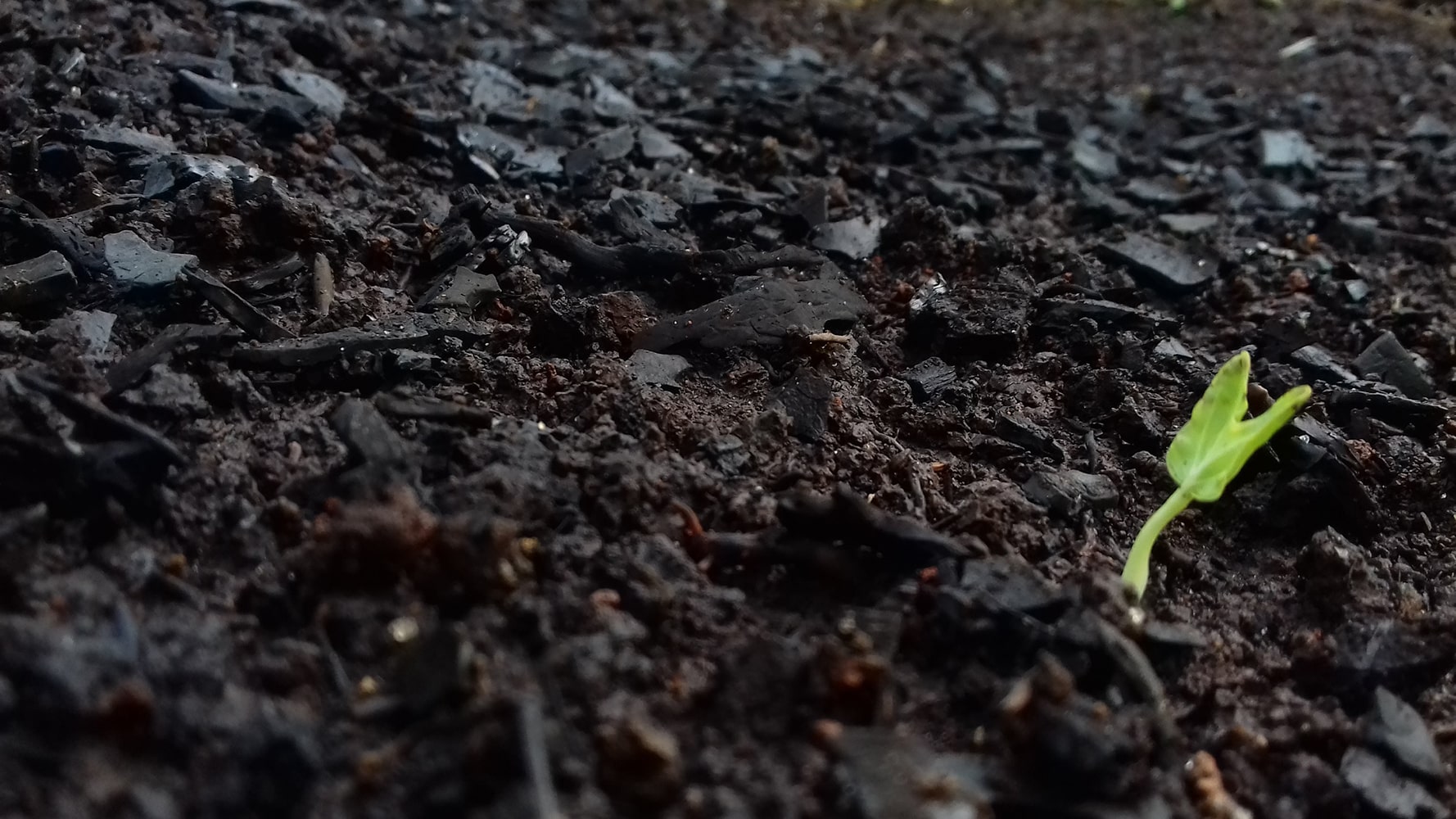
These plants flourish in poor soil conditions, and excessive fertilization can result in lush foliage at the expense of flowering. Regular deadheading can extend the blooming period. For those starting Nasturtiums indoors from seeds, using peat or paper pots can minimize transplant shock when moving them outdoors to the garden, as they do not respond well to being transplanted.
In terms of pests and diseases, Nasturtiums generally face few serious threats, though they may occasionally attract aphids, mealybugs, and whiteflies. Additionally, their ability to self-seed can lead to natural spreading in the garden.