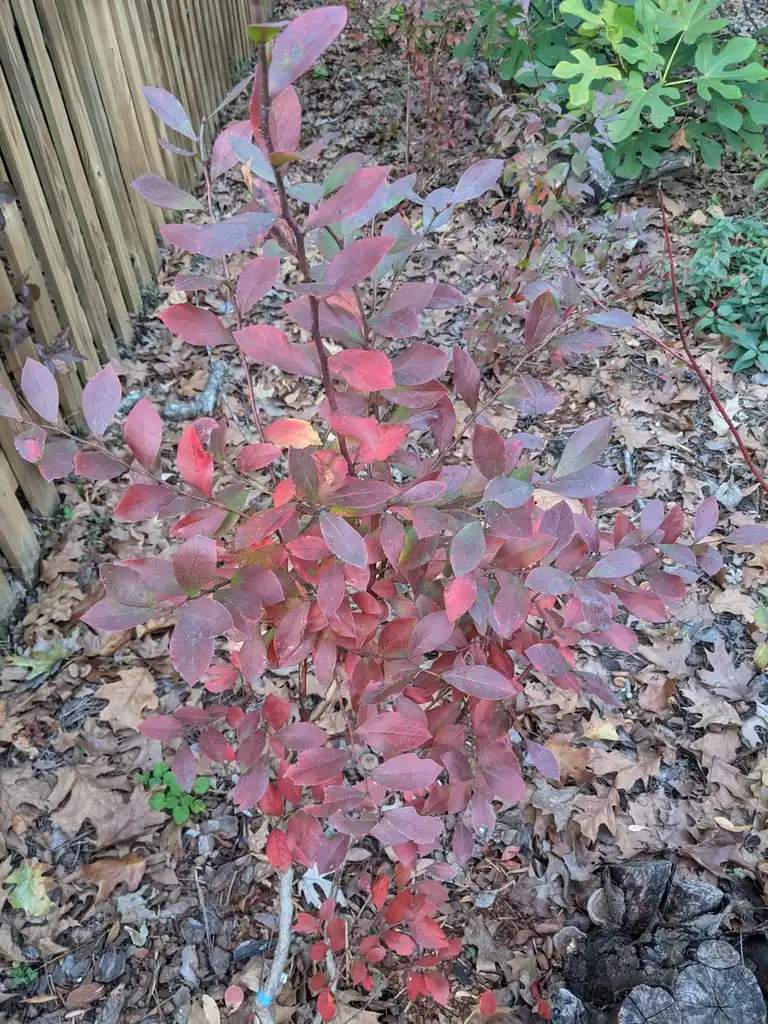
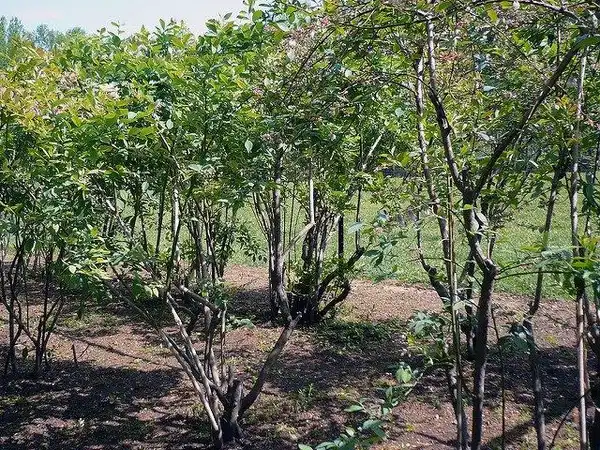
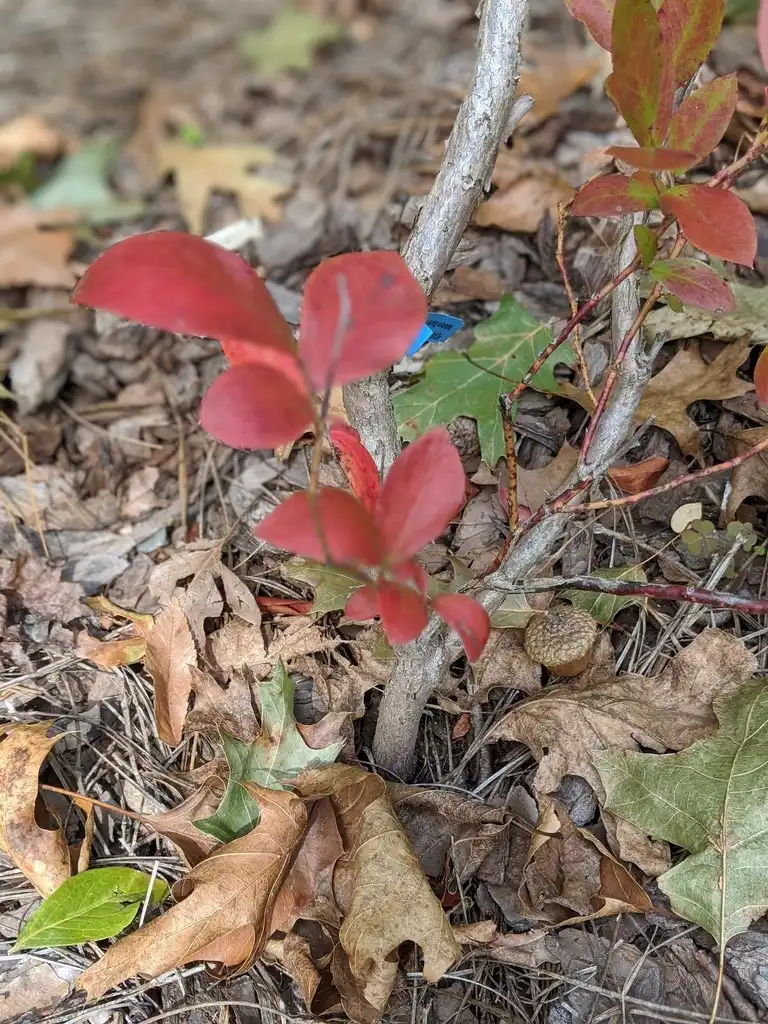
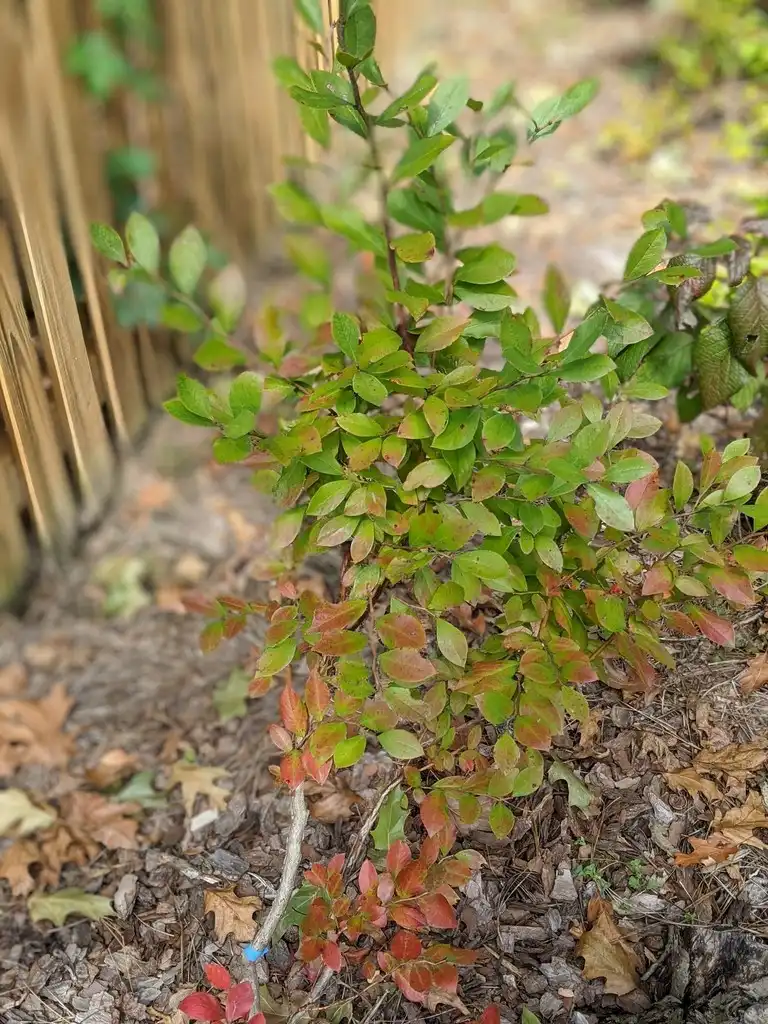
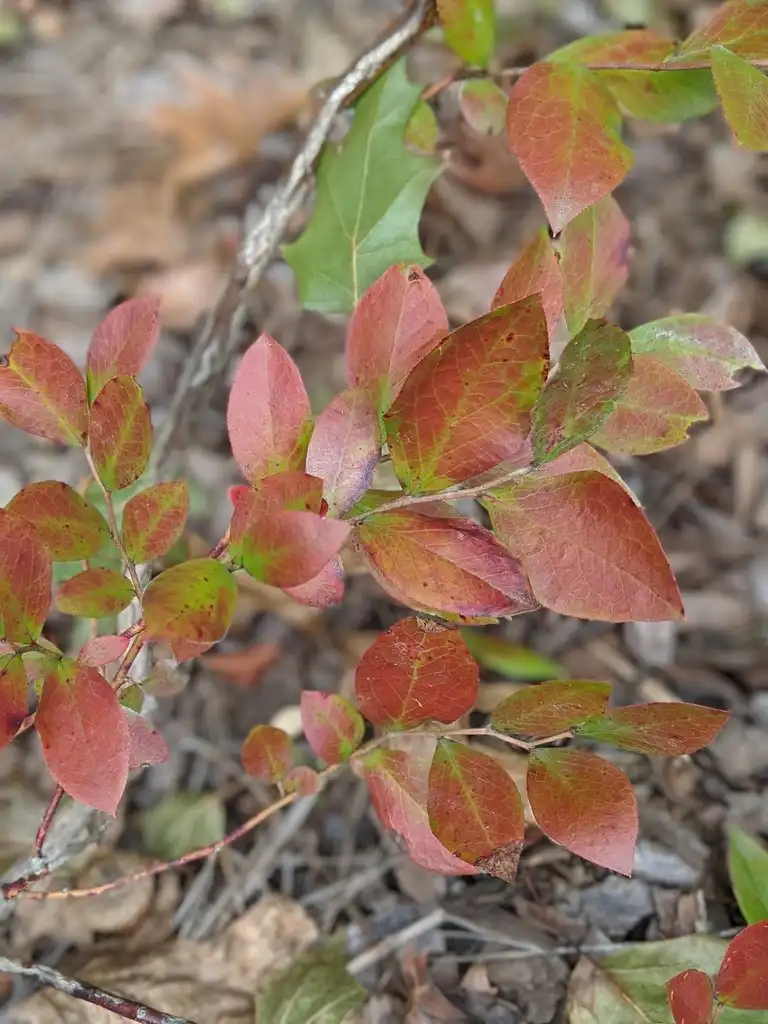
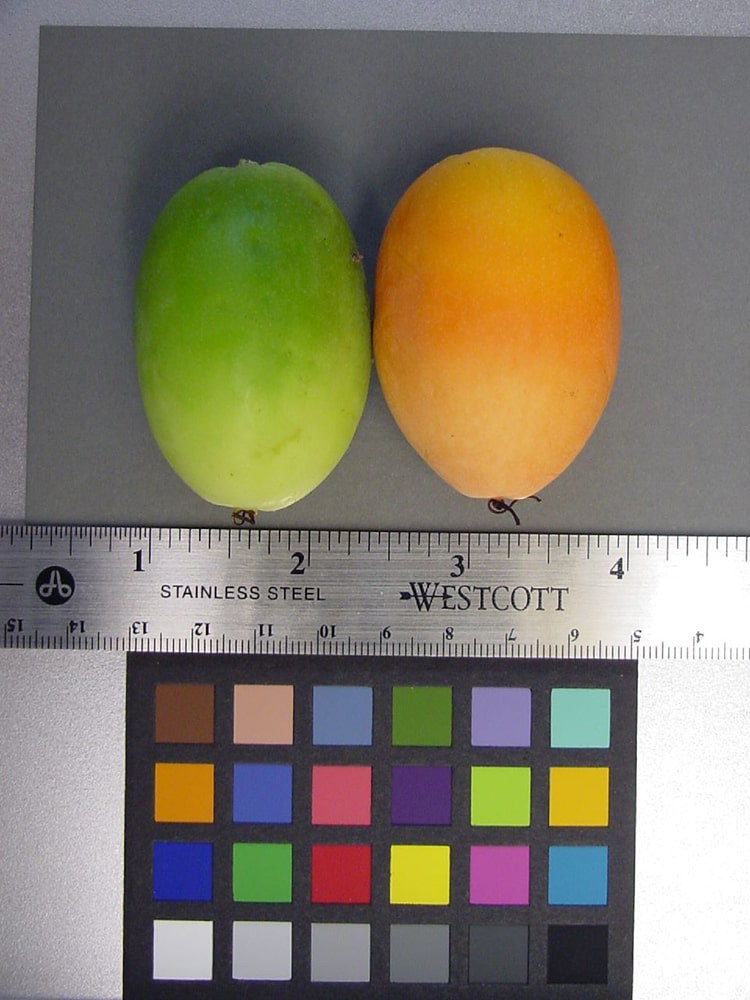
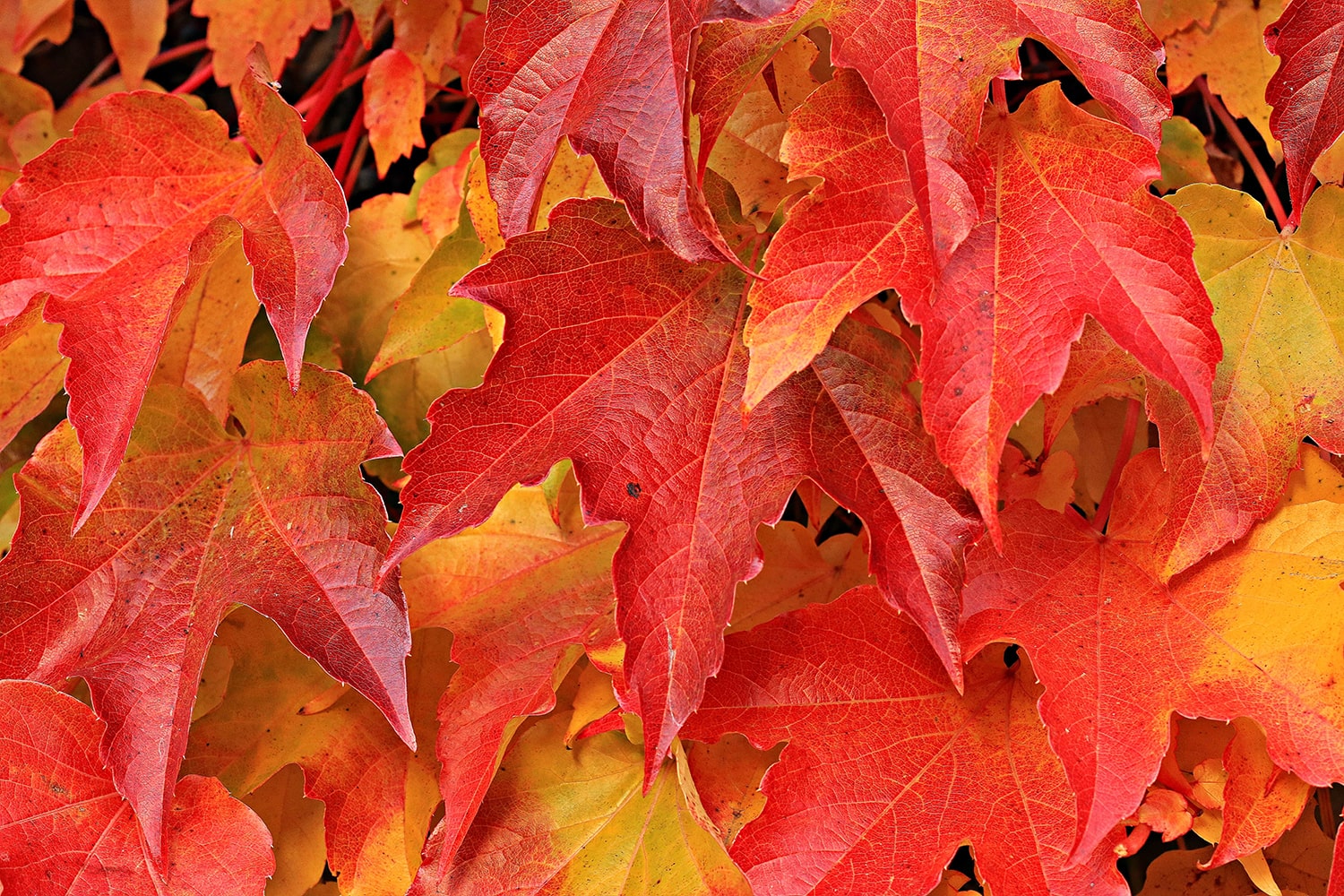
Blueberries stand out as one of the rare plants that provide both aesthetic appeal and delicious fruit for much of the year. They enhance the landscape with their beauty and offer vibrant colors in the autumn. Why not incorporate them into your garden? In the fall, blueberries showcase stunning yellow and red leaves that brighten up any setting. The name "Rabbiteye" is derived from the fruit's initial pink hue, reminiscent of a white rabbit's eye before it ripens to blue.
These berries thrive in soil with a lower pH compared to many other small fruit crops and plants. Therefore, it's advisable to plant them alongside other acid-loving species like hollies, azaleas, rhododendrons, and camellias. Prior to planting, conduct a soil test; blueberries prefer a pH range of 4.0 to 5.0, or up to 5.5 depending on the variety. They require minimal annual maintenance, primarily occasional pruning. Since their feeder roots are located close to the surface and lack root hairs, effective soil moisture management and a thick layer of mulch are essential. Deep sandy soils are unsuitable unless equipped with drip irrigation, while heavy clay soils with poor drainage and aeration are detrimental to their growth.
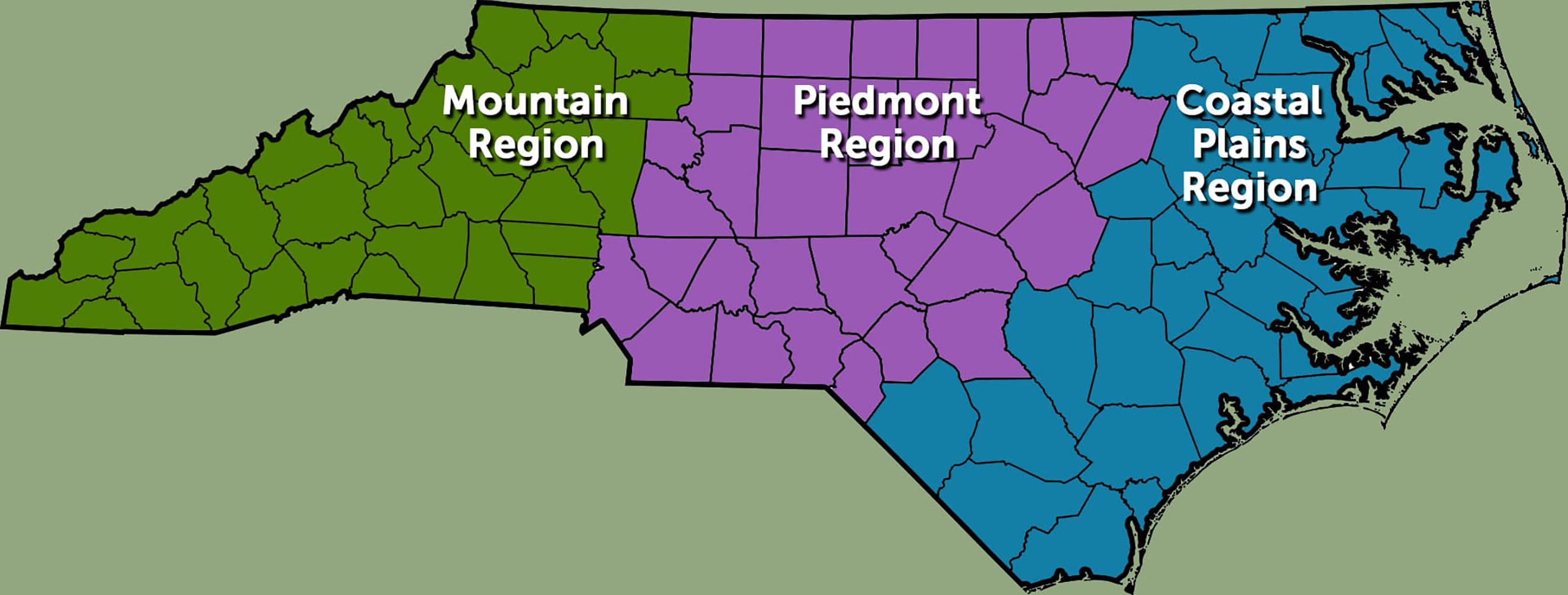
Both highbush and rabbiteye varieties flourish in North Carolina, thriving in both swampy and drier regions. Compared to highbush blueberries, rabbiteye varieties are more adaptable to different soil types (able to tolerate higher pH levels) and have a lower chilling requirement, allowing them to bloom earlier. For effective cross-pollination, at least three other shrubs should be planted nearby. To prolong the berry harvesting season, consider planting various cultivars. This plant is notably rare in North Carolina.
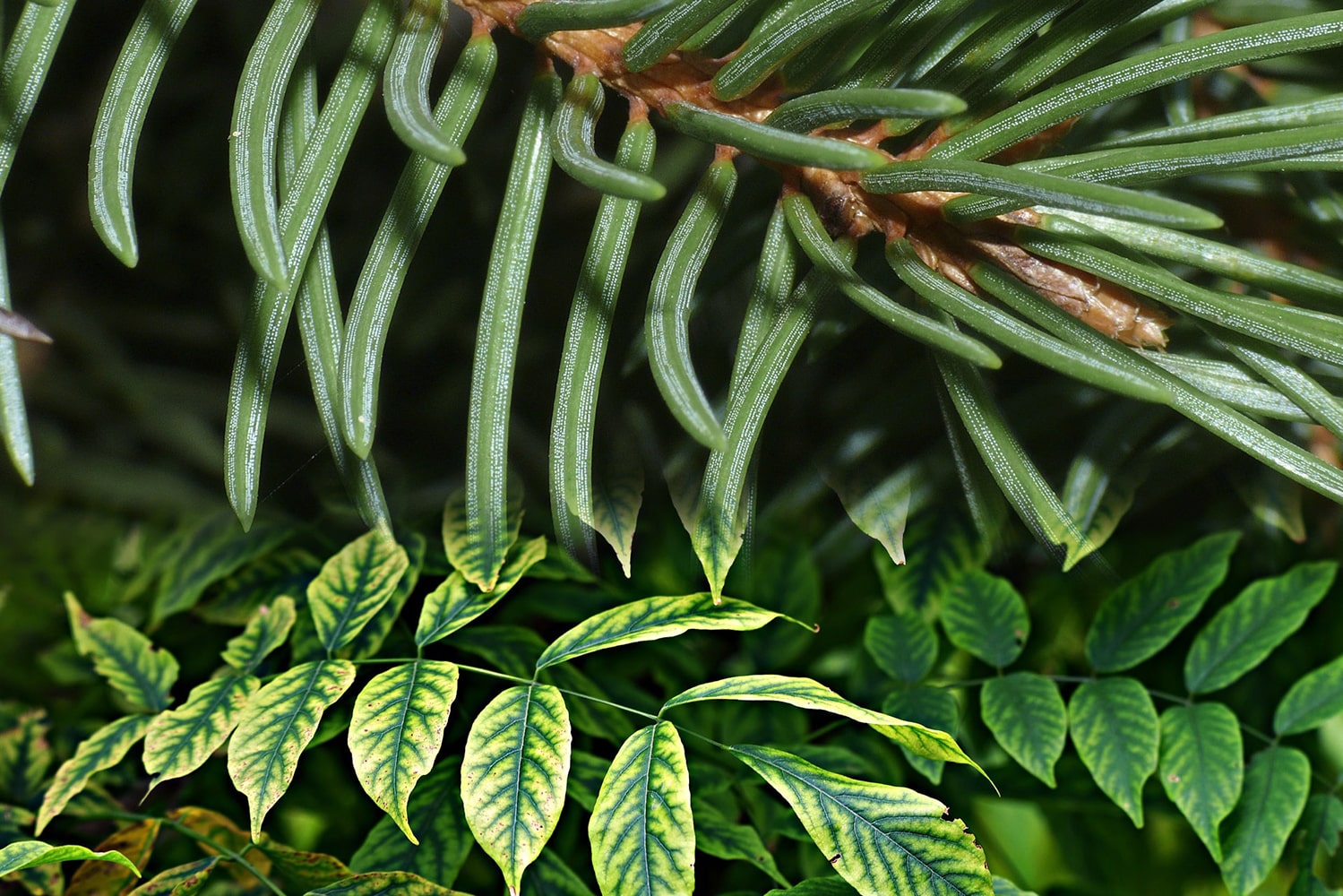
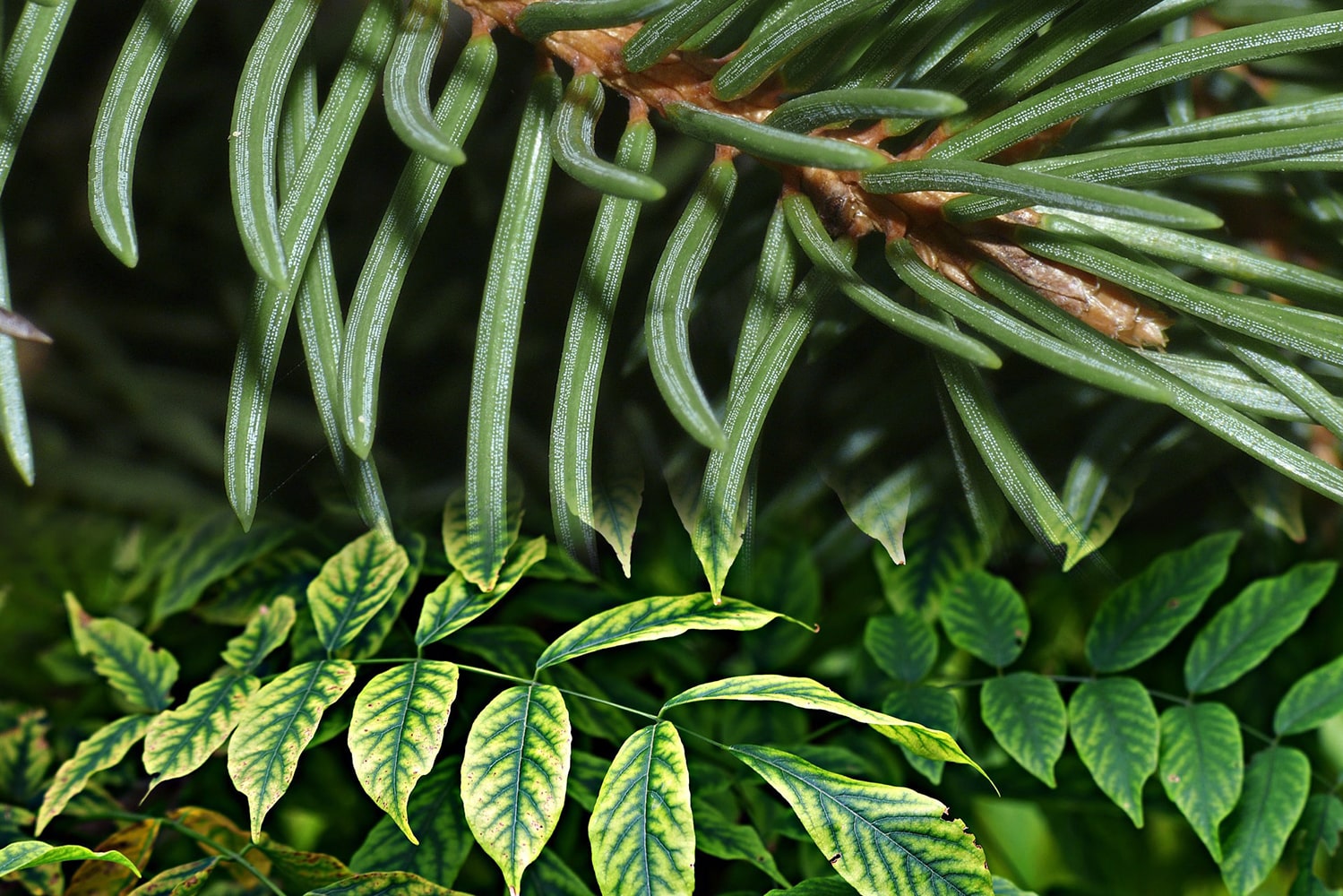
In terms of pests and diseases, the spotted wing drosophila may infest the fruit. While disease issues are generally infrequent, they can include stem blight, root rot, anthracnose, cane canker, mildew, and botrytis. Mummy berry, a fungal disease, causes berries to shrivel and fall prematurely. Birds are particularly fond of the fruit, so it’s wise to cover the shrubs with netting as the berries ripen. Additionally, deer often cause damage to these plants. If the soil pH is excessively high, it can lead to chlorosis, characterized by yellowing leaves. Early blooming also makes the flowers vulnerable to late winter frosts.
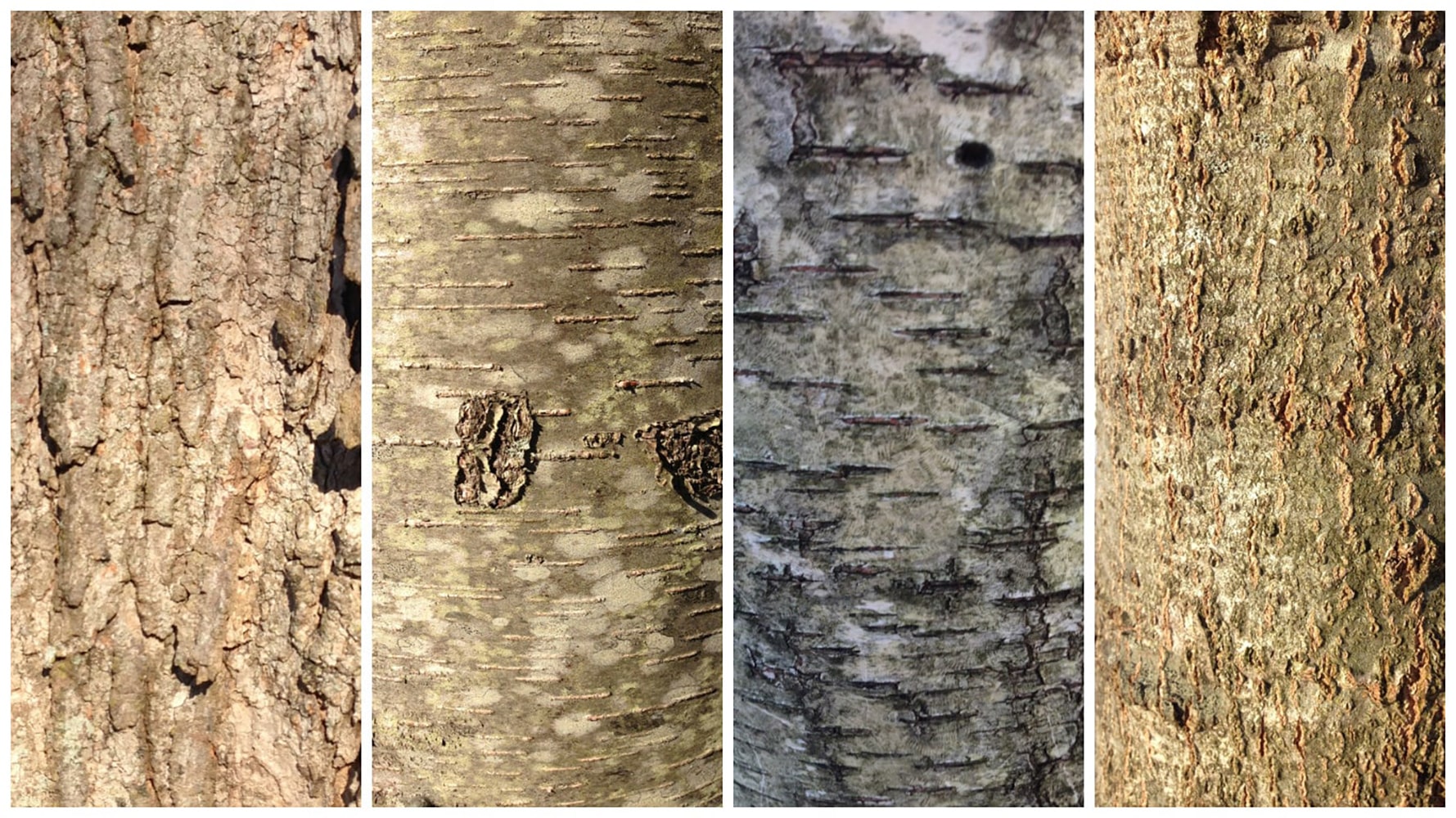
Quick Identification
For more information on Vaccinium.