Veltheimia capensis: Country Or Region Of Origin
Western South Africa
Phonetic Spelling:
Genus:Veltheimia
Species:capensis
Family:Asparagaceae
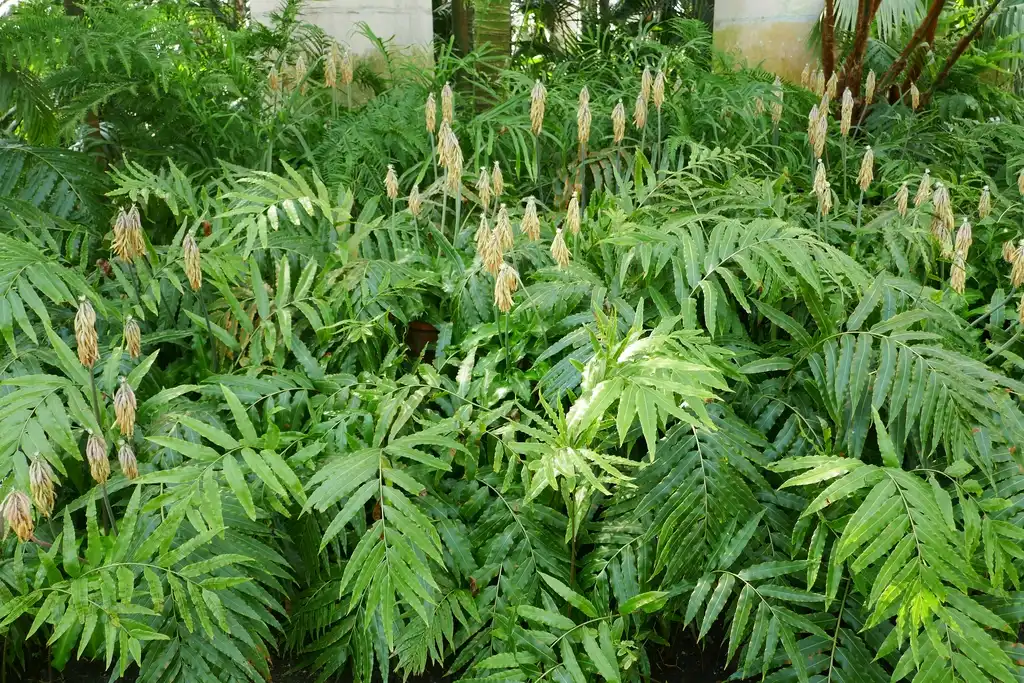
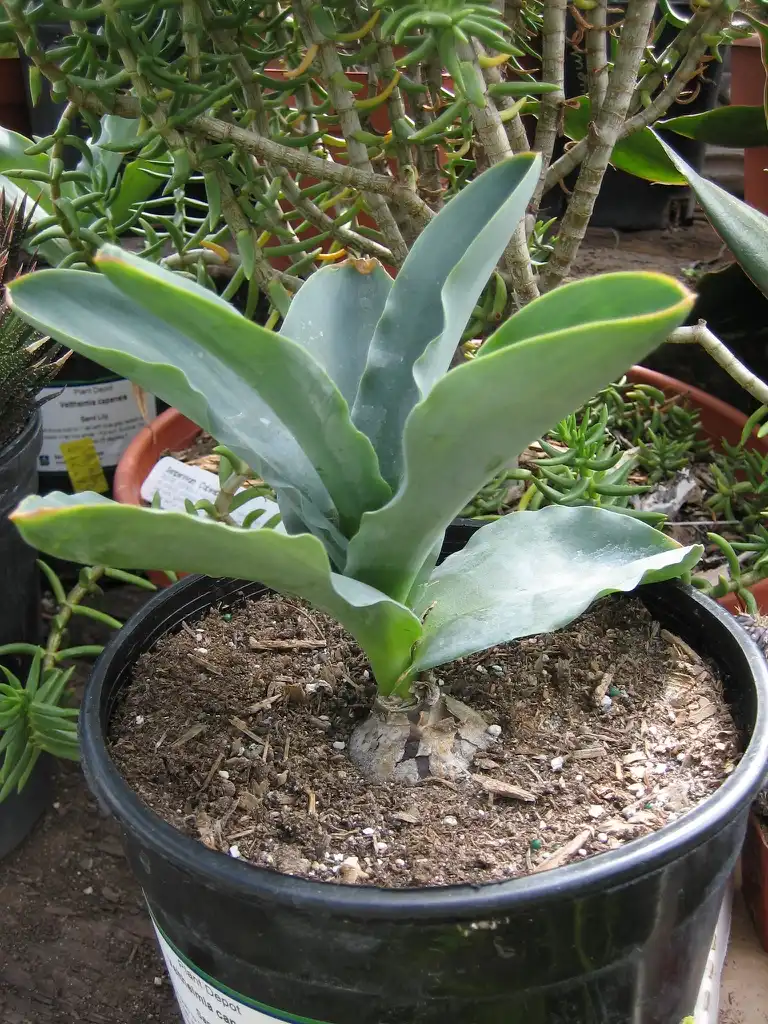
Veltheimia capensis is a perennial bulb, also known as a geophyte, which reproduces in the spring from an underground structure. This bulb is characterized by its egg-like shape and fleshy texture, featuring a distinct basal plate from which thick roots emerge. Generally, the upper part of the bulb remains above ground, and it is covered by layers of papery, creamy white scales, commonly referred to as a tunic.
This species thrives in its native environment as a winter-growing bulb, having adapted to cool, moist winters and hot, dry summers. In early autumn, a fresh rosette of leaves appears, often accompanied by the flower head. Leaf growth occurs from fall to early winter, with flowering taking place from mid-fall to mid-winter. As spring arrives, the leaves wither, and the bulb enters a dormant phase until the cycle recommences in early fall.
The seed capsules detach from the flower head and are carried away by the wind. During the summer heat, these capsules break down, leaving the seeds behind, which will germinate when cooler fall temperatures set in. The flowers that emerge from these seeds will mirror the coloration of the parent plant.
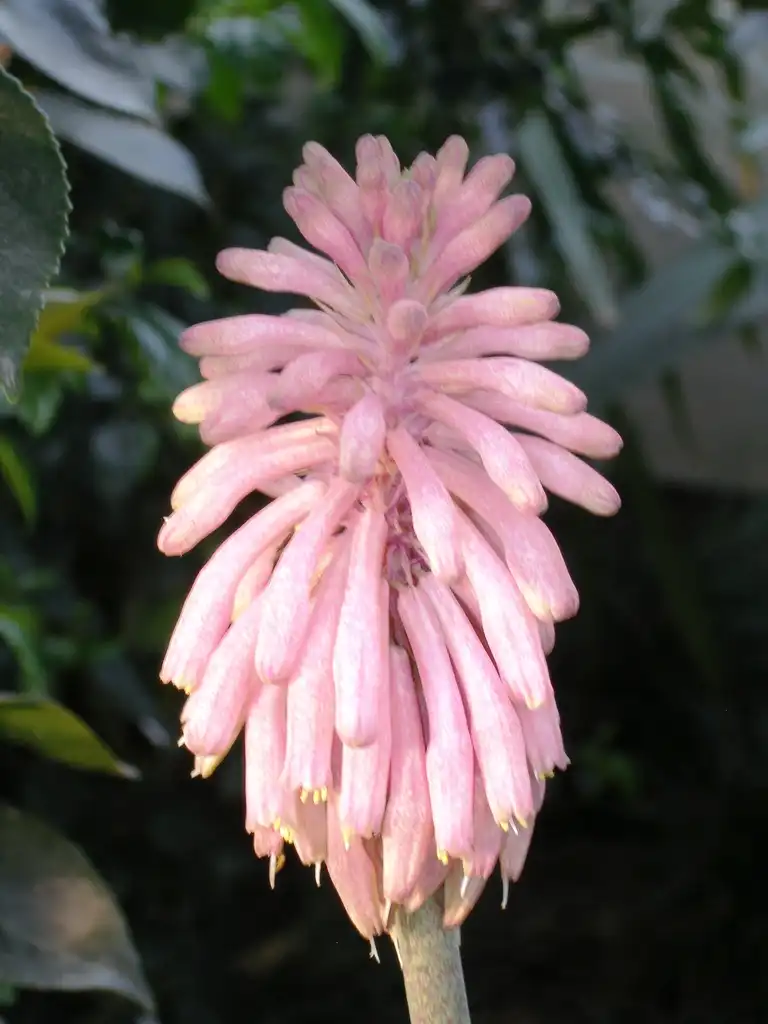
With its striking flowers and attractive foliage, the Sand Lily is an ideal choice for container gardening in sunny spots on your patio or as part of a rock garden.
In terms of care, it is crucial to keep the dormant bulbs dry during the summer months to prevent fungal diseases. Additionally, it’s worth noting that the plant may not produce blooms every year, with some seasons showcasing only its foliage.
For further details on Veltheimia, additional resources are available.
Veltheimia capensis Feature Summary
Veltheimia capensis Image Gallery