Vitis vulpina: Country Or Region Of Origin
North America
Phonetic Spelling:VEE-tiss vul-PEEN-uh
Genus:Vitis
Species:vulpina
Family:Vitaceae
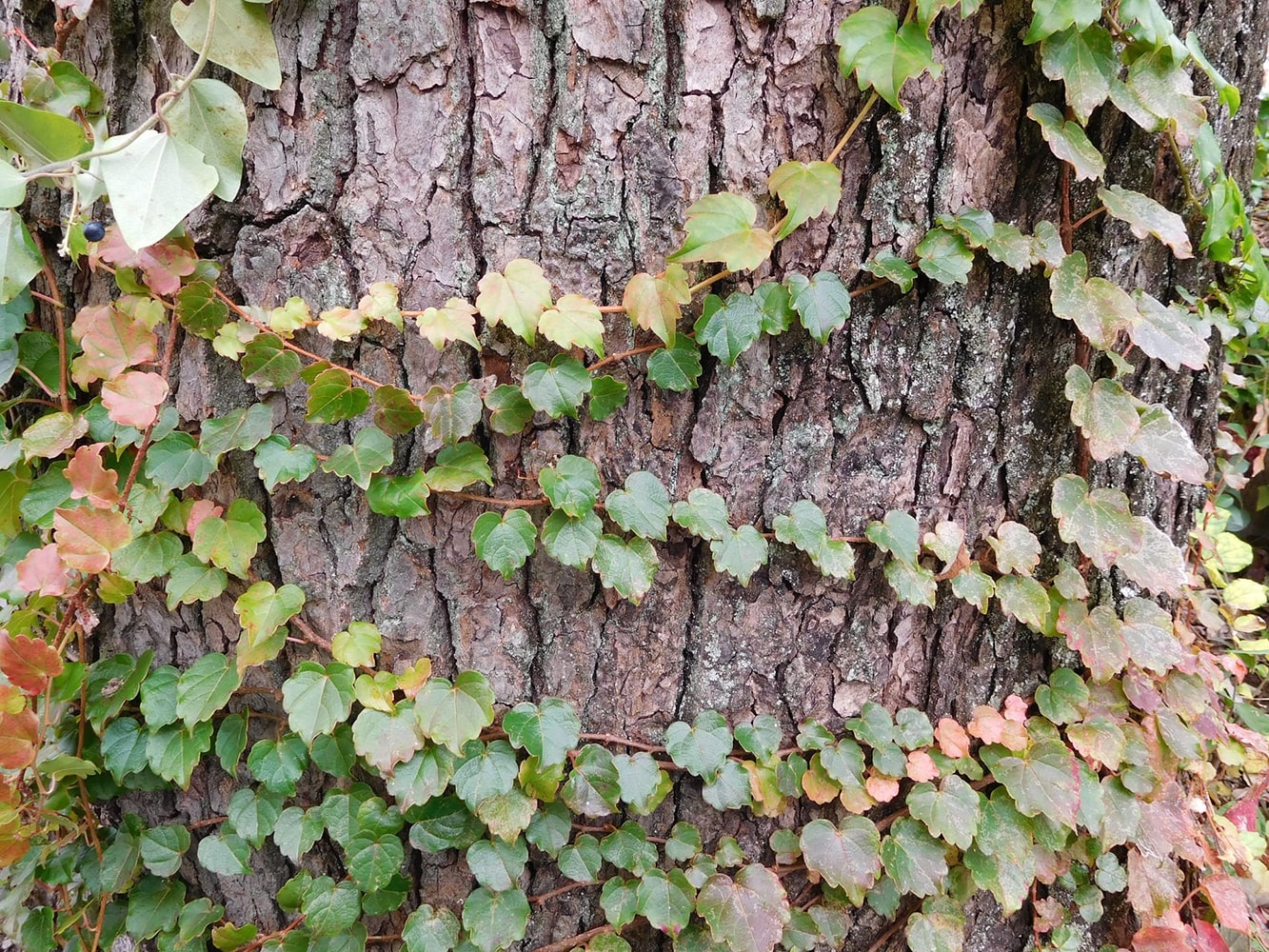
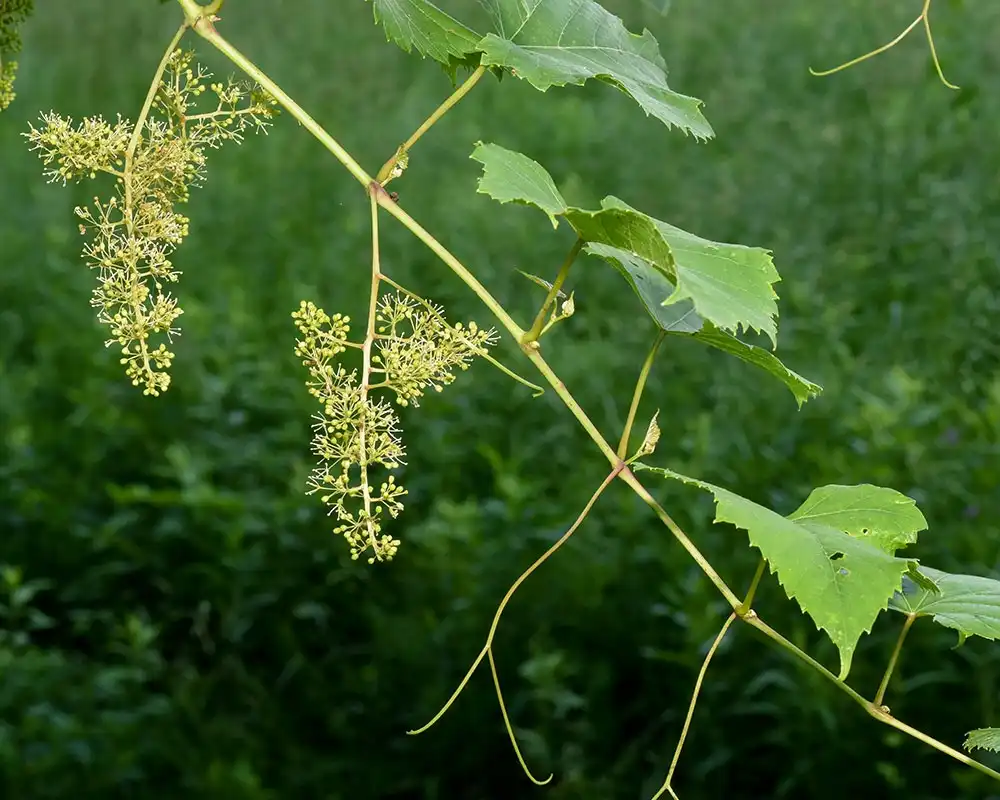
The Frost grape is a resilient, native deciduous vine belonging to the grape family, typically thriving in upland woodlands and forests, though it can occasionally be found in lowland areas. Its growth in height and width is contingent upon having suitable support.
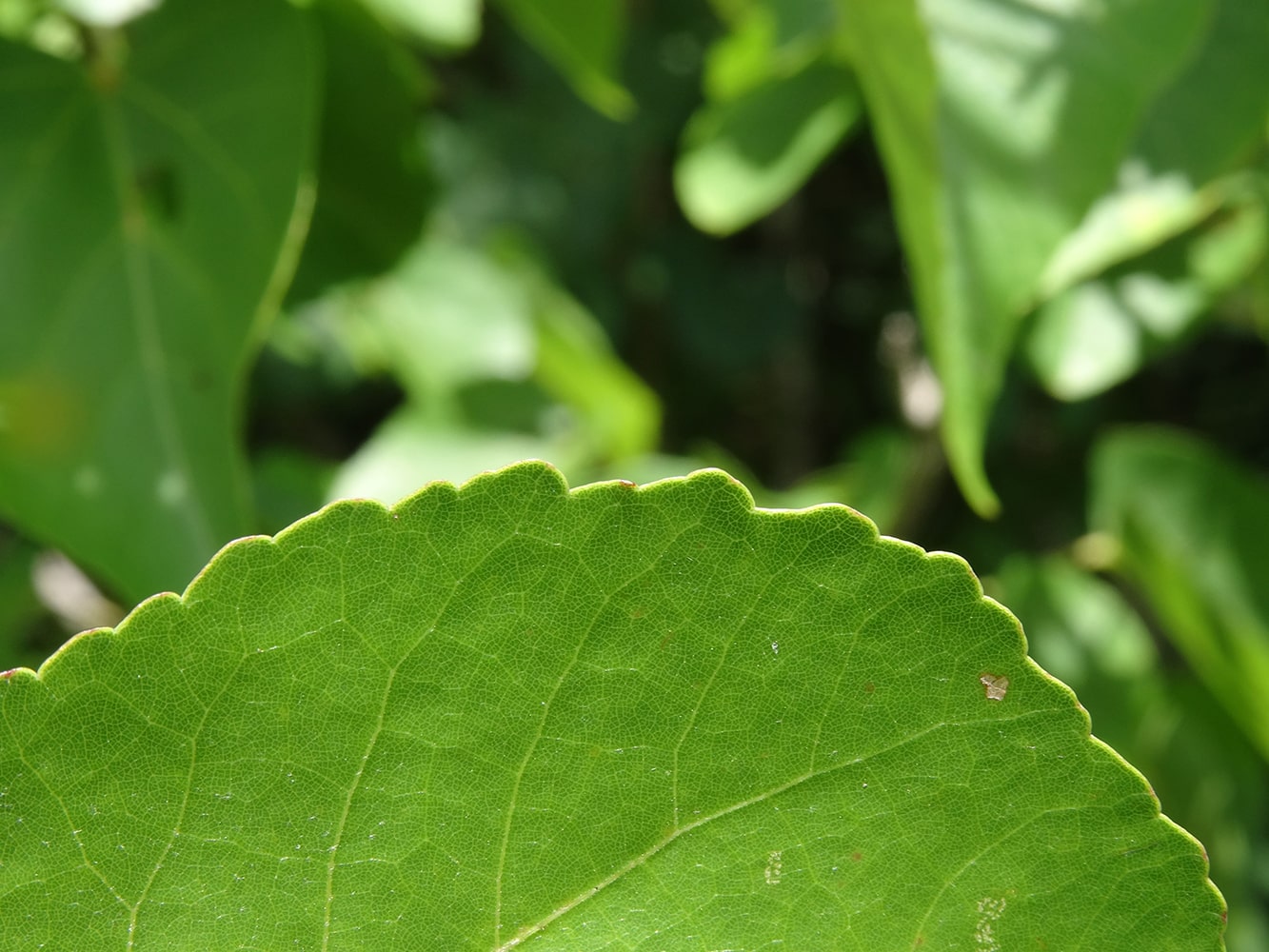
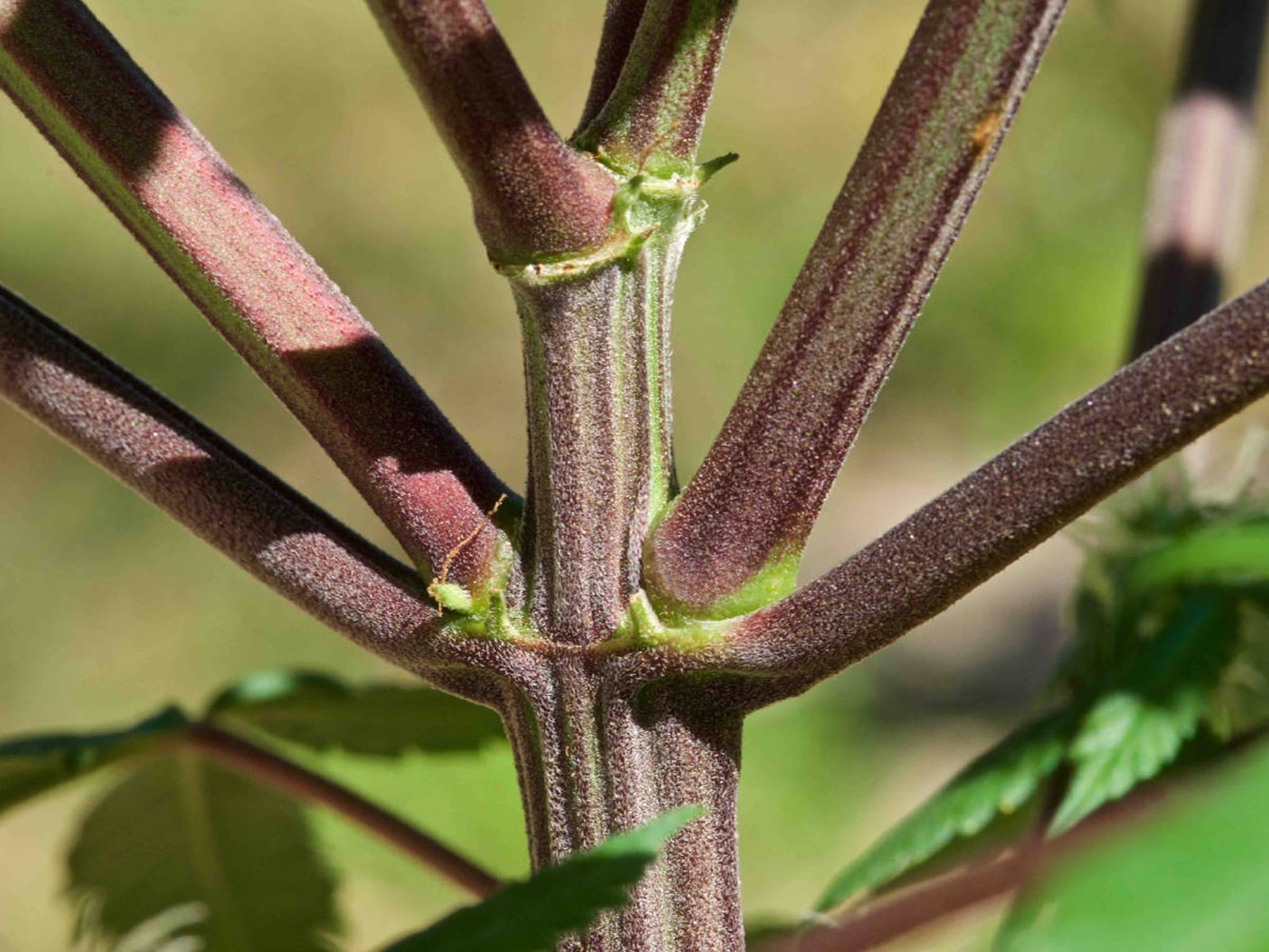
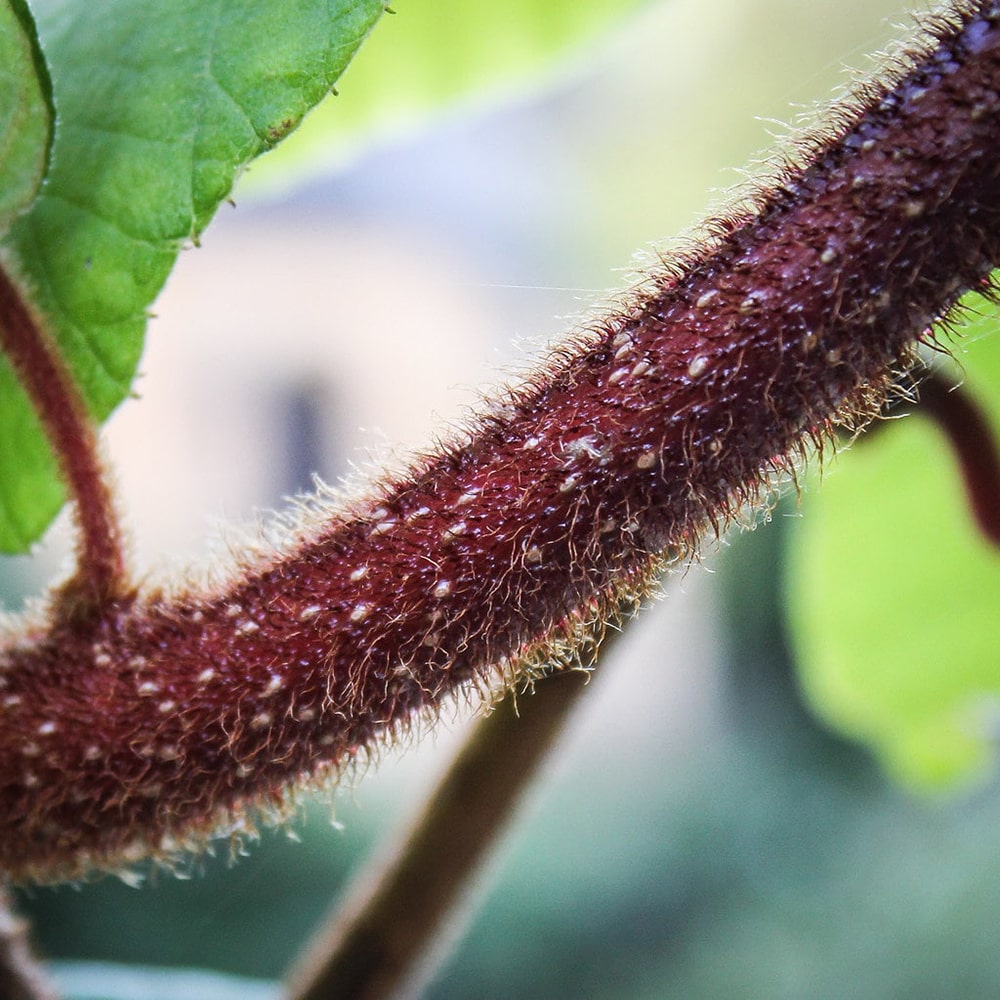
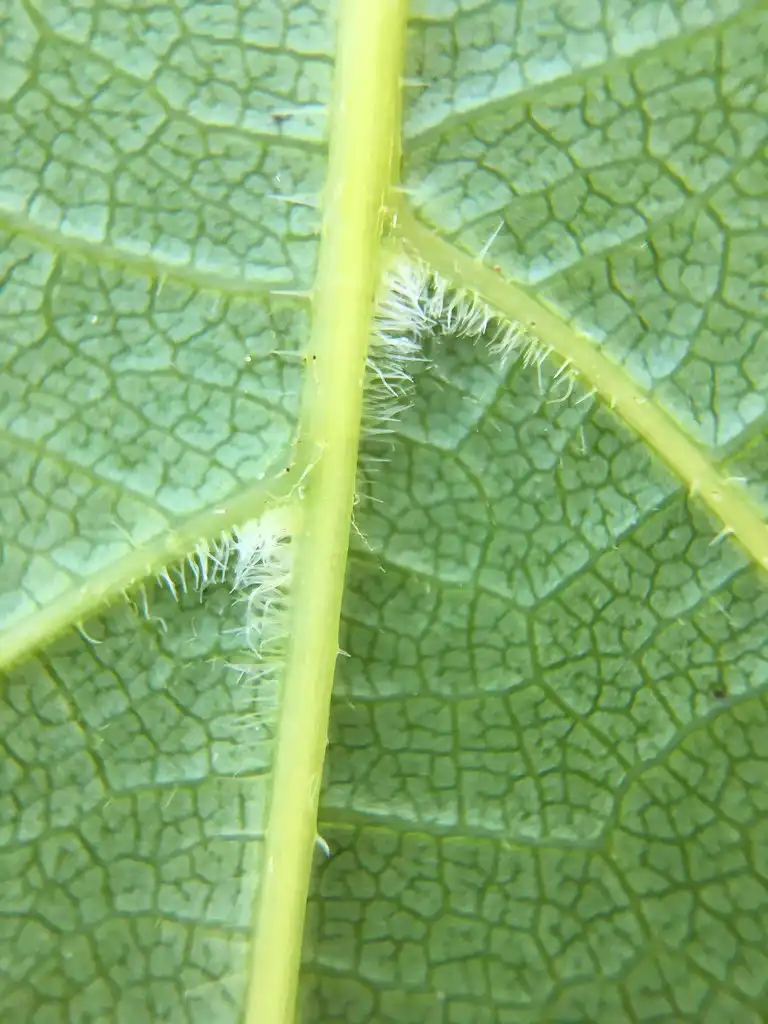
What sets the Frost grape apart from other grape varieties is its distinctive greenish-yellow undersides, while similar species tend to exhibit silver undersides. The current year's growth features round twigs, unlike others that are angled and display reddish nodes. Upon closer inspection, one can observe that the Frost grape produces tendrils or inflorescences at only two consecutive nodes, whereas other species may have them at three or more.
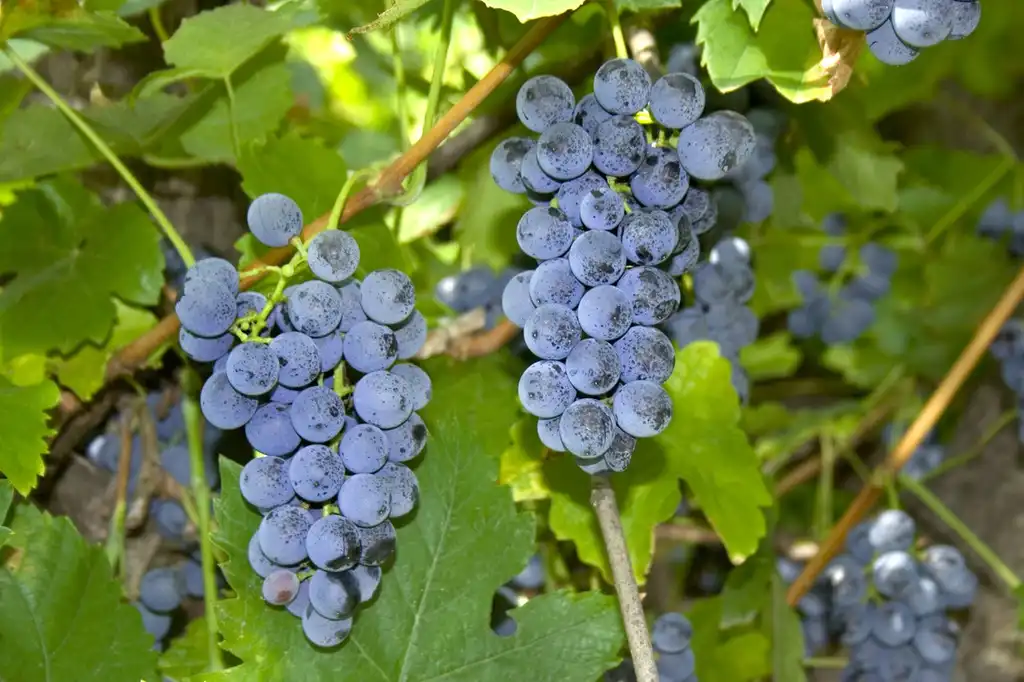
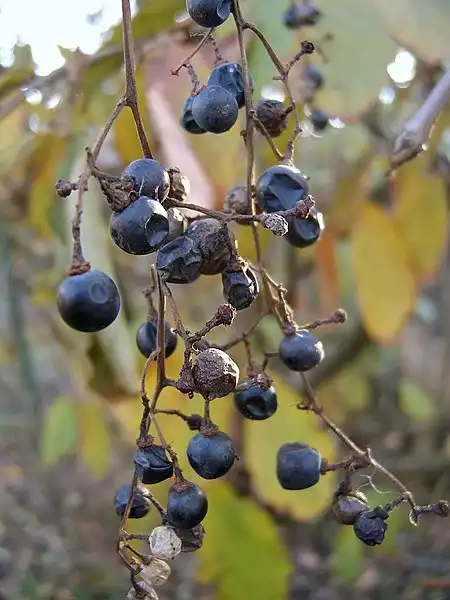
This plant struggles in temperatures below -23 degrees Fahrenheit, yet its common name stems from the fact that its fruits only achieve sweetness after a frost. Before this frost, the fruits possess a tart or acidic flavor, with the cold weather triggering their sweetness. As a deciduous plant, it sheds its leaves in the fall and enters a dormant phase, during which the fruits may wither on the vine. If left unharvested, they can eventually dry out and turn into raisins, providing a tasty treat for local wildlife.
For optimal fruit production, the Frost grape requires a sunny environment.
Both the fruit and leaves of this plant are edible. The fruit can be consumed fresh or dried for later use, while the leaves, which have a pleasant taste, can be used as wraps for other foods that are then baked.
In terms of pests and diseases, the Frost grape is self-seeding. It is susceptible to various insects, including the Grape Flea Beetle, Grape Root Worm, Grapevine Aphid, Marmorated Stink Bug, gall fly larvae, leafhoppers, spittlebugs, wood-boring larvae of long-horned beetles, and leaf-mining larvae of the Heliozelid moth, all of which feed on its woody vines.