Zephyranthes candida: Country Or Region Of Origin
South America
Phonetic Spelling:ze-fi-RANTH-eez KAN-did-uh
Genus:Zephyranthes
Species:candida
Family:Amaryllidaceae
Rain Lily, a flowering bulb indigenous to South America, thrives as a perennial in USDA Zones 7 to 10, often maintaining its evergreen appearance in the landscape. In regions with cooler climates, it is essential to lift the bulbs before the first frost and store them indoors throughout the winter. During storage, they should be kept in a cool, dry environment. For those planting in containers, it’s advisable to move them indoors to a cool, frost-free area, ensuring the soil remains slightly moist without becoming overly wet.
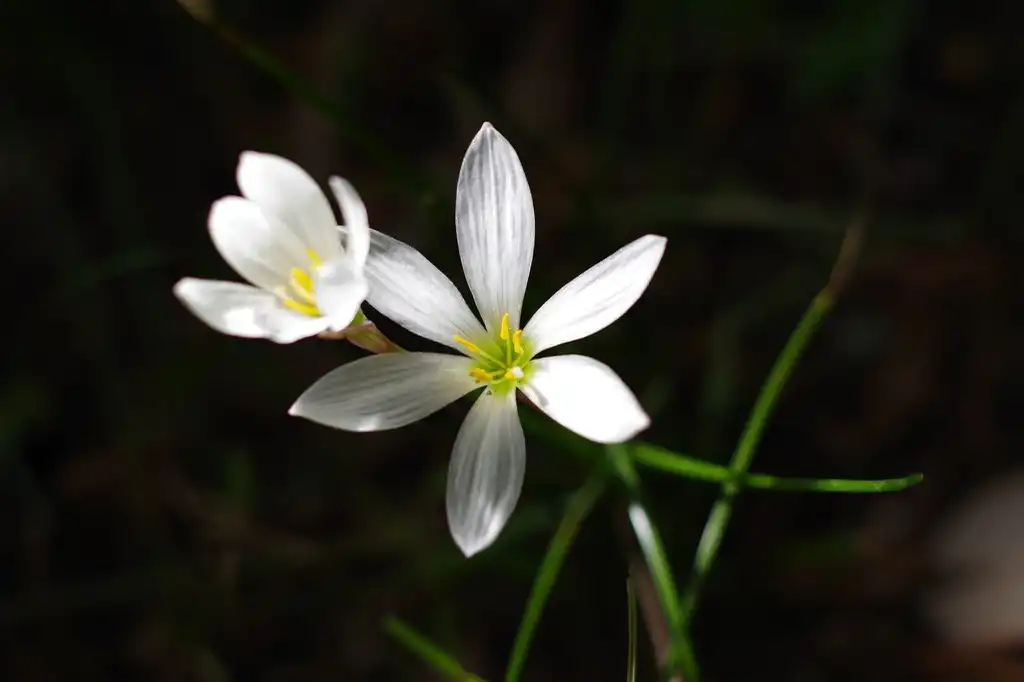
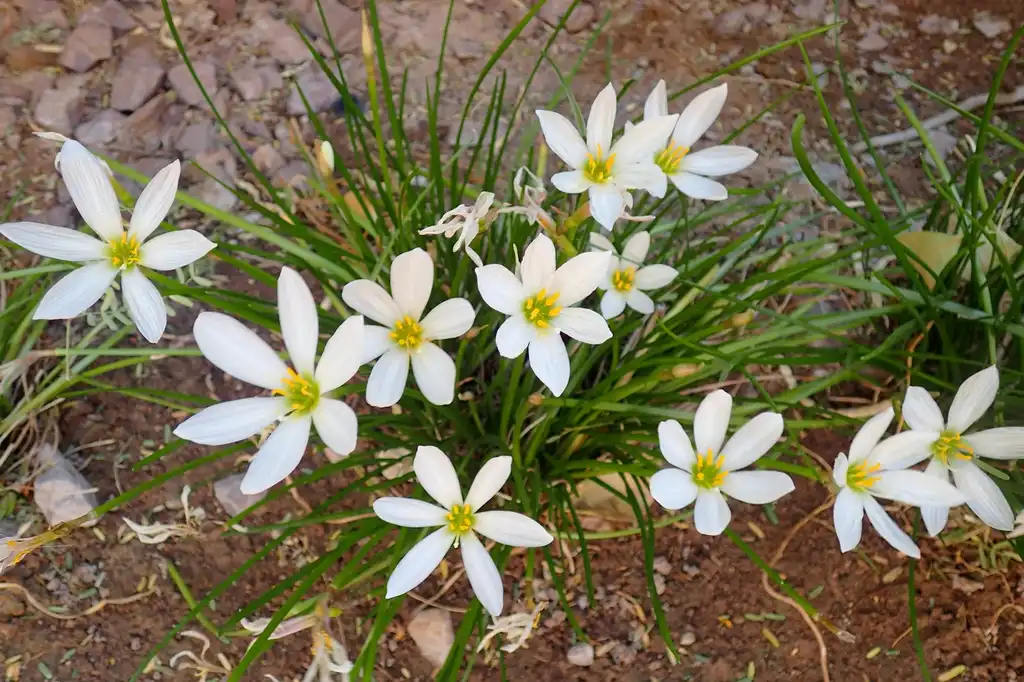
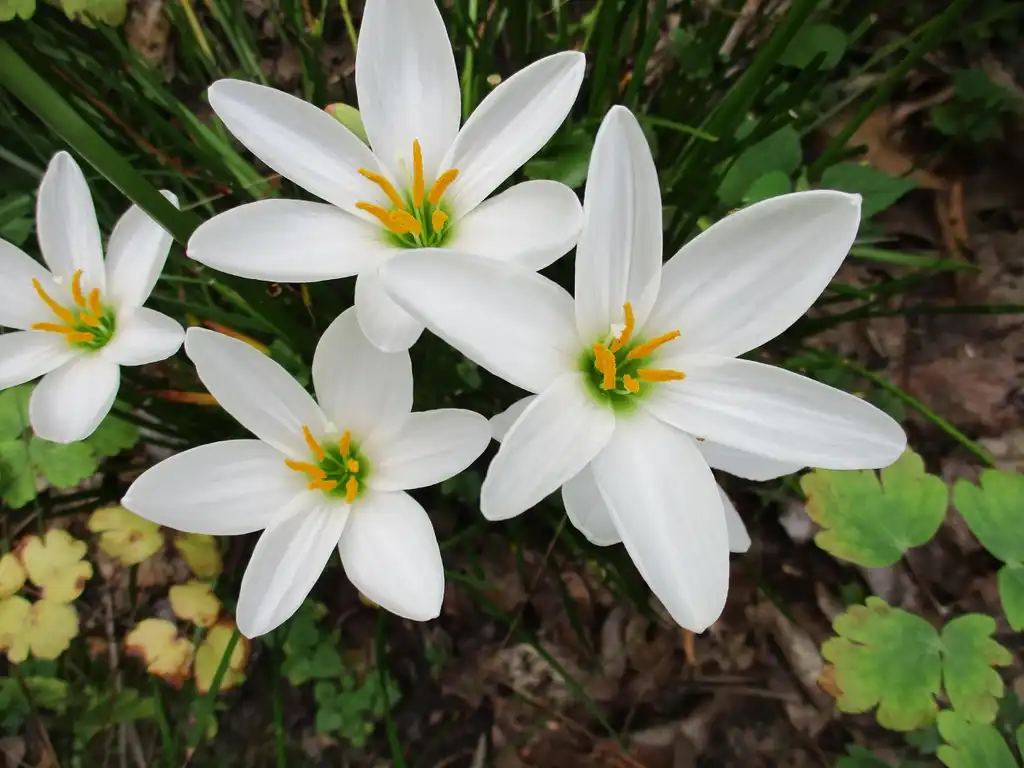
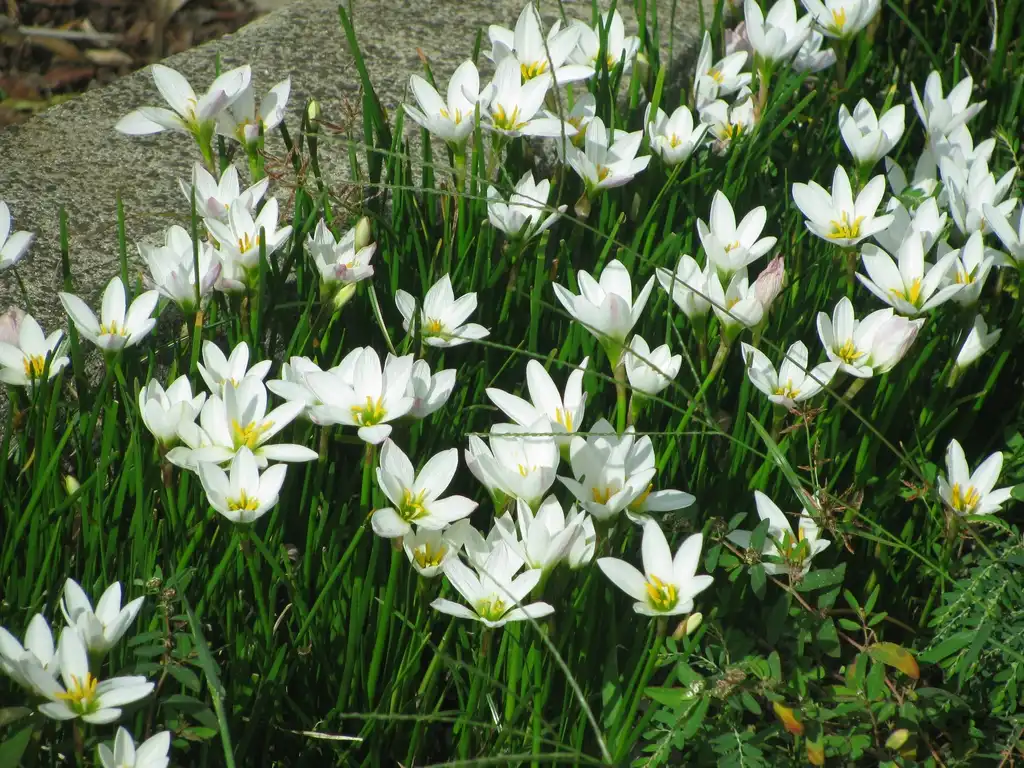
These striking, white flowers, reminiscent of crocuses, typically bloom following a rainstorm, which is how they earned their common name.
Rain Lilies are best planted in clusters, along pathways, within rock gardens, or at the front of flower borders. They also thrive in containers on patios or can be grown as houseplants.
In the spring, offsets can be divided. To prevent unwanted reseeding, it’s recommended to trim the flowers back at their base once they have bloomed and withered. Seeds can be harvested from the flower's center after the petals have fallen.
While these plants can tolerate partial shade, they perform optimally in full sunlight. In areas with intense heat, providing some afternoon shade can help protect the foliage from dieback and ensure vibrant blooms.
In terms of pests and diseases, Rain Lilies generally face few serious issues, but it’s wise to keep an eye out for slugs and snails, as well as spider mites, which may occasionally affect the plants.
Zephyranthes candida Feature Summary
Zephyranthes candida Image Gallery