Zinnia peruviana: Country Or Region Of Origin
Southwestern U.S.A., Mexico, Venezuela, Argentina
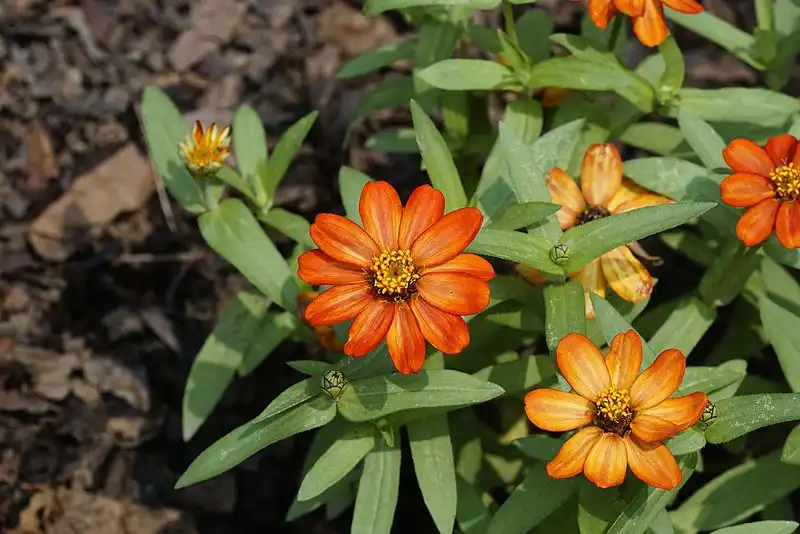
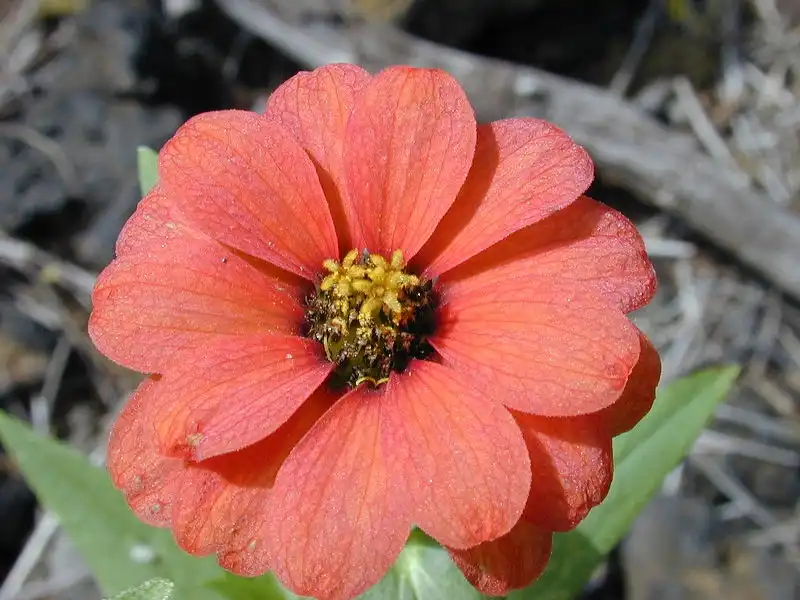
Phonetic Spelling:ZIN-ya per-u-vee-AN-uh
Genus:Zinnia
Species:peruviana
Family:Asteraceae
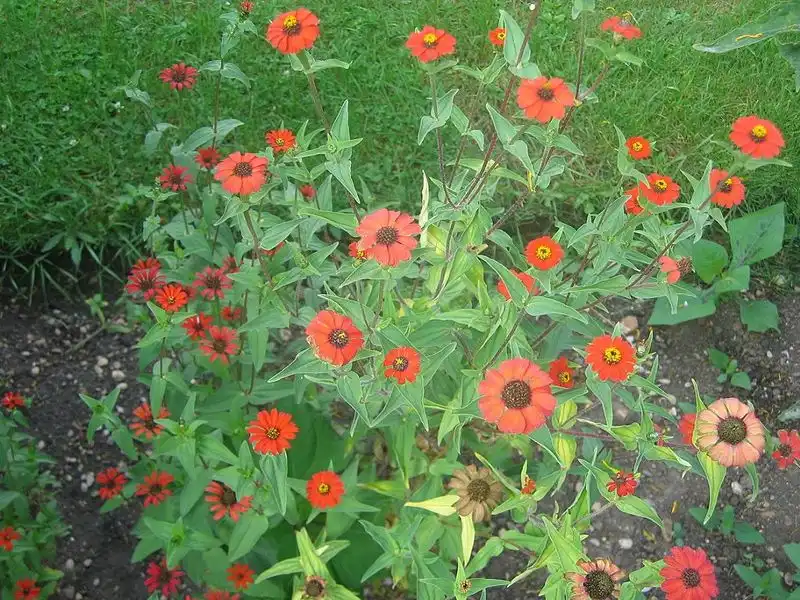
Zinnia peruviana is a rapidly growing and quickly flowering tropical species native to the southwestern United States, often regarded as a weed. This annual plant is commonly cultivated in gardens, where its ability to self-seed allows it to spread through the wind to various locations. You can find it thriving along roadsides, in disturbed areas, wastelands, and pastures. It flourishes best in full sunlight, as shaded environments can lead to reduced flowering. Regular watering is essential, but care should be taken to avoid overwatering.
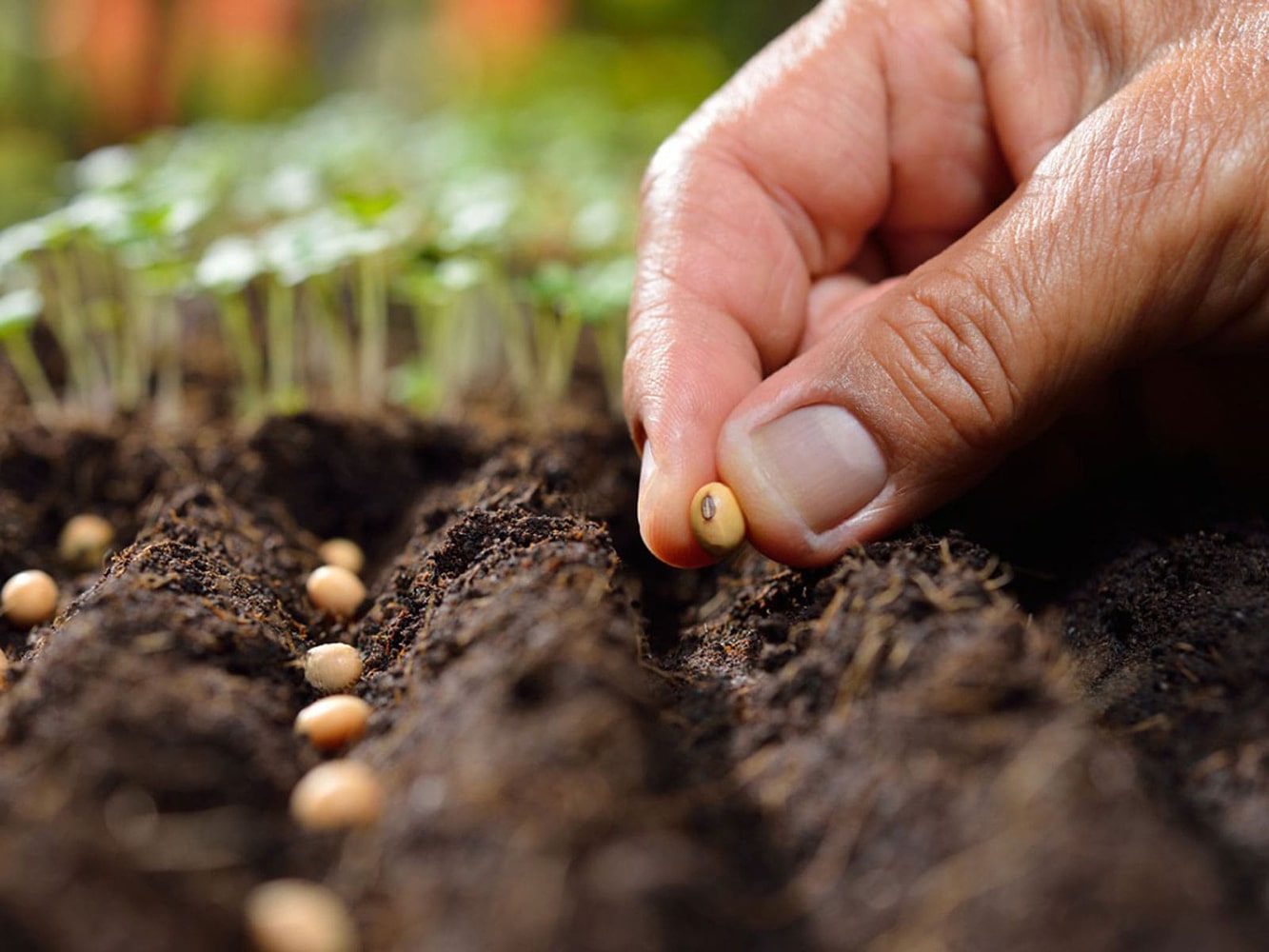
Typically, these plants are not readily available at garden centers for home gardening. However, seeds can be purchased or collected from existing plants; just ensure that the seed heads are allowed to dry on the plant before harvesting.
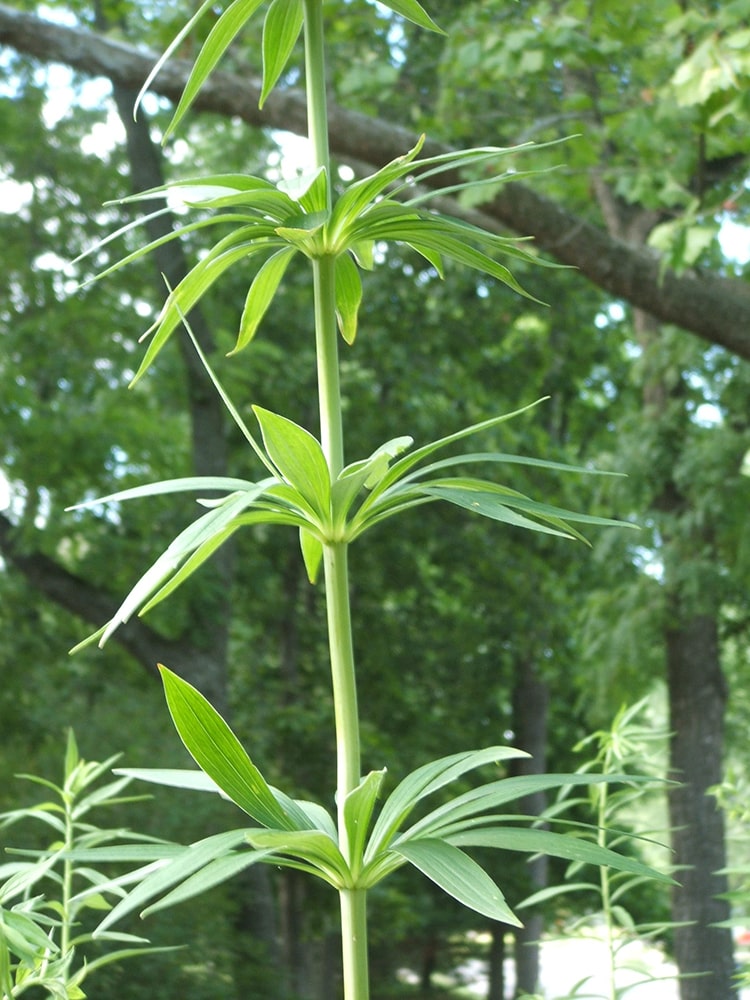
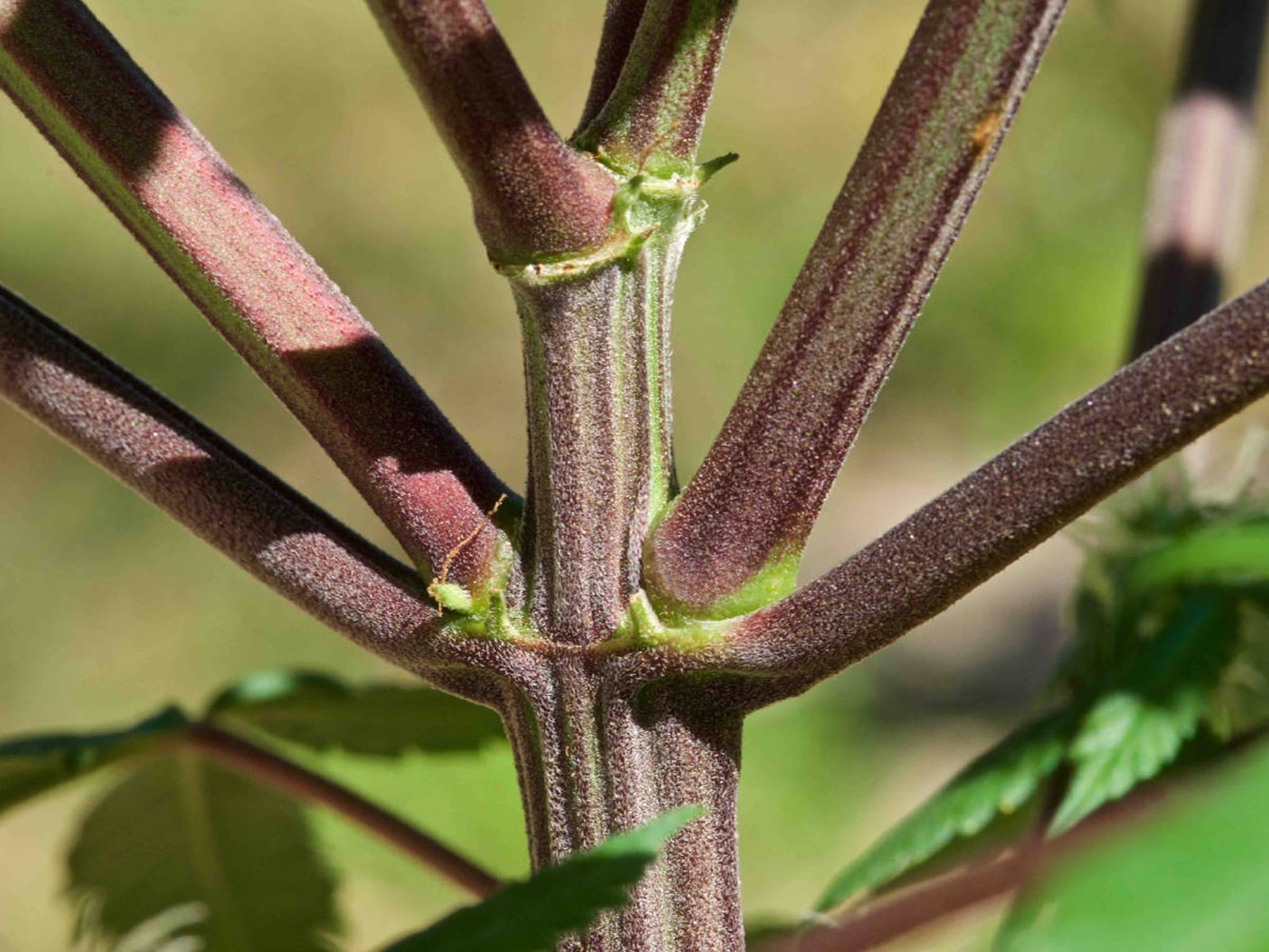
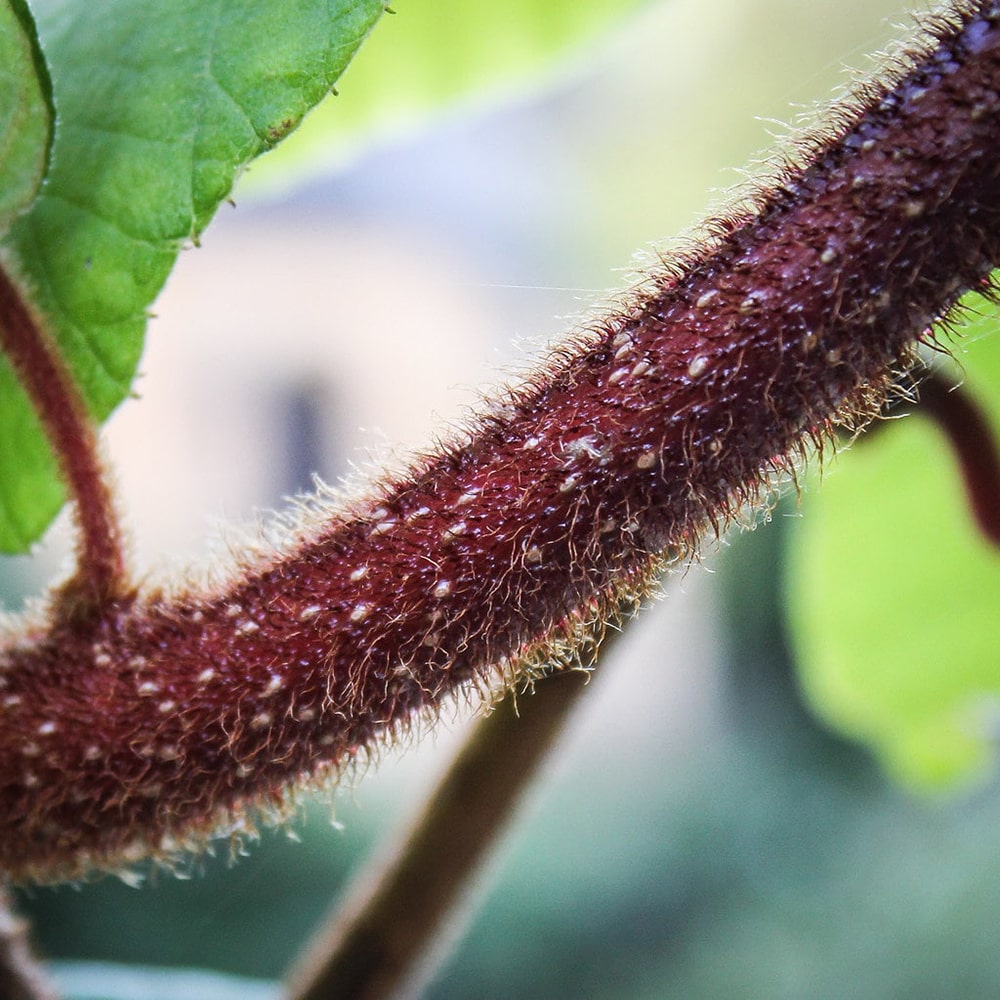
Zinnia peruviana features a short taproot and produces flowers that usually appear singly on a solitary, upright stem that is purple-green in color. Each flower consists of 6 to 15 ray florets and 12 to 50 disc florets. The stems are primarily unbranched, rough, and covered with fine coarse hairs.
The fruit of this plant is known as a cypsela, which is a dry, single-seeded fruit that develops from a double ovary, with only one ovary maturing into a seed.
This species is an excellent option for xeriscaping, as well as for pollinator and conservation gardens. Its blossoms attract various butterflies, including Danaus plexippus (Monarch), Heliconius charithonia (Zebra Longwing), and Leptophobia aripa.
In terms of pests and diseases, aphids and thrips can occasionally pose problems.
Zinnia peruviana Feature Summary
Zinnia peruviana Image Gallery