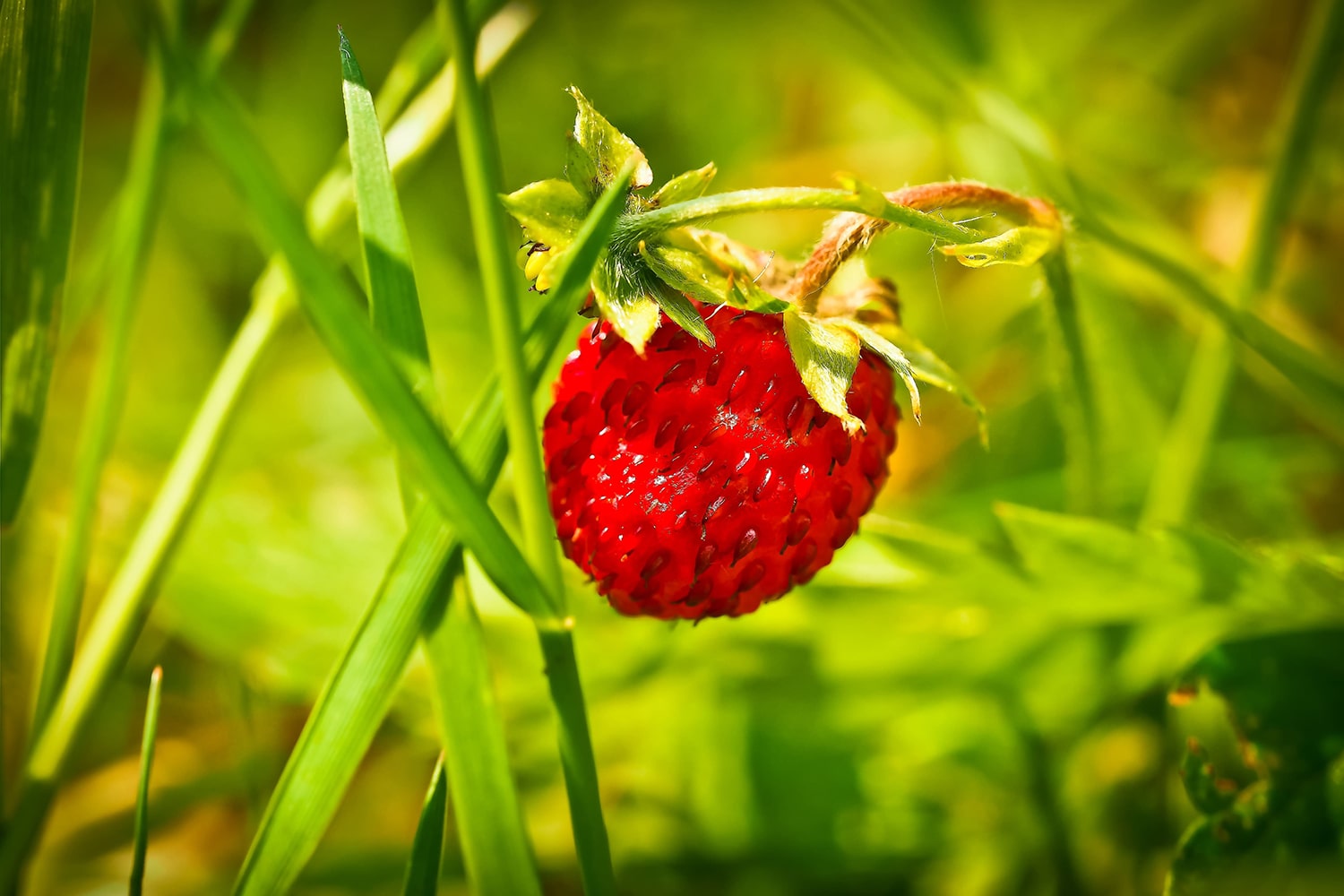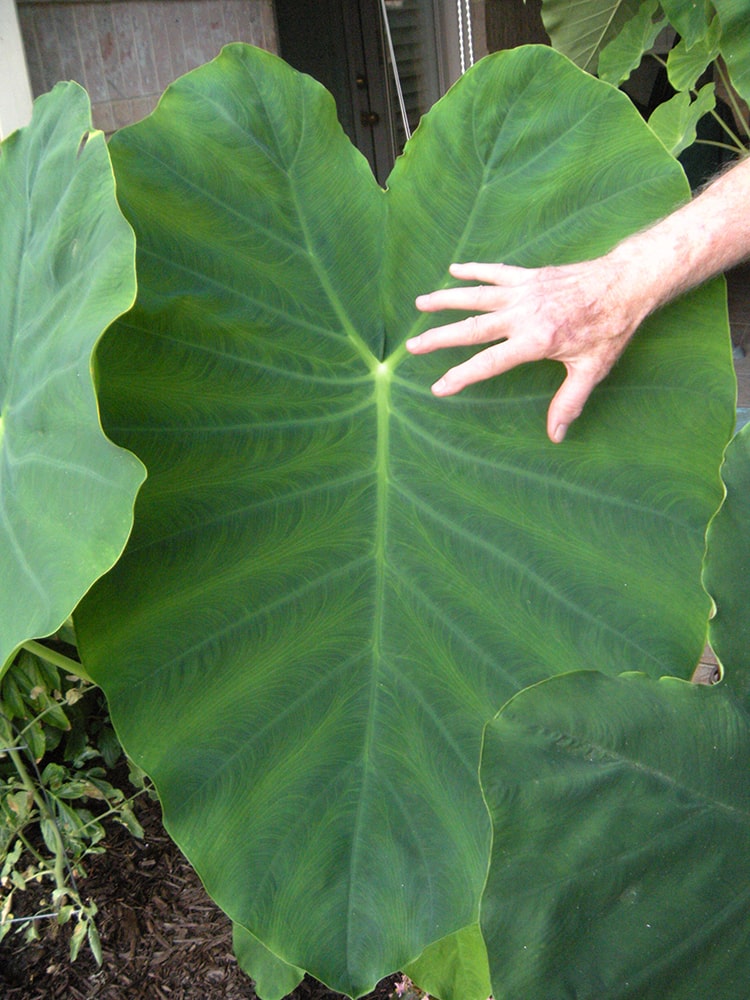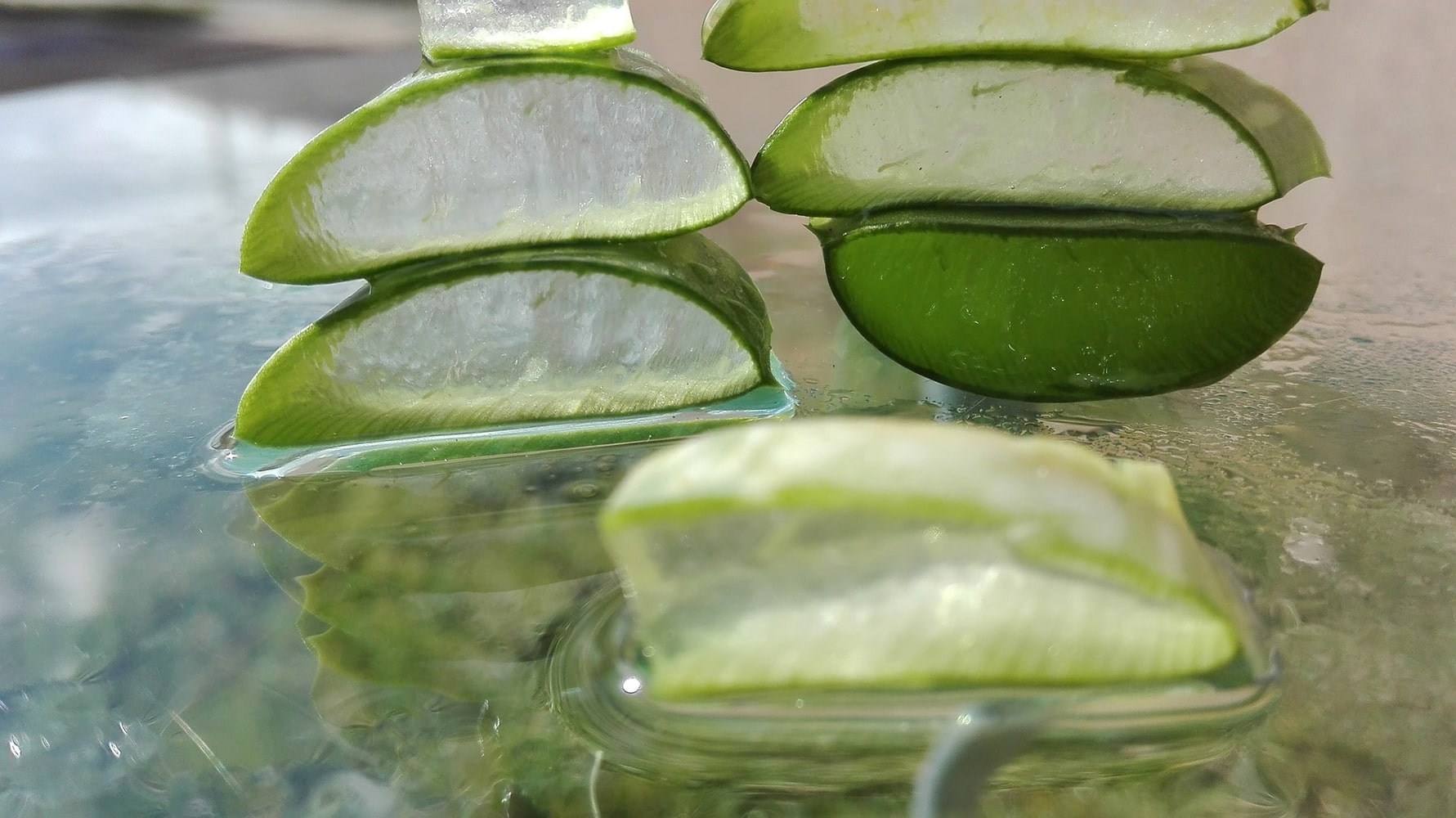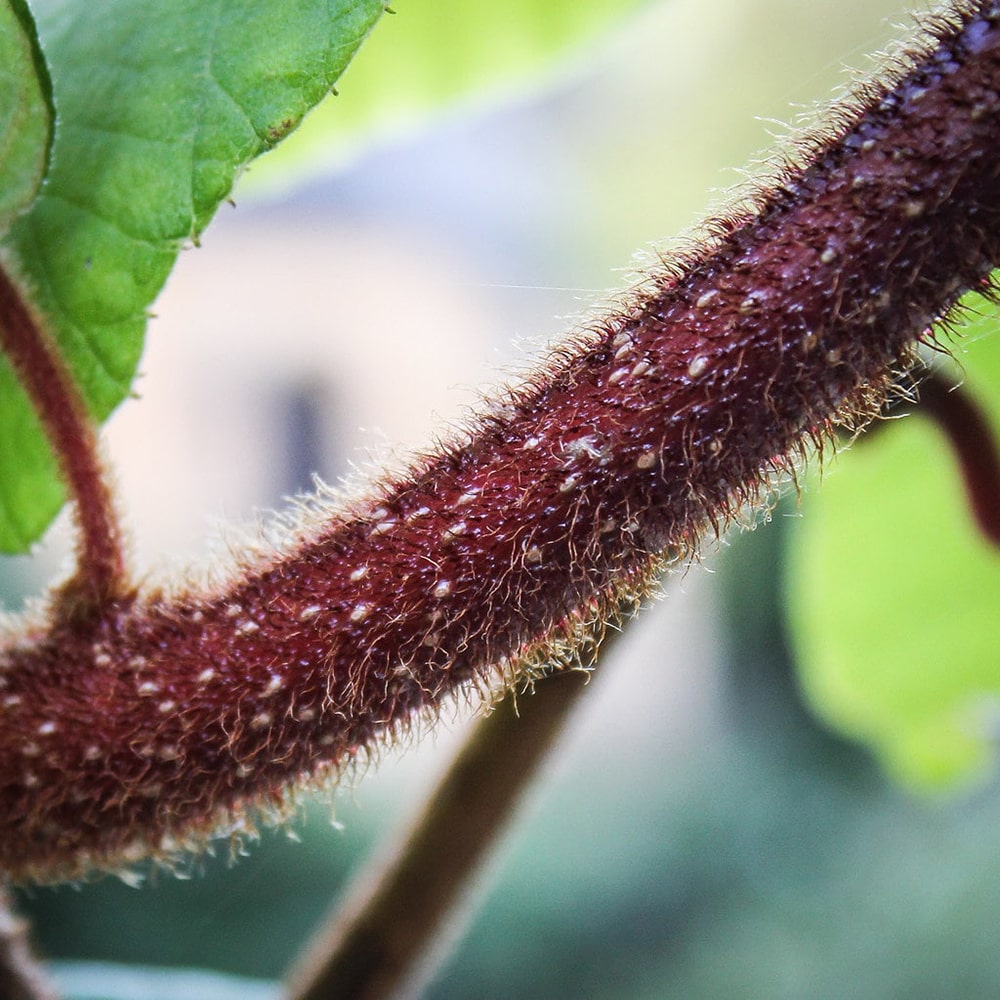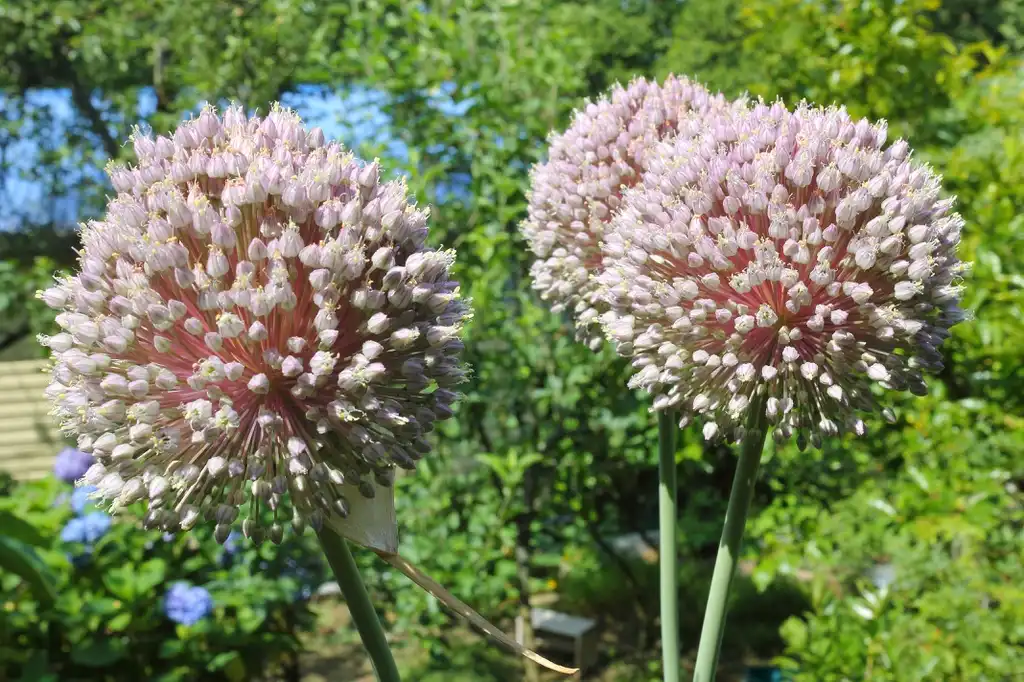
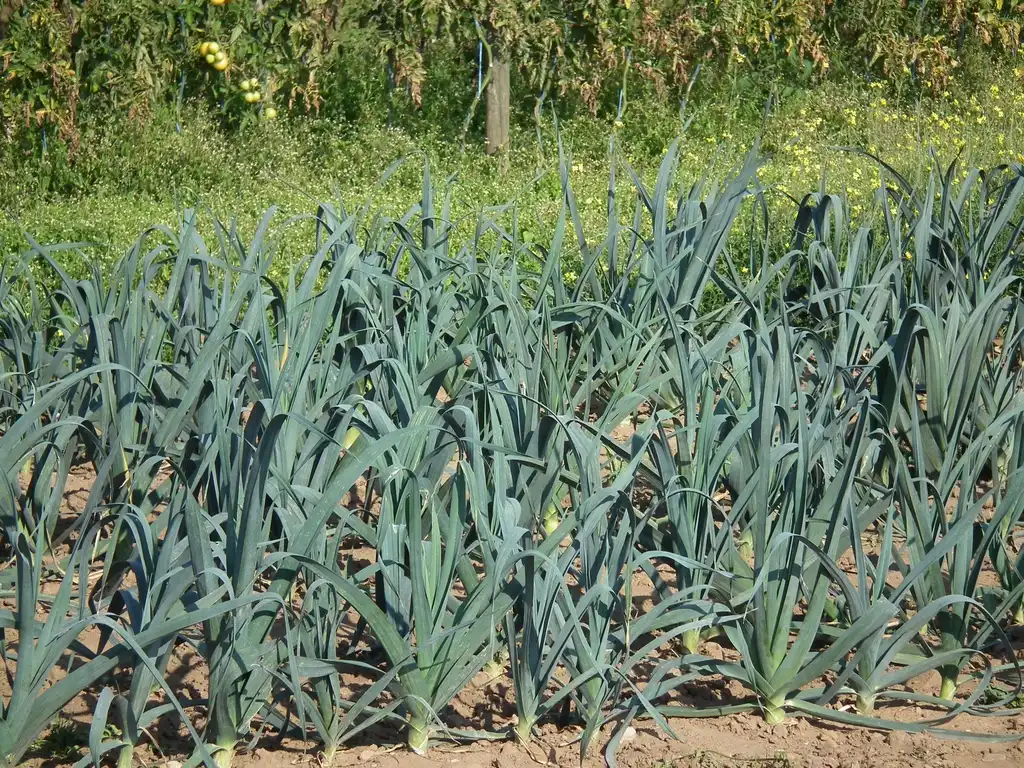
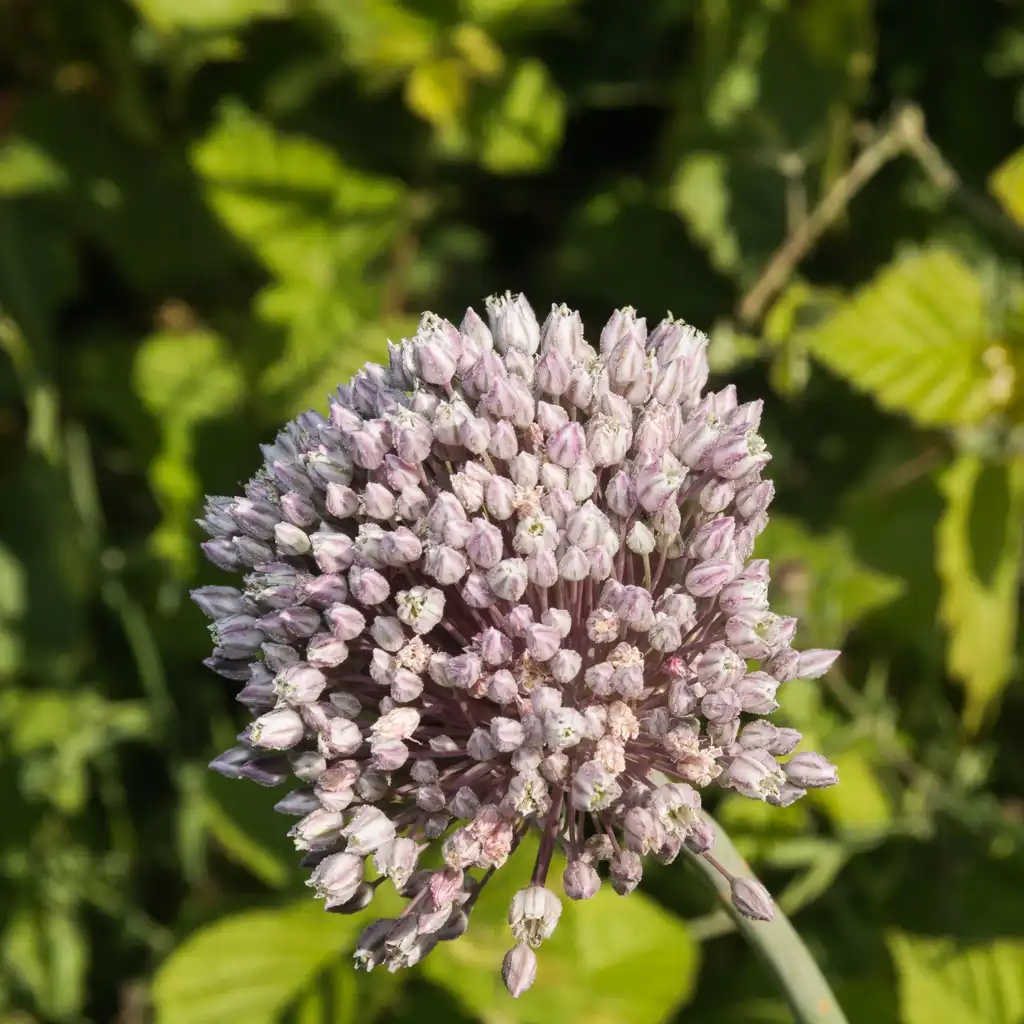
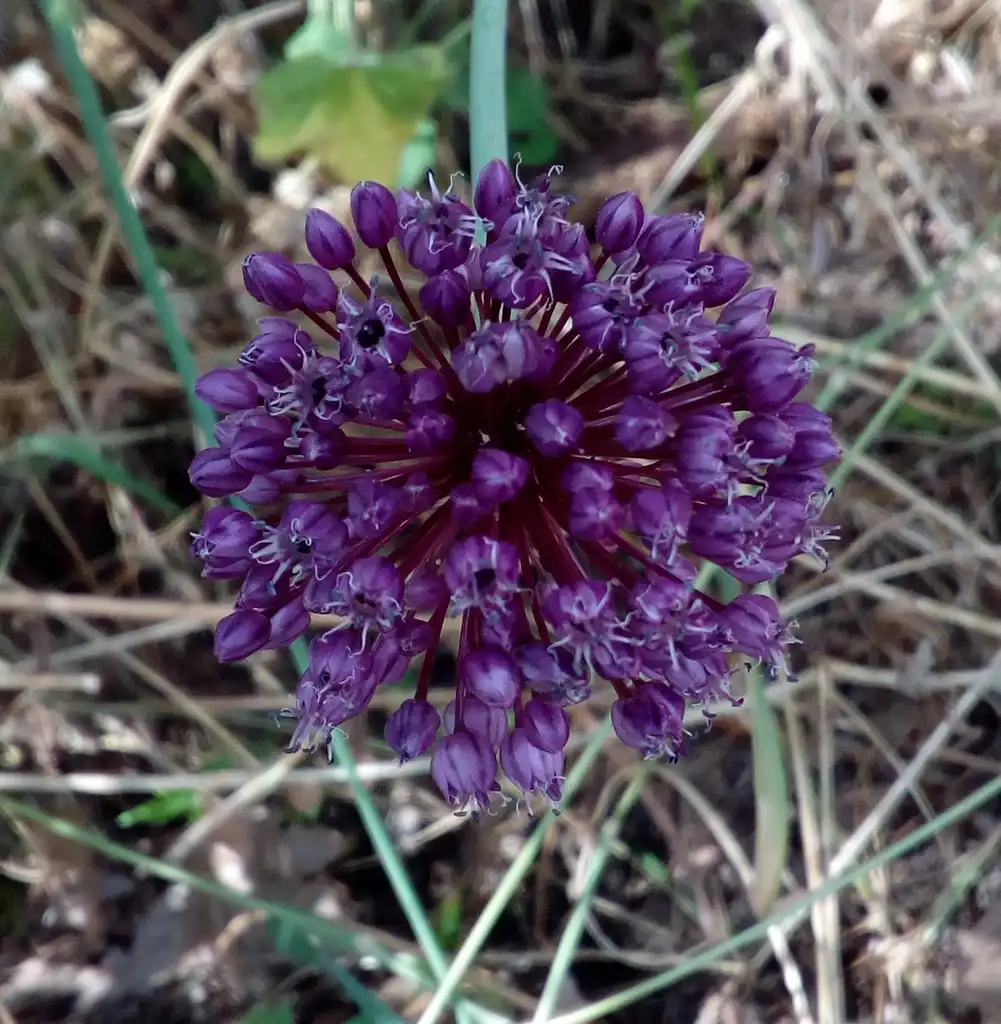
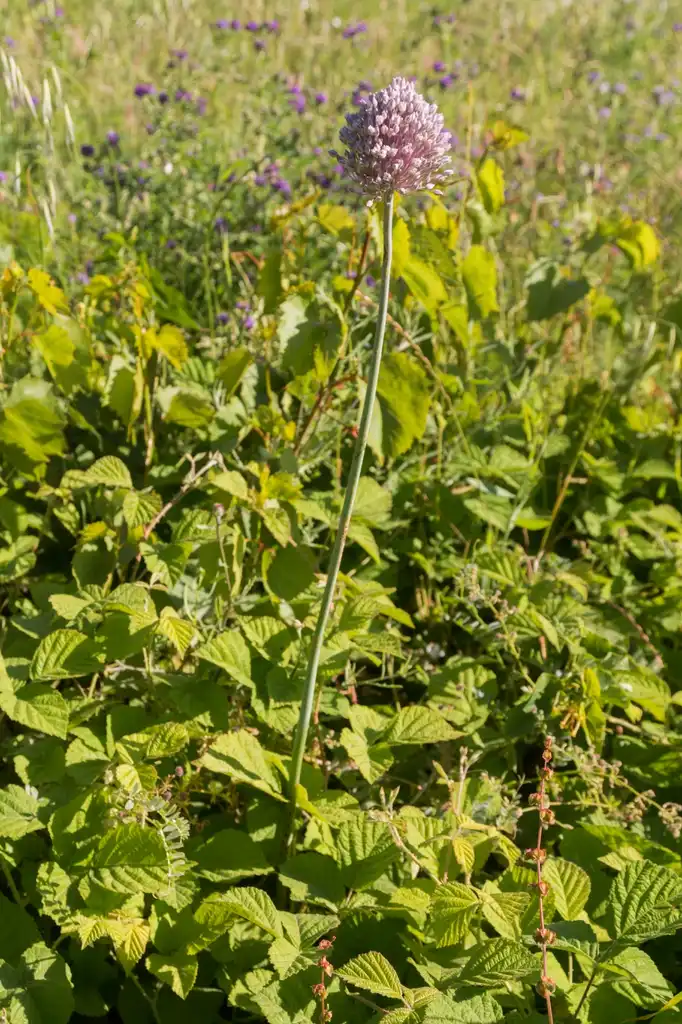
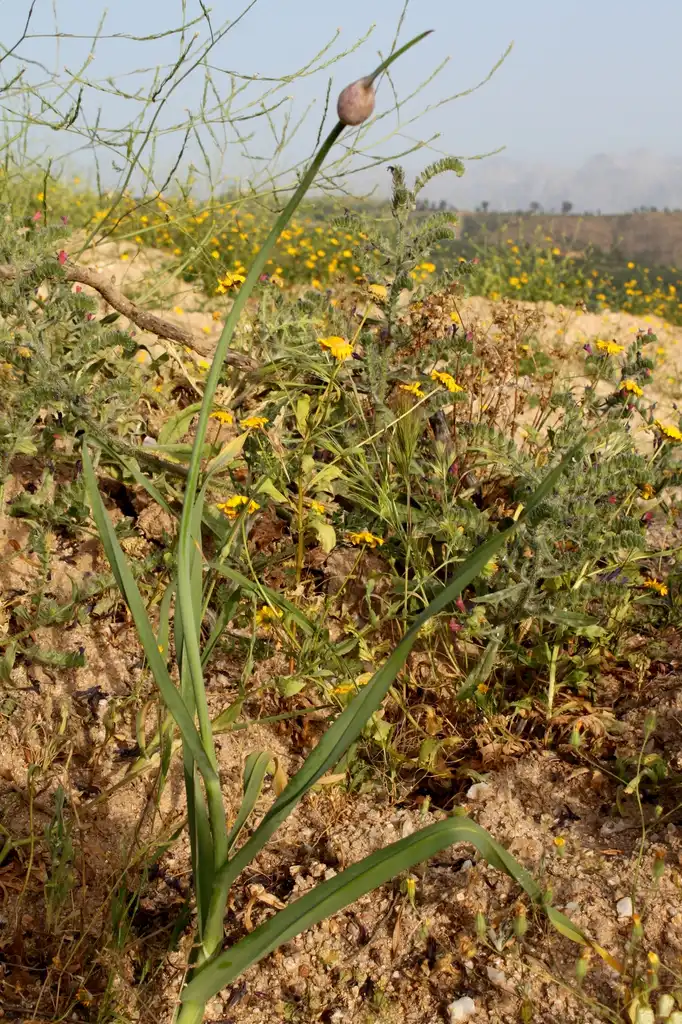
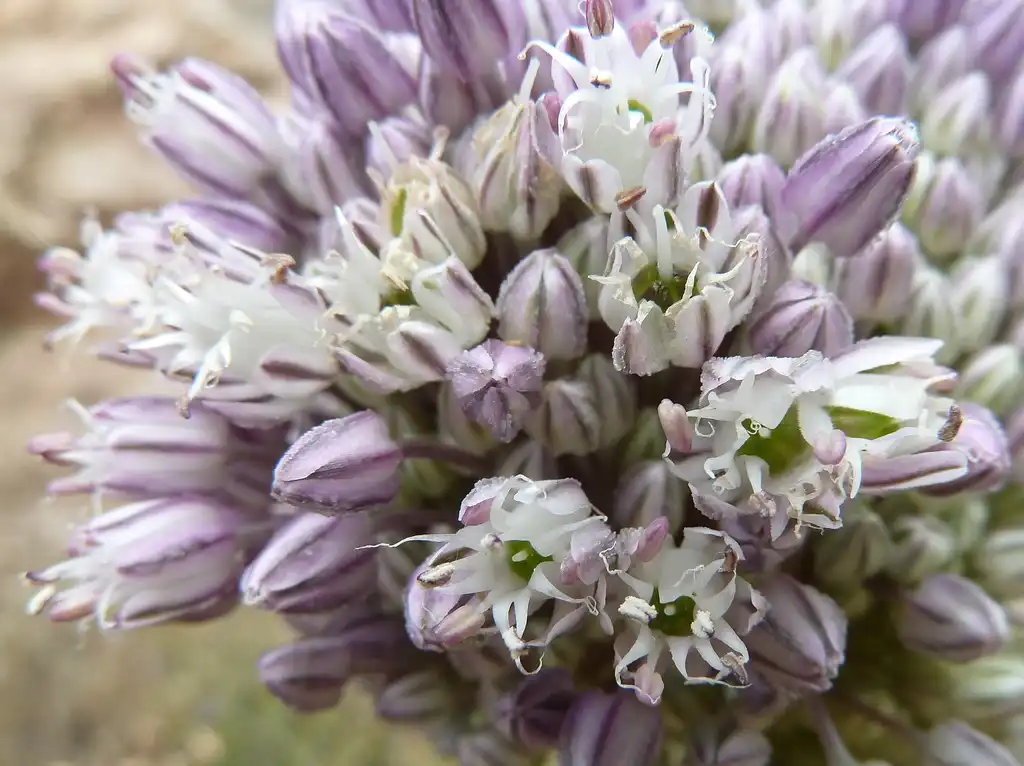
• Photo of Allium ampeloprasum (Allium ampeloprasums)

Plant Profile: Allium ampeloprasum

Taxonomy: Allium ampeloprasum

Names

Broadleaf Wild Leek, Elephant Garlic, Leeks, Wild Leek

  • Photo of Allium ampeloprasum (Allium ampeloprasums)

Phonetic Spelling:AL-ee-um am-pel-oh-PRAY-sum

Genus:Allium

Species:ampeloprasum

Family:Amaryllidaceae

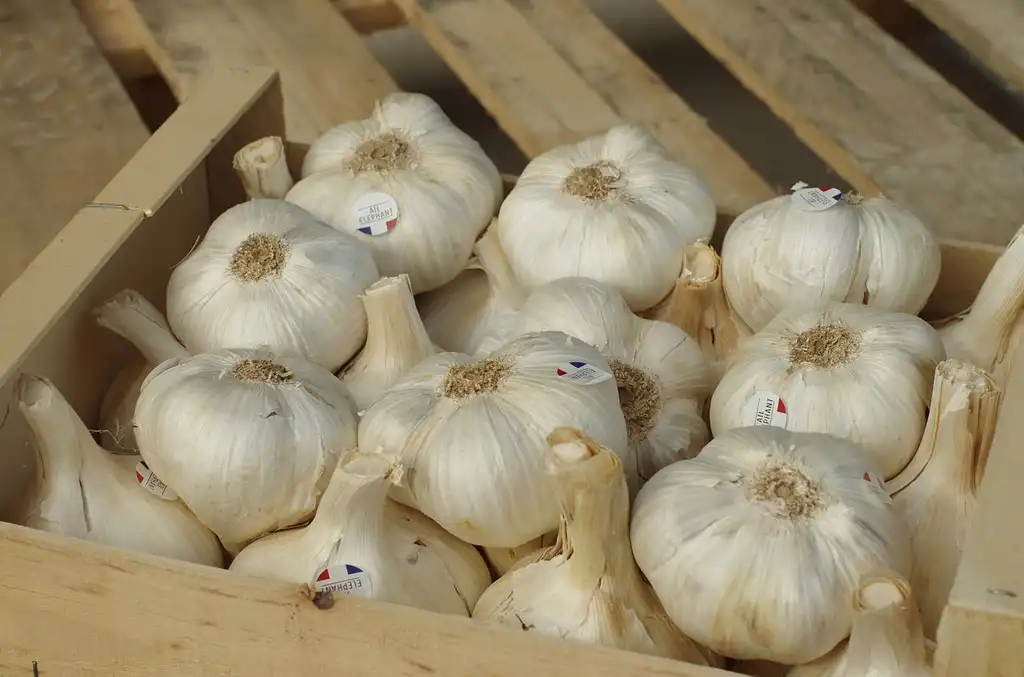
Wild Leek encompasses a diverse genus of approximately 400 species. These biennial bulbs belong to the onion family and are originally from Southern Europe, Asia, and Macronesia, though they can be found globally. The genus is categorized into three main groups: the Porrum Group, which includes leeks cultivated for their edible stems; the Ampeloprassum Group, which consists of elephant garlic and levant garlic; and the Kurrat Group, also referred to as Egyptian Leek or Salad Leek, primarily grown for its leaves.

For optimal growth, plant these leeks in full sunlight within rich, organic, consistently moist, and well-drained loamy soils in your edible garden.

Regarding pests and diseases, Wild Leek generally faces few significant issues. Occasionally, onion maggots and thrips may appear as pests, and slugs can harm young seedlings. Additionally, rust, mildew, and leaf spot may arise from time to time. Excess moisture or poorly drained soils can lead to rot.

Allium ampeloprasum Feature Summary

Allium ampeloprasum Image Gallery

Tags

#biennial
#edible flowers
#rabbit resistant
#deer resistant
#vegetable garden
#edible stems
#cool season vegetable
#problem for cats
#problem for dogs
#problem for horses
#black walnut toxicity tolerant
#edible bulbs
#vole resistant

Similar Plants

Allium ampeloprasum Feature Summary

Attributes
Macronesia, Mediterranean, Asia
Flowers have a mildly bitter flavor and like young leaves can be eaten in small quantities raw in salads and sandwiches or cooked in tea and soups. Bulbs and stems can also be eaten raw or cooked. However, the plant also has poisonous characteristics as noted in the "Poisonous to Humans" section of this record. Toxicity can depend on the age of the person or animal, the age of the plant, the part of the plant ingested, how much is ingested, whether the person or animal has sensitivities or allergies, whether it's eaten raw or cooked, and so forth. Consult with a medical professional for further details.
Bulb
Biennial
Flowers
Clusters of small flowers bloom seasonally second-year only. Color varies as to species.
Pink
Purple/Lavender
White
6 petals/rays
< 1 inch
Leaves
Leaf varies as to species. Generally linear in shape with entire margins and green color.
> 6 inches
1-3 inches
Stem
Thick tasty edible stems.
Green
White
Poisonous to Humans
Vomiting, breakdown of red blood cells (hemolytic anemia, Heinz body anemia), blood in urine, weakness, high heart rate, panting
N-propyl disulfide
Whole Plant Traits
Edible
Poisonous
Bulb
Vegetable
Cultural Conditions
Full sun (6 or more hours of direct sunlight a day)
Good Drainage
Moist
12 inches-3 feet
Less than 12 inches
Coastal
Mountains
Piedmont
5b
5a
6a
6b
7a
7b
8b
8a
9a
9b
10a
10b
High Organic Matter
Loam (Silt)
Fruit
Landscape
Edible Garden
Deer
Rabbits
Black Walnut
Voles
Problem for Cats
Problem for Dogs
Problem for Horses

Allium ampeloprasum Attributes

Allium ampeloprasum: Country Or Region Of Origin

Macronesia, Mediterranean, Asia
Allium ampeloprasum: Edibility

Flowers have a mildly bitter flavor and like young leaves can be eaten in small quantities raw in salads and sandwiches or cooked in tea and soups. Bulbs and stems can also be eaten raw or cooked. However, the plant also has poisonous characteristics as noted in the "Poisonous to Humans" section of this record. Toxicity can depend on the age of the person or animal, the age of the plant, the part of the plant ingested, how much is ingested, whether the person or animal has sensitivities or allergies, whether it's eaten raw or cooked, and so forth. Consult with a medical professional for further details.

Allium ampeloprasum: Life Cycle

Annual
Biennial
Bulb
Perennial
Woody

Allium ampeloprasum Flowers

Allium ampeloprasum: Flower Description

Clusters of small flowers bloom seasonally second-year only. Color varies as to species.

Allium ampeloprasum: Flower Color

filter_vintage
Pink
filter_vintage
Purple/Lavender
filter_vintage
White

Allium ampeloprasum: Flower Inflorescence

Catkin
Corymb
Cyme
Head
Insignificant
Panicle
Raceme
Solitary
Spadix
Spike
Umbel

Allium ampeloprasum: Flower Bloom Time

Winter
Spring
Summer
Fall

Allium ampeloprasum: Flower Petals

2-3 rays/petals
4-5 petals/rays
6 petals/rays
7 - 20 petals/rays
asymmetrical petals
Bracts
Colored Sepals
fused petals
more than 20 petals/rays
Tepals

Allium ampeloprasum: Flower Size

1-3 inches
3-6 inches
< 1 inch
> 6 inches

Allium ampeloprasum Leaves

Allium ampeloprasum: Leaf Description

Leaf varies as to species. Generally linear in shape with entire margins and green color.

Allium ampeloprasum: Leaf Color

spa
Green

Allium ampeloprasum: Leaf Type

Compound (Pinnately , Bipinnately, Palmately)
Fronds
Needles
Sheath
Simple

Allium ampeloprasum: Leaf Shape

Acicular
Auriculate
Cordate
Cuneate
Deltoid
Elliptical
Filiform
Lanceolate
Linear
Oblanceolate
Oblong
Obovate
Obtuse
Orbicular
Ovate
Palmasect
Palmatifid
Peltate
Pinnatifid
Pinnatisect
Reniform
Rhomboidal
Spatulate
Subcordate
Subulate

Allium ampeloprasum: Leaf Margin

Crenate
Crenulate
Dentate
Denticulate
Doubly Crenate
Doubly Dentate
Doubly Serrate
Entire
Lobed
Serrate
Sinuate
Undulate

Allium ampeloprasum: Hairs Present

No
Yes

Allium ampeloprasum: Leaf Length

< 1 inch
1-3 inches
3-6 inches
> 6 inches

Allium ampeloprasum: Leaf Value To Gardener

Edible
Fragrant
Good Cut
Good Dried
Long-lasting
Showy

Allium ampeloprasum: Leaf Width

< 1 inch
1-3 inches
3-6 inches
> 6 inches

Allium ampeloprasum Stem

Allium ampeloprasum: Stem Description

Thick tasty edible stems.

Allium ampeloprasum: Stem Color

grass
Green
grass
White

Allium ampeloprasum: Stem Is Aromatic

No
Yes

Allium ampeloprasum Poisonous to Humans

Allium ampeloprasum: Poison Symptoms

Vomiting, breakdown of red blood cells (hemolytic anemia, Heinz body anemia), blood in urine, weakness, high heart rate, panting

Allium ampeloprasum: Poison Toxic Principle

N-propyl disulfide

Allium ampeloprasum: Poison Severity

High
Low
Medium

Allium ampeloprasum: Causes Contact Dermatitis

No
Yes

Allium ampeloprasum Whole Plant Traits

Allium ampeloprasum: Plant Type

Annual
Bulb
Carnivorous
Edible
Epiphyte
Fern
Ground Cover
Herb
Herbaceous Perennial
Houseplant
Mushroom
Native Plant
Ornamental Grasses and Sedges
Perennial
Poisonous
Rose
Shrub
Succulent
Tree
Turfgrass
Vegetable
Vine
Water Plant
Weed
Wildflower

Allium ampeloprasum: Habit/Form

Arching
Ascending
Broad
Cascading
Climbing
Clumping
Columnar
Conical
Creeping
Dense
Erect
Horizontal
Irregular
Mounding
Multi-stemmed
Multi-trunked
Open
Oval
Prostrate
Pyramidal
Rounded
Spreading
Vase
Weeping

Allium ampeloprasum: Growth Rate

Slow
Medium
Rapid

Allium ampeloprasum: Maintenance

Low
Medium
High

Allium ampeloprasum Cultural Conditions

Allium ampeloprasum: Light

Dappled Sunlight (Shade through upper canopy all day)
Deep shade (Less than 2 hours to no direct sunlight)
Full sun (6 or more hours of direct sunlight a day)
Partial Shade (Direct sunlight only part of the day, 2-6 hours)

Allium ampeloprasum: Soil Drainage

Frequent Standing Water
Good Drainage
Moist
Occasional Flooding
Occasionally Dry
Occasionally Wet
Very Dry
Allium ampeloprasum: Available Space To Plant

12 inches-3 feet
12-24 feet
24-60 feet
3 feet-6 feet
6-feet-12 feet
Less than 12 inches
more than 60 feet

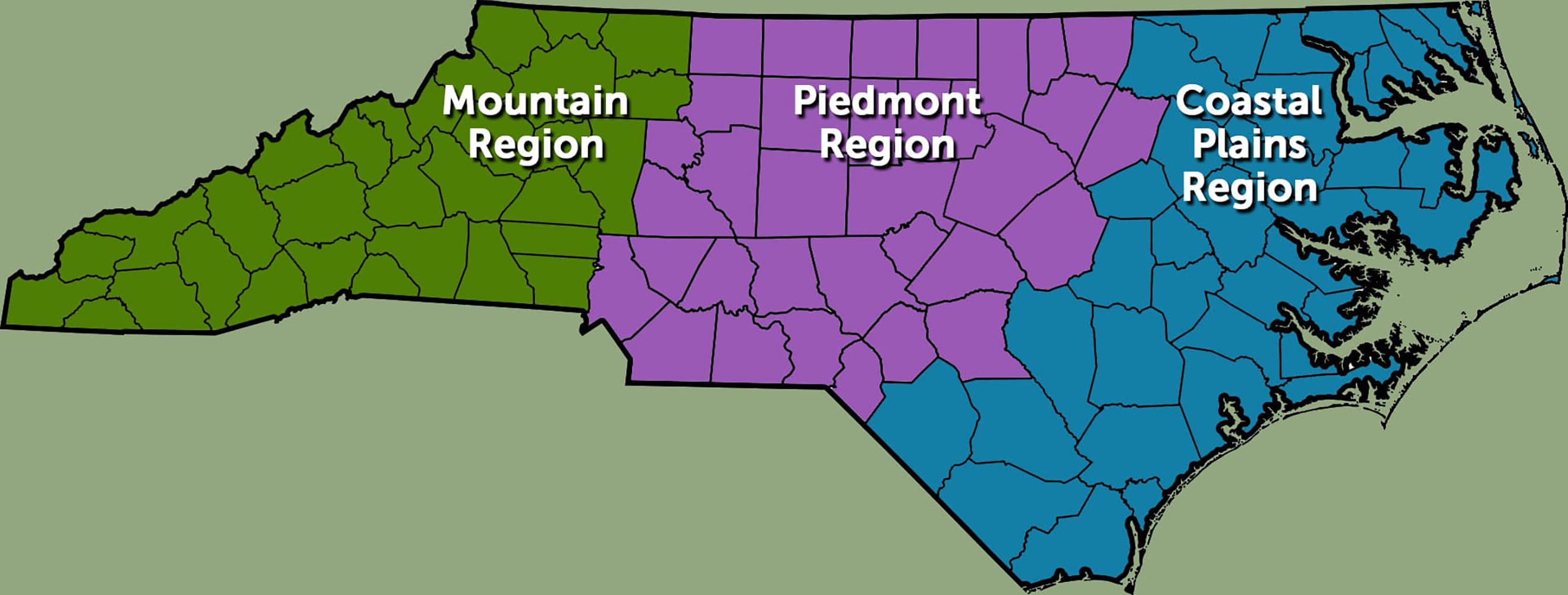
Allium ampeloprasum: NC Region

Coastal
Mountains
Piedmont

Allium ampeloprasum: USDA Plant Hardiness Zone

thermostat
10a
thermostat
10b
thermostat
5a
thermostat
5b
thermostat
6a
thermostat
6b
thermostat
7a
thermostat
7b
thermostat
8a
thermostat
8b
thermostat
9a
thermostat
9b

Allium ampeloprasum: Soil Texture

Clay
High Organic Matter
Loam (Silt)
Sand
Shallow Rocky

Allium ampeloprasum Fruit

Allium ampeloprasum: Fruit Type

Achene
Aggregate
Berry
Capsule
Caryopsis
Drupe
Follicle
Legume
Nut
Pome
Samara
Schizocarp
Siliqua

Allium ampeloprasum Landscape

Allium ampeloprasum: Landscape Theme

Asian Garden
Butterfly Garden
Children's Garden
Cottage Garden
Cutting Garden
Drought Tolerant Garden
Edible Garden
English Garden
Fairy Garden
Garden for the Blind
Native Garden
Nighttime Garden
Pollinator Garden
Rain Garden
Rock Garden
Shade Garden
Water Garden
Winter Garden

Allium ampeloprasum: Resistance To Challenges

Black Walnut
Compaction
Deer
Diseases
Drought
Dry Soil
Erosion
Fire
Foot Traffic
Heat
Heavy Shade
Humidity
Insect Pests
Pollution
Poor Soil
Rabbits
Salt
Slugs
Squirrels
Storm damage
Urban Conditions
Voles
Wet Soil
Wind

Allium ampeloprasum: Problems

Allelopathic
Contact Dermatitis
Frequent Disease Problems
Frequent Insect Problems
Invasive Species
Malodorous
Messy
Poisonous to Humans
Problem for Cats
Problem for Children
Problem for Dogs
Problem for Horses
Short-lived
Spines/Thorns
Weak Wood
Weedy