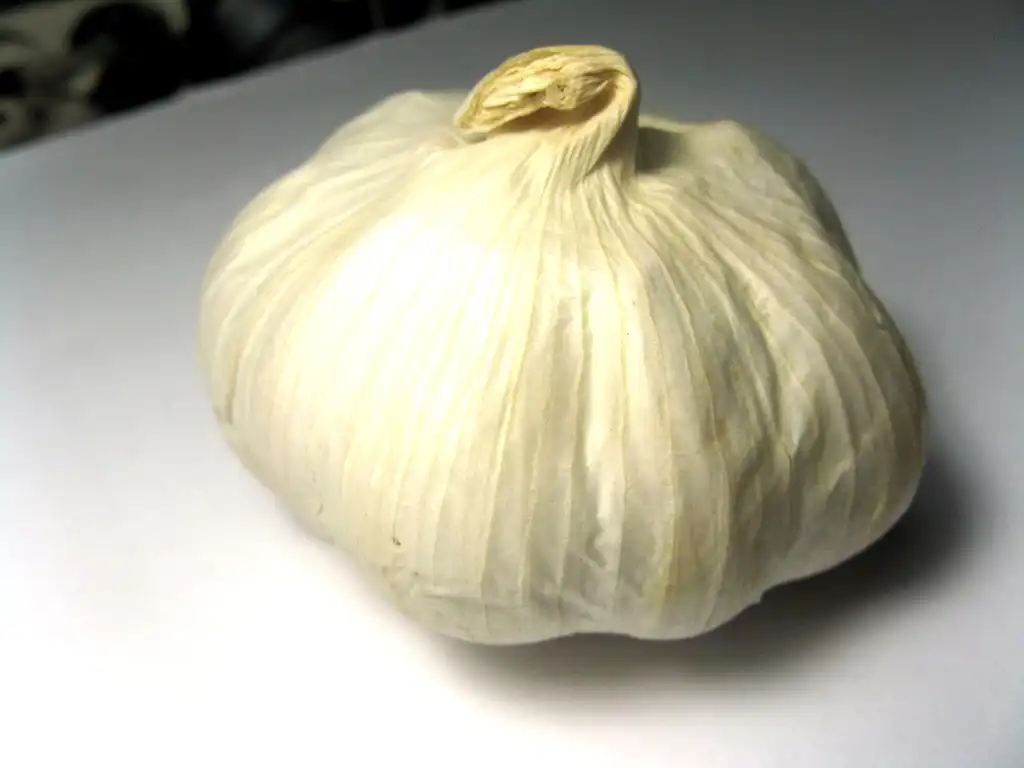
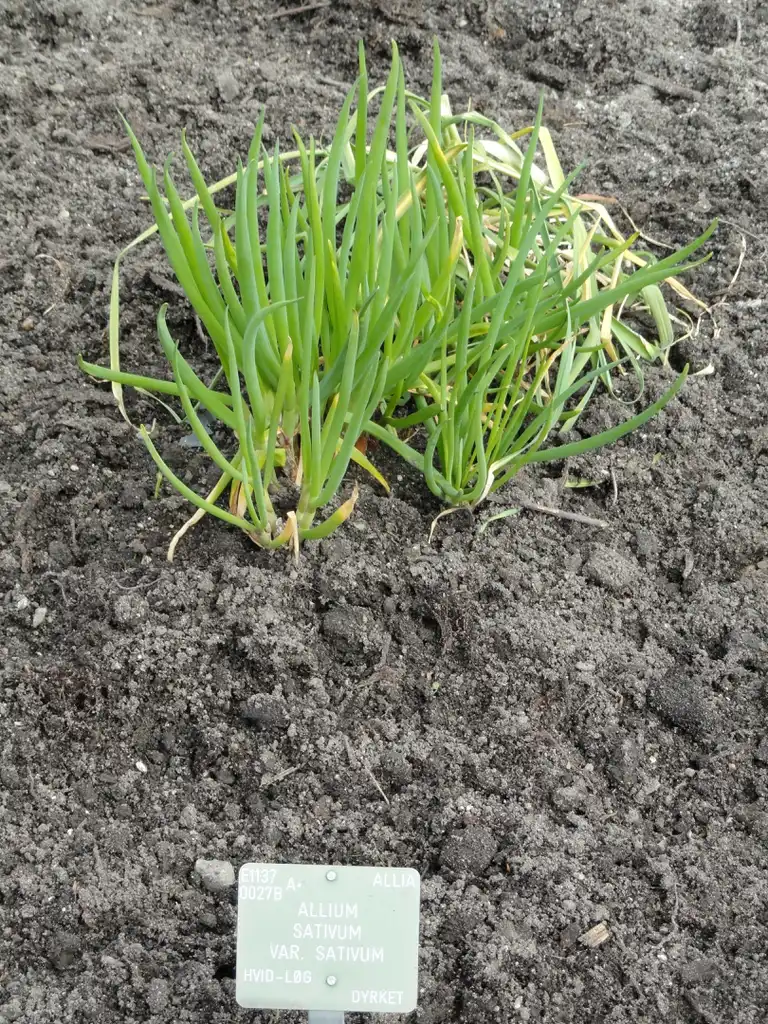
Allium sativum var. sativum: Country Or Region Of Origin
Middle East Asia
Phonetic Spelling:AL-ee-um sa-TEE-vum sa-TEE-vum
Genus:Allium
Species:sativum
Family:Amaryllidaceae
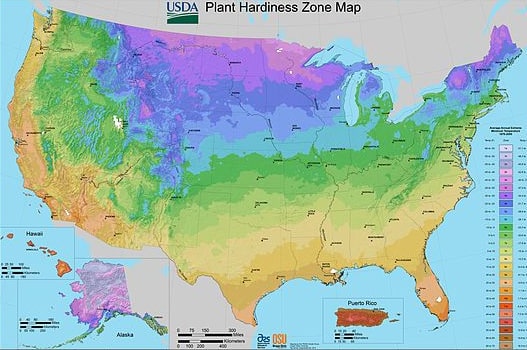
Softneck garlic yields a greater number of cloves compared to hardneck garlic, but it has a milder taste. It is also a superior option for storage, as bulbs kept in cool, dry conditions can remain viable for up to a year. This variety is resistant to deer browsing and can be planted in proximity to black walnut trees. Unlike hardneck garlic, softneck varieties do not require cold conditions and thrive better in warmer climates. There are two main types of softneck garlic: Silverskin and Artichoke. Artichoke varieties tend to be larger, producing between 12 to 25 cloves, and they mature earlier than Silverskin types. Most softneck garlic does not produce flowers.
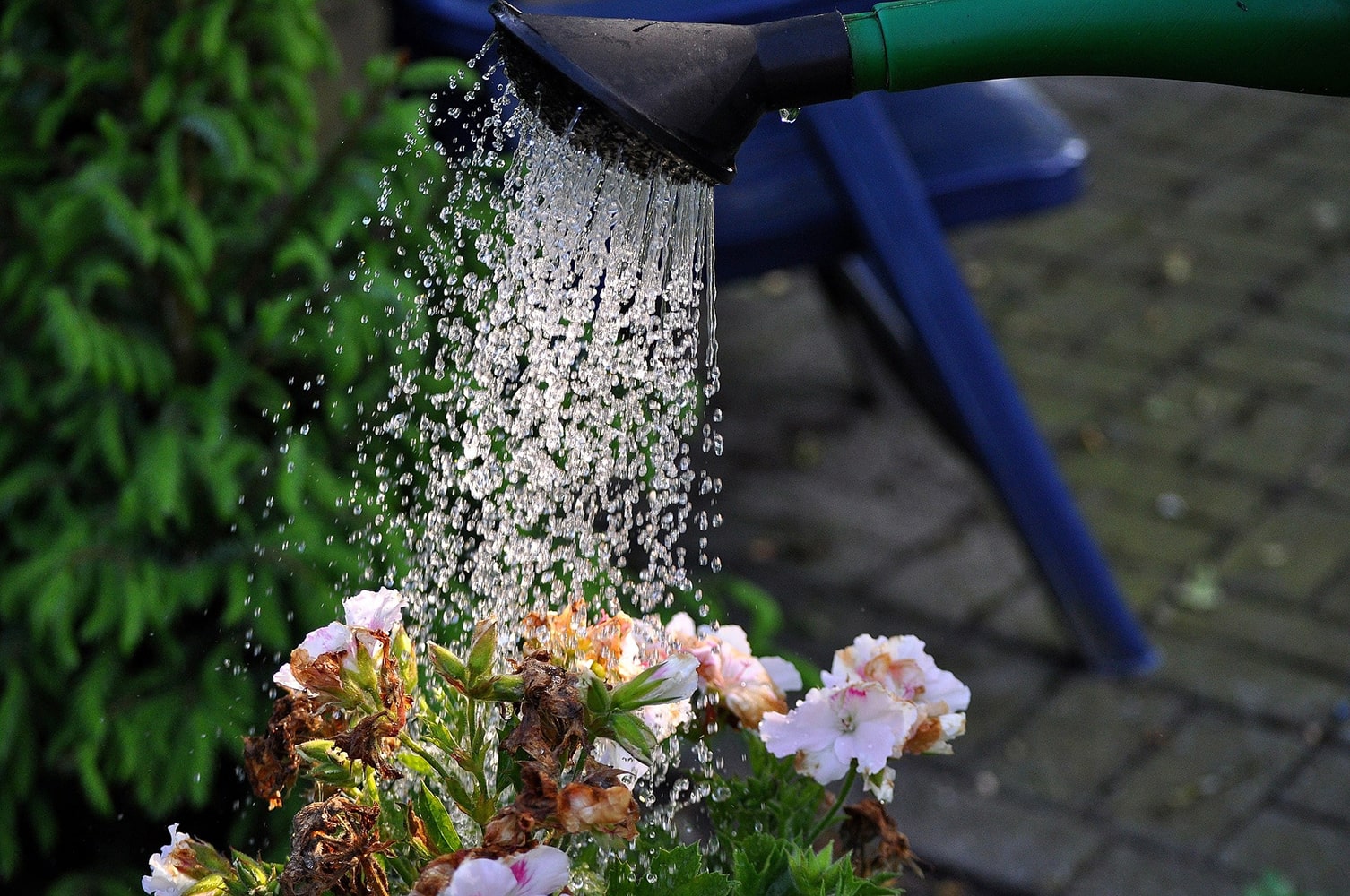
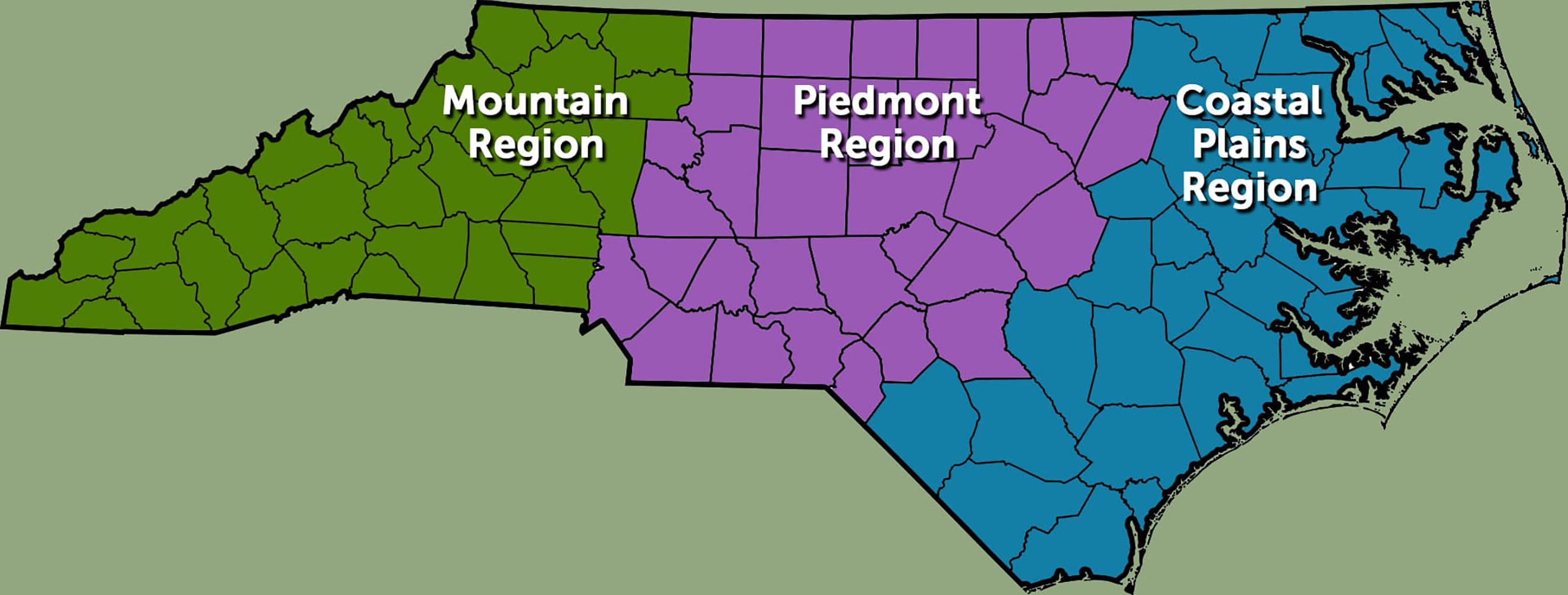
In North Carolina, plant cloves from late October to November, and possibly into December in the southern regions, for a harvest between May and June. The cloves need at least 4 to 6 weeks to establish roots before the ground freezes. Space the cloves 6 to 8 inches apart and plant them 2 to 3 inches deep. They should be placed in loose, fertile, well-drained soil with full sun exposure, and mulching is recommended to reduce weed competition. Reduce watering as the harvest approaches to avoid bulb rot.
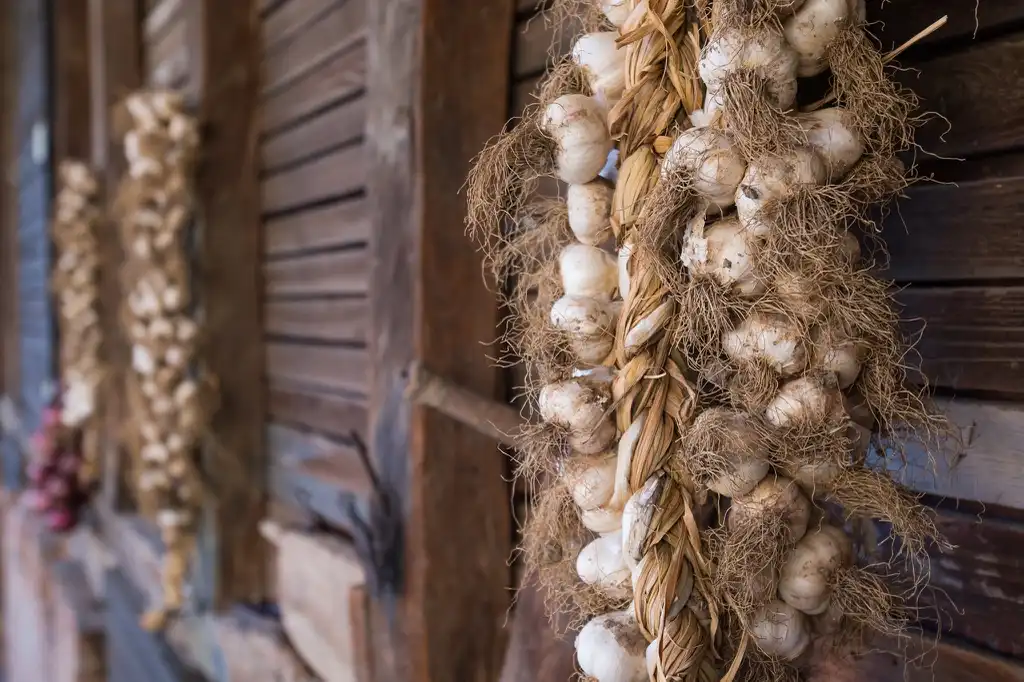
Garlic should be harvested when approximately half of the leaves have turned brown. After harvesting, it needs to cure in a warm, dry area away from direct sunlight. Once the leaves are fully dried, you can trim them along with the roots and outer layers. Additionally, softneck garlic can be braided for storage.
For more information on Allium sativum, please refer to additional resources.
Allium sativum var. sativum Feature Summary
Allium sativum var. sativum Image Gallery