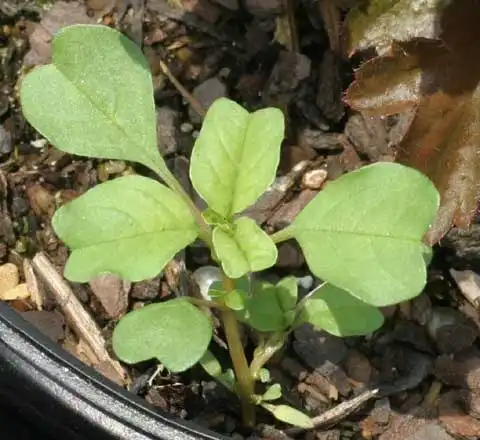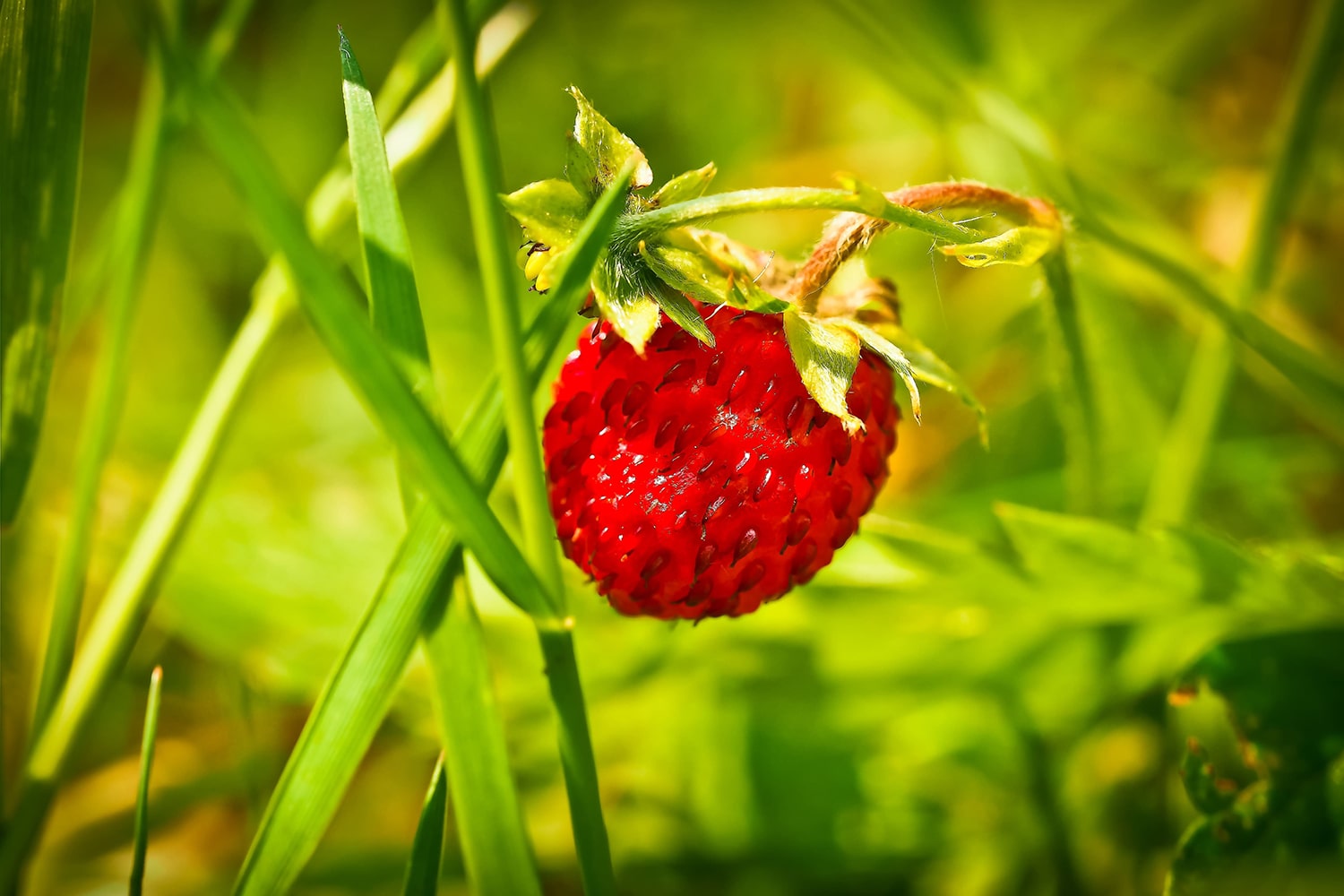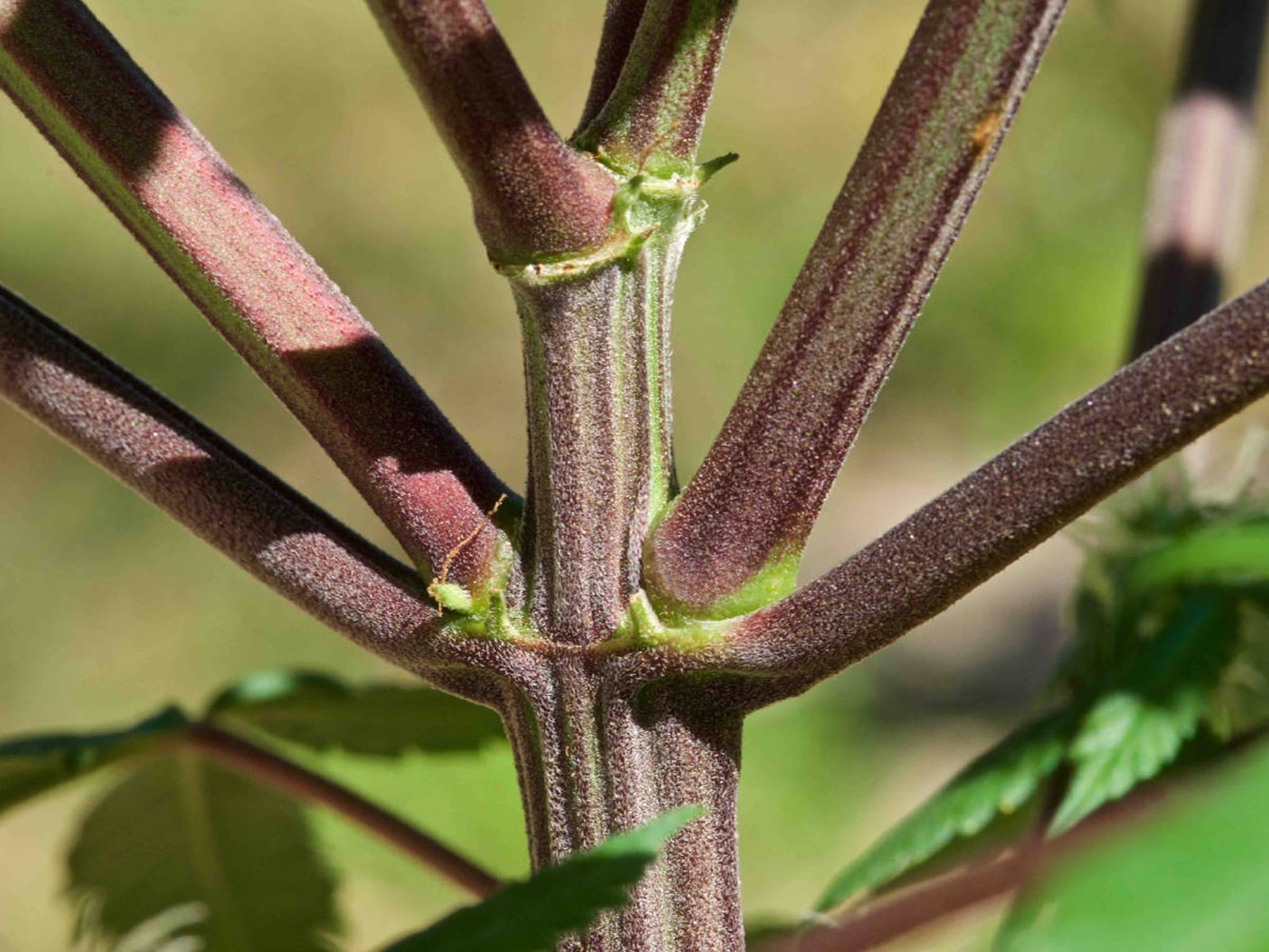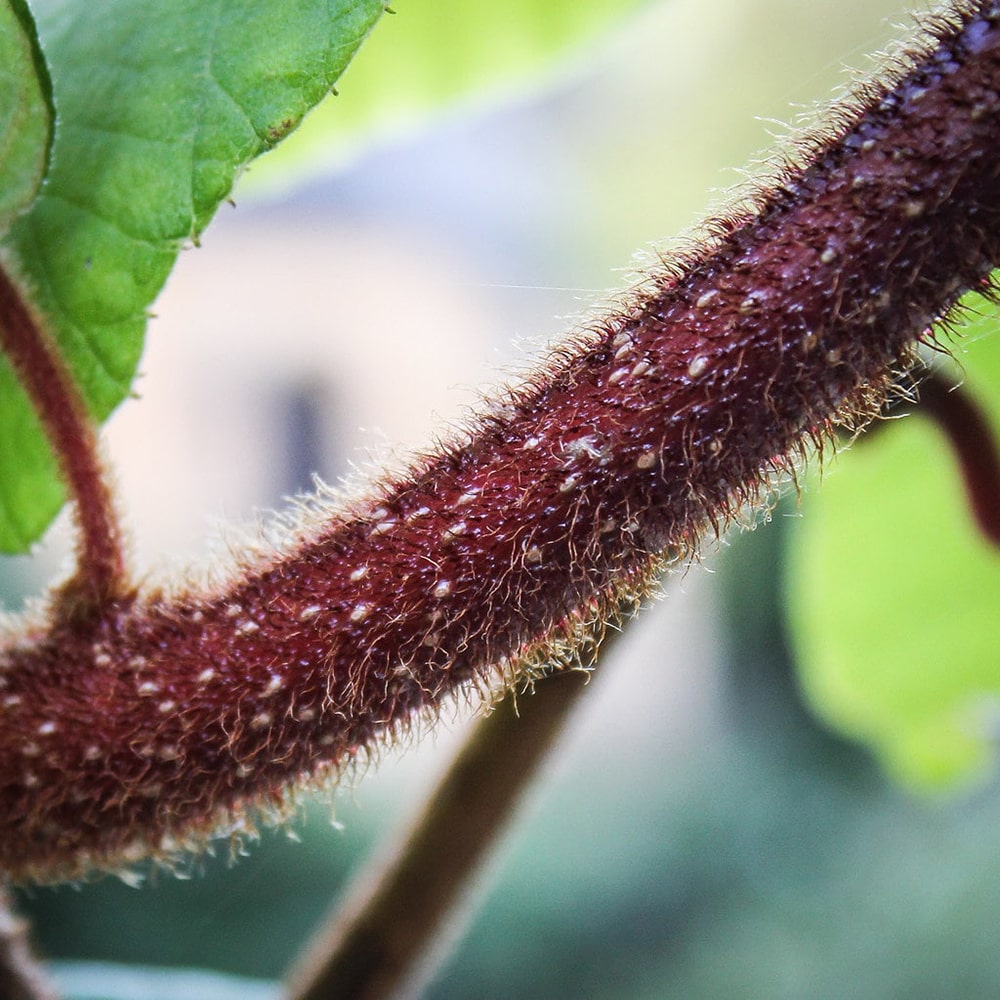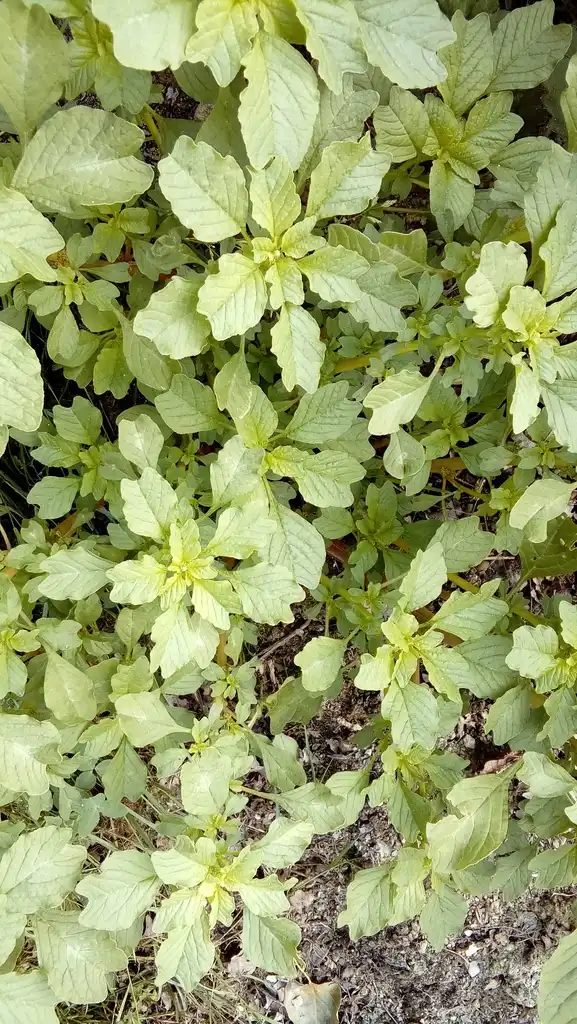
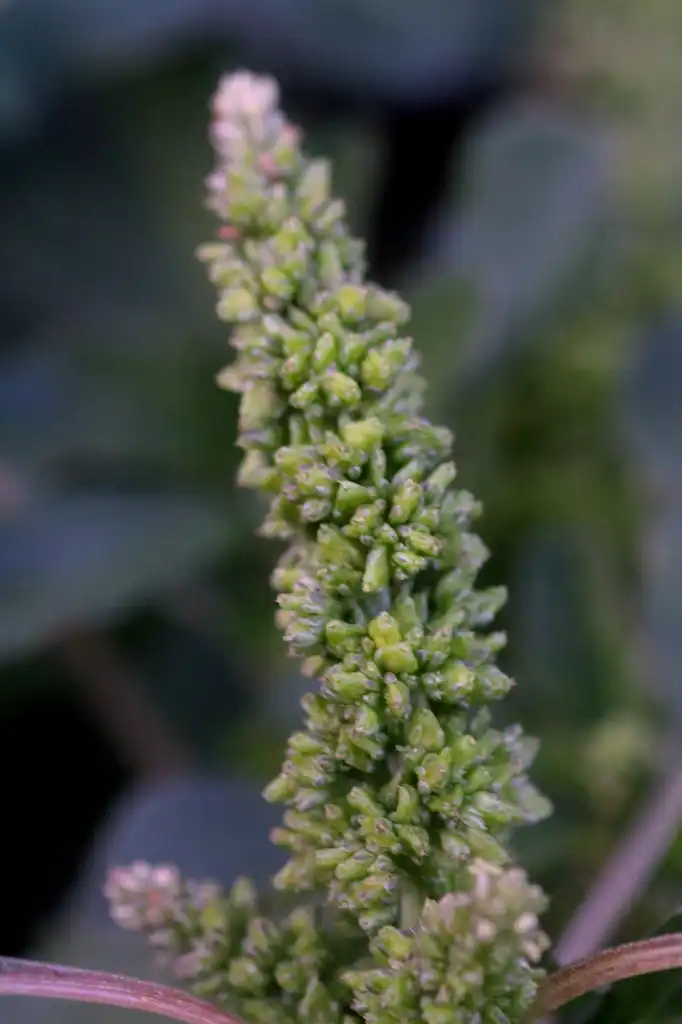
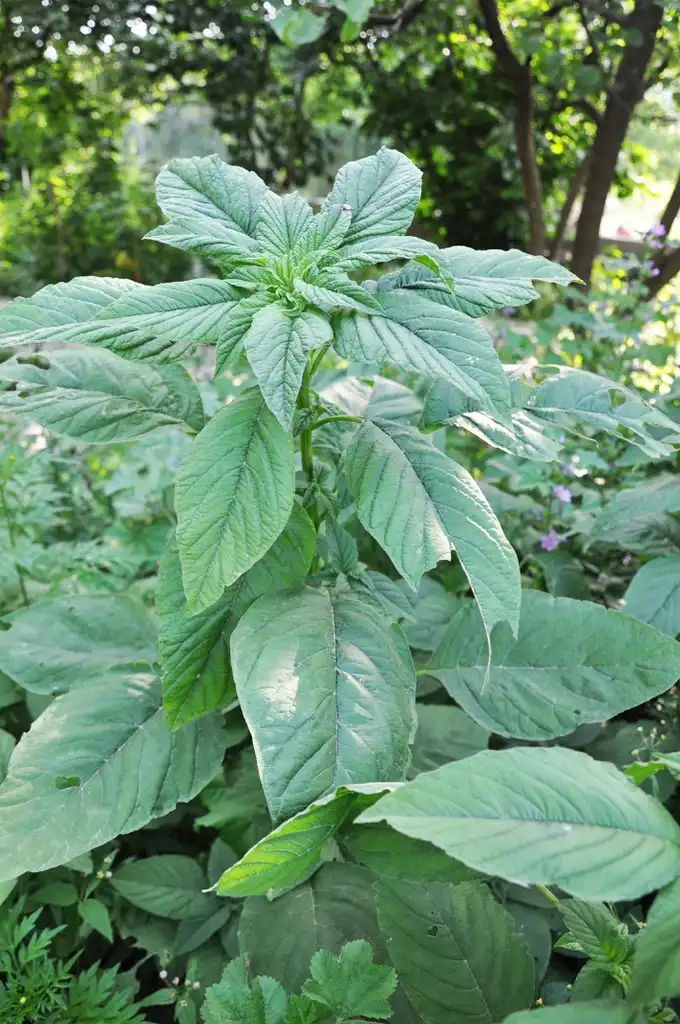
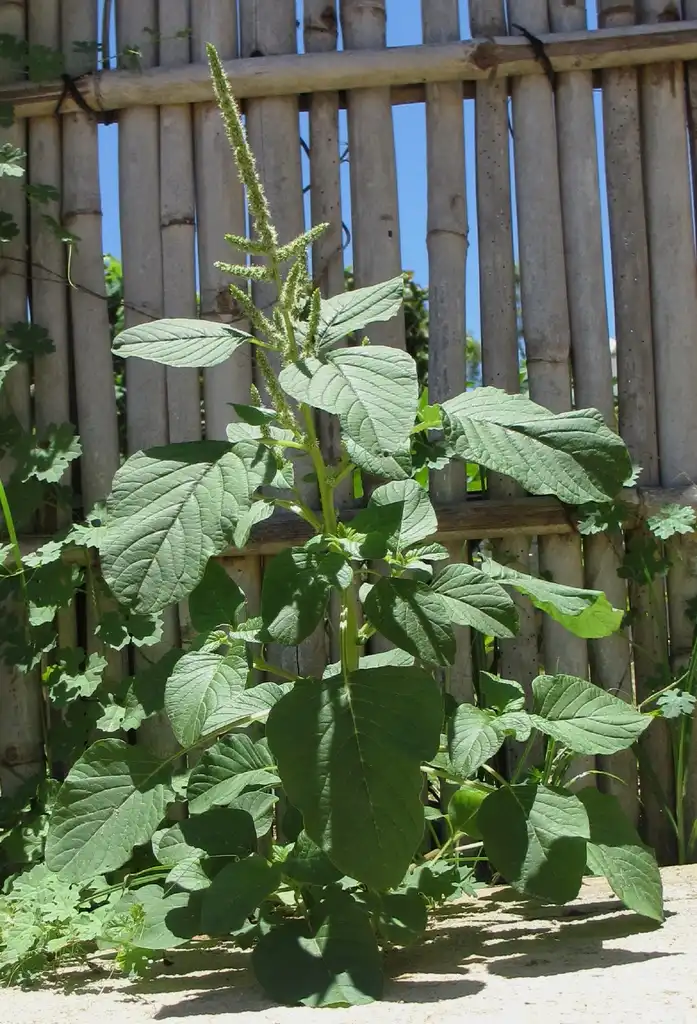
• Photo of Amaranthus blitum (Amaranthus blitums)

Plant Profile: Amaranthus blitum

Taxonomy: Amaranthus blitum

Names

Livid Amaranth, Pigweed, Purple Amaranth

  • Photo of Amaranthus blitum (Amaranthus blitums)

Phonetic Spelling:am-a-RAN-thus BLY-tum

Genus:Amaranthus

Species:blitum

Family:Amaranthaceae

Livid amaranth, belonging to the Amaranthaceae family, is a summer annual pigweed characterized by its sprawling to upright growth form, which sets it apart from most pigweeds that typically grow vertically. This species seems to be becoming more prevalent in the Southeastern United States. Infestations often start at the edges of plant beds and can spread to nearby containers. To control its spread, it is advisable to use both preemergence and postemergence herbicides.

In various cultures, livid amaranth is harvested for its edible leaves, which are commonly cooked. Additionally, it has medicinal applications, including the treatment of inflammations, boils, and abscesses.

The plant is scientifically referred to as A. lividus.

Regarding pests and diseases, stem rot is the primary ailment affecting livid amaranth. Caterpillars and grasshoppers pose significant threats, while other insects such as aphids, leafminers, stinkbugs, mole crickets, and mites may inflict minor damage.

Amaranthus blitum Feature Summary

Amaranthus blitum Image Gallery

Tags

#annual
#summer annual
#weed
#weedy
#herb garden
#borders
#bedding plants
#container plants

Similar Plants

Amaranthus blitum Feature Summary

Attributes
The leaves and shoots can be eaten as a vegetable.
Flowers
Flowers form in an axillary many-flowered cluster, that forms a false spike at the top of the plant. They have male and female flowers intermixed.
2-3 rays/petals
Leaves
Leaves have light or dark spots on the upper surface. Leaves are arranged spirally.
Ovate
Obovate
Entire
Undulate
Stem
The stems are sometimes erect, simple or branched, radiating from he base to form a mat.
Red/Burgundy
Smooth (glabrous)
Straight
Whole Plant Traits
Annual
Weed
Herb
Prostrate
Ascending
Cultural Conditions
Full sun (6 or more hours of direct sunlight a day)
Alkaline (>8.0)
Neutral (6.0-8.0)
Good Drainage
Clay
Loam (Silt)
Sand
Fruit
Landscape

Amaranthus blitum Attributes

Amaranthus blitum: Country Or Region Of Origin

Mediterranean
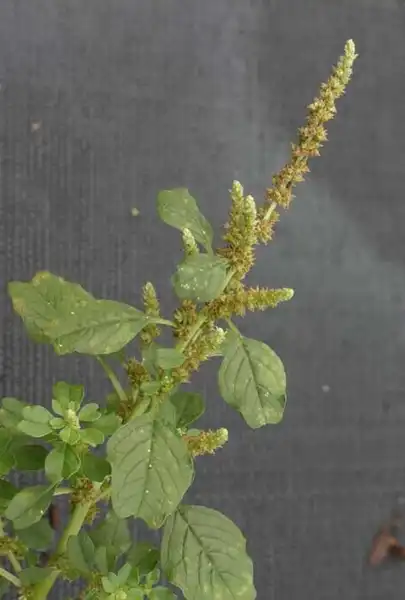
Amaranthus blitum: Edibility

The leaves and shoots can be eaten as a vegetable.

Amaranthus blitum: Life Cycle

Annual
Biennial
Bulb
Perennial
Woody

Amaranthus blitum: Recommended Propagation Strategy

Division
Grafting
Layering
Leaf Cutting
Root Cutting
Seed
Stem Cutting

Amaranthus blitum Flowers

Amaranthus blitum: Flower Description

Flowers form in an axillary many-flowered cluster, that forms a false spike at the top of the plant. They have male and female flowers intermixed.

Amaranthus blitum: Flower Color

filter_vintage
White

Amaranthus blitum: Flower Inflorescence

Catkin
Corymb
Cyme
Head
Insignificant
Panicle
Raceme
Solitary
Spadix
Spike
Umbel

Amaranthus blitum: Flower Bloom Time

Winter
Spring
Summer
Fall

Amaranthus blitum: Flower Petals

2-3 rays/petals
4-5 petals/rays
6 petals/rays
7 - 20 petals/rays
asymmetrical petals
Bracts
Colored Sepals
fused petals
more than 20 petals/rays
Tepals

Amaranthus blitum Leaves

Amaranthus blitum: Leaf Description

Leaves have light or dark spots on the upper surface. Leaves are arranged spirally.

Amaranthus blitum: Leaf Color

spa
Green

Amaranthus blitum: Leaf Type

Compound (Pinnately , Bipinnately, Palmately)
Fronds
Needles
Sheath
Simple

Amaranthus blitum: Leaf Arrangement

Alternate
Opposite
Other/more complex
Rosulate
Whorled

Amaranthus blitum: Leaf Shape

Acicular
Auriculate
Cordate
Cuneate
Deltoid
Elliptical
Filiform
Lanceolate
Linear
Oblanceolate
Oblong
Obovate
Obtuse
Orbicular
Ovate
Palmasect
Palmatifid
Peltate
Pinnatifid
Pinnatisect
Reniform
Rhomboidal
Spatulate
Subcordate
Subulate

Amaranthus blitum: Leaf Margin

Crenate
Crenulate
Dentate
Denticulate
Doubly Crenate
Doubly Dentate
Doubly Serrate
Entire
Lobed
Serrate
Sinuate
Undulate

Amaranthus blitum: Hairs Present

No
Yes

Amaranthus blitum Stem

Amaranthus blitum: Stem Description

The stems are sometimes erect, simple or branched, radiating from he base to form a mat.

Amaranthus blitum: Stem Color

grass
Red/Burgundy

Amaranthus blitum: Stem Is Aromatic

No
Yes

Amaranthus blitum: Stem Surface

Corky Ridges
Covered with a powdery bloom (glaucous)
Dull
Hairy (pubescent)
Polished
Smooth (glabrous)

Amaranthus blitum: Stem Form

Straight
Zig Zags

Amaranthus blitum Whole Plant Traits

Amaranthus blitum: Plant Type

Annual
Bulb
Carnivorous
Edible
Epiphyte
Fern
Ground Cover
Herb
Herbaceous Perennial
Houseplant
Mushroom
Native Plant
Ornamental Grasses and Sedges
Perennial
Poisonous
Rose
Shrub
Succulent
Tree
Turfgrass
Vegetable
Vine
Water Plant
Weed
Wildflower

Amaranthus blitum: Habit/Form

Arching
Ascending
Broad
Cascading
Climbing
Clumping
Columnar
Conical
Creeping
Dense
Erect
Horizontal
Irregular
Mounding
Multi-stemmed
Multi-trunked
Open
Oval
Prostrate
Pyramidal
Rounded
Spreading
Vase
Weeping

Amaranthus blitum Cultural Conditions

Amaranthus blitum: Light

Dappled Sunlight (Shade through upper canopy all day)
Deep shade (Less than 2 hours to no direct sunlight)
Full sun (6 or more hours of direct sunlight a day)
Partial Shade (Direct sunlight only part of the day, 2-6 hours)

Amaranthus blitum: Soil pH

Acid (<6.0)
Alkaline (>8.0)
Neutral (6.0-8.0)

Amaranthus blitum: Soil Drainage

Frequent Standing Water
Good Drainage
Moist
Occasional Flooding
Occasionally Dry
Occasionally Wet
Very Dry

Amaranthus blitum: Available Space To Plant

12 inches-3 feet
12-24 feet
24-60 feet
3 feet-6 feet
6-feet-12 feet
Less than 12 inches
more than 60 feet

Amaranthus blitum: Soil Texture

Clay
High Organic Matter
Loam (Silt)
Sand
Shallow Rocky

Amaranthus blitum Fruit

Amaranthus blitum: Fruit Type

Achene
Aggregate
Berry
Capsule
Caryopsis
Drupe
Follicle
Legume
Nut
Pome
Samara
Schizocarp
Siliqua

Amaranthus blitum: Fruit Length

< 1 inch
1-3 inches
> 3 inches

Amaranthus blitum Landscape

Amaranthus blitum: Problems

Allelopathic
Contact Dermatitis
Frequent Disease Problems
Frequent Insect Problems
Invasive Species
Malodorous
Messy
Poisonous to Humans
Problem for Cats
Problem for Children
Problem for Dogs
Problem for Horses
Short-lived
Spines/Thorns
Weak Wood
Weedy