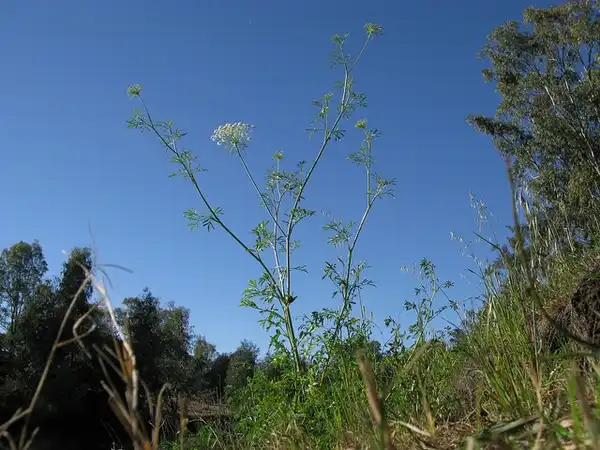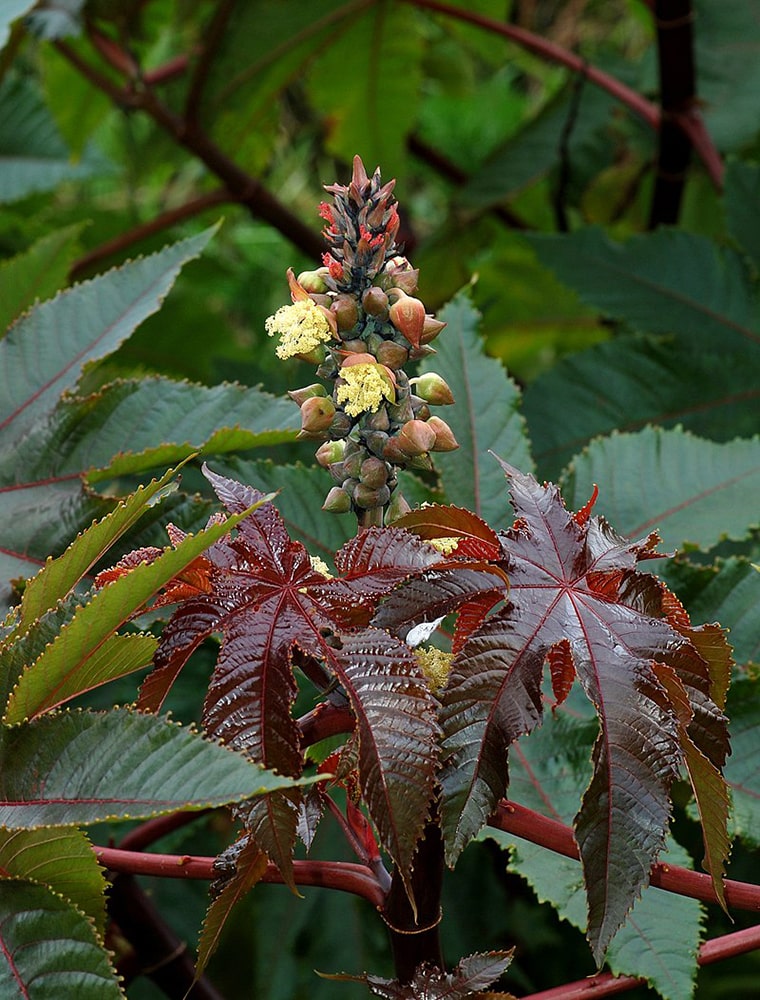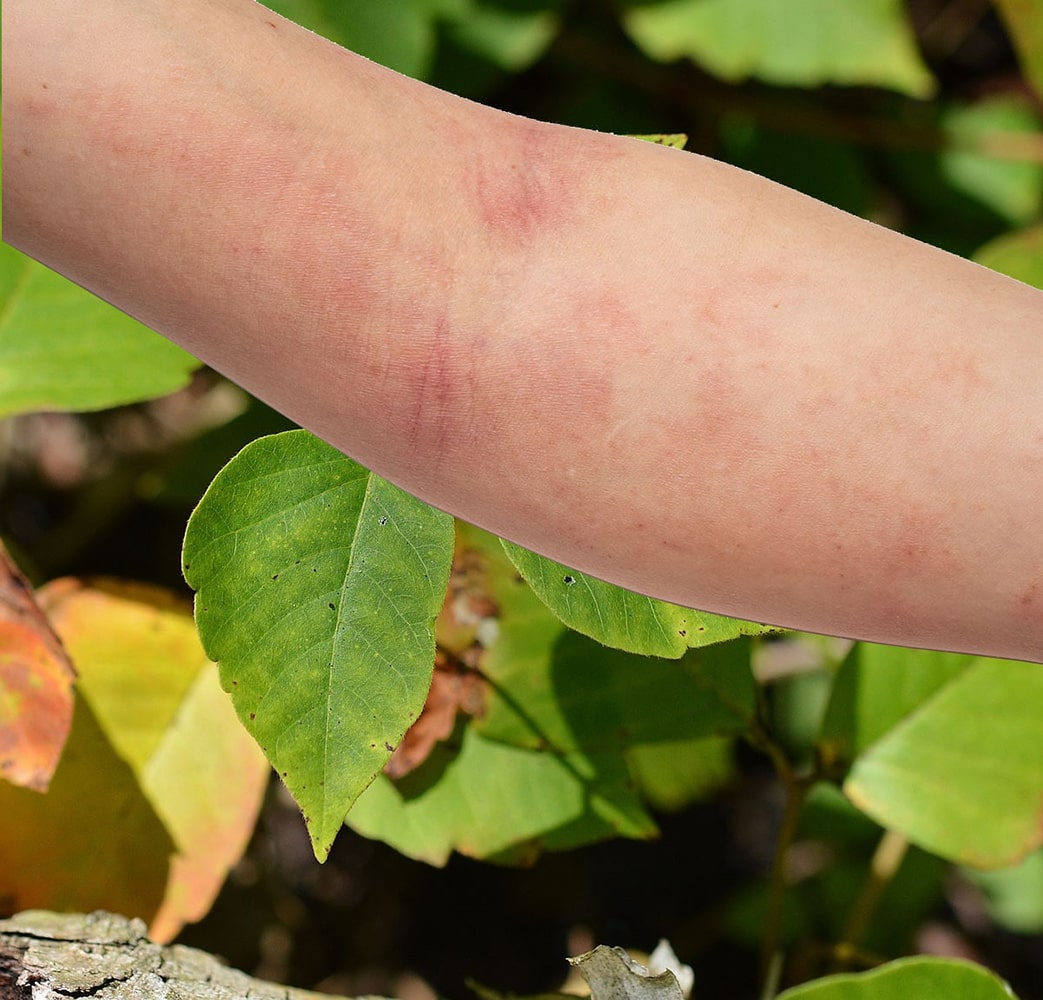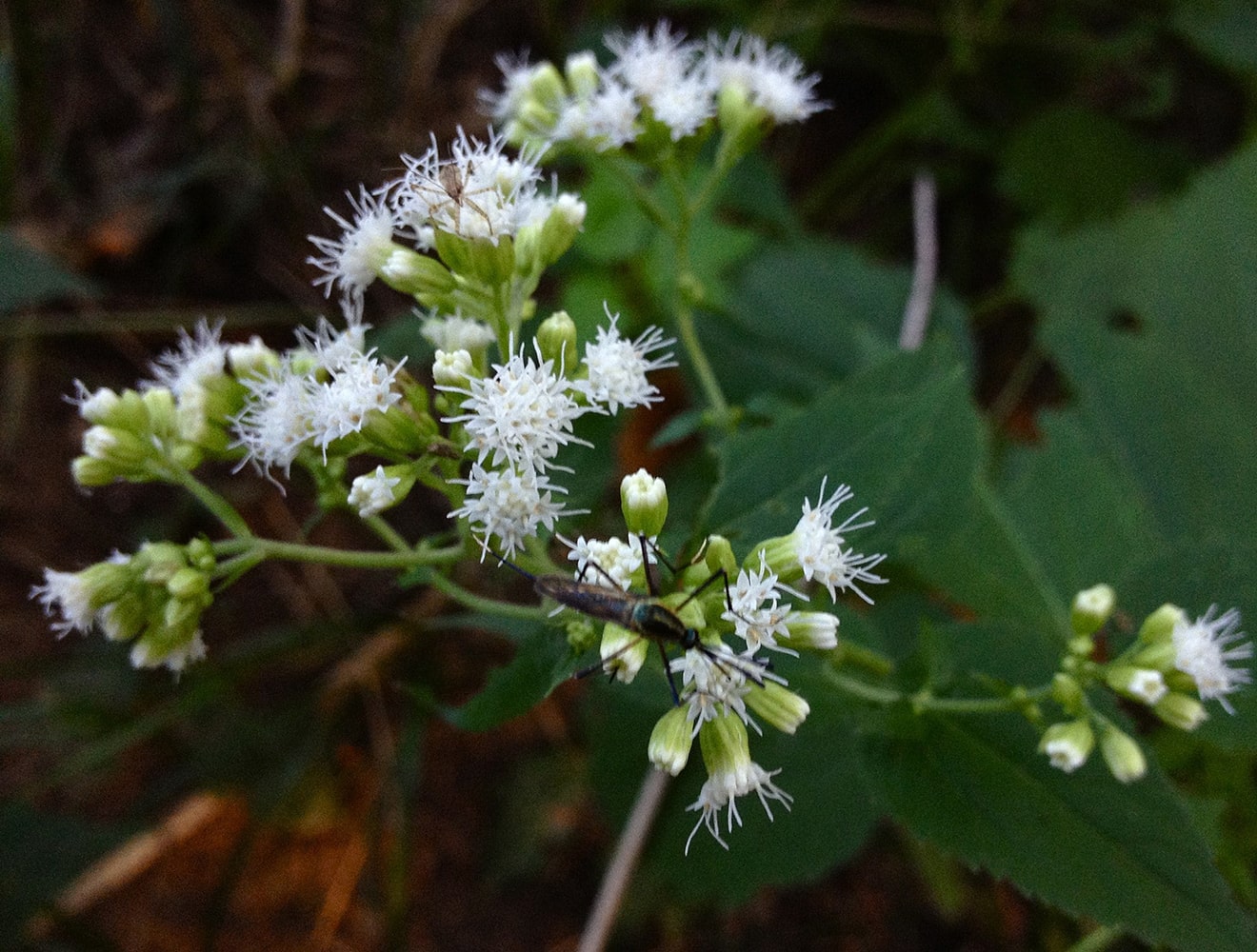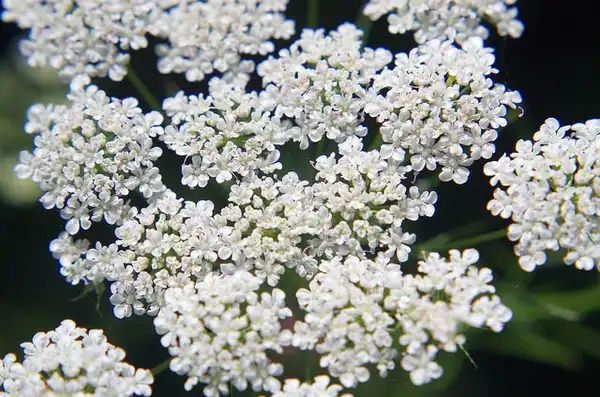
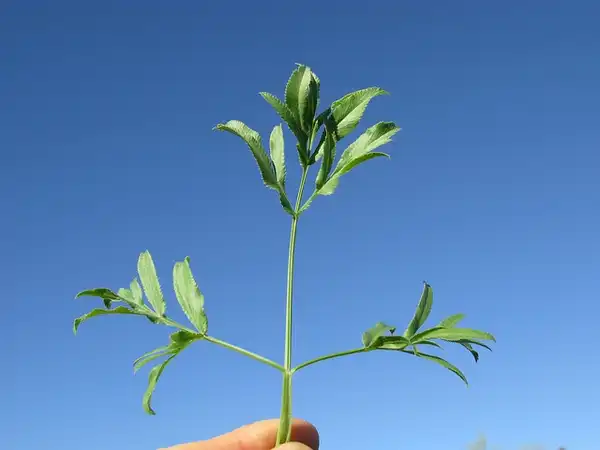
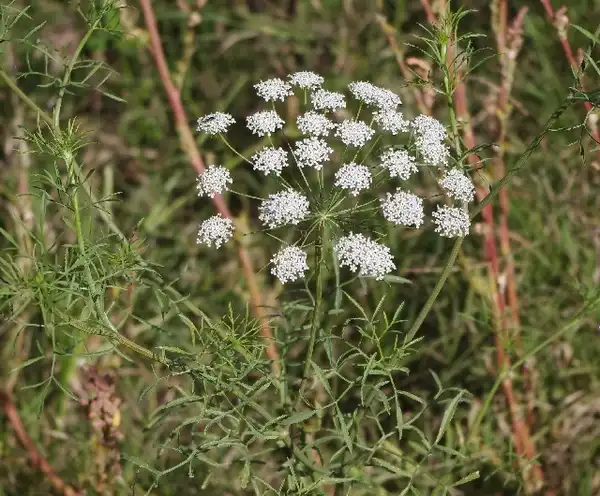
• Photo of Ammi majus (Ammi majuss)

Plant Profile: Ammi majus

Taxonomy: Ammi majus

Names

Bishop's Weed, False Queen Anne's Lace, Greater Ammi

  • Photo of Ammi majus (Ammi majuss)

Phonetic Spelling:am-ME MAY-jus

Genus:Ammi

Species:majus

Family:Apiaceae

Ammi majus, a member of the carrot family, is an annual plant that thrives in average, moist, well-drained soil under full sunlight. For optimal growth, it's best to sow the seeds directly in the desired location, as this plant does not respond well to transplantation.

Ammi majus Feature Summary

Ammi majus Image Gallery

Tags

#white
#full sun tolerant
#annual
#white flowers
#cut flowers
#low maintenance
#spring flowers
#seeds
#moist soil
#well-drained soil
#spring interest
#problem for cats
#problem for dogs
#problem for horses

Similar Plants

Ammi majus is often confused with:

Ammi majus Feature Summary

Attributes
Macaronesia, Medit. to Iran and Arabian Peninsula
Poisonous to Humans
Photosensitization (sunburn, dermatitis)
Insoluble calcium oxalates
Cultural Conditions
Full sun (6 or more hours of direct sunlight a day)
Good Drainage
4a
4b
5b
5a
6a
6b
7a
7b
8b
8a
2a
2b
3a
3b
9a
9b
10a
10b
11a
11b
Fruit
Leaves
Compound (Pinnately , Bipinnately, Palmately)
Lanceolate
Oblanceolate
Landscape
Problem for Cats
Problem for Dogs
Problem for Horses

Ammi majus Attributes

Ammi majus: Uses (Ethnobotany)

Medicinal
Ammi majus: Country Or Region Of Origin

Macaronesia, Medit. to Iran and Arabian Peninsula

Ammi majus: Life Cycle

Annual
Biennial
Bulb
Perennial
Woody

Ammi majus: Recommended Propagation Strategy

Division
Grafting
Layering
Leaf Cutting
Root Cutting
Seed
Stem Cutting

Ammi majus Poisonous to Humans

Ammi majus: Poison Symptoms

Photosensitization (sunburn, dermatitis)

Ammi majus: Poison Toxic Principle

Insoluble calcium oxalates

Ammi majus: Poison Severity

High
Low
Medium

Ammi majus: Causes Contact Dermatitis

No
Yes

Ammi majus: Poison Part

Bark
Flowers
Fruits
Leaves
Roots
Sap/Juice
Seeds
Stems

Ammi majus Whole Plant Traits

Ammi majus: Plant Type

Annual
Bulb
Carnivorous
Edible
Epiphyte
Fern
Ground Cover
Herb
Herbaceous Perennial
Houseplant
Mushroom
Native Plant
Ornamental Grasses and Sedges
Perennial
Poisonous
Rose
Shrub
Succulent
Tree
Turfgrass
Vegetable
Vine
Water Plant
Weed
Wildflower

Ammi majus: Woody Plant Leaf Characteristics

Broadleaf Evergreen
Deciduous
Needled Evergreen
Semi-evergreen

Ammi majus: Growth Rate

Slow
Medium
Rapid

Ammi majus: Maintenance

Low
Medium
High

Ammi majus Cultural Conditions

Ammi majus: Light

Dappled Sunlight (Shade through upper canopy all day)
Deep shade (Less than 2 hours to no direct sunlight)
Full sun (6 or more hours of direct sunlight a day)
Partial Shade (Direct sunlight only part of the day, 2-6 hours)

Ammi majus: Soil Drainage

Frequent Standing Water
Good Drainage
Moist
Occasional Flooding
Occasionally Dry
Occasionally Wet
Very Dry

Ammi majus: Available Space To Plant

12 inches-3 feet
12-24 feet
24-60 feet
3 feet-6 feet
6-feet-12 feet
Less than 12 inches
more than 60 feet

Ammi majus: USDA Plant Hardiness Zone

thermostat
10a
thermostat
10b
thermostat
11a
thermostat
11b
thermostat
2a
thermostat
2b
thermostat
3a
thermostat
3b
thermostat
4a
thermostat
4b
thermostat
5a
thermostat
5b
thermostat
6a
thermostat
6b
thermostat
7a
thermostat
7b
thermostat
8a
thermostat
8b
thermostat
9a
thermostat
9b

Ammi majus Fruit

Ammi majus: Fruit Type

Achene
Aggregate
Berry
Capsule
Caryopsis
Drupe
Follicle
Legume
Nut
Pome
Samara
Schizocarp
Siliqua

Ammi majus Flowers

Ammi majus: Flower Color

filter_vintage
White

Ammi majus: Flower Inflorescence

Catkin
Corymb
Cyme
Head
Insignificant
Panicle
Raceme
Solitary
Spadix
Spike
Umbel

Ammi majus: Flower Value To Gardener

Edible
Fragrant
Good Cut
Good Dried
Long Bloom Season
Long-lasting
Showy

Ammi majus: Flower Bloom Time

Winter
Spring
Summer
Fall

Ammi majus Leaves

Ammi majus: Woody Plant Leaf Characteristics

Broadleaf Evergreen
Deciduous
Needled Evergreen
Semi-evergreen

Ammi majus: Leaf Color

spa
Green

Ammi majus: Leaf Type

Compound (Pinnately , Bipinnately, Palmately)
Fronds
Needles
Sheath
Simple

Ammi majus: Leaf Arrangement

Alternate
Opposite
Other/more complex
Rosulate
Whorled

Ammi majus: Leaf Shape

Acicular
Auriculate
Cordate
Cuneate
Deltoid
Elliptical
Filiform
Lanceolate
Linear
Oblanceolate
Oblong
Obovate
Obtuse
Orbicular
Ovate
Palmasect
Palmatifid
Peltate
Pinnatifid
Pinnatisect
Reniform
Rhomboidal
Spatulate
Subcordate
Subulate

Ammi majus: Leaf Margin

Crenate
Crenulate
Dentate
Denticulate
Doubly Crenate
Doubly Dentate
Doubly Serrate
Entire
Lobed
Serrate
Sinuate
Undulate

Ammi majus: Hairs Present

No
Yes

Ammi majus Stem

Ammi majus: Stem Color

grass
Green

Ammi majus: Stem Is Aromatic

No
Yes

Ammi majus Landscape

Ammi majus: Problems

Allelopathic
Contact Dermatitis
Frequent Disease Problems
Frequent Insect Problems
Invasive Species
Malodorous
Messy
Poisonous to Humans
Problem for Cats
Problem for Children
Problem for Dogs
Problem for Horses
Short-lived
Spines/Thorns
Weak Wood
Weedy