Brassica oleracea (Capitata Group): Country Or Region Of Origin
Western Europe
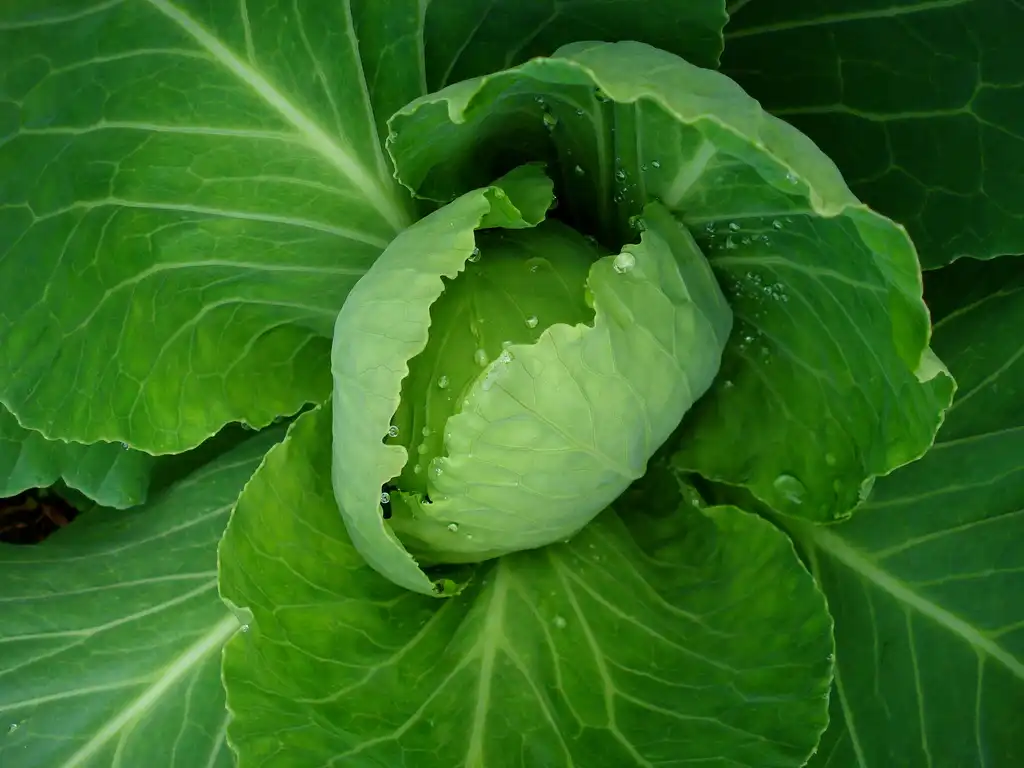
Phonetic Spelling:BRAS-ih-ka ol-ur-RAY-see-uh
Genus:Brassica
Species:oleracea
Family:Brassicaceae
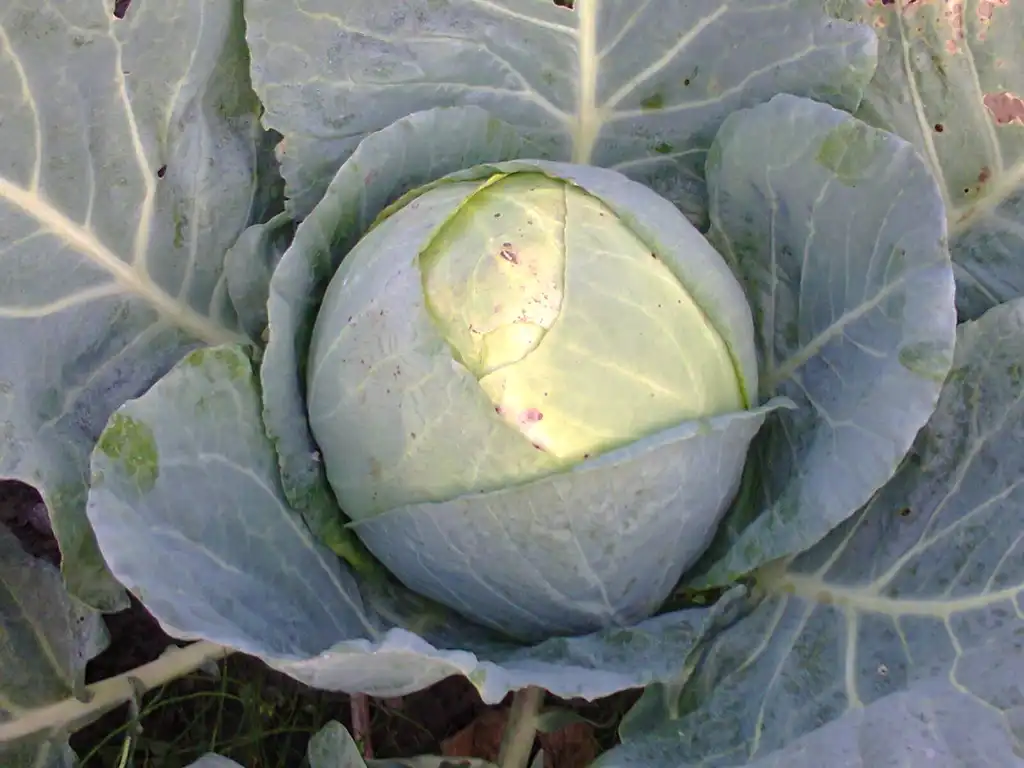
The Capitata group of Brassica oleracea encompasses various types of cabbages. The term "Brassica" is derived from Latin, meaning cabbage. This group features robust leafy plants that thrive in cooler climates, ideally around 60 degrees Fahrenheit. When temperatures exceed 75 degrees, the plants may experience bolting, a rapid growth phase that leads to premature flowering and seed setting. Optimal growth conditions involve full sunlight, as shade can hinder their development.
Cabbages can be categorized into three main varieties. Common cabbage is characterized by its dark green leaves, while Dutch cabbage boasts a larger heart and milder flavor, often appearing pale green or white. Red cabbage, on the other hand, is distinguished by its purplish leaves. These plants typically flower from May to August and are ready for harvest between July and September.
A single head of cabbage can weigh anywhere from 1 to 9 pounds. This adaptable vegetable can be prepared in numerous ways: it can be pickled, fermented, steamed, stewed, braised, sautéed, or consumed raw. Shredded cabbage leaves are commonly used in salads, with Dutch cabbage being the tender and sweeter option best suited for raw consumption. Red cabbage is particularly favored for pickling.
Cabbages feature a large edible terminal bud, and Savoy cabbage, known for its crinkled leaves, can be shredded for coleslaw.
However, cabbages are susceptible to various pests and diseases. Issues may arise from slugs, cabbage worms, loopers, caterpillars, cutworms, nematodes, and cabbage aphids. Additionally, diseases such as leaf spot, blackleg, black rot, and yellows can affect their health, with root maggots posing a potential threat as well.
Brassica oleracea (Capitata Group) Feature Summary
Brassica oleracea (Capitata Group) Image Gallery