Cornus alba: Country Or Region Of Origin
Eastern/Central Asia
Phonetic Spelling:KOR-nus AL-ba
Genus:Cornus
Species:alba
Family:Cornaceae
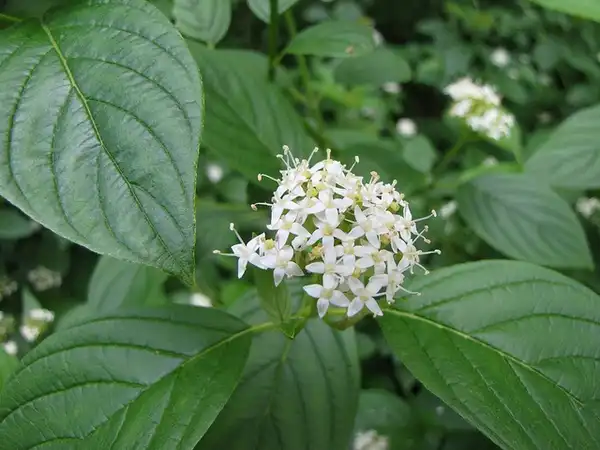
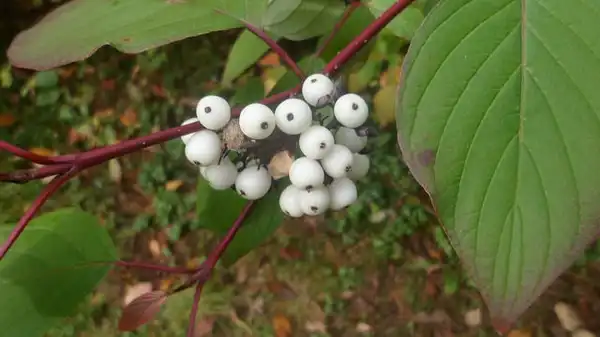
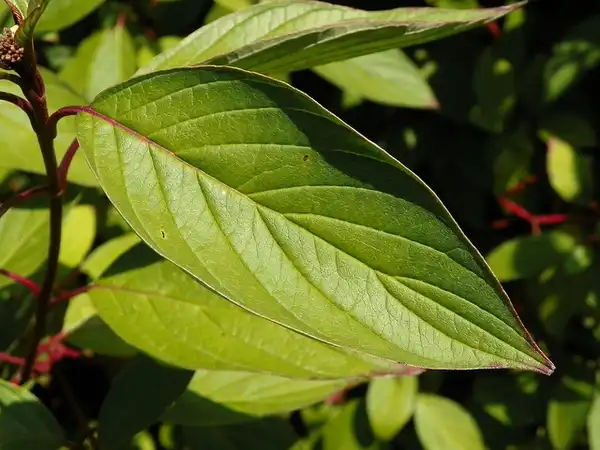
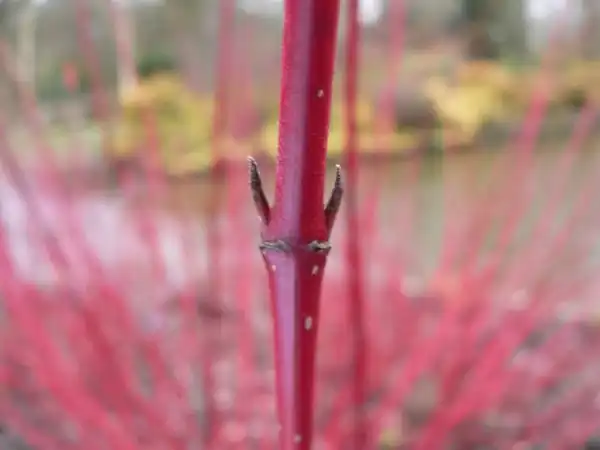
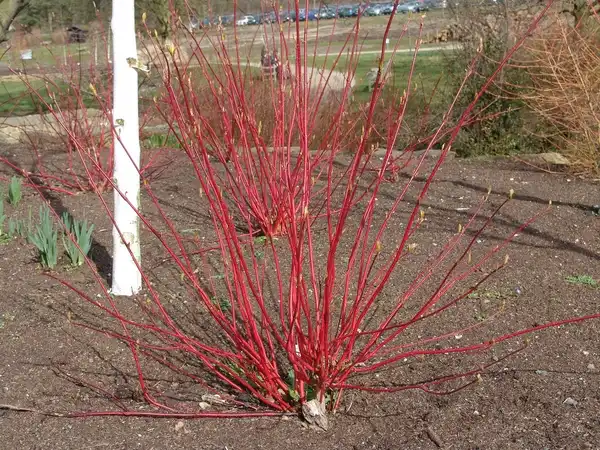
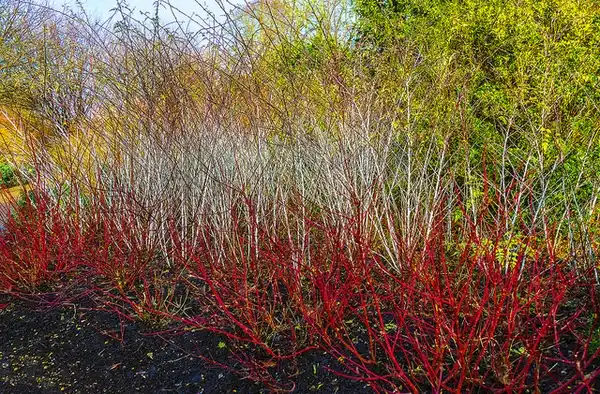
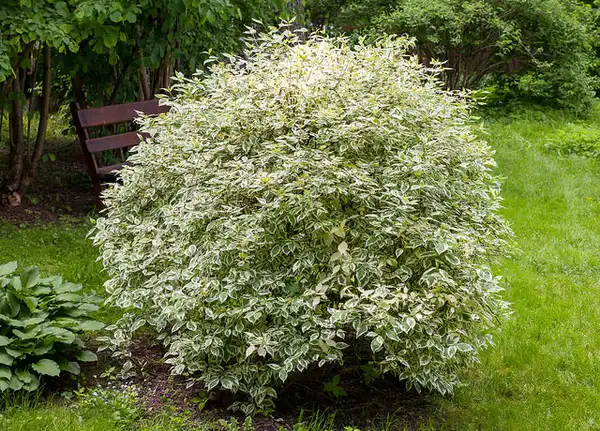
Tartarian dogwood is a member of the Cornaceae family and can be shaped into a small tree through pruning. As it matures, it develops an upright yet loose structure, characterized by long, unbranched stems that arch gracefully. This shrub tends to produce suckers, leading to the formation of extensive colonies, which may necessitate root pruning. It thrives in full sun to partial shade and prefers moist, well-drained soil, although it can adapt to various soil types. To promote vibrant blood-red coloration on new stems, it is advisable to remove the oldest stems each winter before new leaves emerge.
This plant is well-suited for naturalistic landscapes with moist soils, where it can spread and create thickets. It serves effectively as a property line screen, in hedges, or as part of shrub borders. Additionally, positioning these shrubs as focal points in areas where their striking stem color can be appreciated enhances their ornamental value.
**Seasons of Interest:**
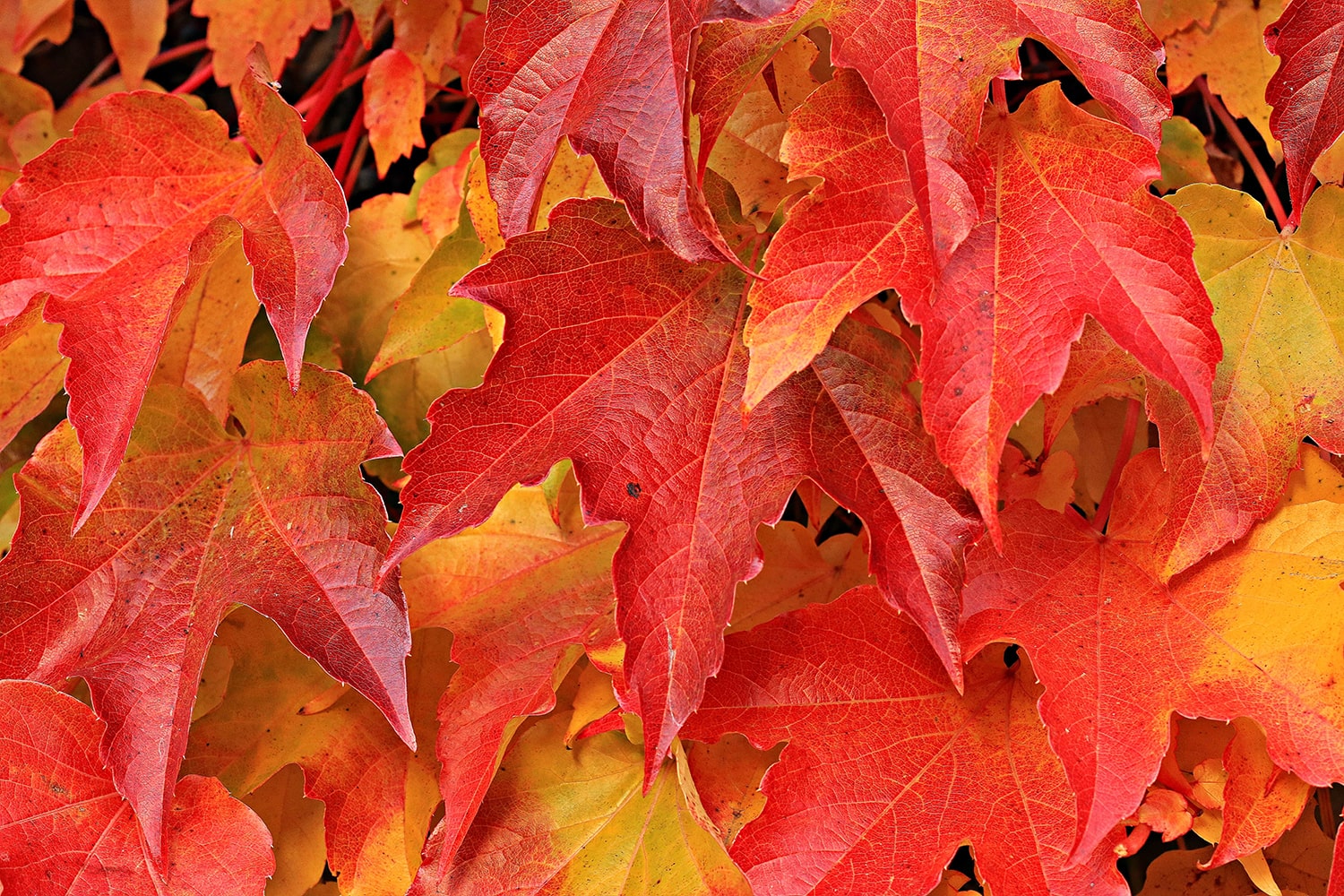
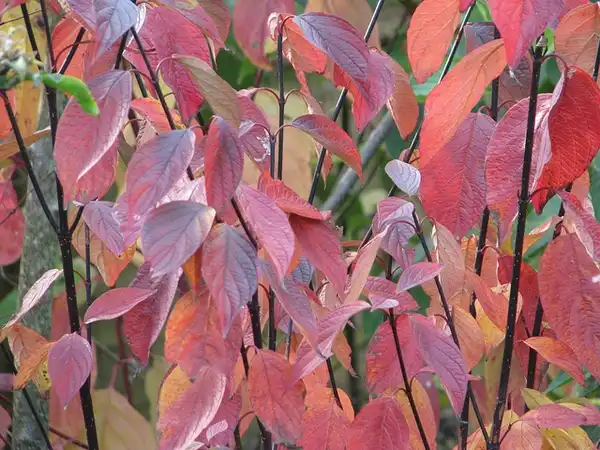
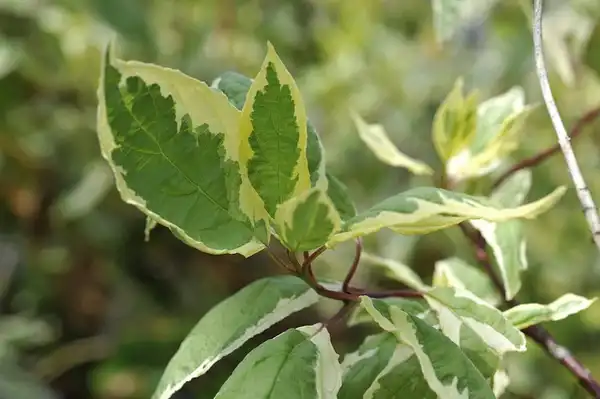
- Foliage: Fall
- Bloom: Spring
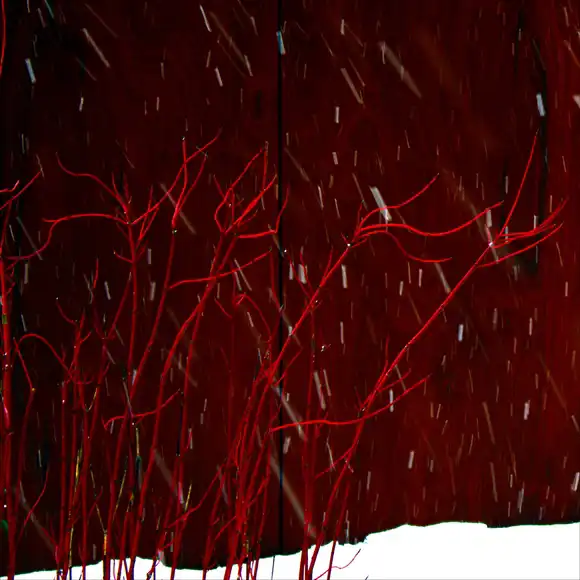
- Twigs: Winter
**Insects, Diseases, and Other Concerns:**
Potential insect pests include leaf miners and scales, though they are generally not severe threats. However, when under stress, Tartarian dogwood can be prone to various diseases, with dogwood anthracnose being the most serious. Other issues may include powdery mildew, leaf spot, canker, root rot, and blight affecting leaves and twigs. Additionally, it may attract borers. Its tendency to sucker can make it invasive, so careful consideration of planting locations is essential.