Plant Profile: Cuminum cyminum

Taxonomy: Cuminum cyminum

Names

Cumin, Cummin, Jeera

  • Photo of Cuminum cyminum (Cuminum cyminums)

Phonetic Spelling:KUH-min-um SIM-in-um

Genus:Cuminum

Species:cyminum

Family:Apiaceae

Cuminum cyminum, commonly known as cumin, is an annual herb cultivated primarily for its seeds, which serve as a popular spice in various cuisines, including those of Asia, Mexico, India, and the Middle East. This herb belongs to the same family as carrots, celery, and parsley, and it is originally from the Mediterranean region. Archaeological evidence suggests that cumin seeds found in Syria date back to the second millennium BC, and the spice is frequently mentioned in both the Old and New Testaments of the Bible. Spanish and Portuguese colonists later introduced cumin to the Americas. The Apalachee tribe, indigenous to the Florida Panhandle, historically utilized the plant's water for medicinal purposes. Today, cumin is commercially cultivated in regions such as the Indian subcontinent, Northern Africa, Mexico, and Chile.

Cumin is classified as a photoautotroph, meaning it converts light into chemical energy, and it is monocarpic, which indicates that the plant flowers, produces seeds, and then dies. It is sensitive to frost and requires approximately 120 days of frost-free conditions from planting to harvest. For optimal germination, seeds need temperatures between 36 to 41 degrees Fahrenheit, with ideal conditions ranging from 68 to 86 degrees. Soaking the seeds for eight hours prior to planting can enhance germination rates. Seeds can be started indoors six to eight weeks before the last expected frost or sown outdoors one to two weeks after that date. When planting, group four seeds together at a depth of 1/4 inch, spacing them four to eight inches apart. Germination typically occurs within seven to fourteen days. Cumin does not transplant well, so if starting in seed pots, it is advisable to use biodegradable containers and plant them directly in the soil. Once seedlings reach two inches in height, thin them to one plant every four to eight inches.

Regular watering is essential for cumin plants; allow the soil to nearly dry out between waterings, then water thoroughly. To harvest cumin, cut the stems with clusters of seeds close to the ground once the flower clusters have dried and turned brown. Place these clusters in a paper bag, hang them upside down in a warm, dark area, and allow them to dry completely. Once dried, shake the bag to release the seeds, or alternatively, rub the seed pods together to extract the seeds. Each cumin plant produces only a few fruits, with each fruit containing a single seed, necessitating a substantial crop to gather a usable quantity of seeds.

**Diseases, Pests, and Other Plant Issues:**
Common problems include aphids, fusarium wilt, alternaria blight, and powdery mildew.

Cuminum cyminum Feature Summary

Cuminum cyminum Image Gallery

Tags

#drought tolerant
#frost tender
#edible seeds
#annual herb
#edible spice

Similar Plants

Cuminum cyminum Feature Summary

Attributes
The oil from cumin is used in fragrances, cosmetics, and essential oils. In some cultures, the cumin seed has been used medicinally as a carminative, sedative, stimulant, and an antispasmodic, as well as the plant water being used for medicinal purposes. The oil has also been used as an antibacterial agent. There is no modern scientific evidence that it is effective as a therapeutic. In ancient Egypt cumin seed was used as a preservative in mummification.

Mediterranean into India. Iraq to Afghanistan, upper Egypt.
North Africa, Mediterranean Region, Middle East, Central Asia, West Pakistan, North America. Has been found growing wild in Massachusetts.
The cumin plant attracts beneficial insects, such as ladybugs, lacewings, and predatory wasps that prey on harmful insects on this plant and other plants around it.
The cumin seed is a popular spice used either whole or ground in flavoring in stews, bean dishes, sausages, pickles, cheese, and many other food dishes. It has a hot and aromatic flavor and is often used in curries. The essential oil obtained from the seed is used as flavoring as well.
Fruit
The fruit of the cumin plant is dry, conical shaped, less than 1/4 inch in length, and covered with minute hairs. The fruit does not split open when ripe. It contains a single seed that is harvested by hand and is then used as a spice. The seed is yellow-brown to gray, having eight ridges with oil canals.
Schizocarp
Brown/Copper
Gray/Silver
Gold/Yellow
Flowers
Small flowers sit on top of the stems forming umbels. Each umbel has 5 to 7 umbellets, or clusters, that make a canopy, giving it a fluffy appearance. Flowers have both male and female structures.
Pink
White
Red/Burgundy
4-5 petals/rays
Leaves
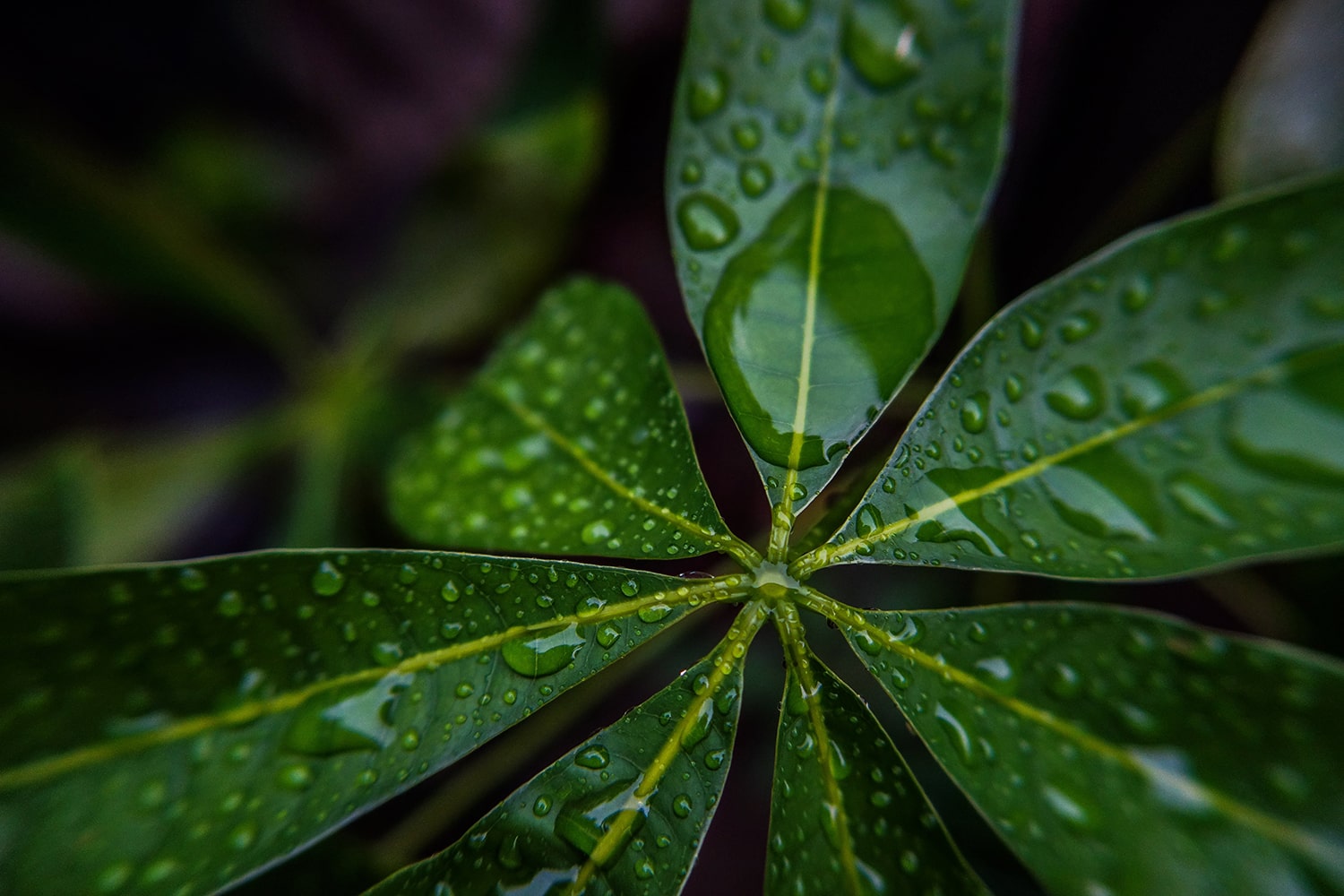
Leaves are divided into long narrow segments similar to fennel, but much smaller. Leaf color is deep green, sometimes turning black at the ends. The upper leaves have very short stalks and lower leaves have longer stalks.
Simple
Compound (Pinnately , Bipinnately, Palmately)
Filiform
Lobed
Dentate
3-6 inches
Stem
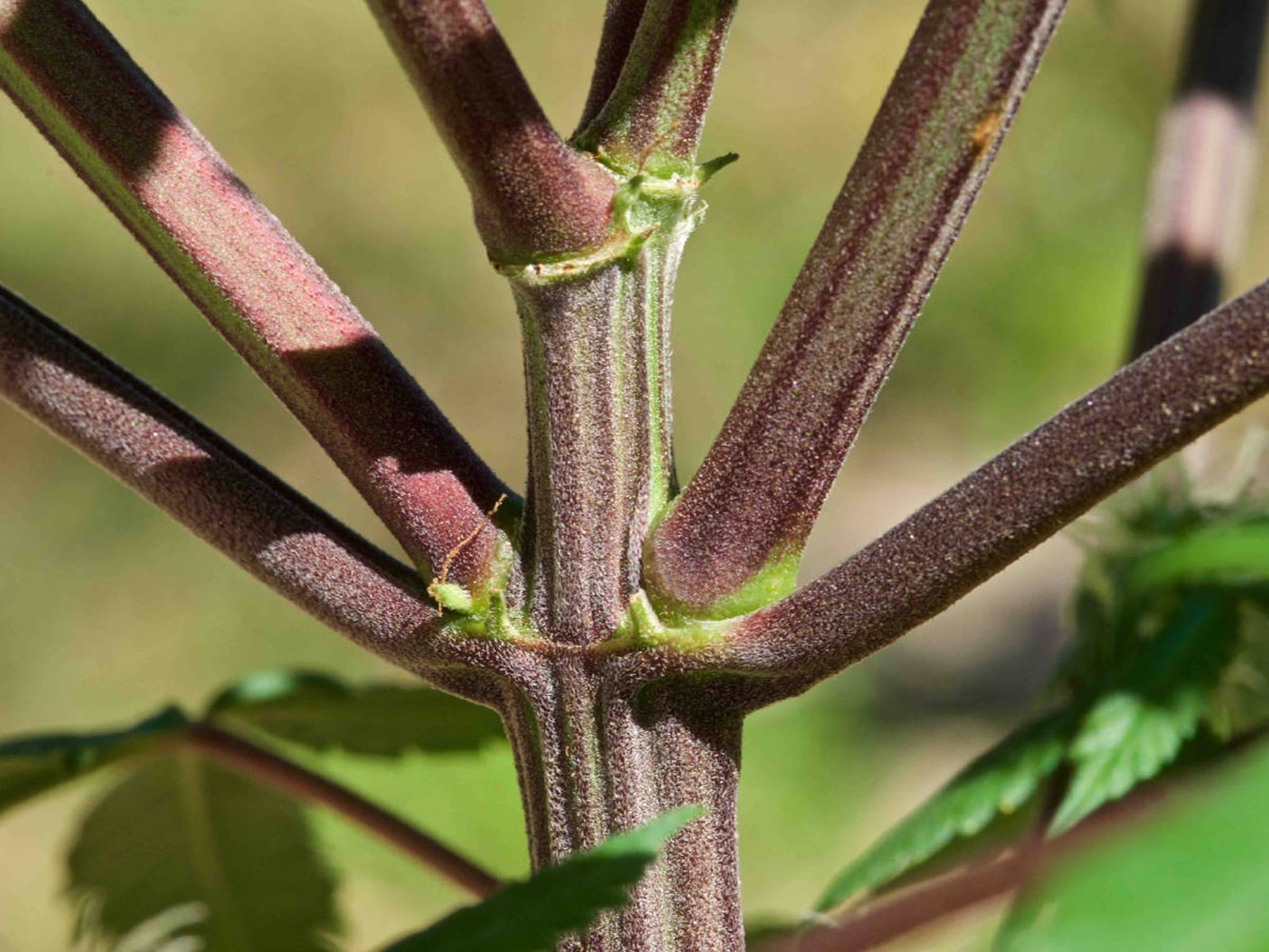
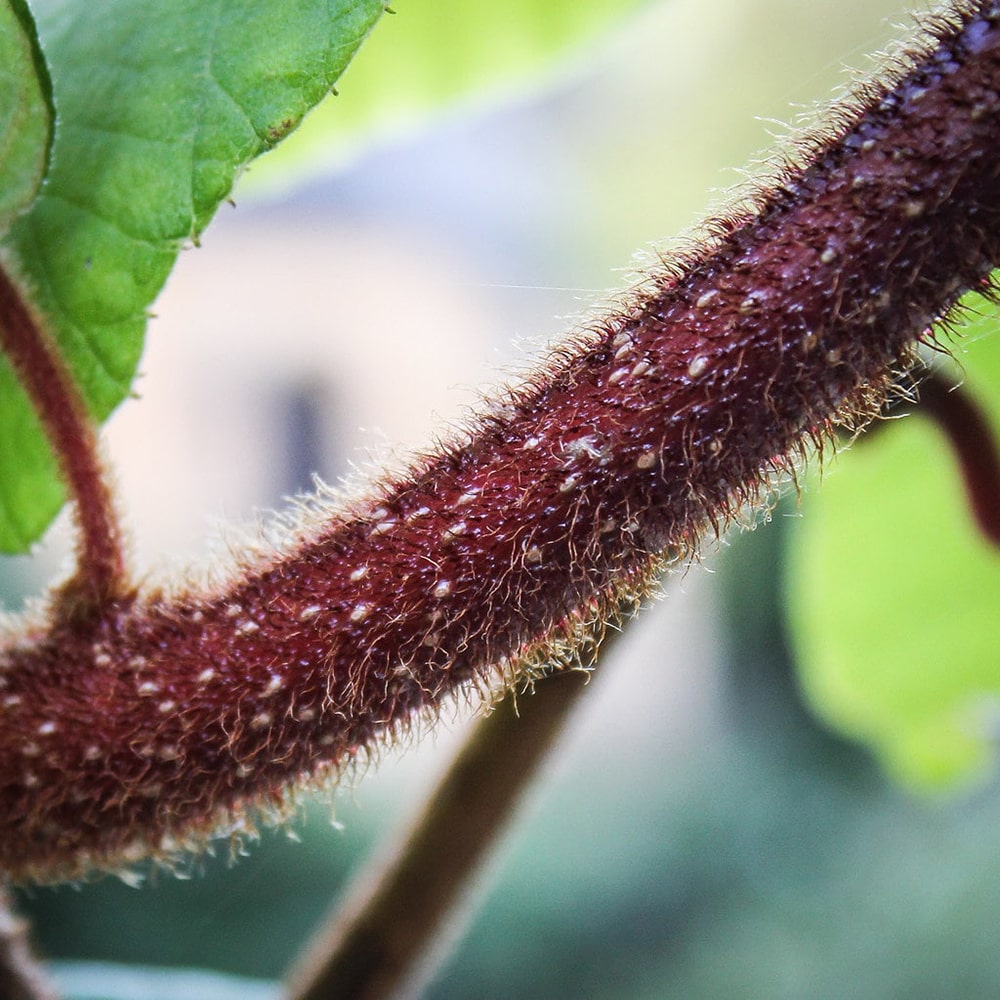
Stems are slender, 8 to 12 inches tall, 1 1/4 to 2 inches in diameter, branched into 2 or 3 subbranches, and glabrous. Branches reach similar heights, so it forms a uniform flat canopy of flowers.
Green
Gray/Silver
Smooth (glabrous)
Whole Plant Traits
Cultural Conditions
Full sun (6 or more hours of direct sunlight a day)
Acid (<6.0)
Neutral (6.0-8.0)
Good Drainage
Occasionally Dry
Less than 12 inches
Coastal
Mountains
Piedmont
5b
5a
6a
6b
7a
7b
8b
8a
9a
9b
10a
10b
Clay
High Organic Matter
Loam (Silt)
Sand
Landscape
Edible Garden
Asian Garden
Mass Planting
Drought
Heat
Dry Soil
Container
Small Space
Predatory Insects

Cuminum cyminum Attributes

Cuminum cyminum: Uses (Ethnobotany)

The oil from cumin is used in fragrances, cosmetics, and essential oils. In some cultures, the cumin seed has been used medicinally as a carminative, sedative, stimulant, and an antispasmodic, as well as the plant water being used for medicinal purposes. The oil has also been used as an antibacterial agent. There is no modern scientific evidence that it is effective as a therapeutic. In ancient Egypt cumin seed was used as a preservative in mummification.

Cuminum cyminum: Country Or Region Of Origin

Mediterranean into India. Iraq to Afghanistan, upper Egypt.

Cuminum cyminum: Distribution

North Africa, Mediterranean Region, Middle East, Central Asia, West Pakistan, North America. Has been found growing wild in Massachusetts.

Cuminum cyminum: Wildlife Value

The cumin plant attracts beneficial insects, such as ladybugs, lacewings, and predatory wasps that prey on harmful insects on this plant and other plants around it.

Cuminum cyminum: Particularly Resistant To (Insects/Diseases/Other Problems)

drought

Cuminum cyminum: Edibility

The cumin seed is a popular spice used either whole or ground in flavoring in stews, bean dishes, sausages, pickles, cheese, and many other food dishes. It has a hot and aromatic flavor and is often used in curries. The essential oil obtained from the seed is used as flavoring as well.

Cuminum cyminum: Life Cycle

Annual
Biennial
Bulb
Perennial
Woody

Cuminum cyminum: Recommended Propagation Strategy

Division
Grafting
Layering
Leaf Cutting
Root Cutting
Seed
Stem Cutting

Cuminum cyminum Fruit

Cuminum cyminum: Fruit Description

The fruit of the cumin plant is dry, conical shaped, less than 1/4 inch in length, and covered with minute hairs. The fruit does not split open when ripe. It contains a single seed that is harvested by hand and is then used as a spice. The seed is yellow-brown to gray, having eight ridges with oil canals.

Cuminum cyminum: Fruit Type

Achene
Aggregate
Berry
Capsule
Caryopsis
Drupe
Follicle
Legume
Nut
Pome
Samara
Schizocarp
Siliqua

Cuminum cyminum: Fruit Color

grass
Brown/Copper
grass
Gold/Yellow
grass
Gray/Silver

Cuminum cyminum: Fruit Value To Gardener

Edible
Fragrant
Good Cut
Good Dried
Long Bloom Season
Long-lasting
Showy

Cuminum cyminum: Display/Harvest Time

Fall
Spring
Summer
Winter

Cuminum cyminum: Fruit Length

< 1 inch
1-3 inches
> 3 inches

Cuminum cyminum Flowers

Cuminum cyminum: Flower Description

Small flowers sit on top of the stems forming umbels. Each umbel has 5 to 7 umbellets, or clusters, that make a canopy, giving it a fluffy appearance. Flowers have both male and female structures.

Cuminum cyminum: Flower Color

filter_vintage
Pink
filter_vintage
Red/Burgundy
filter_vintage
White

Cuminum cyminum: Flower Inflorescence

Catkin
Corymb
Cyme
Head
Insignificant
Panicle
Raceme
Solitary
Spadix
Spike
Umbel

Cuminum cyminum: Flower Value To Gardener

Edible
Fragrant
Good Cut
Good Dried
Long Bloom Season
Long-lasting
Showy

Cuminum cyminum: Flower Bloom Time

Winter
Spring
Summer
Fall

Cuminum cyminum: Flower Petals

2-3 rays/petals
4-5 petals/rays
6 petals/rays
7 - 20 petals/rays
asymmetrical petals
Bracts
Colored Sepals
fused petals
more than 20 petals/rays
Tepals

Cuminum cyminum Leaves

Cuminum cyminum: Leaf Description

Leaves are divided into long narrow segments similar to fennel, but much smaller. Leaf color is deep green, sometimes turning black at the ends. The upper leaves have very short stalks and lower leaves have longer stalks.

Cuminum cyminum: Leaf Color

spa
Green

Cuminum cyminum: Leaf Type

Compound (Pinnately , Bipinnately, Palmately)
Fronds
Needles
Sheath
Simple

Cuminum cyminum: Leaf Arrangement

Alternate
Opposite
Other/more complex
Rosulate
Whorled

Cuminum cyminum: Leaf Shape

Acicular
Auriculate
Cordate
Cuneate
Deltoid
Elliptical
Filiform
Lanceolate
Linear
Oblanceolate
Oblong
Obovate
Obtuse
Orbicular
Ovate
Palmasect
Palmatifid
Peltate
Pinnatifid
Pinnatisect
Reniform
Rhomboidal
Spatulate
Subcordate
Subulate

Cuminum cyminum: Leaf Margin

Crenate
Crenulate
Dentate
Denticulate
Doubly Crenate
Doubly Dentate
Doubly Serrate
Entire
Lobed
Serrate
Sinuate
Undulate

Cuminum cyminum: Hairs Present

No
Yes

Cuminum cyminum: Leaf Length

< 1 inch
1-3 inches
3-6 inches
> 6 inches

Cuminum cyminum: Leaf Feel

Fleshy
Glossy
Leathery
Papery
Prickly
Rough
Rubbery
Slippery
Smooth
Soft
Velvety
Waxy

Cuminum cyminum Stem

Cuminum cyminum: Stem Description

Stems are slender, 8 to 12 inches tall, 1 1/4 to 2 inches in diameter, branched into 2 or 3 subbranches, and glabrous. Branches reach similar heights, so it forms a uniform flat canopy of flowers.

Cuminum cyminum: Stem Color

grass
Gray/Silver
grass
Green

Cuminum cyminum: Stem Is Aromatic

No
Yes

Cuminum cyminum: Stem Surface

Corky Ridges
Covered with a powdery bloom (glaucous)
Dull
Hairy (pubescent)
Polished
Smooth (glabrous)

Cuminum cyminum Whole Plant Traits

Cuminum cyminum: Plant Type

Annual
Bulb
Carnivorous
Edible
Epiphyte
Fern
Ground Cover
Herb
Herbaceous Perennial
Houseplant
Mushroom
Native Plant
Ornamental Grasses and Sedges
Perennial
Poisonous
Rose
Shrub
Succulent
Tree
Turfgrass
Vegetable
Vine
Water Plant
Weed
Wildflower

Cuminum cyminum: Habit/Form

Arching
Ascending
Broad
Cascading
Climbing
Clumping
Columnar
Conical
Creeping
Dense
Erect
Horizontal
Irregular
Mounding
Multi-stemmed
Multi-trunked
Open
Oval
Prostrate
Pyramidal
Rounded
Spreading
Vase
Weeping

Cuminum cyminum: Growth Rate

Slow
Medium
Rapid

Cuminum cyminum: Maintenance

Low
Medium
High

Cuminum cyminum Cultural Conditions

Cuminum cyminum: Light

Dappled Sunlight (Shade through upper canopy all day)
Deep shade (Less than 2 hours to no direct sunlight)
Full sun (6 or more hours of direct sunlight a day)
Partial Shade (Direct sunlight only part of the day, 2-6 hours)

Cuminum cyminum: Soil pH

Acid (<6.0)
Alkaline (>8.0)
Neutral (6.0-8.0)

Cuminum cyminum: Soil Drainage

Frequent Standing Water
Good Drainage
Moist
Occasional Flooding
Occasionally Dry
Occasionally Wet
Very Dry

Cuminum cyminum: Available Space To Plant

12 inches-3 feet
12-24 feet
24-60 feet
3 feet-6 feet
6-feet-12 feet
Less than 12 inches
more than 60 feet

Cuminum cyminum: NC Region

Coastal
Mountains
Piedmont

Cuminum cyminum: USDA Plant Hardiness Zone

thermostat
10a
thermostat
10b
thermostat
5a
thermostat
5b
thermostat
6a
thermostat
6b
thermostat
7a
thermostat
7b
thermostat
8a
thermostat
8b
thermostat
9a
thermostat
9b

Cuminum cyminum: Soil Texture

Clay
High Organic Matter
Loam (Silt)
Sand
Shallow Rocky

Cuminum cyminum Landscape

Cuminum cyminum: Landscape Theme

Asian Garden
Butterfly Garden
Children's Garden
Cottage Garden
Cutting Garden
Drought Tolerant Garden
Edible Garden
English Garden
Fairy Garden
Garden for the Blind
Native Garden
Nighttime Garden
Pollinator Garden
Rain Garden
Rock Garden
Shade Garden
Water Garden
Winter Garden

Cuminum cyminum: Design Feature

Accent
Barrier
Border
Flowering Tree
Foundation Planting
Hedge
Mass Planting
Screen/Privacy
Security
Shade Tree
Small groups
Small Tree
Specimen
Street Tree
Understory Tree

Cuminum cyminum: Resistance To Challenges

Black Walnut
Compaction
Deer
Diseases
Drought
Dry Soil
Erosion
Fire
Foot Traffic
Heat
Heavy Shade
Humidity
Insect Pests
Pollution
Poor Soil
Rabbits
Salt
Slugs
Squirrels
Storm damage
Urban Conditions
Voles
Wet Soil
Wind

Cuminum cyminum: Landscape Location

Coastal
Container
Hanging Baskets
Houseplants
Lawn
Meadow
Naturalized Area
Near Septic
Patio
Pond
Pool/Hardscape
Recreational Play Area
Riparian
Rock Wall
Slope/Bank
Small Space
Vertical Spaces
Walkways
Woodland

Cuminum cyminum: Attracts

Bats
Bees
Butterflies
Frogs
Hummingbirds
Moths
Pollinators
Predatory Insects
Reptiles
Small Mammals
Songbirds
Specialized Bees