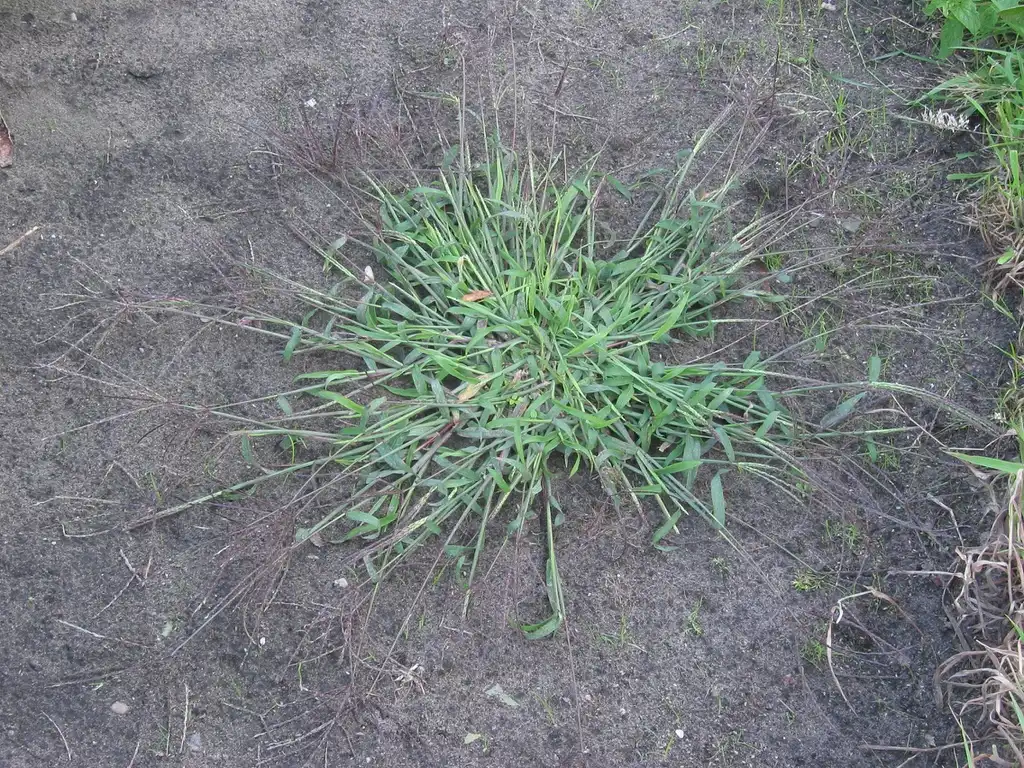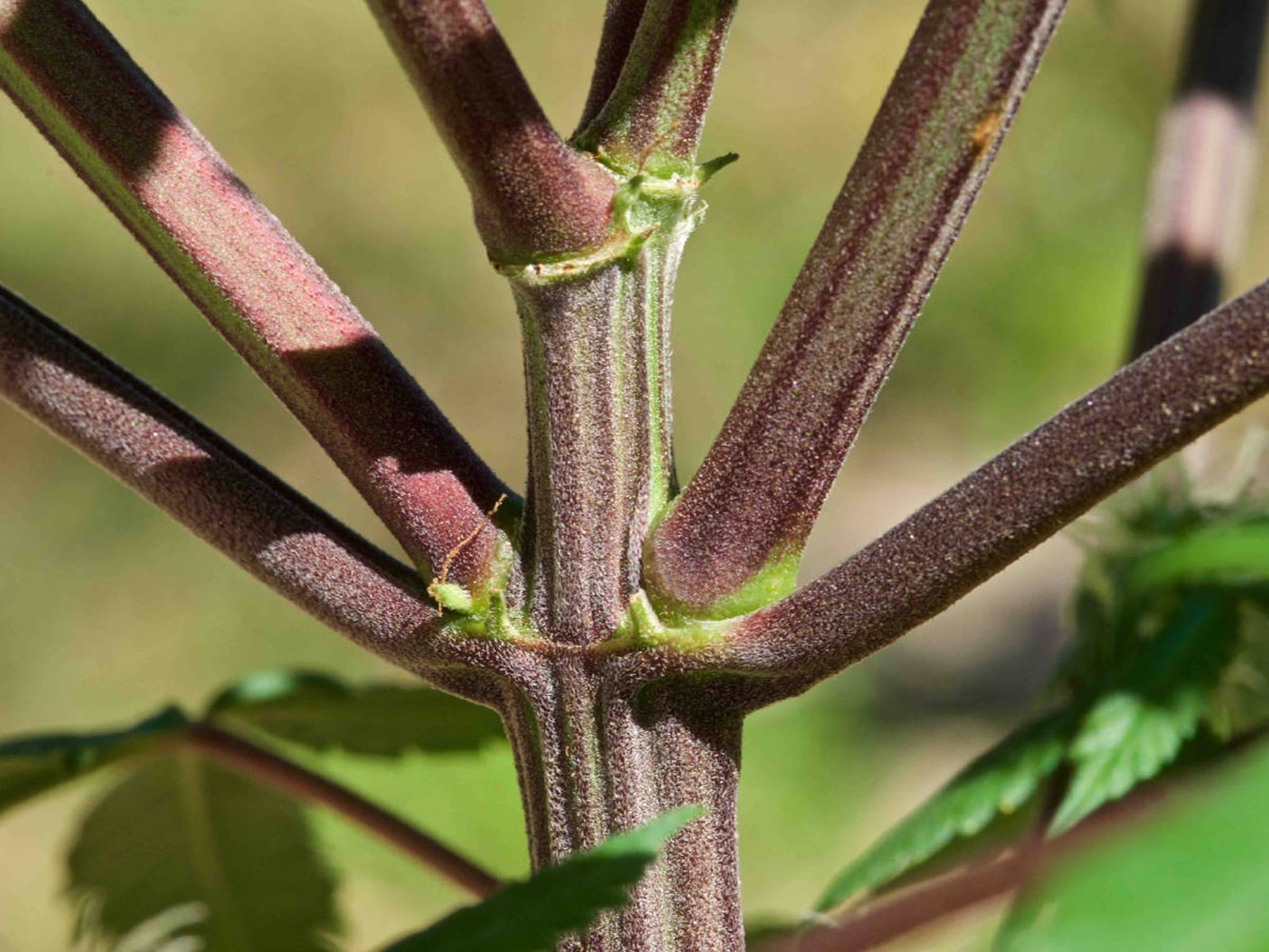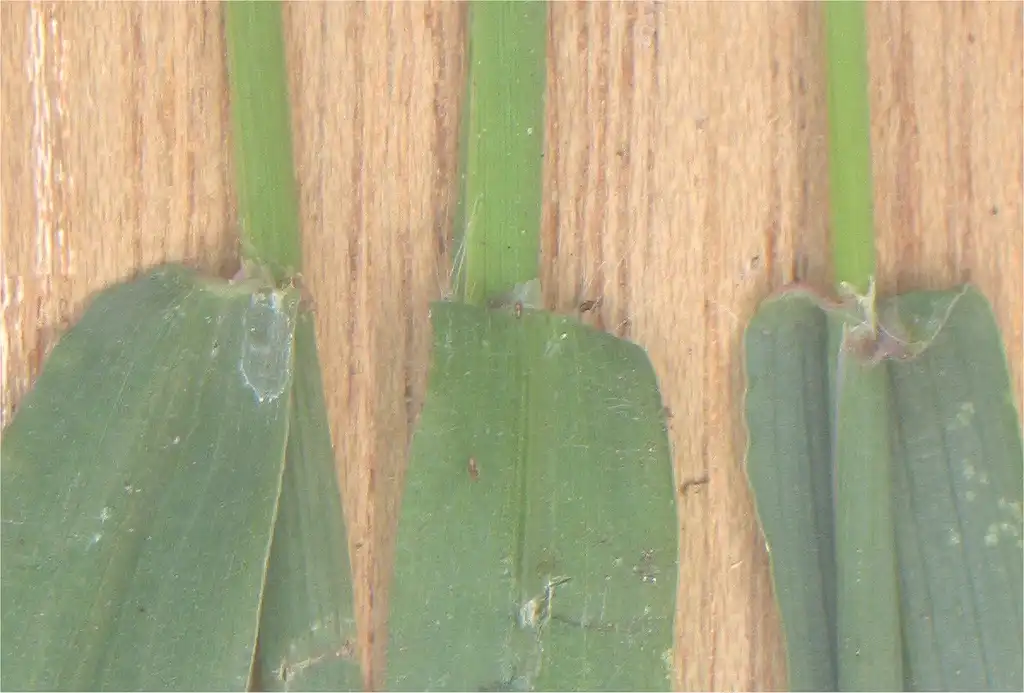
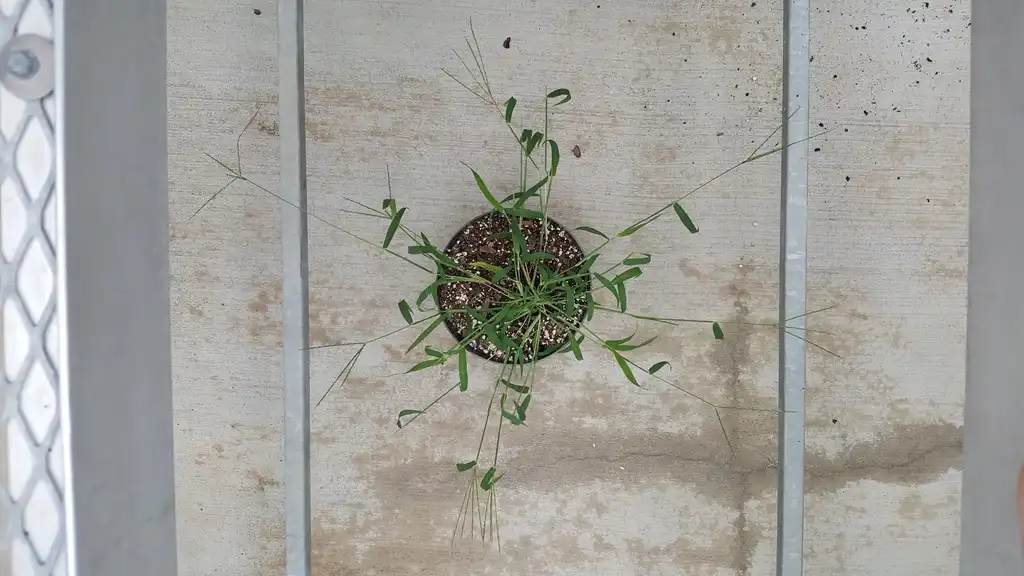
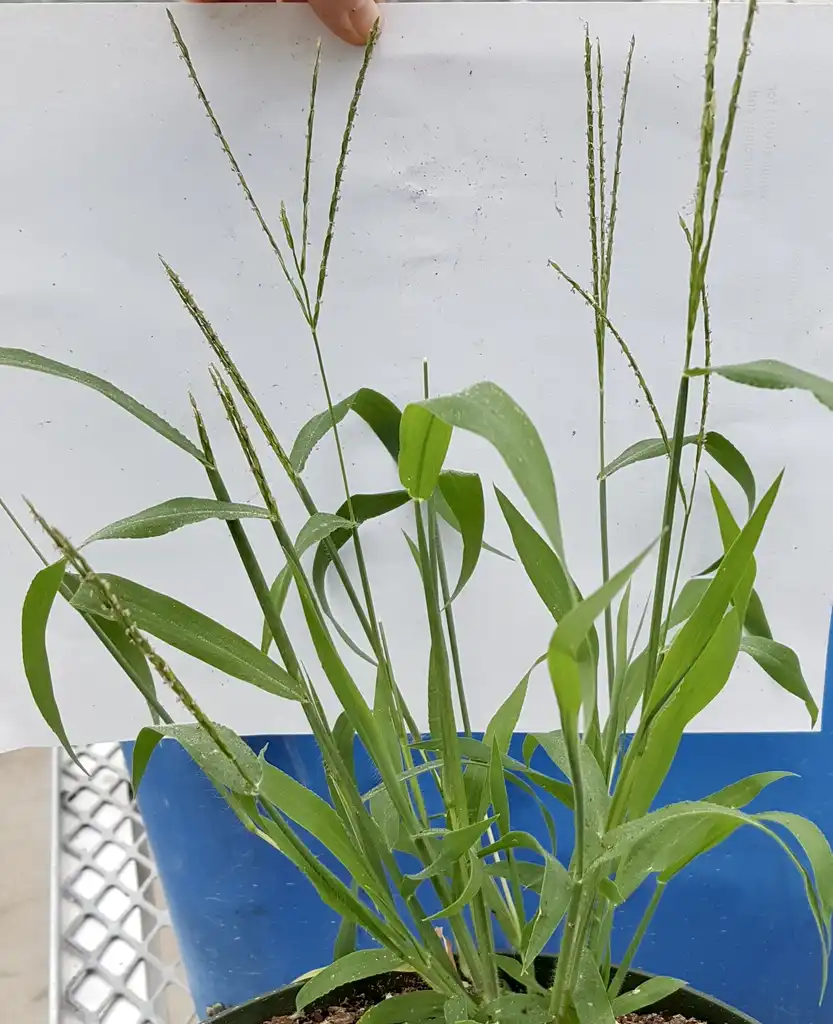
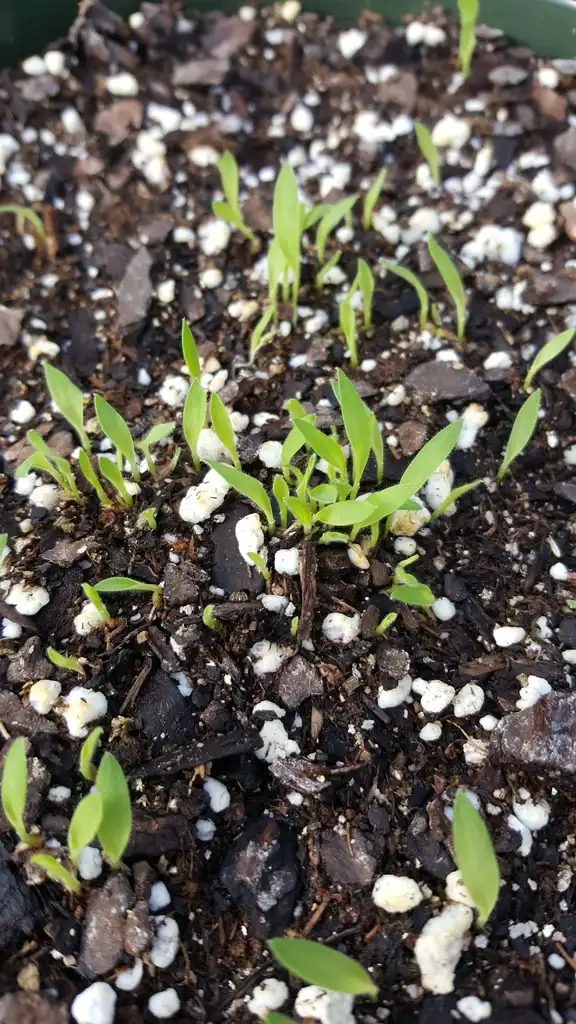
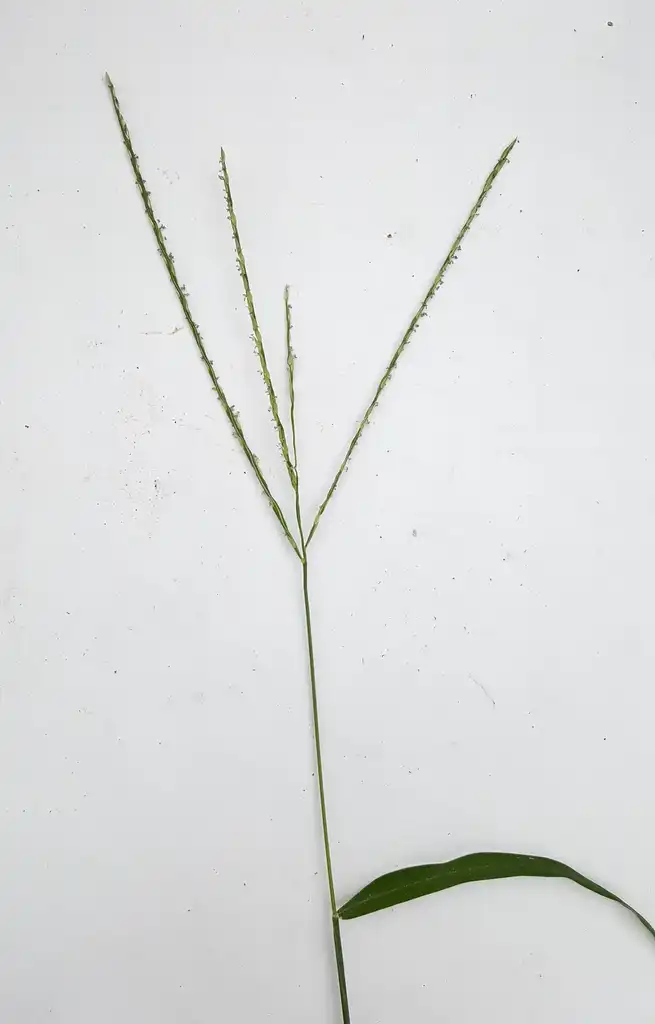
• Photo of Digitaria sanguinalis (Digitaria sanguinaliss)

Plant Profile: Digitaria sanguinalis

Taxonomy: Digitaria sanguinalis

Names

Crabgrass, Crop Grass, Hairy Crabgrass, Hairy Finger Grass, Large Crabgrass

  • Photo of Digitaria sanguinalis (Digitaria sanguinaliss)

Phonetic Spelling:dij-ih-TARE-ree-uh say-GWIN-AL-liss

Genus:Digitaria

Species:sanguinalis

Family:Poaceae

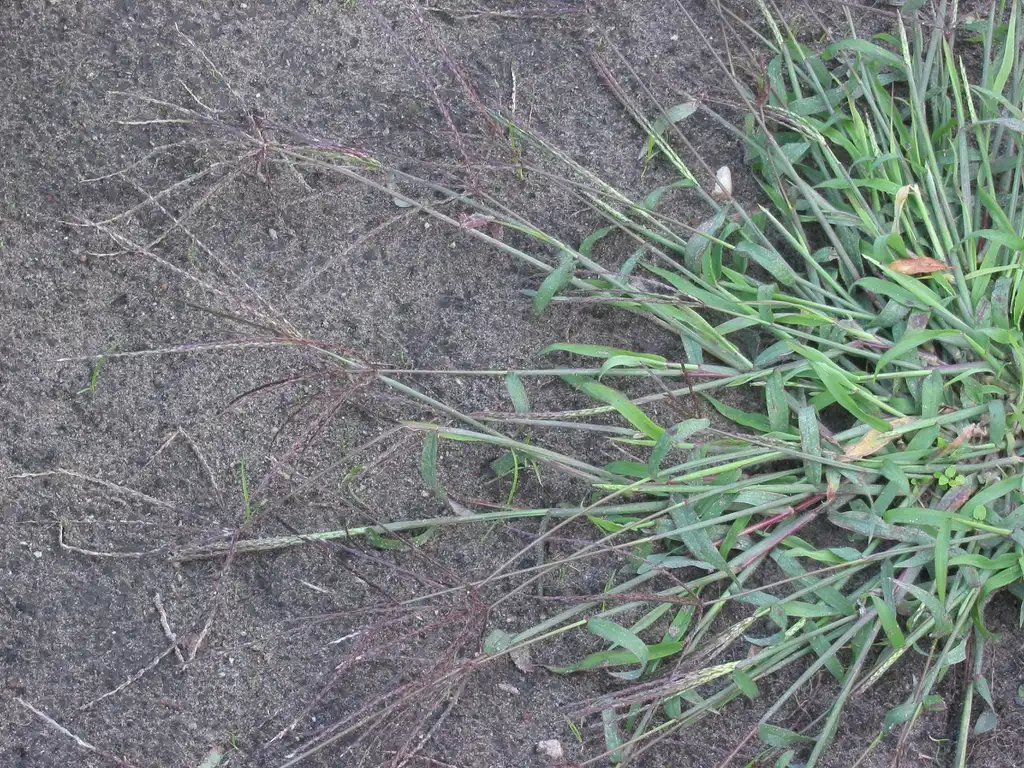
Crabgrass is a fast-spreading summer annual weed that can quickly establish colonies. It features multiple branching stems at its base, with the lower branches sprawling along the ground while the upper ones grow more upright. This weed thrives in full to partial sunlight and prefers moist to dry clay loams, but it is highly adaptable to less fertile soils. Crabgrass has proliferated across nearly every state in the U.S. To prevent seed germination, apply a pre-emergence herbicide in late winter or early spring. These herbicides typically require rainfall or irrigation to become effective, so it's important to time your application carefully. Additionally, promptly remove any plants that sprout early in the season, as they become more entrenched in the soil over time. Mulching garden beds can help inhibit germination. Frost will effectively kill off this weed. In lawn care, maintaining a healthy turfgrass is crucial, as a dense canopy can outcompete Crabgrass.

Digitaria sanguinalis Feature Summary

Digitaria sanguinalis Image Gallery

Tags

#full sun tolerant
#annual
#weed
#weedy
#summer annual weed
#high maintenance
#upright form
#grass
#aggressive
#horizontal
#poor soils tolerant
#warm season weed

Similar Plants

Digitaria sanguinalis is often confused with:

Digitaria sanguinalis Feature Summary

Attributes
Used as a hand-forged grain in the past.
Wide distribution worldwide.
The grain is edible and nutritious
Fruit
Produces many seeds remove plants before they set seed to reduce the population the following growing season.
Caryopsis
< 1 inch
Flowers
There are many pairs of one-flowered spikelets along the length of each raceme that can be up to 8 inches long. They occur along one side of the flattened stalk mid-summer to early fall.
Raceme
Insignificant
Panicle
< 1 inch
Leaves
The leaf blades are up to 6" long and nearly ½" across and are dull light green. They can be slightly curly along the margins and are often hairy toward the base.
Simple
Sheath
3-6 inches
< 1 inch
Stem
Stems are prostrate, spreading, and rooting at nodes. They can be branched at nodes.
Hairy (pubescent)
Whole Plant Traits
Annual
Weed
Horizontal
Prostrate
Medium
Cultural Conditions
Full sun (6 or more hours of direct sunlight a day)
Partial Shade (Direct sunlight only part of the day, 2-6 hours)
Acid (<6.0)
Neutral (6.0-8.0)
Good Drainage
Occasionally Wet
Coastal
Mountains
Piedmont
4a
4b
5b
5a
6a
6b
7a
7b
8b
8a
2b
3a
3b
9a
9b
10a
10b
11a
Clay
Loam (Silt)
Sand

Digitaria sanguinalis Attributes

Digitaria sanguinalis: Uses (Ethnobotany)

Used as a hand-forged grain in the past.
Digitaria sanguinalis: Country Or Region Of Origin

Eurasia

Digitaria sanguinalis: Distribution

Wide distribution worldwide.

Digitaria sanguinalis: Edibility

The grain is edible and nutritious

Digitaria sanguinalis: Life Cycle

Annual
Biennial
Bulb
Perennial
Woody

Digitaria sanguinalis Fruit

Digitaria sanguinalis: Fruit Description

Produces many seeds remove plants before they set seed to reduce the population the following growing season.

Digitaria sanguinalis: Fruit Type

Achene
Aggregate
Berry
Capsule
Caryopsis
Drupe
Follicle
Legume
Nut
Pome
Samara
Schizocarp
Siliqua

Digitaria sanguinalis: Display/Harvest Time

Fall
Spring
Summer
Winter

Digitaria sanguinalis: Fruit Length

< 1 inch
1-3 inches
> 3 inches

Digitaria sanguinalis: Fruit Width

< 1 inch
1-3 inches
> 3 inches

Digitaria sanguinalis Flowers

Digitaria sanguinalis: Flower Description

There are many pairs of one-flowered spikelets along the length of each raceme that can be up to 8 inches long. They occur along one side of the flattened stalk mid-summer to early fall.

Digitaria sanguinalis: Flower Color

filter_vintage
Green

Digitaria sanguinalis: Flower Inflorescence

Catkin
Corymb
Cyme
Head
Insignificant
Panicle
Raceme
Solitary
Spadix
Spike
Umbel

Digitaria sanguinalis: Flower Bloom Time

Winter
Spring
Summer
Fall

Digitaria sanguinalis: Flower Size

1-3 inches
3-6 inches
< 1 inch
> 6 inches

Digitaria sanguinalis Leaves

Digitaria sanguinalis: Leaf Description

The leaf blades are up to 6" long and nearly ½" across and are dull light green. They can be slightly curly along the margins and are often hairy toward the base.

Digitaria sanguinalis: Leaf Color

spa
Green

Digitaria sanguinalis: Leaf Type

Compound (Pinnately , Bipinnately, Palmately)
Fronds
Needles
Sheath
Simple

Digitaria sanguinalis: Leaf Arrangement

Alternate
Opposite
Other/more complex
Rosulate
Whorled

Digitaria sanguinalis: Leaf Shape

Acicular
Auriculate
Cordate
Cuneate
Deltoid
Elliptical
Filiform
Lanceolate
Linear
Oblanceolate
Oblong
Obovate
Obtuse
Orbicular
Ovate
Palmasect
Palmatifid
Peltate
Pinnatifid
Pinnatisect
Reniform
Rhomboidal
Spatulate
Subcordate
Subulate

Digitaria sanguinalis: Leaf Margin

Crenate
Crenulate
Dentate
Denticulate
Doubly Crenate
Doubly Dentate
Doubly Serrate
Entire
Lobed
Serrate
Sinuate
Undulate

Digitaria sanguinalis: Hairs Present

No
Yes

Digitaria sanguinalis: Leaf Length

< 1 inch
1-3 inches
3-6 inches
> 6 inches

Digitaria sanguinalis: Leaf Width

< 1 inch
1-3 inches
3-6 inches
> 6 inches

Digitaria sanguinalis Stem

Digitaria sanguinalis: Stem Description

Stems are prostrate, spreading, and rooting at nodes. They can be branched at nodes.

Digitaria sanguinalis: Stem Is Aromatic

No
Yes

Digitaria sanguinalis: Stem Surface

Corky Ridges
Covered with a powdery bloom (glaucous)

Dull
Hairy (pubescent)

Polished
Smooth (glabrous)

Digitaria sanguinalis Whole Plant Traits

Digitaria sanguinalis: Plant Type

Annual
Bulb
Carnivorous
Edible
Epiphyte
Fern
Ground Cover
Herb
Herbaceous Perennial
Houseplant
Mushroom
Native Plant
Ornamental Grasses and Sedges
Perennial
Poisonous
Rose
Shrub
Succulent
Tree
Turfgrass
Vegetable
Vine
Water Plant
Weed
Wildflower

Digitaria sanguinalis: Habit/Form

Arching
Ascending
Broad
Cascading
Climbing
Clumping
Columnar
Conical
Creeping
Dense
Erect
Horizontal
Irregular
Mounding
Multi-stemmed
Multi-trunked
Open
Oval
Prostrate
Pyramidal
Rounded
Spreading
Vase
Weeping

Digitaria sanguinalis: Growth Rate

Slow
Medium
Rapid

Digitaria sanguinalis: Maintenance

Low
Medium
High

Digitaria sanguinalis: Texture

Fine
Medium
Coarse

Digitaria sanguinalis Cultural Conditions

Digitaria sanguinalis: Light

Dappled Sunlight (Shade through upper canopy all day)

Deep shade (Less than 2 hours to no direct sunlight)
Full sun (6 or more hours of direct sunlight a day)
Partial Shade (Direct sunlight only part of the day, 2-6 hours)

Digitaria sanguinalis: Soil pH

Acid (<6.0)
Alkaline (>8.0)
Neutral (6.0-8.0)

Digitaria sanguinalis: Soil Drainage

Frequent Standing Water
Good Drainage
Moist
Occasional Flooding
Occasionally Dry
Occasionally Wet
Very Dry

Digitaria sanguinalis: Available Space To Plant

12 inches-3 feet
12-24 feet
24-60 feet
3 feet-6 feet
6-feet-12 feet
Less than 12 inches
more than 60 feet

Digitaria sanguinalis: NC Region

Coastal
Mountains
Piedmont

Digitaria sanguinalis: USDA Plant Hardiness Zone

thermostat
10a
thermostat
10b
thermostat
11a
thermostat
2b
thermostat
3a
thermostat
3b
thermostat
4a
thermostat
4b
thermostat
5a
thermostat
5b
thermostat
6a
thermostat
6b
thermostat
7a
thermostat
7b
thermostat
8a
thermostat
8b
thermostat
9a
thermostat
9b

Digitaria sanguinalis: Soil Texture

Clay
High Organic Matter
Loam (Silt)
Sand
Shallow Rocky

Digitaria sanguinalis Landscape

Digitaria sanguinalis: Landscape Location

Coastal
Container
Hanging Baskets
Houseplants
Lawn
Meadow
Naturalized Area
Near Septic
Patio
Pond
Pool/Hardscape
Recreational Play Area
Riparian
Rock Wall
Slope/Bank
Small Space
Vertical Spaces
Walkways
Woodland

Digitaria sanguinalis: Problems

Allelopathic
Contact Dermatitis
Frequent Disease Problems
Frequent Insect Problems
Invasive Species
Malodorous
Messy
Poisonous to Humans
Problem for Cats
Problem for Children
Problem for Dogs
Problem for Horses
Short-lived
Spines/Thorns
Weak Wood
Weedy