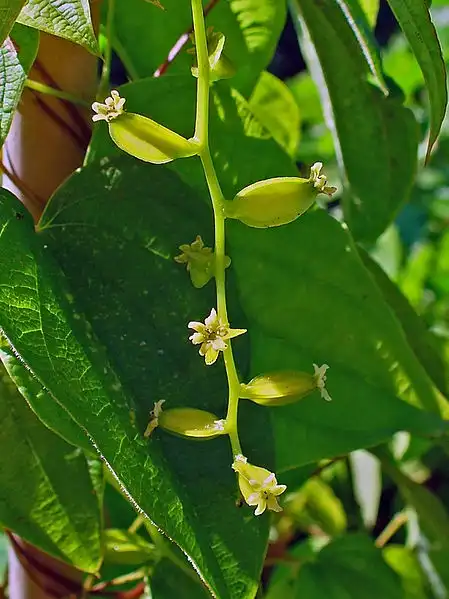
• Photo of Dioscorea villosa (Dioscorea villosas)

Plant Profile: Dioscorea villosa

Taxonomy: Dioscorea villosa

Names

Colic root, Wild Yam, Yam-root

  • Photo of Dioscorea villosa (Dioscorea villosas)

Phonetic Spelling:dy-oh-SKOR-ee-uh vil-OH-suh

Genus:Dioscorea

Species:villosa

Family:Dioscoreaceae

Wild Yam is a perennial vine that thrives in the moist forests and woodlands of eastern Canada and the United States. Each plant is distinctly male or female. Male flowers form panicles, appearing in clusters of one to three along the branches. These diminutive flowers measure about 1/8 inch across, featuring six tepals that are either white-green or yellow-green, along with six fertile stamens. In contrast, female flowers grow on racemes that range from 3 to 9 inches long, each bearing 5 to 15 flowers that emerge from the leaf axils. Like their male counterparts, these flowers are also small, measuring 1/8 inch. After flowering, the female blooms develop into 1-inch capsules containing one to two seeds.

This plant flourishes best in full sunlight, although it can tolerate some shade; however, it will not produce flowers or seeds in such conditions.

In terms of pests and diseases, Wild Yam does not face any significant issues.

Dioscorea villosa Feature Summary

Dioscorea villosa Image Gallery

Tags

#perennial
#herbaceous
#NC native
#herbaceous vine
#native vine
#food source fall
#food source herbage
#Piedmont Mountains FAC
#Coastal FACW
#vine
#perennial vine
#audubon

Similar Plants

Dioscorea villosa is often confused with:

Dioscorea villosa Feature Summary

Attributes
AL, AR, CT, DC, DE, FL, GA, IA, IL, IN, KS, KY, LA, MA, MD, MI, MN, MO MS, NC, NE, NJ, NY, OH, OK, PA, RI, SC, TN, TX, VA, WI, WV
It provides nesting and cover for birds and some small animals.
Perennial
Textural
Wildlife Cover/Habitat
Fruit
Brown fruit displays from September to November. Capsules are 3-sectioned, each containing 2 seeds, occasionally 1 seed. These green capsules ripen to brown.
Green
Brown/Copper
< 1 inch
Flowers
Greenish-yellow flowers bloom from April to June. Flower inflorescence differs between male and female plants.
Gold/Yellow
Green
Spring
Summer
Leaves
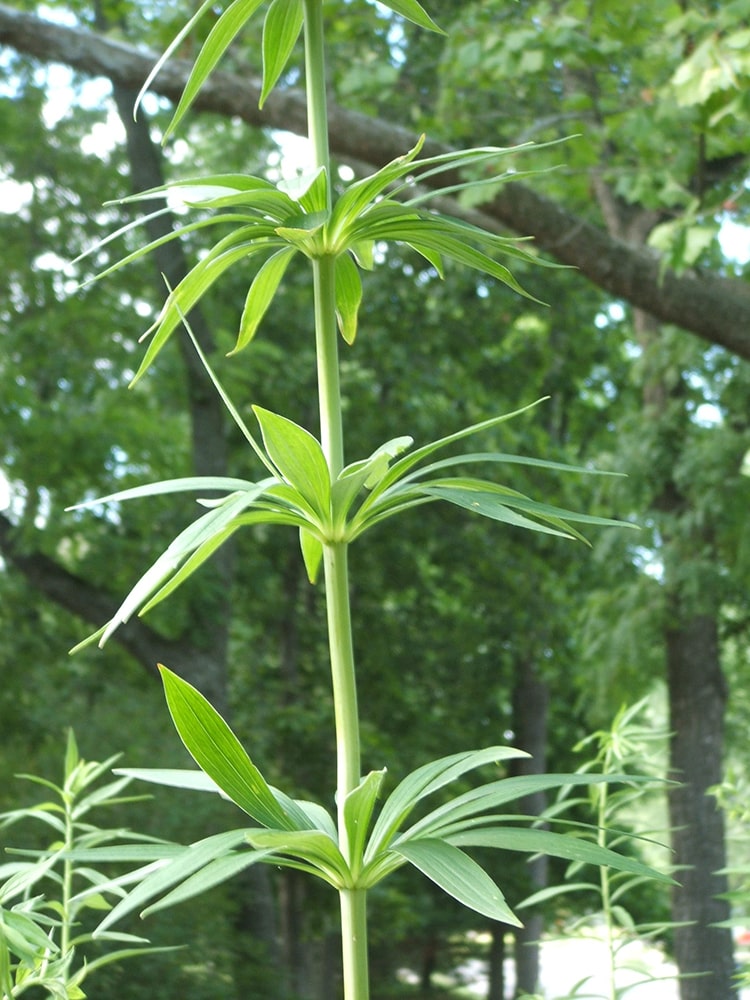
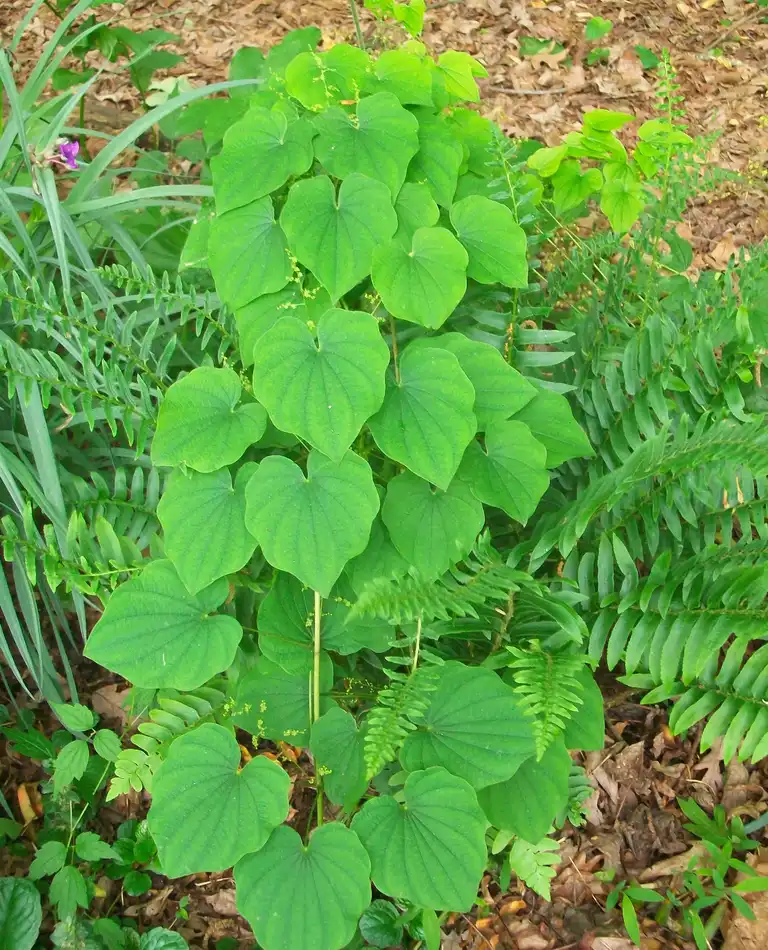
The leaves are arranged in an alternate pattern with the exception of near the base of the vine, where they can be opposite or whorled. With smooth margins, the 2-4" x 1 1/2-3" leaves are veined with 7 to 11 veins per leaf. The upper surface is smooth, while the lower is sparsely short-pubescent.
3-6 inches
1-3 inches
Stem
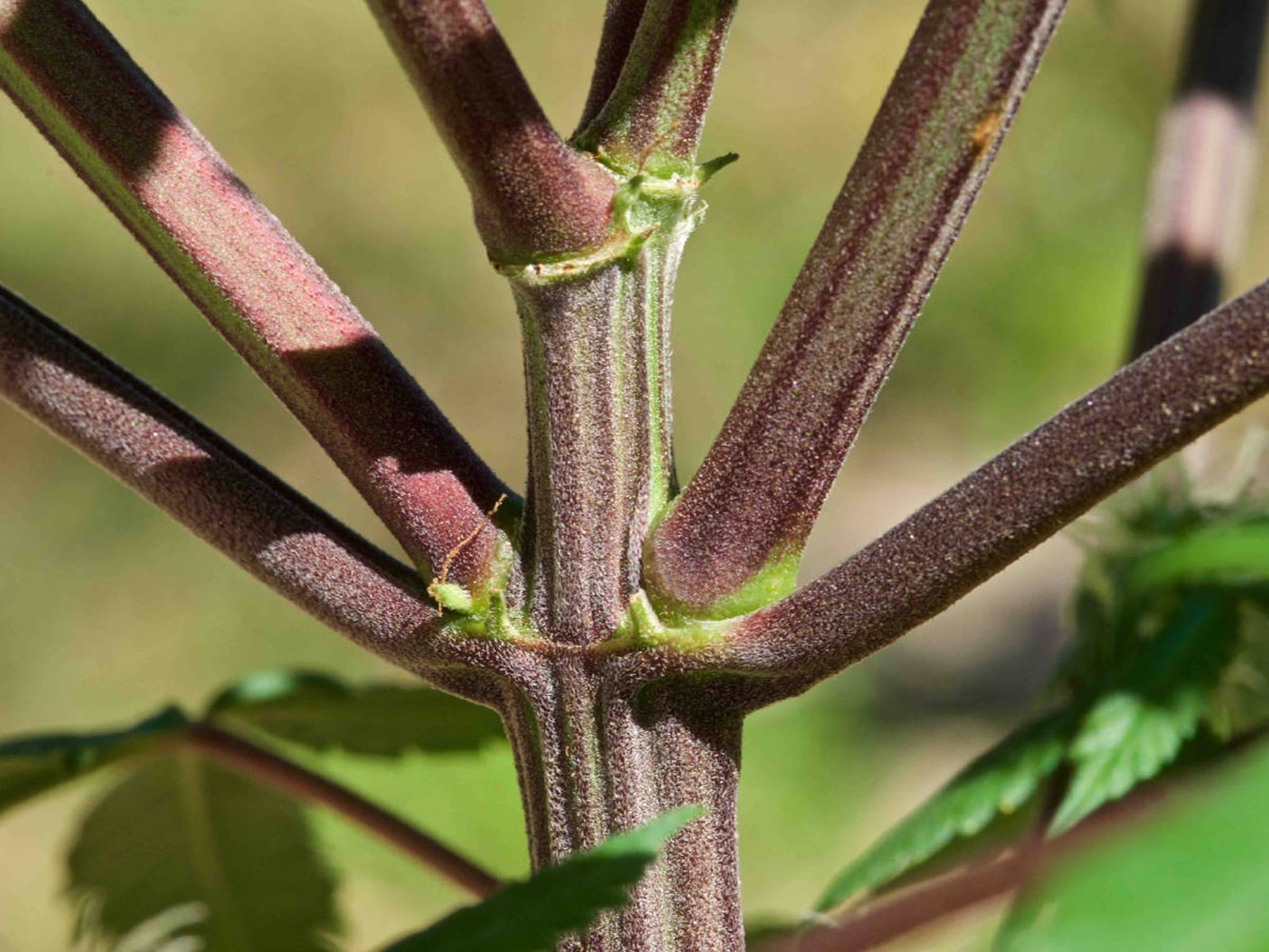
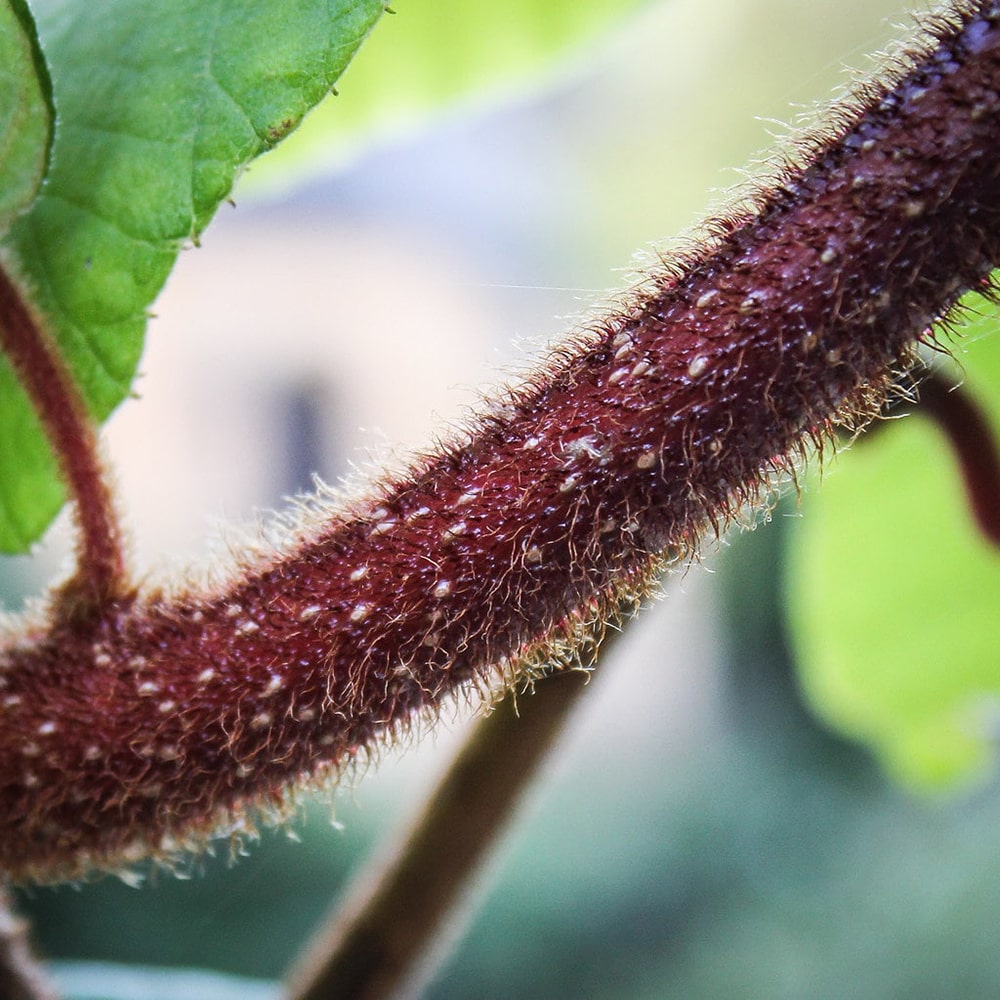
The stems vary in color from light green to pale yellow to reddish-green or dark red.
Green
Red/Burgundy
Gold/Yellow
Whole Plant Traits
Native Plant
Vine
Climbing
Cultural Conditions
Full sun (6 or more hours of direct sunlight a day)
Partial Shade (Direct sunlight only part of the day, 2-6 hours)
Good Drainage
Moist
Occasionally Dry
Coastal
Mountains
Piedmont
Loam (Silt)
Sand
Landscape
Small Mammals

Dioscorea villosa Attributes

Dioscorea villosa: Country Or Region Of Origin

Canada, U.S.A.
Dioscorea villosa: Distribution

AL, AR, CT, DC, DE, FL, GA, IA, IL, IN, KS, KY, LA, MA, MD, MI, MN, MO MS, NC, NE, NJ, NY, OH, OK, PA, RI, SC, TN, TX, VA, WI, WV

Dioscorea villosa: Wildlife Value

It provides nesting and cover for birds and some small animals.

Dioscorea villosa: Life Cycle

Annual
Biennial
Bulb
Perennial
Woody

Dioscorea villosa: Recommended Propagation Strategy

Division
Grafting
Layering
Leaf Cutting
Root Cutting
Seed
Stem Cutting

Dioscorea villosa: Play Value

Attractive Flowers
Attracts Pollinators
Buffer
Colorful
Defines Paths
Easy to Grow
Edible fruit
Fragrance
Pieces Used in Games
Screening
Shade
Sound
Textural
Wildlife Cover/Habitat
Wildlife Food Source
Wildlife Larval Host
Wildlife Nesting
Wind Break
Wind Shimmer

Dioscorea villosa Fruit

Dioscorea villosa: Fruit Description

Brown fruit displays from September to November. Capsules are 3-sectioned, each containing 2 seeds, occasionally 1 seed. These green capsules ripen to brown.

Dioscorea villosa: Fruit Type

Achene
Aggregate
Berry
Capsule
Caryopsis
Drupe
Follicle
Legume
Nut
Pome
Samara
Schizocarp
Siliqua

Dioscorea villosa: Fruit Color

grass
Brown/Copper
grass
Green

Dioscorea villosa: Display/Harvest Time

Fall
Spring
Summer
Winter

Dioscorea villosa: Fruit Length

< 1 inch
1-3 inches
> 3 inches

Dioscorea villosa: Fruit Width

< 1 inch
1-3 inches
> 3 inches

Dioscorea villosa Flowers

Dioscorea villosa: Flower Description

Greenish-yellow flowers bloom from April to June. Flower inflorescence differs between male and female plants.

Dioscorea villosa: Flower Color

filter_vintage
Gold/Yellow
filter_vintage
Green

Dioscorea villosa: Flower Inflorescence

Catkin
Corymb
Cyme
Head
Insignificant
Panicle
Raceme
Solitary
Spadix
Spike
Umbel

Dioscorea villosa: Flower Bloom Time

Winter
Spring
Summer
Fall

Dioscorea villosa Leaves

Dioscorea villosa: Leaf Description

The leaves are arranged in an alternate pattern with the exception of near the base of the vine, where they can be opposite or whorled. With smooth margins, the 2-4" x 1 1/2-3" leaves are veined with 7 to 11 veins per leaf. The upper surface is smooth, while the lower is sparsely short-pubescent.

Dioscorea villosa: Leaf Type

Compound (Pinnately , Bipinnately, Palmately)
Fronds
Needles
Sheath
Simple

Dioscorea villosa: Leaf Arrangement

Alternate
Opposite
Other/more complex
Rosulate
Whorled

Dioscorea villosa: Leaf Shape

Acicular
Auriculate
Cordate
Cuneate
Deltoid
Elliptical
Filiform
Lanceolate
Linear
Oblanceolate
Oblong
Obovate
Obtuse
Orbicular
Ovate
Palmasect
Palmatifid
Peltate
Pinnatifid
Pinnatisect
Reniform
Rhomboidal
Spatulate
Subcordate
Subulate

Dioscorea villosa: Hairs Present

No
Yes

Dioscorea villosa: Leaf Length

< 1 inch
1-3 inches
3-6 inches
> 6 inches

Dioscorea villosa: Leaf Width

< 1 inch
1-3 inches
3-6 inches
> 6 inches

Dioscorea villosa Stem

Dioscorea villosa: Stem Description

The stems vary in color from light green to pale yellow to reddish-green or dark red.

Dioscorea villosa: Stem Color

grass
Gold/Yellow
grass
Green
grass
Red/Burgundy

Dioscorea villosa: Stem Is Aromatic

No
Yes

Dioscorea villosa Whole Plant Traits

Dioscorea villosa: Plant Type

Annual
Bulb
Carnivorous
Edible
Epiphyte
Fern
Ground Cover
Herb
Herbaceous Perennial
Houseplant
Mushroom
Native Plant
Ornamental Grasses and Sedges
Perennial
Poisonous
Rose
Shrub
Succulent
Tree
Turfgrass
Vegetable
Vine
Water Plant
Weed
Wildflower

Dioscorea villosa: Habit/Form

Arching
Ascending
Broad
Cascading
Climbing
Clumping
Columnar
Conical
Creeping
Dense
Erect
Horizontal
Irregular
Mounding
Multi-stemmed
Multi-trunked
Open
Oval
Prostrate
Pyramidal
Rounded
Spreading
Vase
Weeping

Dioscorea villosa Cultural Conditions

Dioscorea villosa: Light

Dappled Sunlight (Shade through upper canopy all day)
Deep shade (Less than 2 hours to no direct sunlight)
Full sun (6 or more hours of direct sunlight a day)
Partial Shade (Direct sunlight only part of the day, 2-6 hours)

Dioscorea villosa: Soil Drainage

Frequent Standing Water
Good Drainage
Moist
Occasional Flooding
Occasionally Dry
Occasionally Wet
Very Dry

Dioscorea villosa: Available Space To Plant

12 inches-3 feet
12-24 feet
24-60 feet
3 feet-6 feet
6-feet-12 feet
Less than 12 inches
more than 60 feet

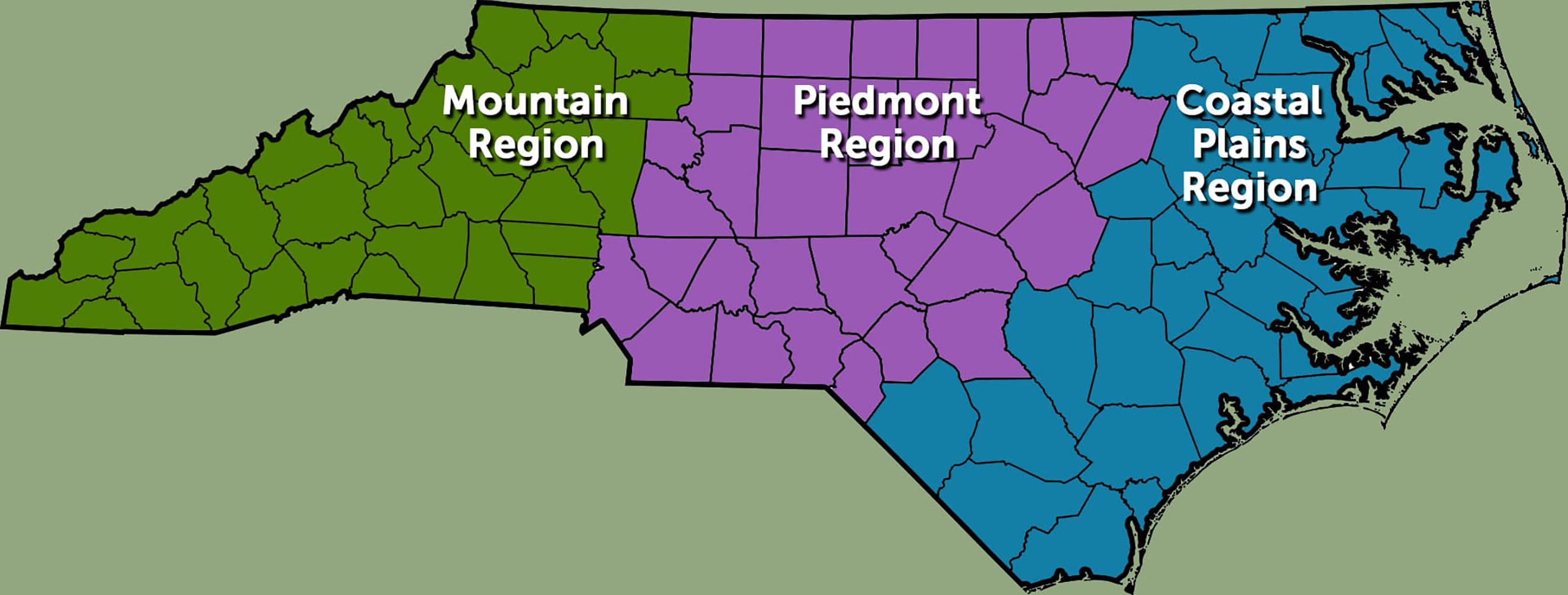
Dioscorea villosa: NC Region

Coastal
Mountains
Piedmont

Dioscorea villosa: Soil Texture

Clay
High Organic Matter
Loam (Silt)
Sand
Shallow Rocky

Dioscorea villosa Landscape

Dioscorea villosa: Attracts

Bats
Bees
Butterflies
Frogs
Hummingbirds
Moths
Pollinators
Predatory Insects
Reptiles
Small Mammals
Songbirds
Specialized Bees