Gelsemium sempervirens: Country Or Region Of Origin
SE. U.S.A. to Honduras
Phonetic Spelling:gel-SEM-ee-um sem-per-VEE-renz
Genus:Gelsemium
Species:sempervirens
Family:Loganiaceae
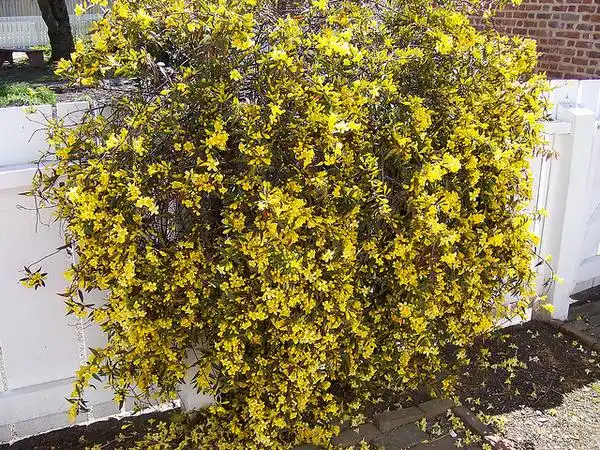
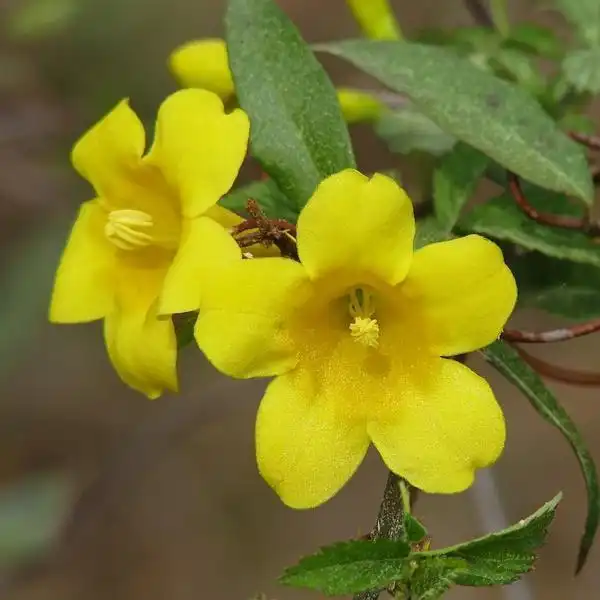
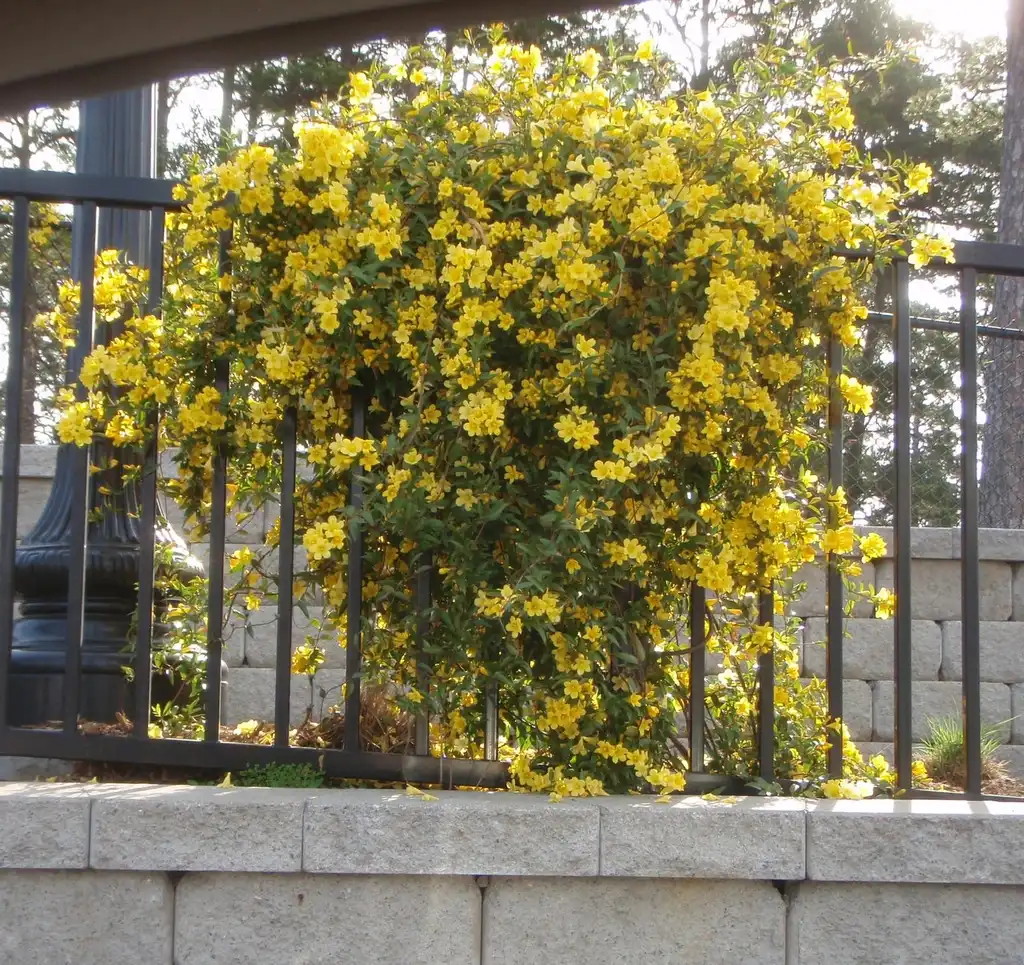
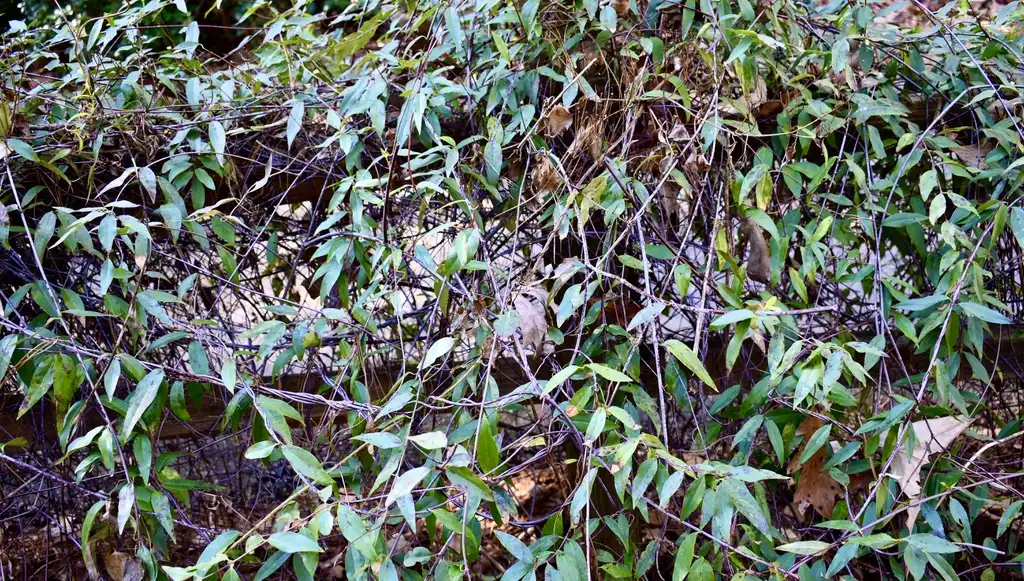
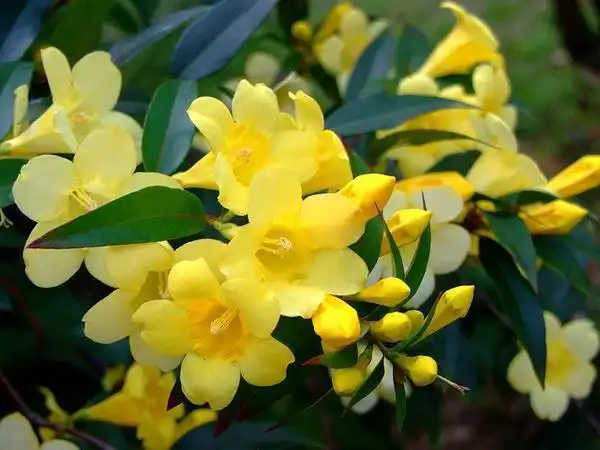
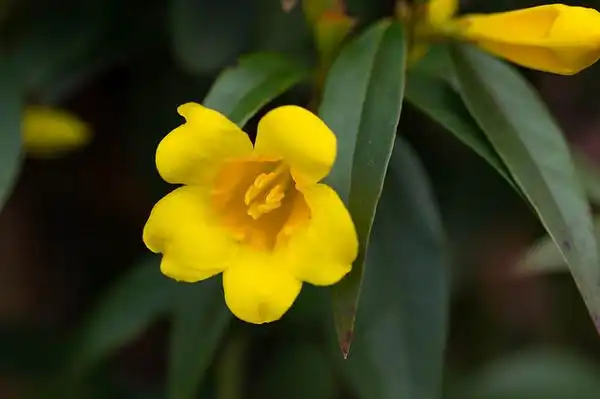
Gelsemium sempervirens, commonly known as Carolina jessamine, is a remarkable native vine that thrives in the landscapes of the South. Renowned for its fragrant, canary yellow flowers, this vine creates a stunning display from February to April, depending on climatic conditions. The blooms, shaped like golden funnels or trumpets, measure about 1½ inches in length and appear in small clusters, complemented by narrow, glossy evergreen leaves that take on a bronzed hue in winter.
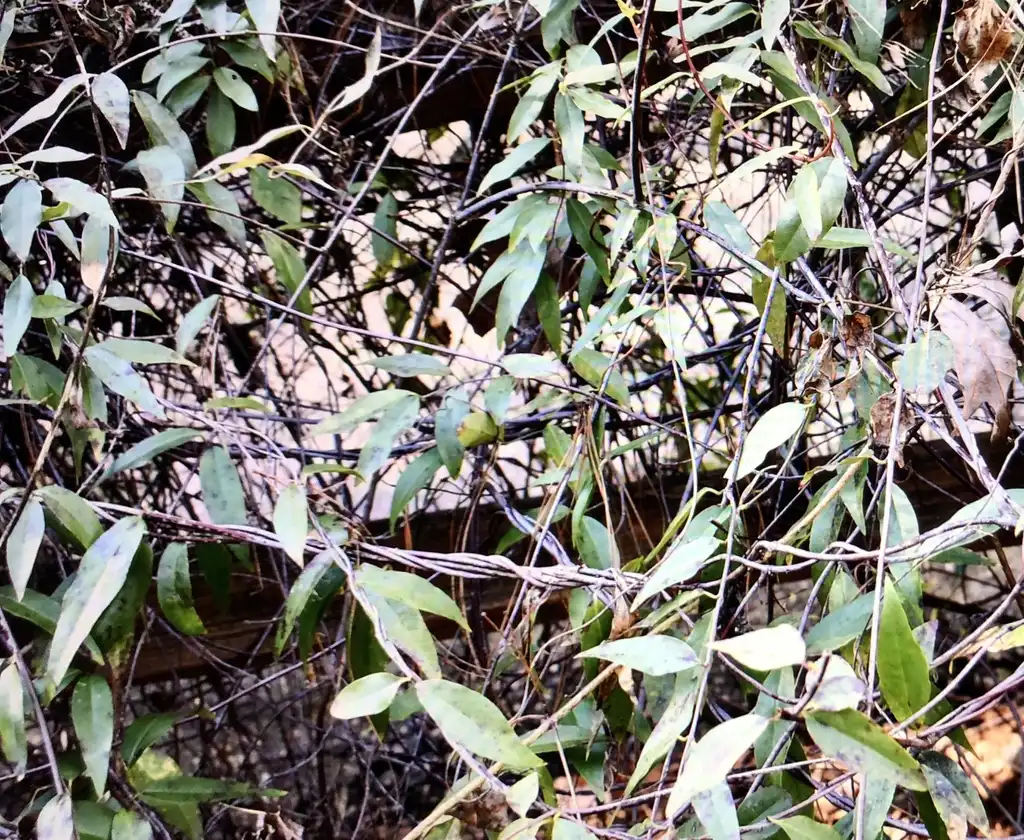
This resilient plant can withstand wind, brief droughts, and exhibits moderate salt tolerance. It is winter hardy in USDA Zones 7-10 and flourishes best in moist, organically rich, well-drained soils under full sun. While it can tolerate some shade, optimal flowering and growth are achieved in direct sunlight. Carolina jessamine can grow as a twining vine or, if left unsupported, develop into a bushy ground cover.
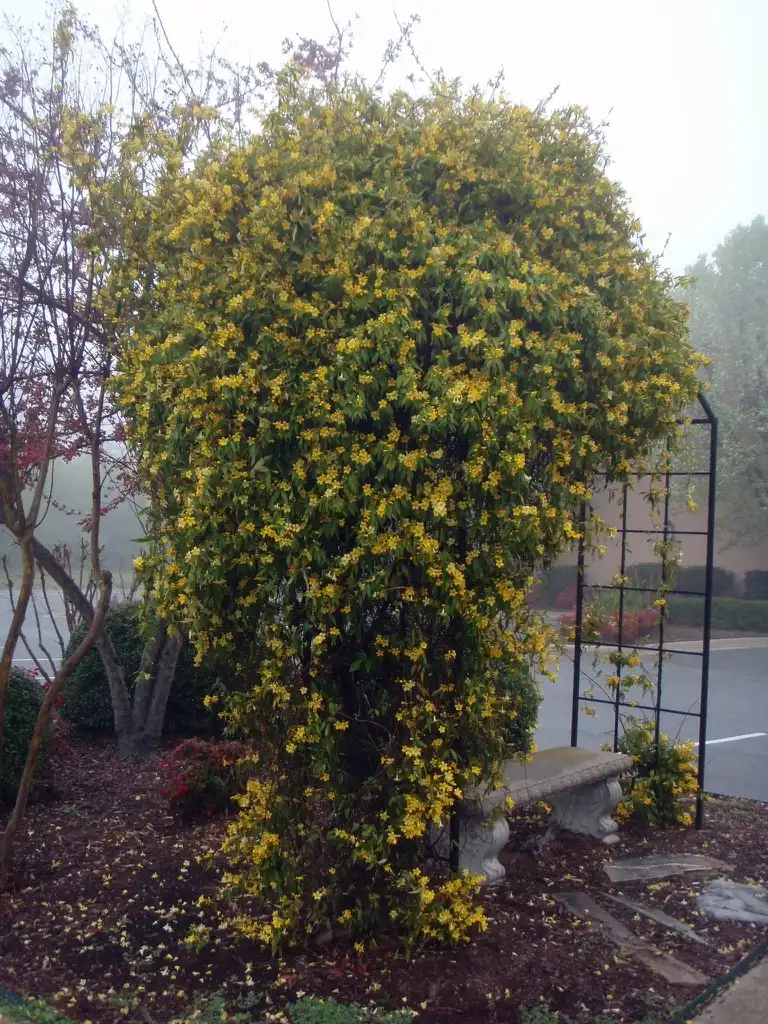
The vine can be trained to climb arbors and trellises, often seen in wooded areas where it ascends tree trunks. Initially, its growth rate is modest until it becomes established, typically taking three to four growing seasons for the vines to fully cover an average-sized arbor.
When allowed to grow freely, Carolina jessamine can reach heights of 20 feet or more. However, older vines may become top-heavy or sparse, a condition that can be addressed by pruning shortly after flowering.
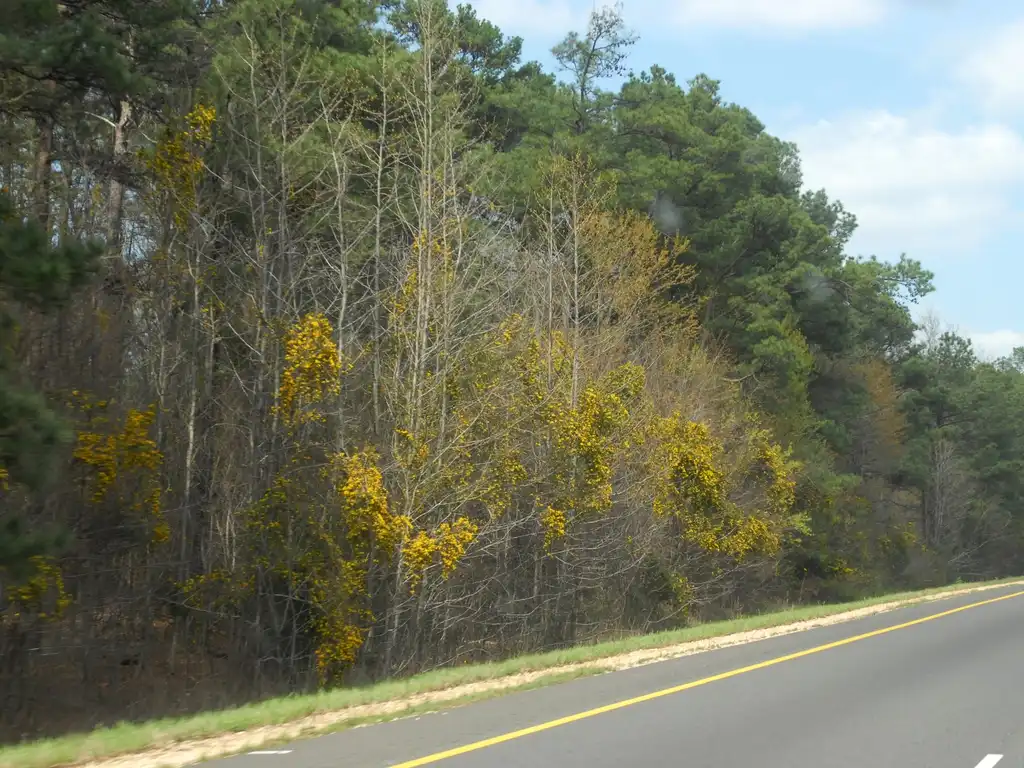
This plant is commonly found in forests and natural areas, thriving in open woods and thickets, but it can also become invasive in disturbed areas, such as along roadsides. As a cultivated flowering woody vine, Carolina jessamine holds the distinction of being the state flower of South Carolina.
**WARNING: HIGHLY TOXIC AND POTENTIALLY FATAL IF INGESTED!**
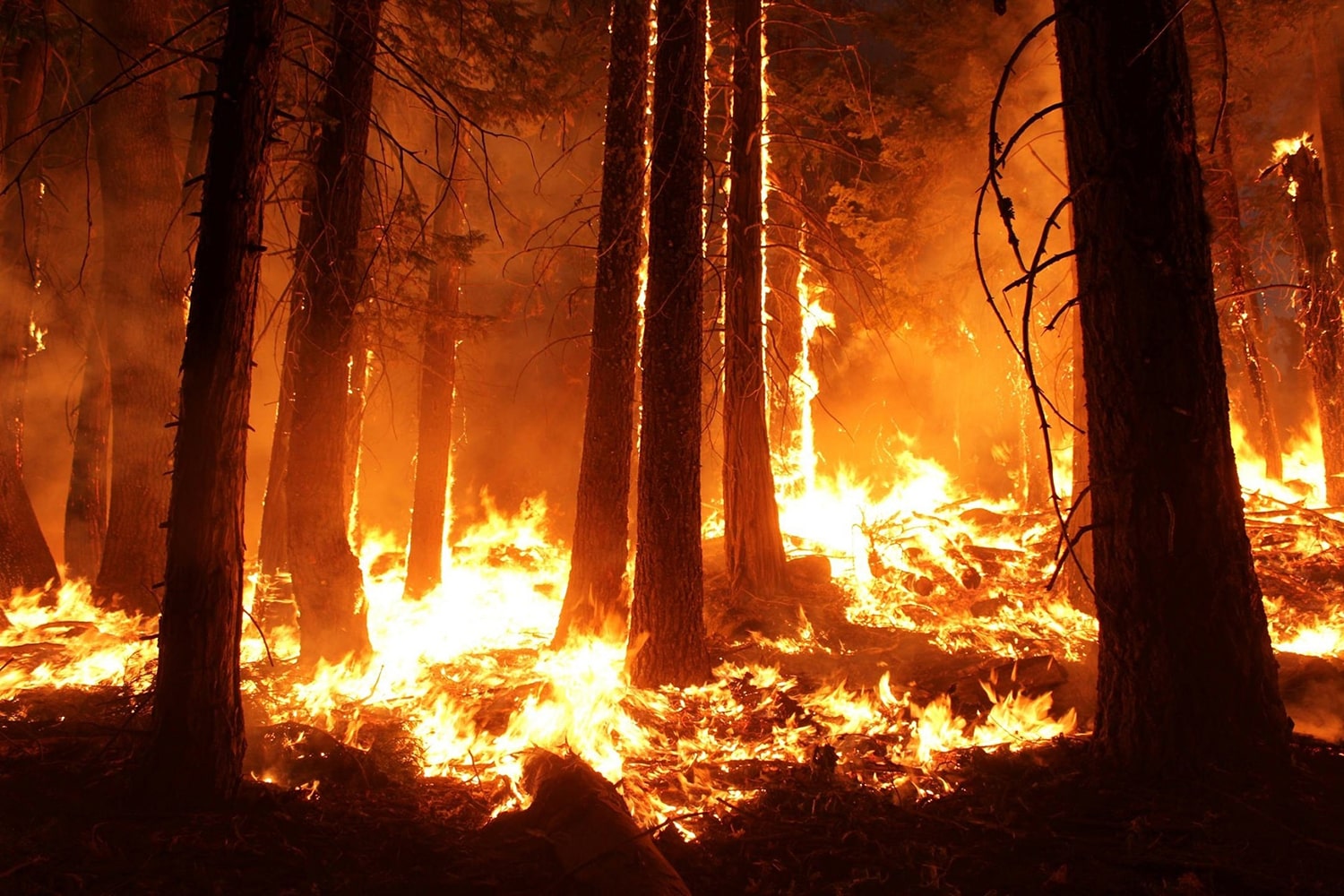
**Fire Risk:** This plant has a high flammability rating and should not be planted within the defensible space around your home. It is advisable to choose plants with low flammability ratings for areas closest to your residence.
**Family:** Gelsemiaceae (previously classified as Loganiaceae)
**Quick Identification Tips:**
- An evergreen vine that can grow up to 20 feet, climbing through a process called nutation.
- Blooms in spring and occasionally in fall; the fruit is flat and green, splitting apically into four lobes upon dehiscence.
- A native vine that can become invasive if not managed; suitable for use on trellises, arbors, fences, planters, and porch columns.
- Both the roots and bark are toxic.
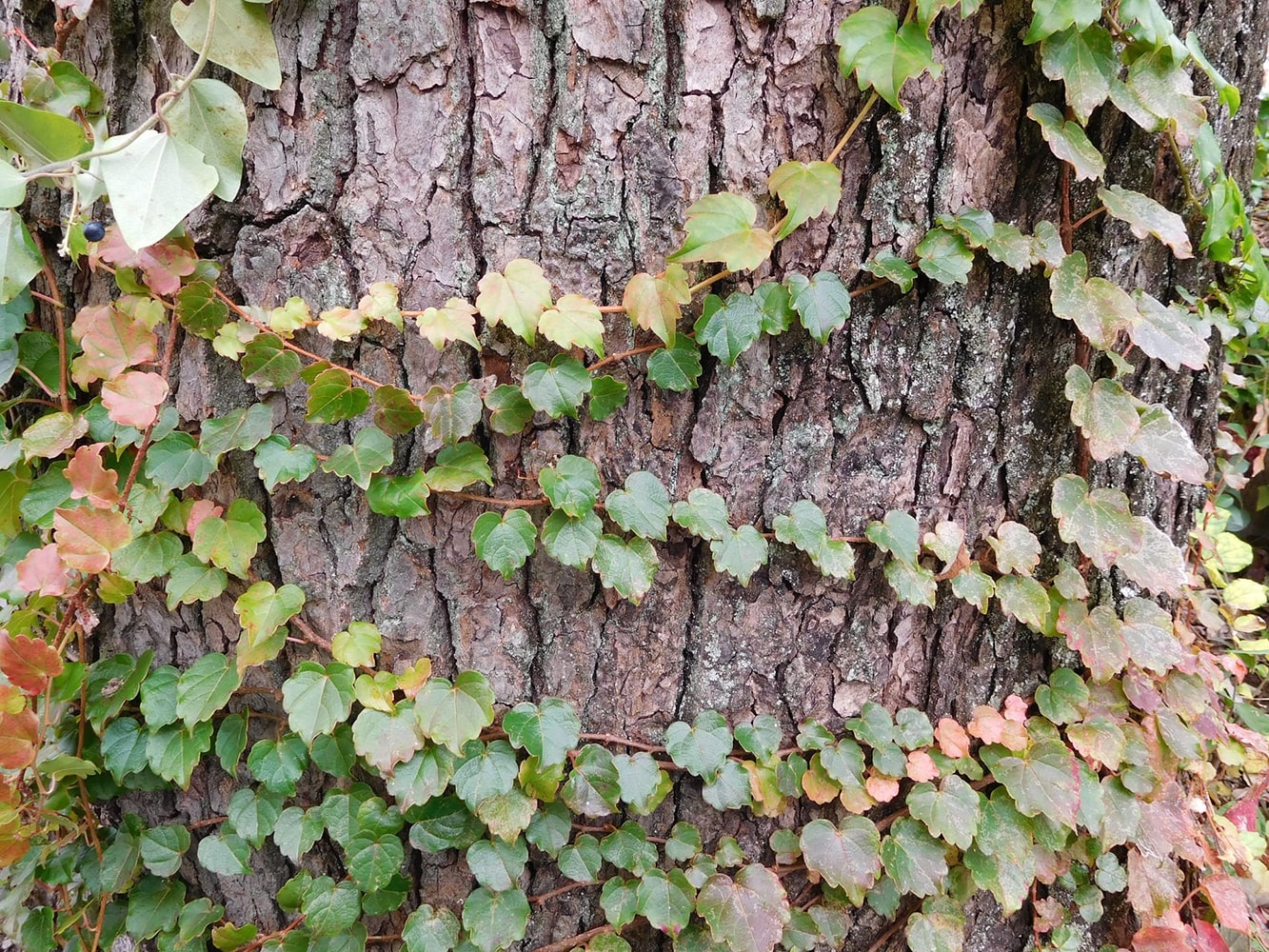
It is often mistaken for honeysuckle vines, which have distinct flowers and broader leaves, as well as for Vinca minor seedlings, which feature shorter, obtuse leaves and non-climbing stems, and Euonymus fortunei, which has toothed leaves.
Carolina jessamine tolerates wet soils, thrives in both sun and shade, and can adapt to acidic or slightly alkaline conditions, preferring moist, well-drained, organically enriched soils. It does not face significant pest or disease issues.
Gelsemium sempervirens Feature Summary
Gelsemium sempervirens Image Gallery