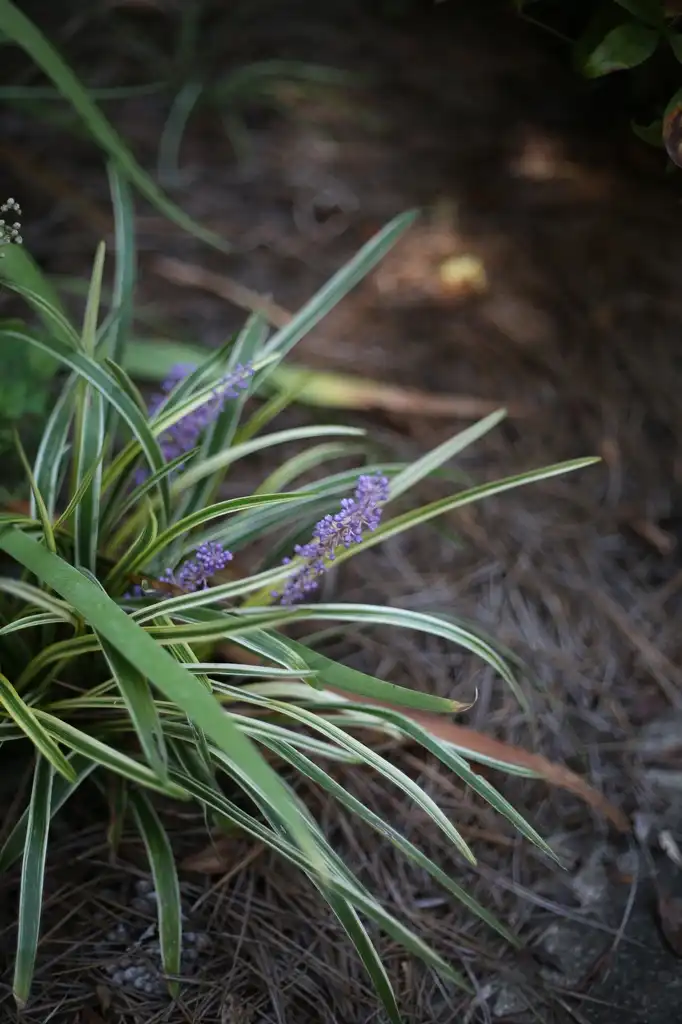
Liriope muscari: Wildlife Value
Deer and rabbit resistant
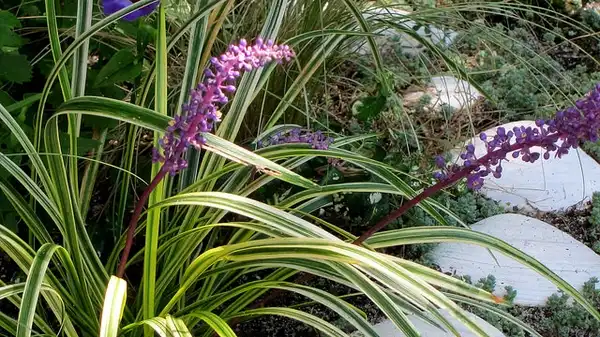
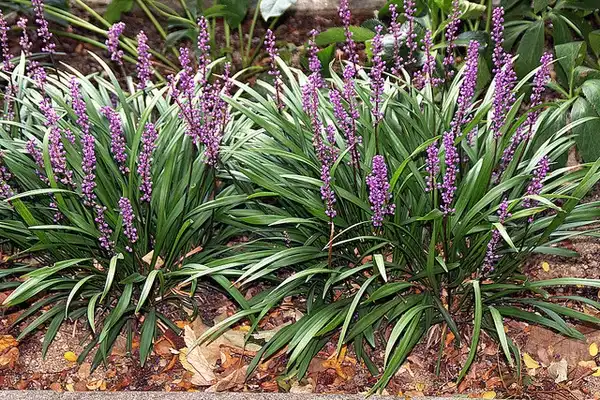
Phonetic Spelling:lih-RYE-oh-pee mus-KAY-ree
Genus:Liriope
Species:muscari
Family:Asparagaceae
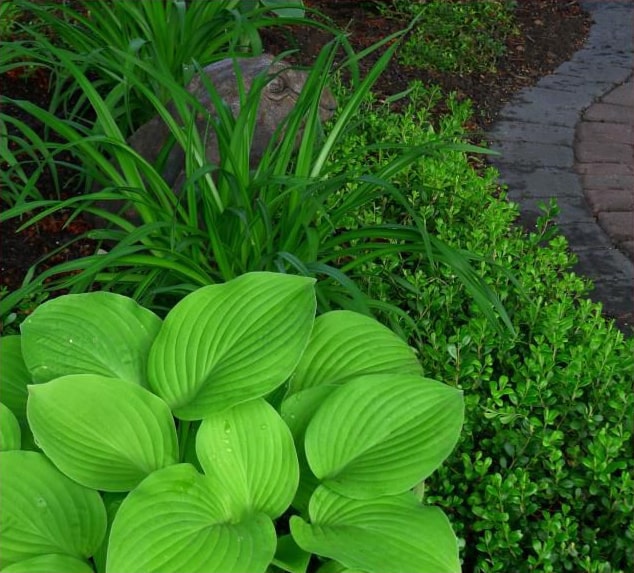
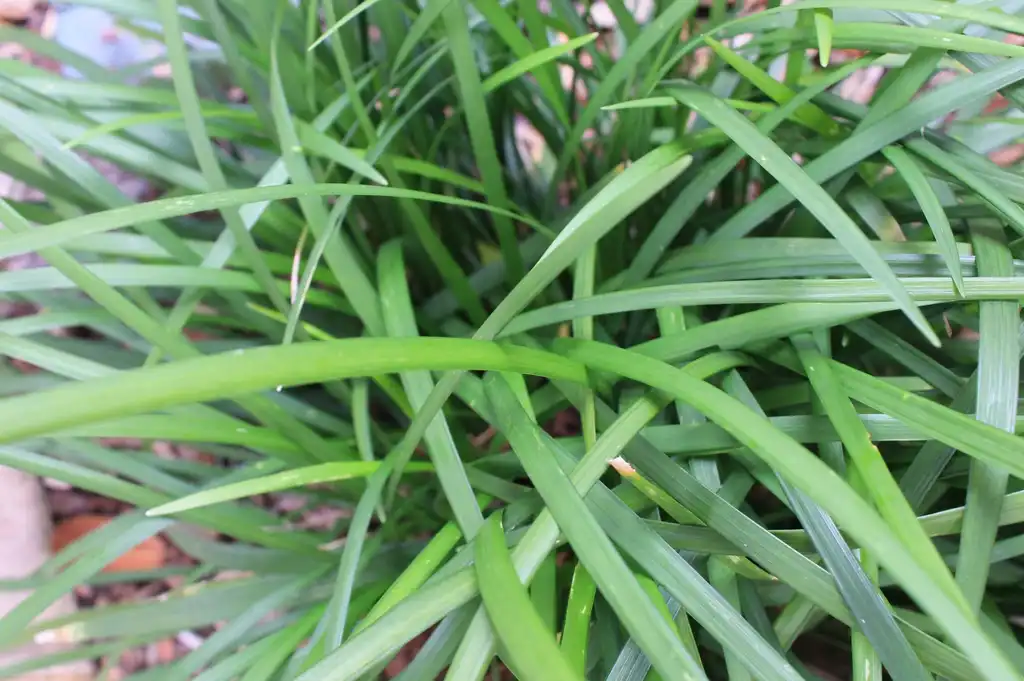
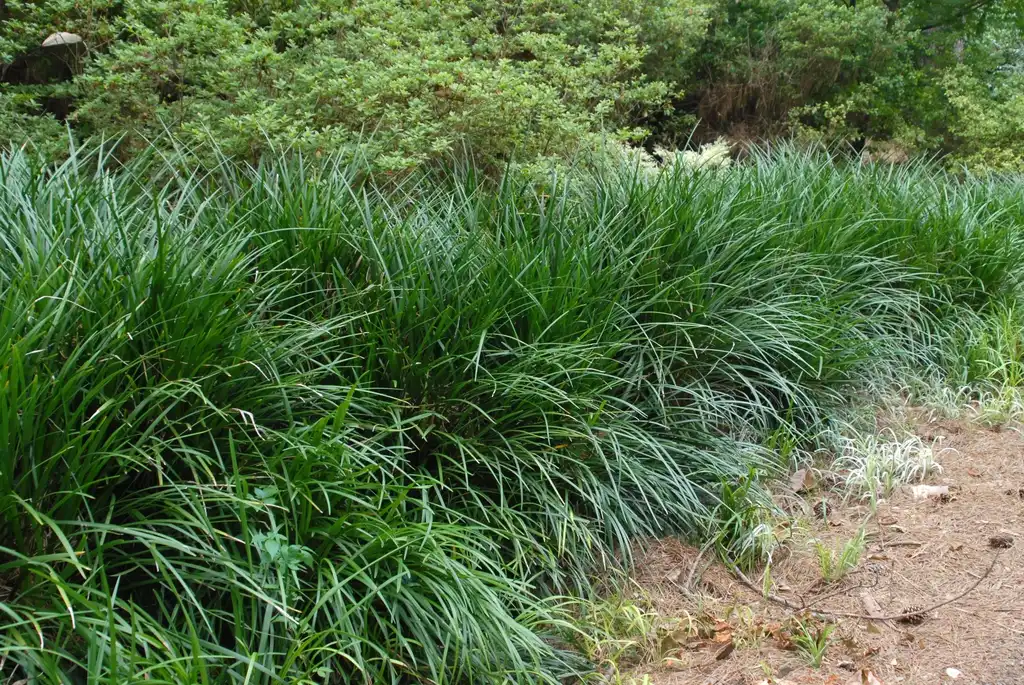
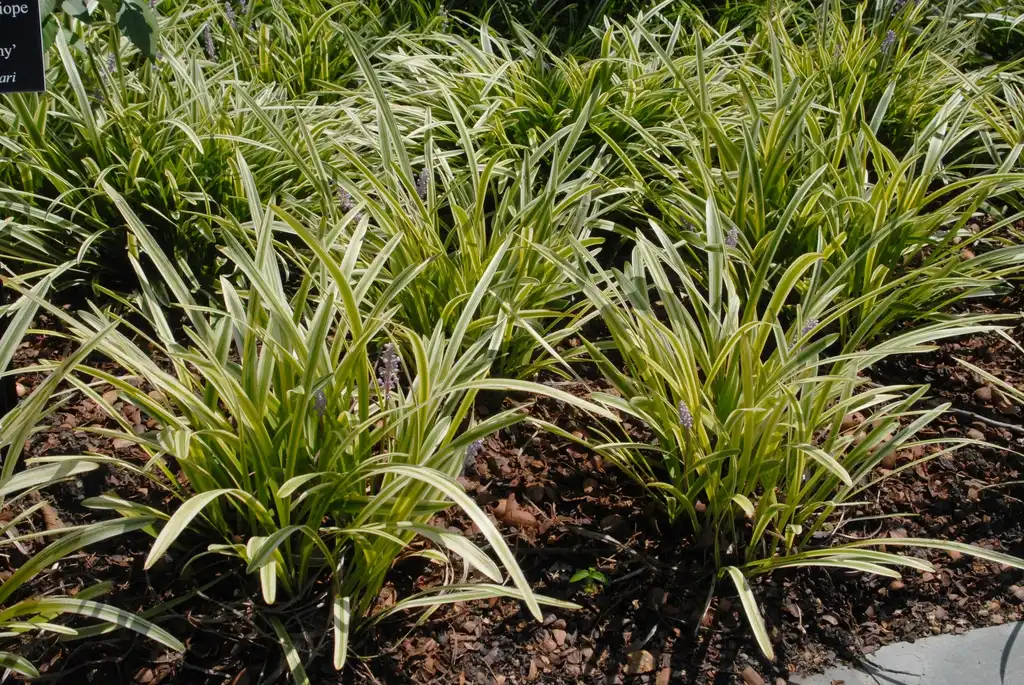
Lilyturf, a perennial plant belonging to the Asparagaceae family, is characterized by its broadleaf evergreen foliage and clump-forming growth habit. The term "liriope" originates from New Latin, named after a nymph from Roman mythology. While it may bear a resemblance to ornamental grasses, it is not classified as a true grass.
This plant thrives in well-drained soils that range from acidic to neutral and prefers full sun to partial shade. Although it can survive in nearly full shade, its growth will be slower, and the leaves may become elongated.
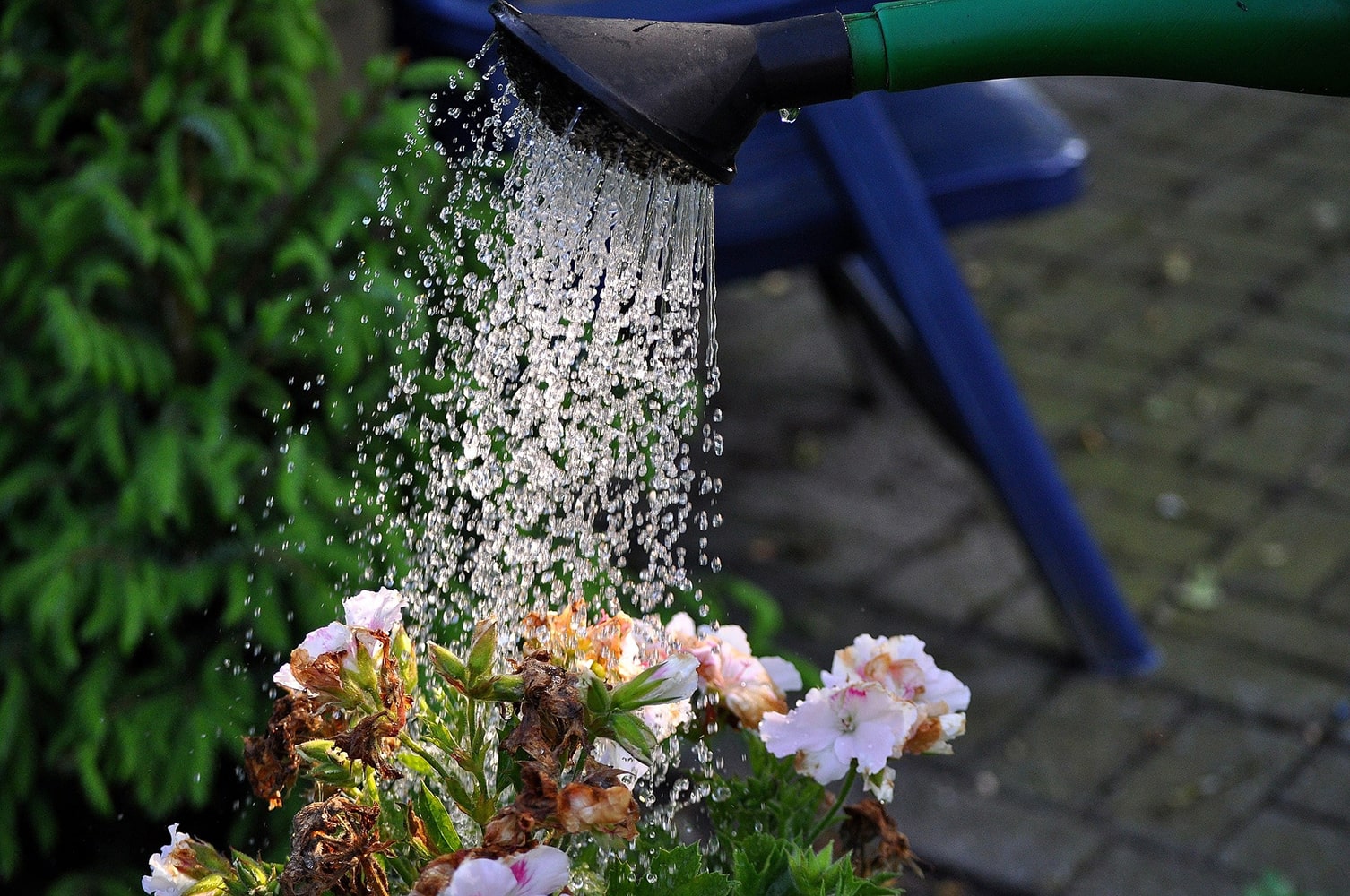
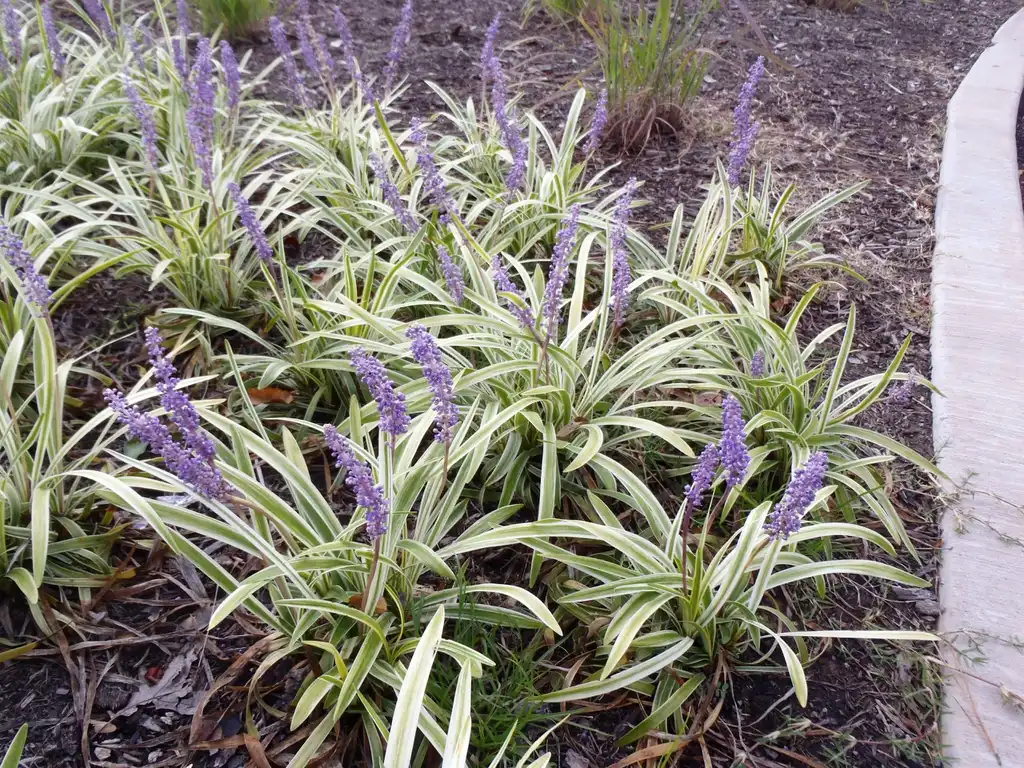
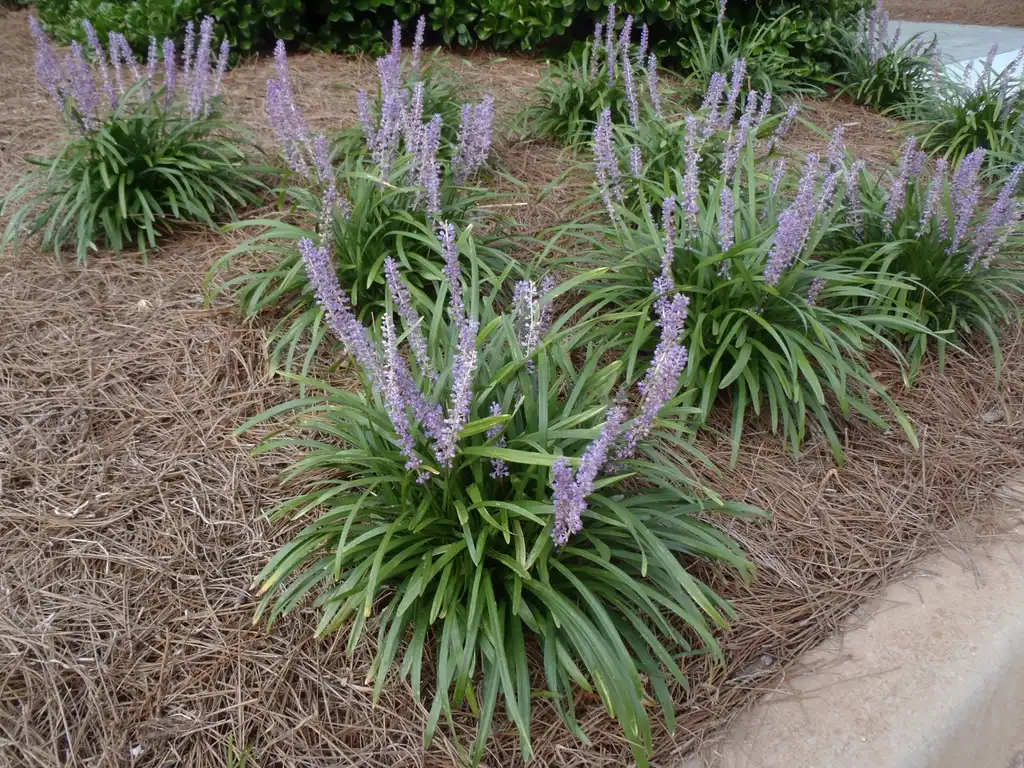
Lilyturf features slender, grass-like leaves that can reach heights of up to 24 inches and are known for their durability. In late summer, this low-maintenance plant produces spikes of purple flowers, which are later followed by nearly black berries. During its first year, regular watering is essential to keep the soil moist; however, once established, it requires minimal additional irrigation. It is a light feeder and benefits from the application of a slow-release or organic fertilizer in early spring. To keep the plant looking its best, it is advisable to trim back the tops each February before new growth begins.
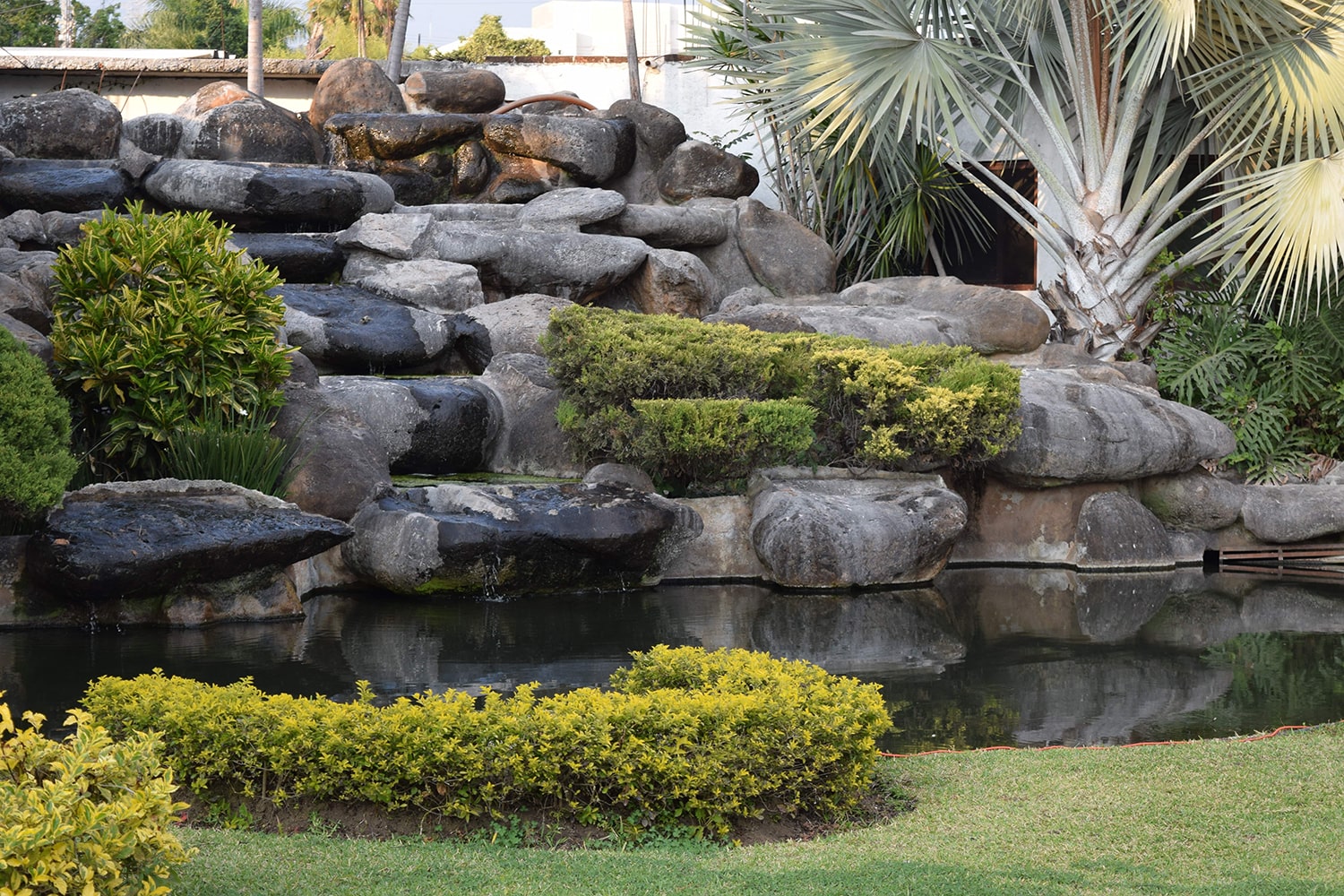
Lilyturf is versatile and can be used for edging, in rock gardens, containers, woodland settings, or as ground cover. It is drought-resistant, tolerant of deer, and moderately salt-tolerant, making it a suitable alternative for lawns that experience occasional light foot traffic. Propagation is typically unnecessary, as liriope plants are vigorous growers.
**Quick Identification Tips:**
**Pests, Diseases, and Other Issues:** Common problems include anthracnose, leaf and crown rot, as well as slugs and snails.
For further details on Liriope, additional resources are available.
Liriope muscari Feature Summary