Magnolia sieboldii: Country Or Region Of Origin
Central China to Japan
Phonetic Spelling:mag-NO-lee-ah see-BOLD-ee-eye
Genus:Magnolia
Species:sieboldii
Family:Magnoliaceae
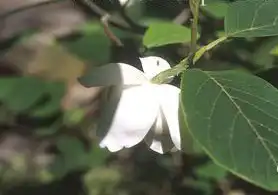
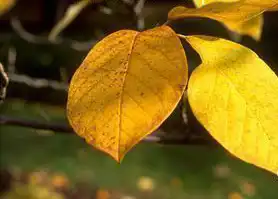
This plant begins to flower at a young age and exhibits occasional blooming during the summer months. It features light gray bark and has a growth habit that ranges from upright to rounded. Notably, it is more resistant to wind than many other deciduous magnolias. The nodding, fragrant white flowers, which can reach up to 4 inches in width and showcase striking crimson stamens, typically bloom from late May to July, lasting around six weeks. Following the flowering period, the plant produces eye-catching pink, oval fruits, measuring up to 3 inches long, which split open in the fall to reveal seeds that range in color from orange to red. The broad, elliptic to oblong green leaves, measuring between 3 to 6 inches long, transform into a vibrant golden yellow in the autumn.
For optimal growth, this plant thrives in moist, fertile, slightly acidic, and organically rich loamy soils that are well-drained and situated in partial shade. It is important to shield the plant from harsh winds and frigid winter temperatures, while also avoiding southern exposures near buildings, as this can cause the buds to open prematurely in the spring. It can be successfully cultivated in sheltered areas that receive morning sunlight on the northern side of homes. The plant benefits from consistent moisture throughout the year and generally does not tolerate extremes in soil conditions, whether too dry or too wet. Applying mulch around the root zone is recommended to maintain moisture levels.
Magnolia sieboldii Feature Summary
Magnolia sieboldii Image Gallery