Olea europaea: Country Or Region Of Origin
Mediterranean, Africa, Asia
Phonetic Spelling:OH-lee-a yoo-ROH-pay-a
Genus:Olea
Species:europaea
Family:Oleaceae
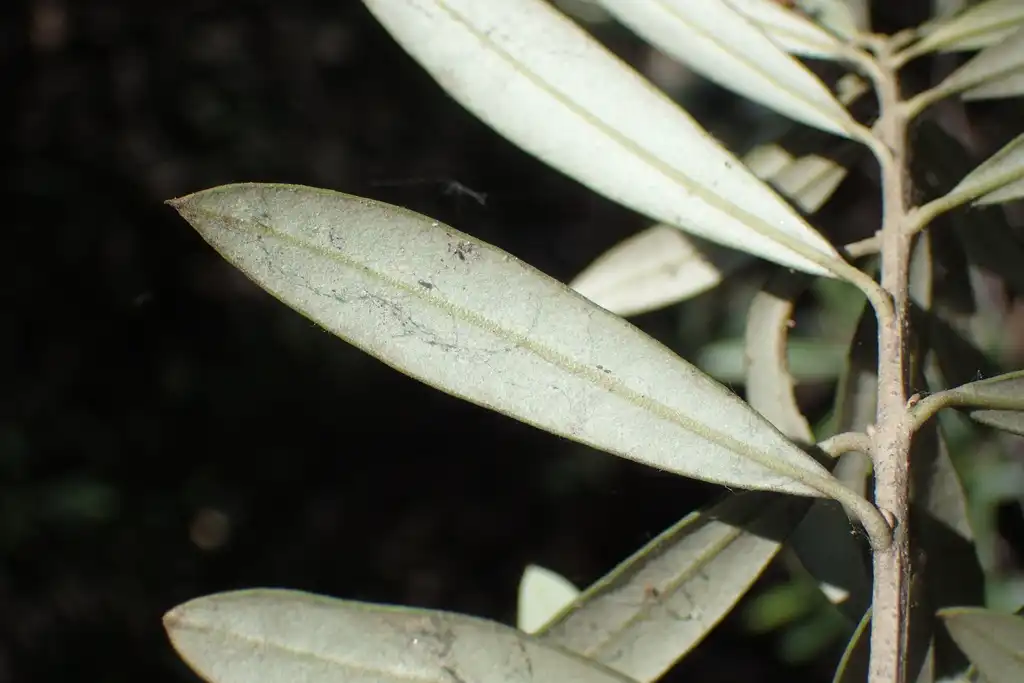
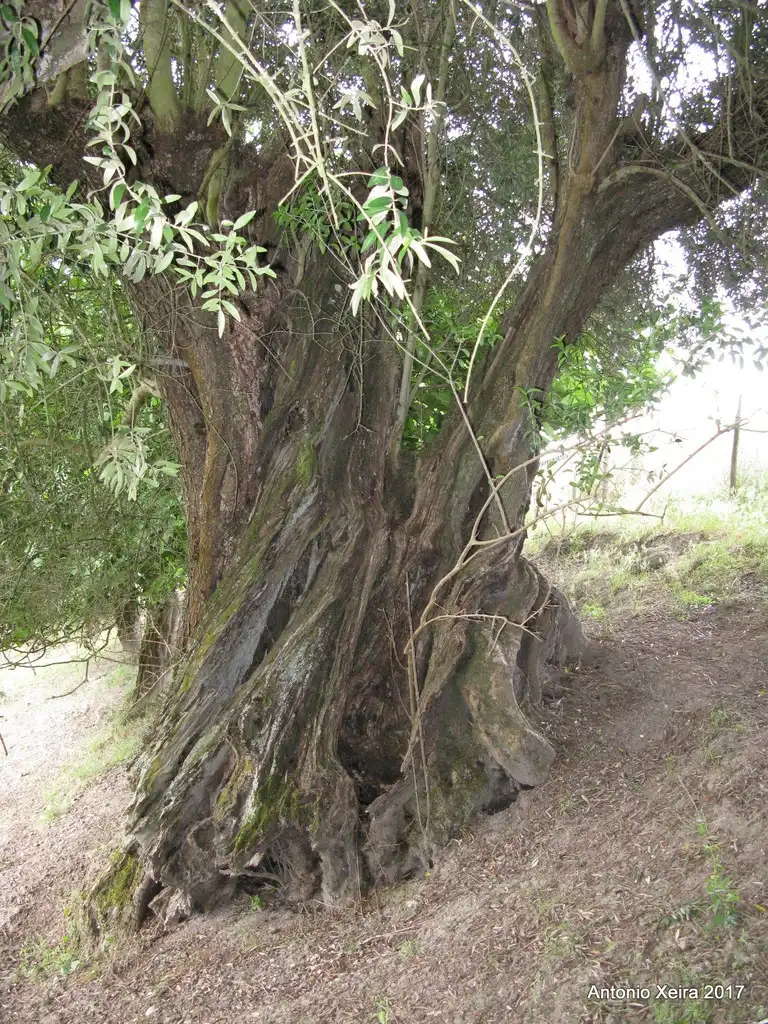
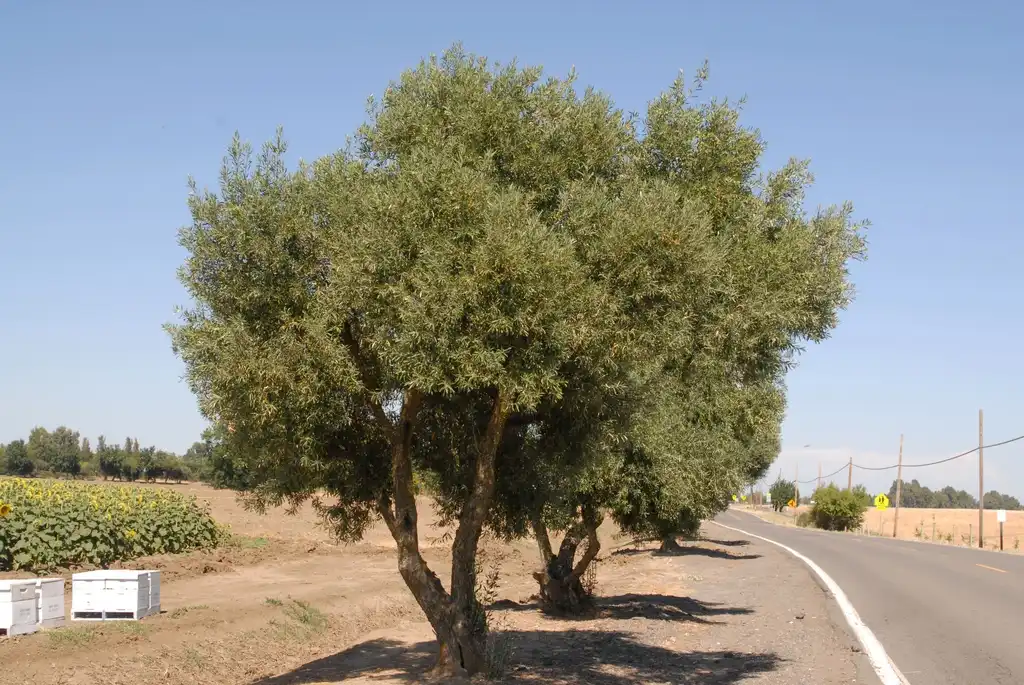
The Common Olive is a perennial fruit-bearing tree or shrub that originates from the Mediterranean region, as well as parts of Asia and Africa. This tree holds significant commercial value, primarily for its edible fruits and the production of olive oil. It typically reaches heights of 20 to 30 feet, characterized by its gnarled and twisted trunk. The Common Olive thrives outdoors in USDA hardiness zones 8 to 10, but can also be cultivated indoors or in greenhouses in cooler climates. To produce flowers, the tree requires a period of two months with temperatures ranging from 40 to 50 degrees Fahrenheit.
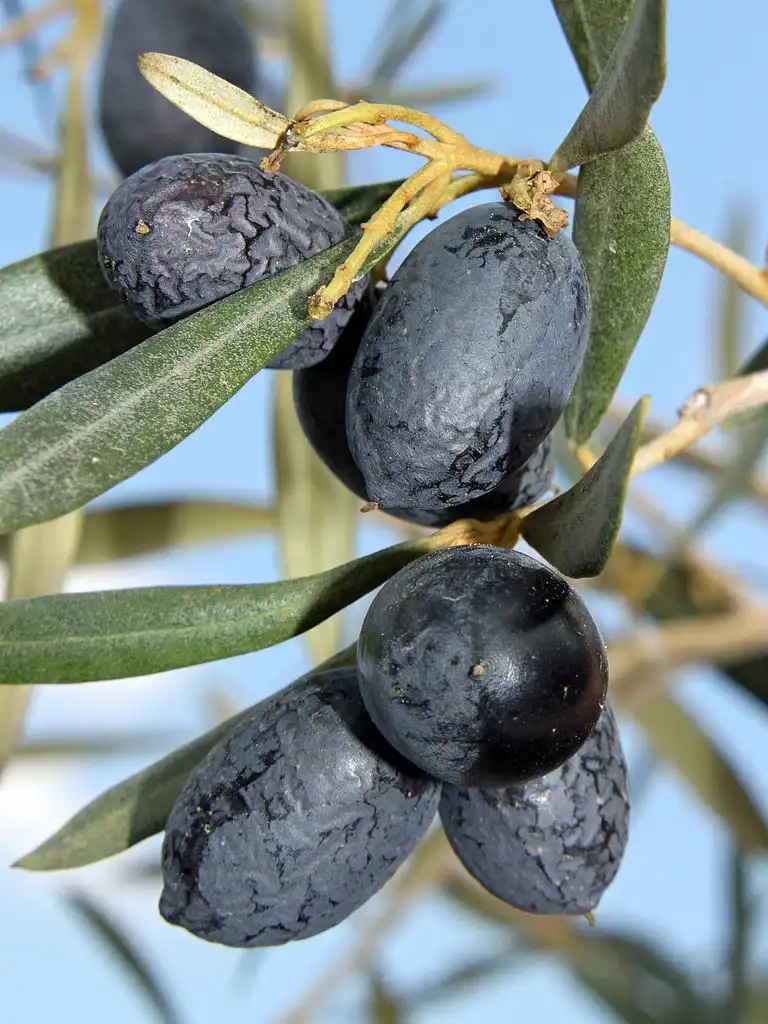
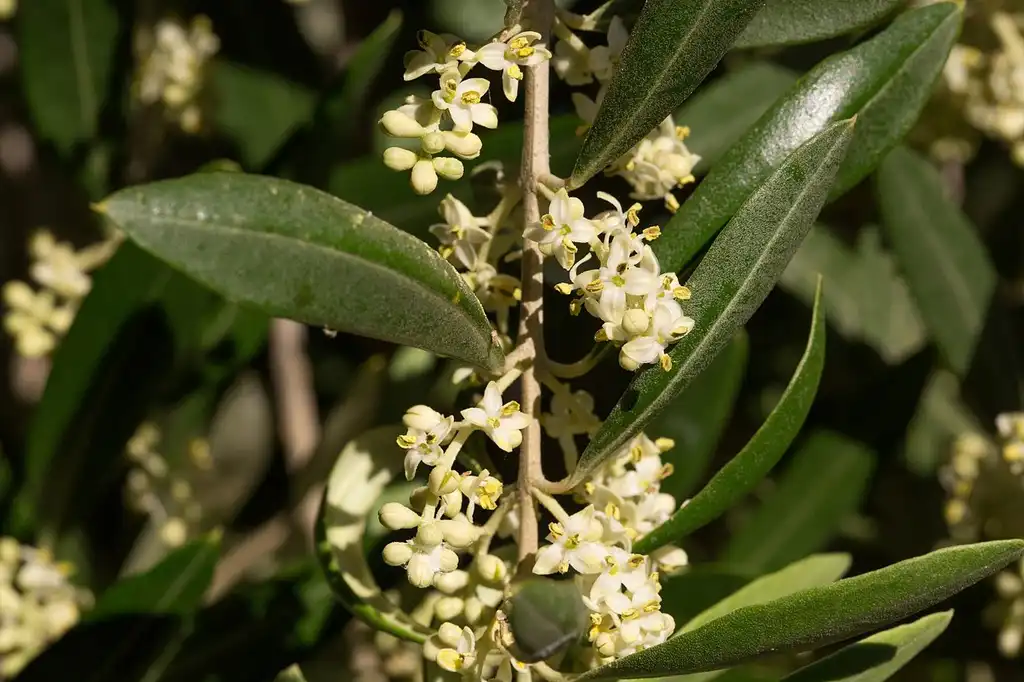
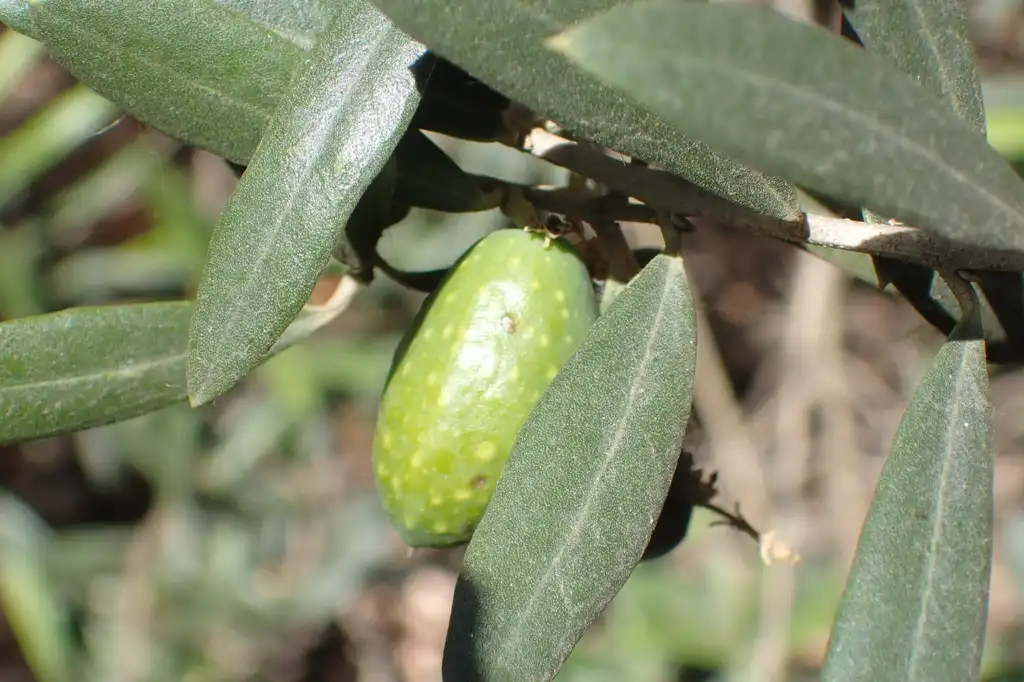
In the summer, the tree produces fragrant white flowers that grow in panicles measuring about two inches long, which eventually give way to green drupes—commonly known as olives—that ripen to a purple hue. These olives can be harvested at either their green or mature stage.
The Common Olive has been introduced to various regions around the globe and is known to establish dense populations, with reports of it becoming invasive in places like Australia, New Zealand, and Hawaii.
This tree thrives in fertile, well-drained soils that maintain average moisture levels and require full sunlight. Once established, it demonstrates drought resistance. The Common Olive can be grown for ornamental purposes, fruit production, or even in containers.