Primula obconica: Country Or Region Of Origin
China
Phonetic Spelling:PRIM-yew-lah ob-KON-ih-kah
Genus:Primula
Species:obconica
Family:Primulaceae
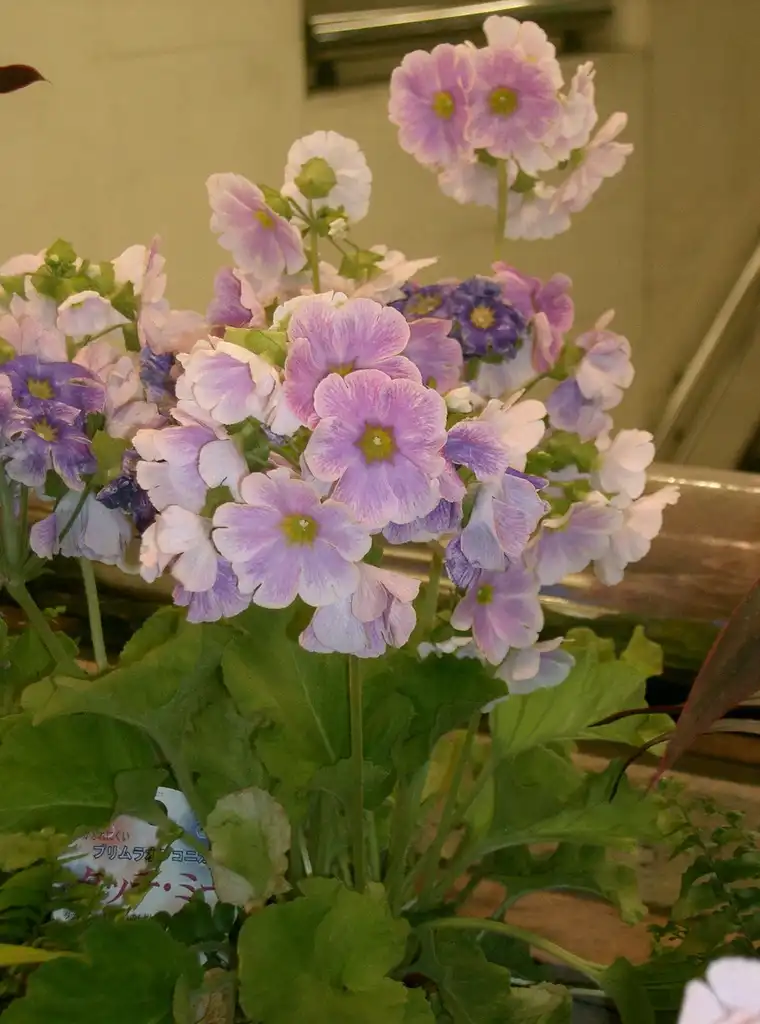
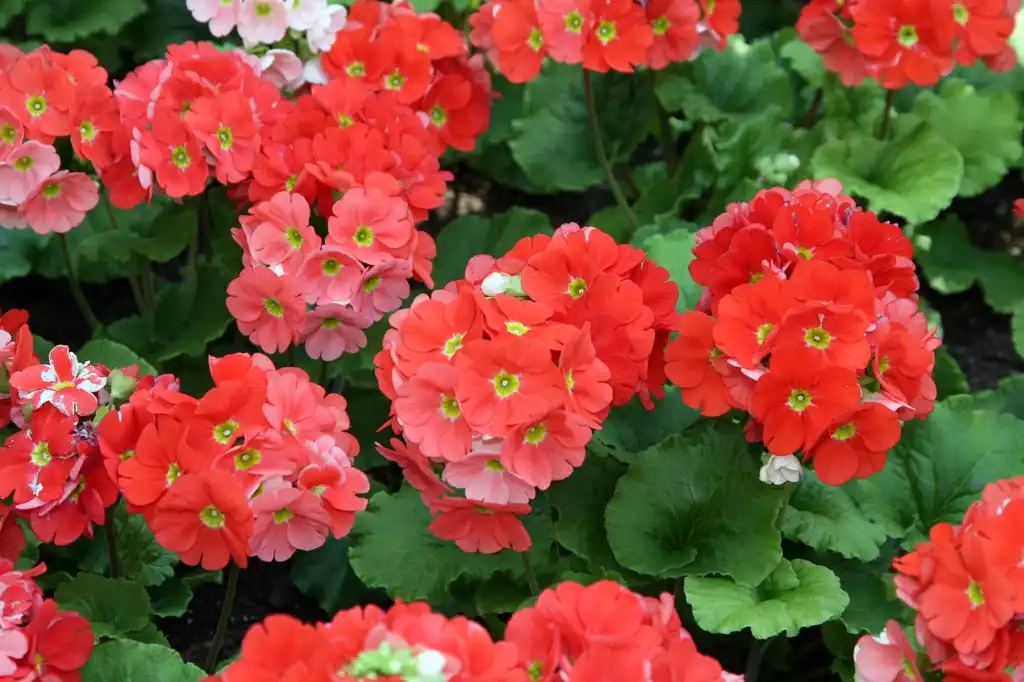
This delicate perennial herb features simple, elongated leaves that are covered in glandular hairs. Its flowers, which bloom on a bare stem, are funnel-shaped with five petals, displaying a pale lilac or purple hue accented by a yellow center. These blooms typically appear indoors during the dormant season of other plants, from winter through early spring. For optimal growth, the plant thrives in cool environments with indirect sunlight. Once the flowers have wilted, it’s advisable to keep the plant in a cool area to promote future flowering. Alternatively, it can be pruned and moved to a shaded outdoor location, though this may jeopardize its survival and ability to bloom again. A peat-based potting mix is recommended for best results.
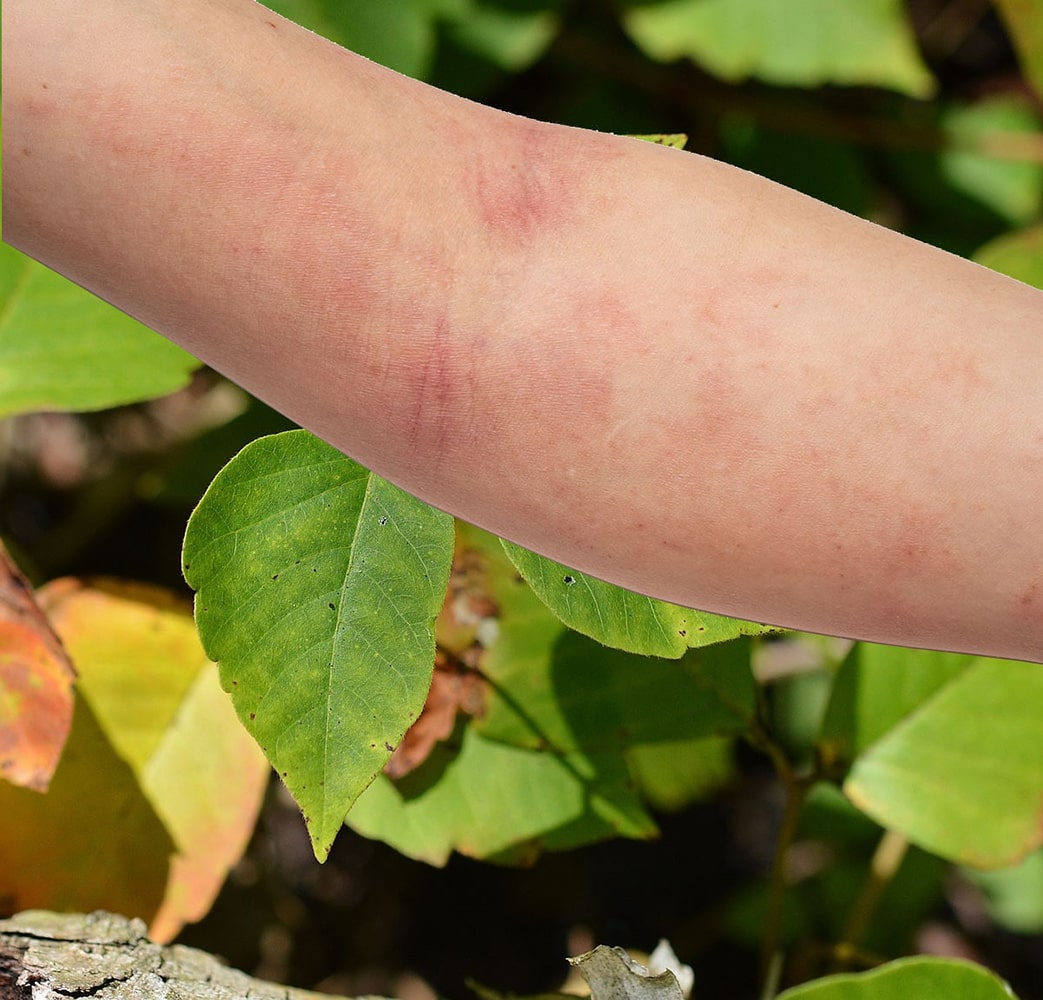
The leaves of this plant are covered in fine hairs that release a toxic substance, which can cause immediate irritation and blistering upon contact. To prevent direct exposure, it is advisable to wear gloves when handling the plant.
In regions free from frost, it can be cultivated outdoors, but it should be shielded from direct sunlight. In areas prone to winter frost, it may be treated as an annual.
This plant is susceptible to the fungal disease botrytis, so ensuring good air circulation around it is crucial for prevention. Additionally, issues like root rot, damping off, and crown rot can lead to wilting and death of the plant, necessitating the disposal of any affected specimens.
The plant produces fruit in the form of capsules.
Beyond its effects on humans, this plant is also toxic to cats, dogs, and horses if ingested, potentially leading to vomiting.
Primula obconica Feature Summary
Primula obconica Image Gallery