Prunus x yedoensis: Country Or Region Of Origin
Japan
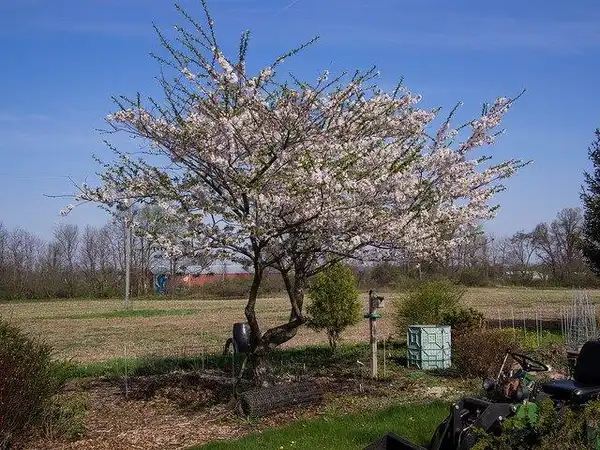
Phonetic Spelling:PROO-nus YED-oh-en-sis
Genus:Prunus
Species:
Family:Rosaceae
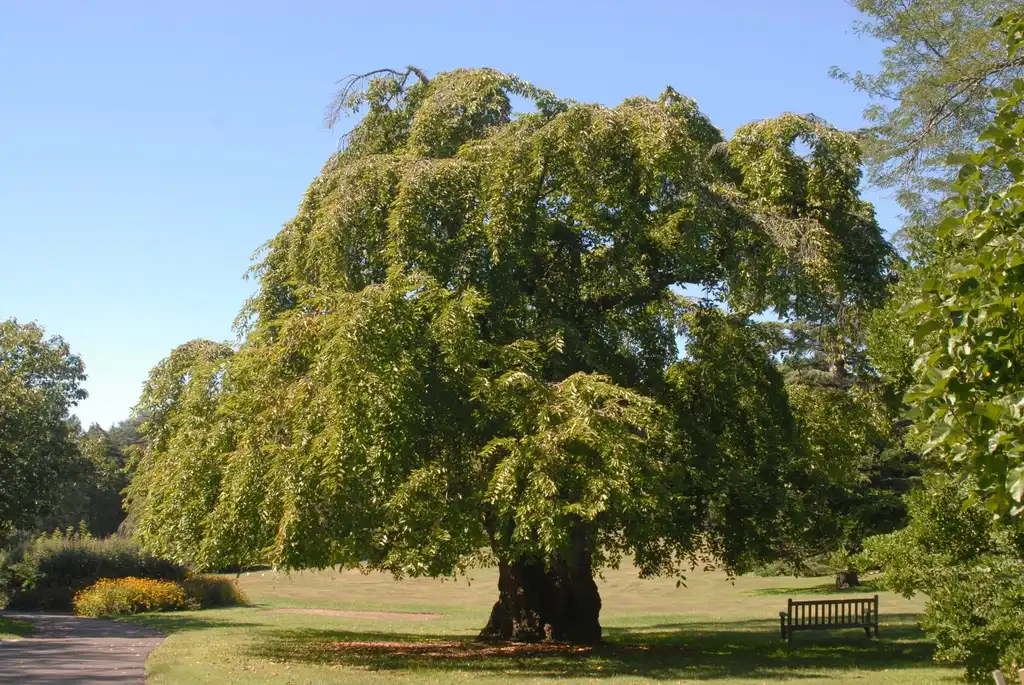
The Yoshino Cherry is a compact, deciduous flowering tree that originates from Japan. Often referred to as Prunus serrulata 'Yedoensis', its exact lineage and origins remain uncertain.
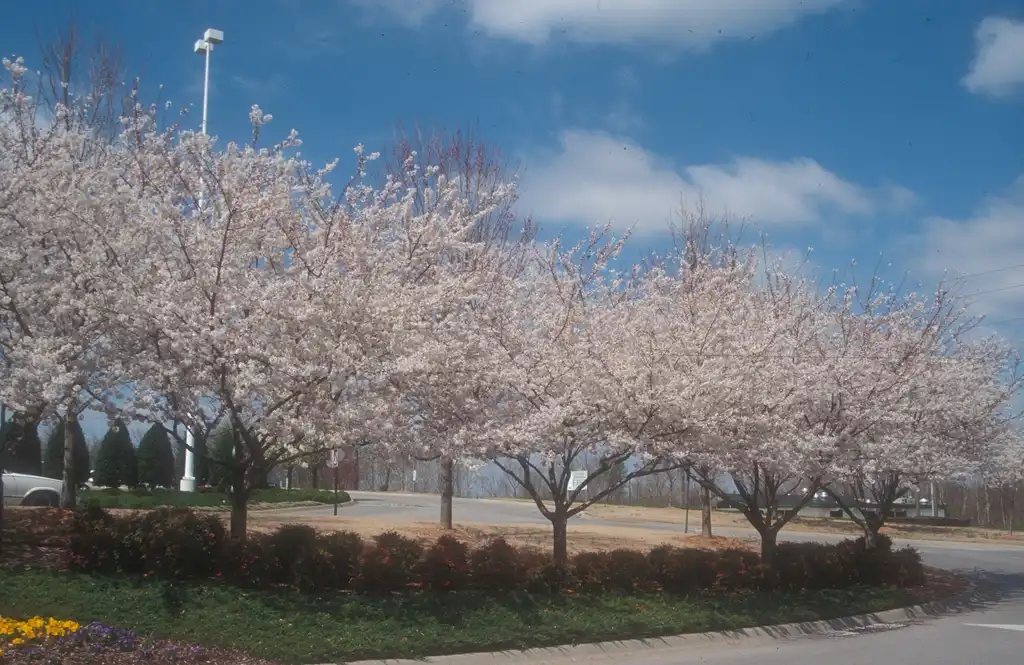
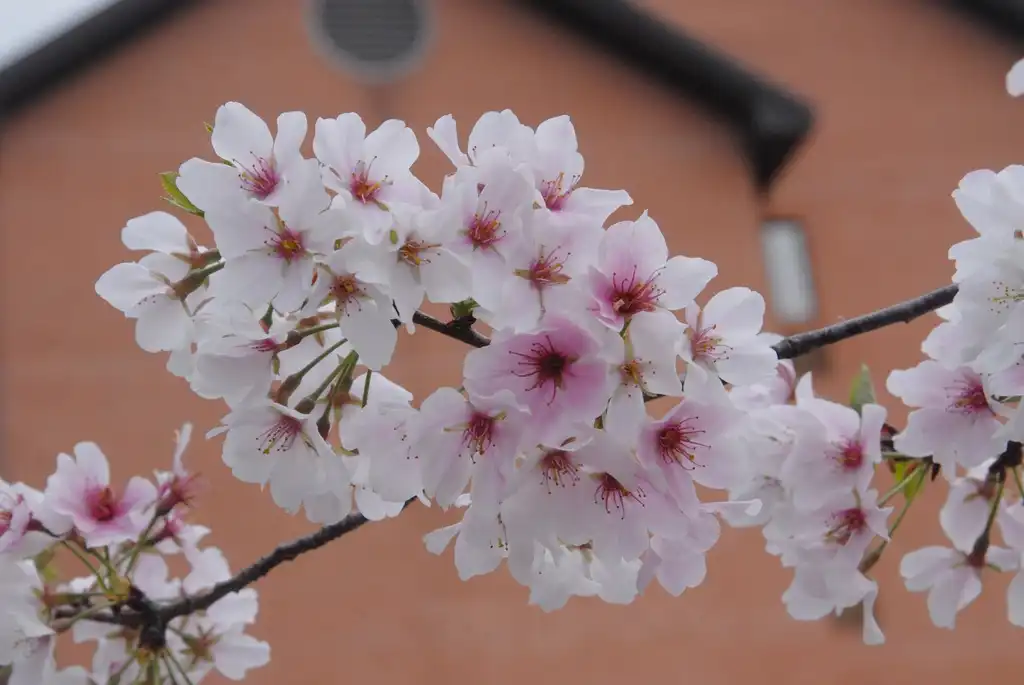
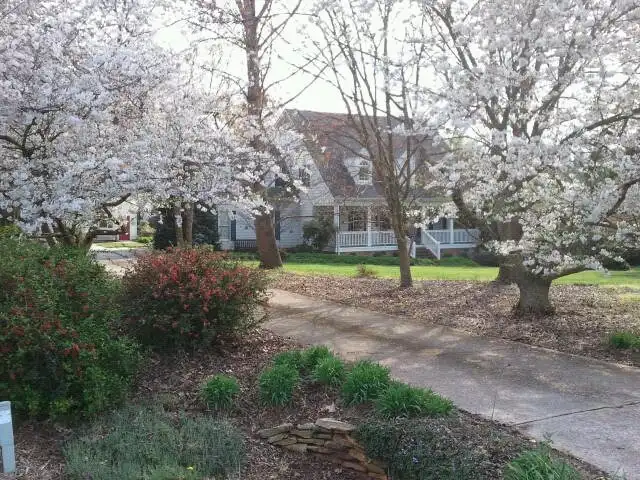
This tree is ideal for urban environments, serving effectively as a street or shade tree due to its modest size. It can be planted as a standalone specimen or in small clusters on lawns or near patios. In the Washington D.C. area, it is the most frequently planted cherry tree, and it particularly stands out when used as a foundation plant alongside red brick walls, creating a striking contrast with its white blossoms.
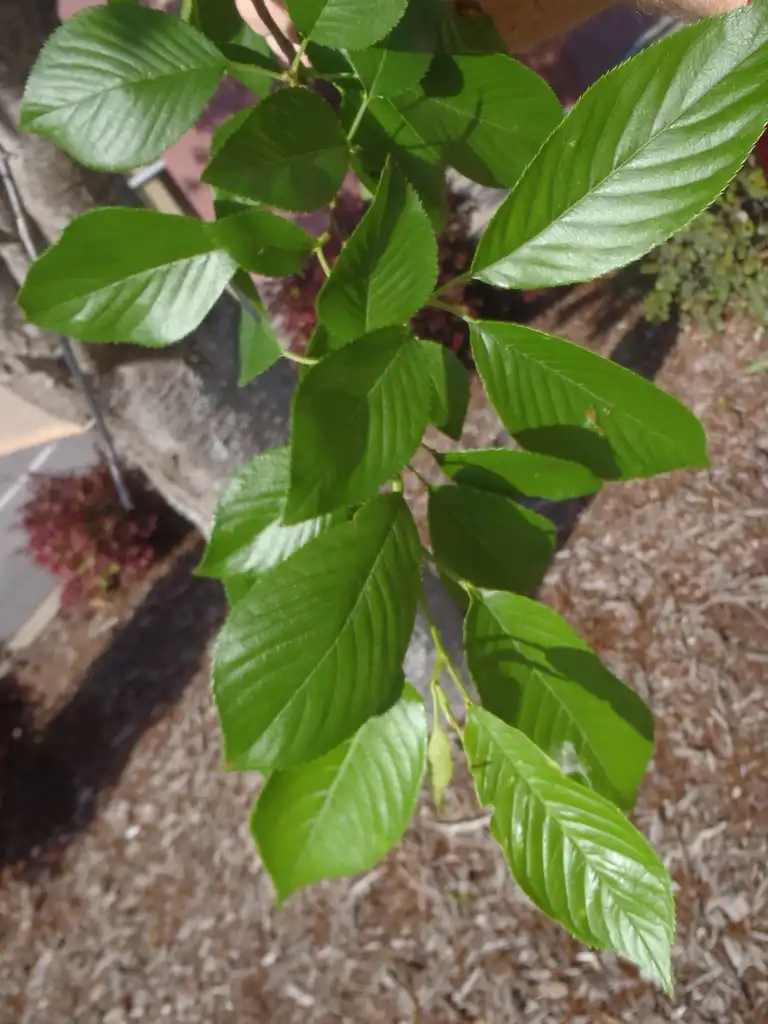
The Yoshino Cherry is sometimes mistaken for the Kwanzan Cherry, which features robust, upward-reaching branches, double pink flowers, and wart-like glands that are typically detached from the leaf blade about 80% to 90% of the time, along with a noticeable slender stalked gland on the leaf margins. In contrast, the Yoshino Cherry has a wider canopy, with 70% to 80% of its glands in contact with the blade.
**Seasons of Interest:**
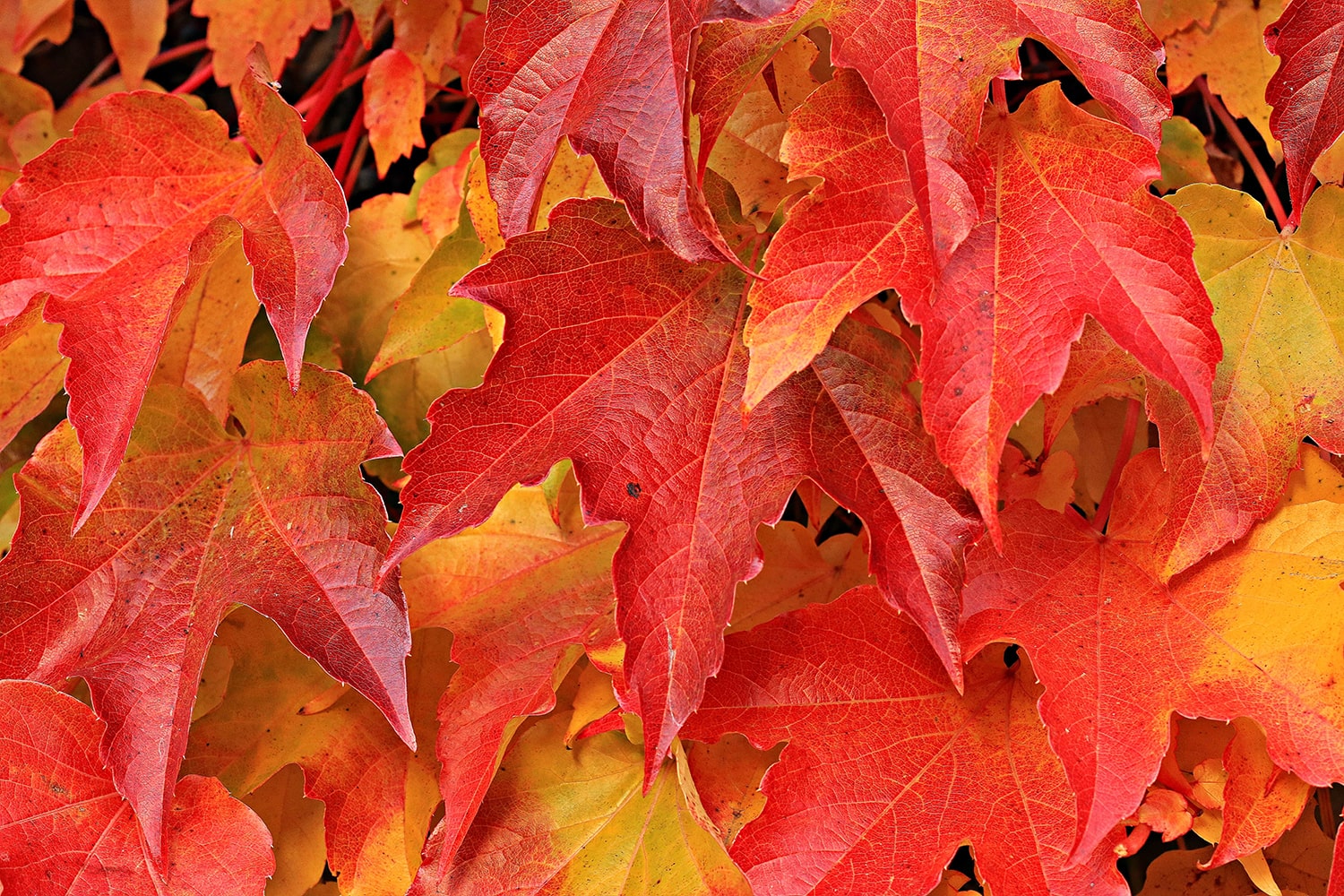
- **Foliage:** Fall, yellow
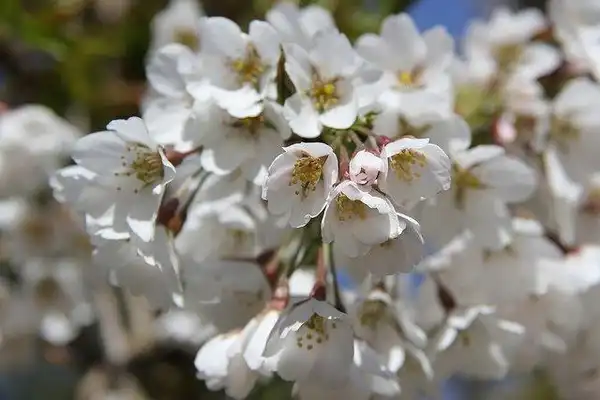
- **Bloom:** Early spring, March-April
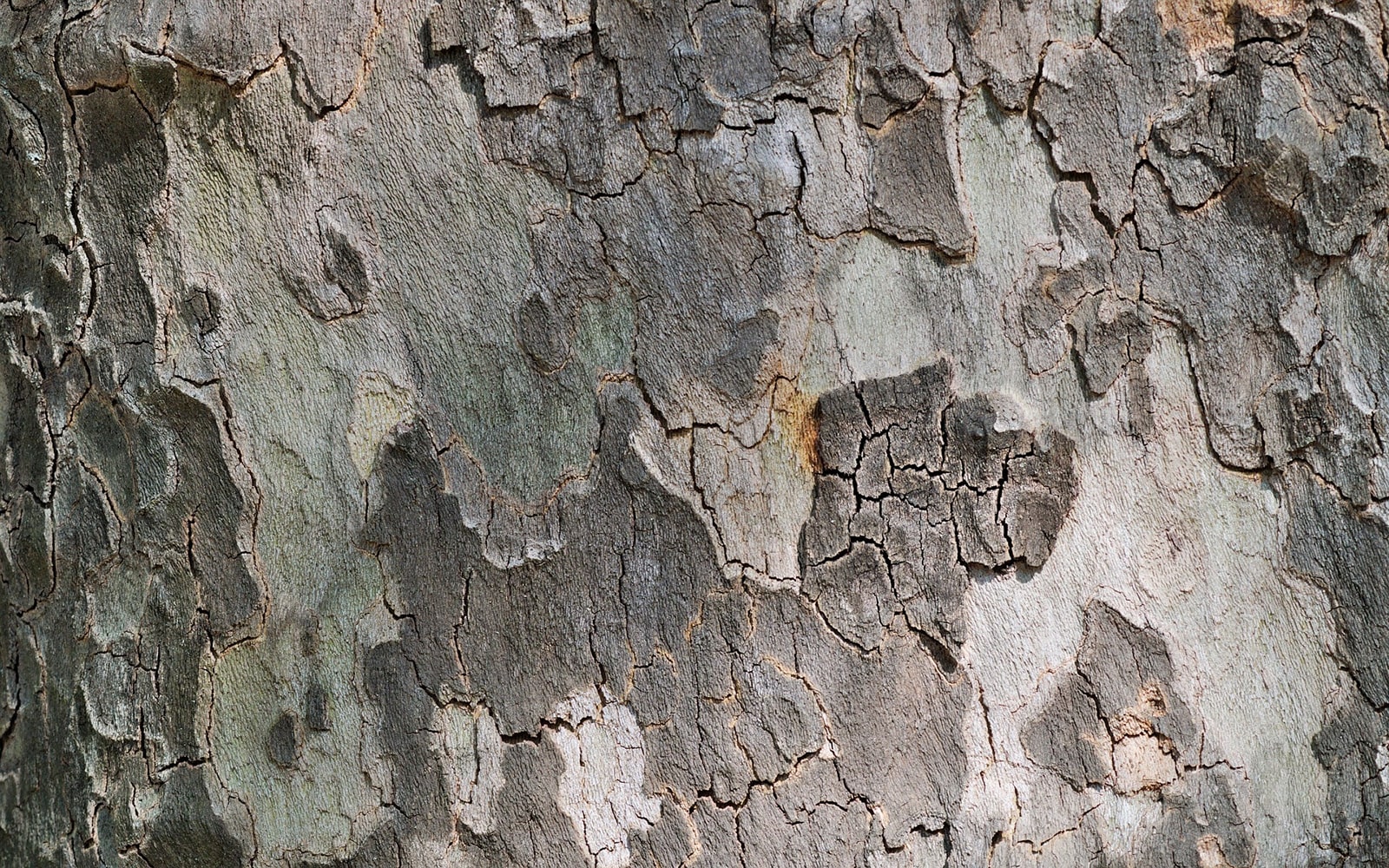
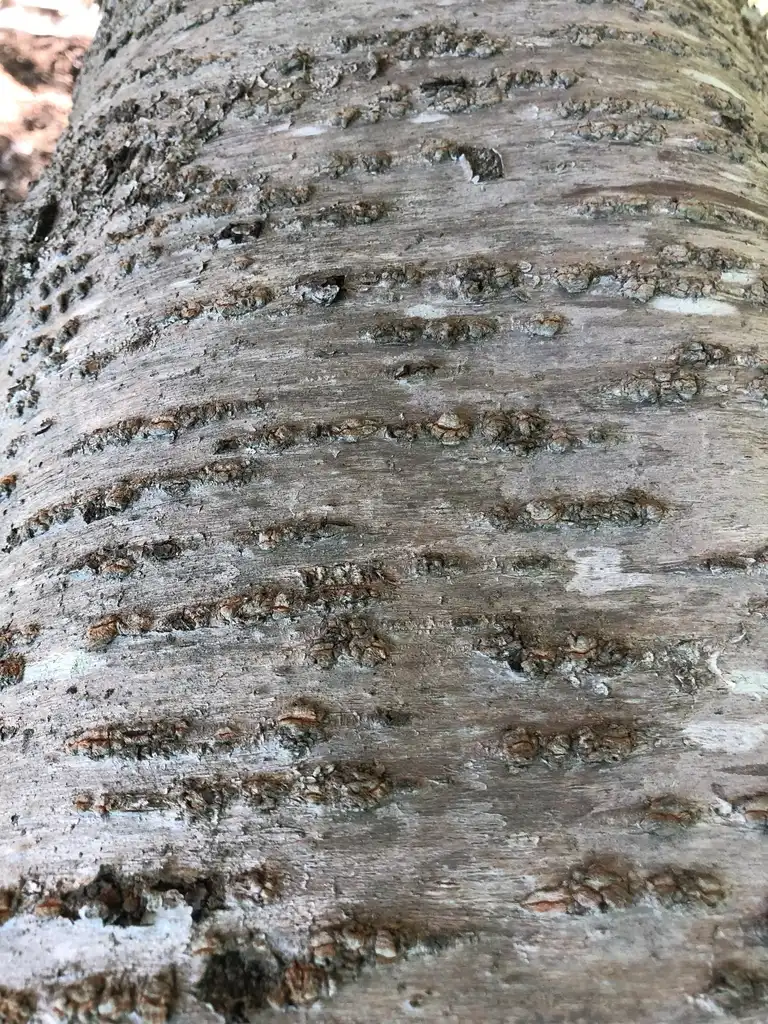
- **Bark:** Winter
**Insects, Diseases, and Other Plant Issues:** This tree is prone to various viral and fungal diseases, as well as infestations from borers and scale insects. Additionally, it often suffers damage from deer.
**Quick Identification Tips:**
Prunus x yedoensis Feature Summary
Prunus x yedoensis Image Gallery