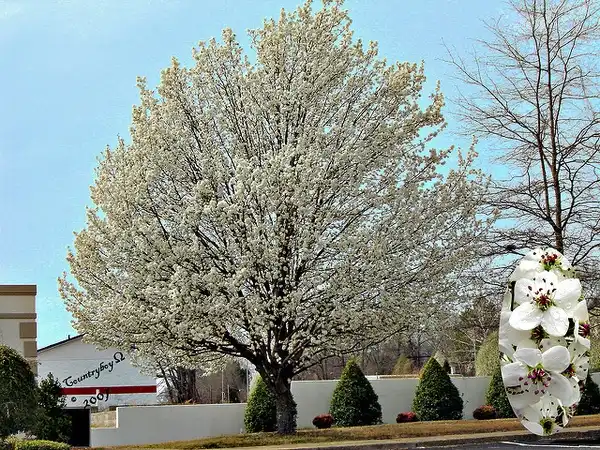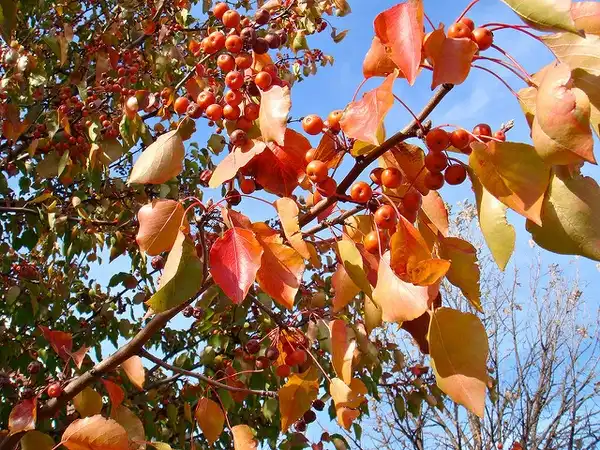
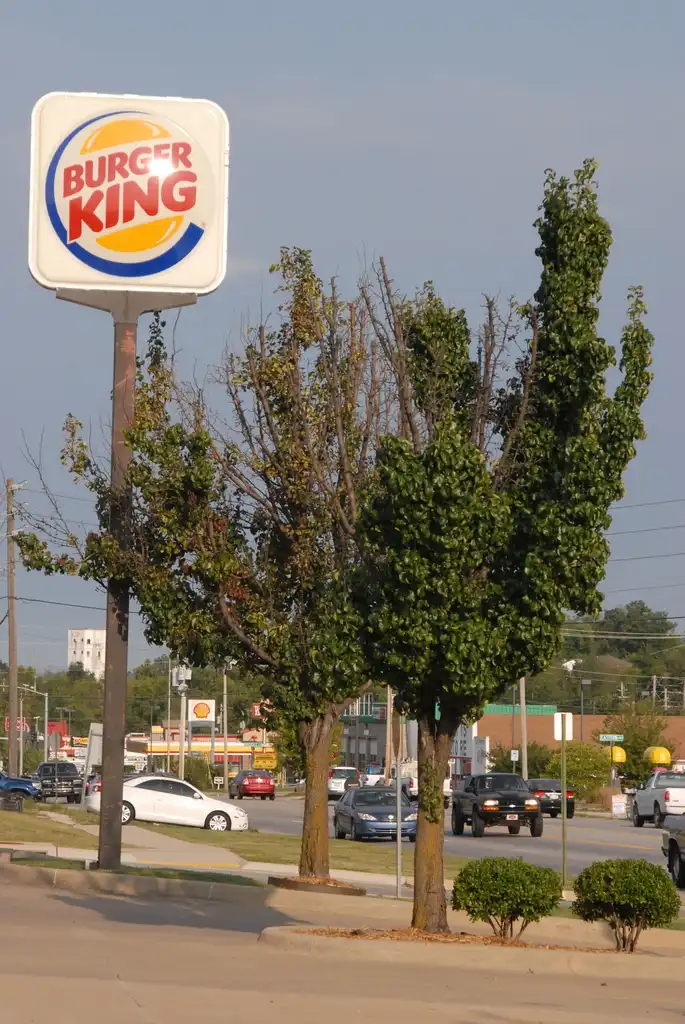
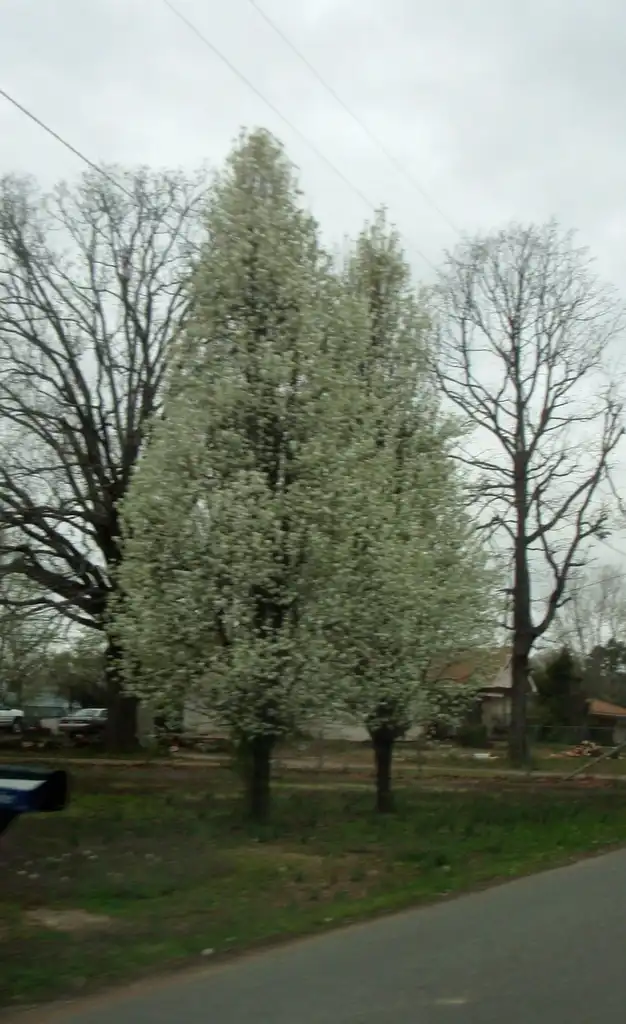
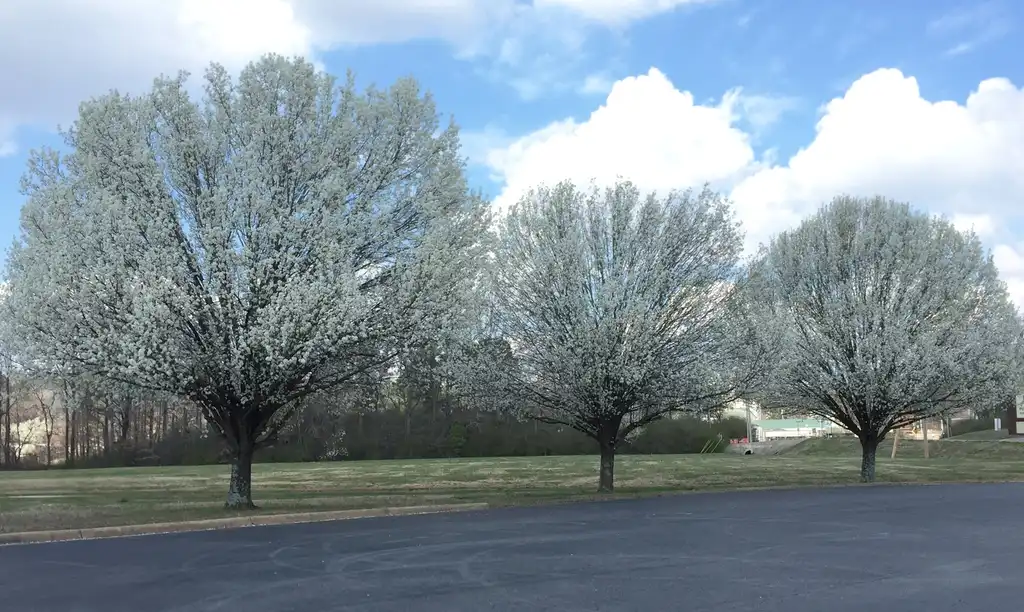
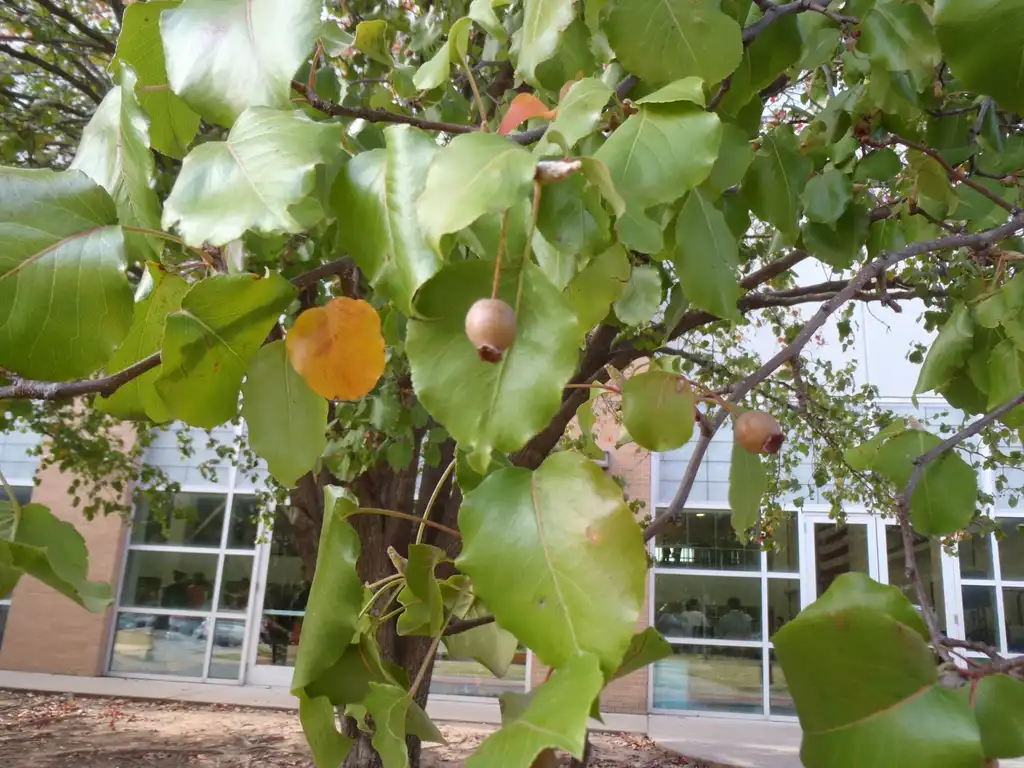
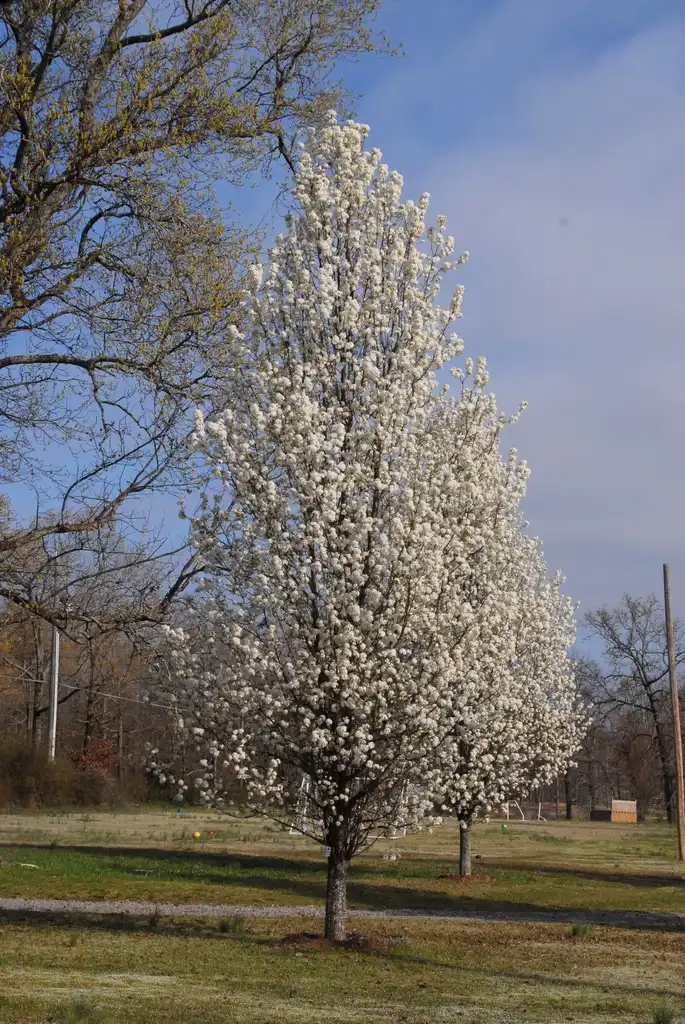
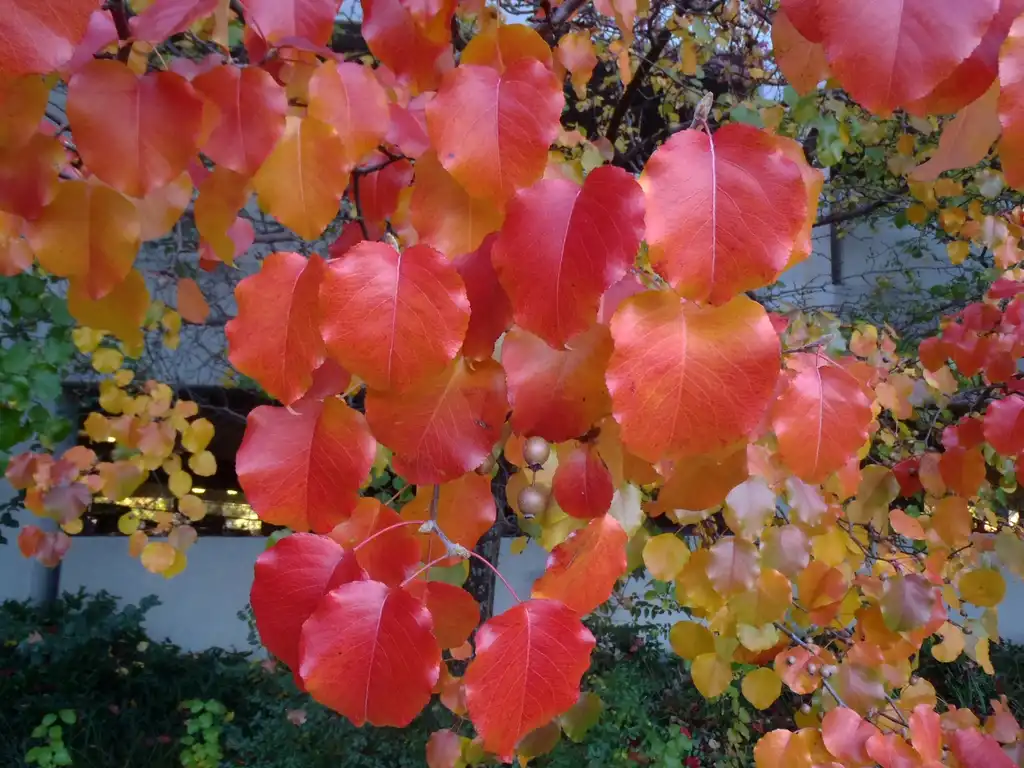
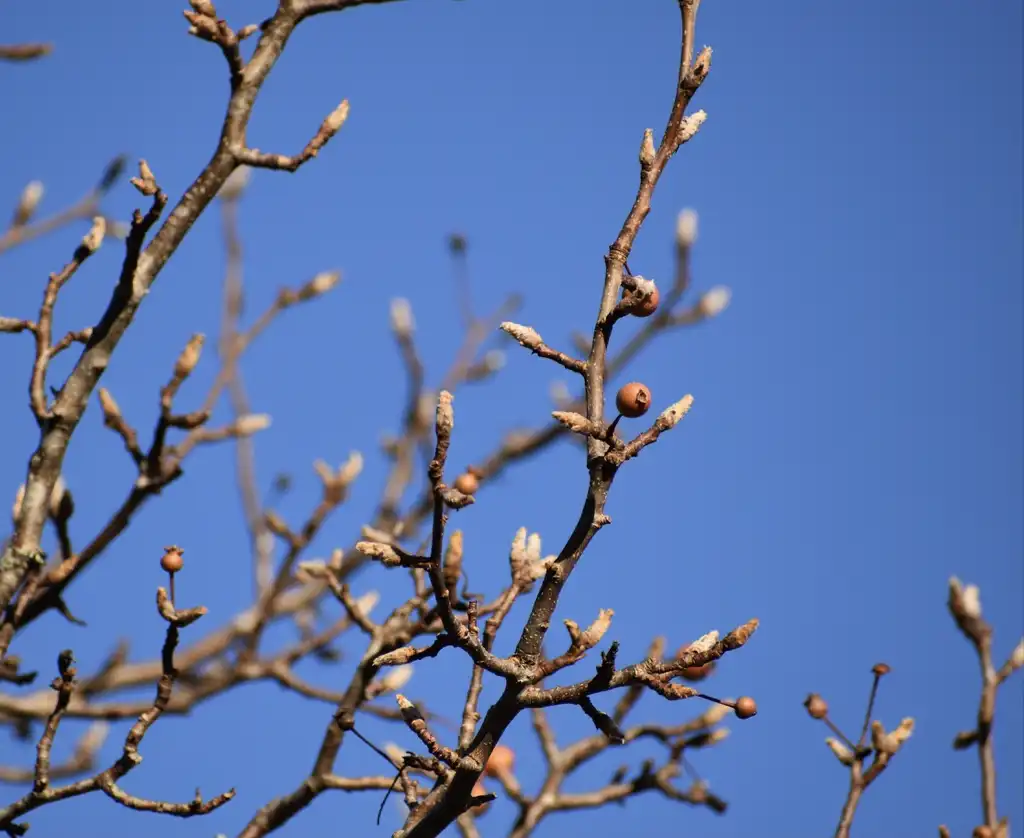
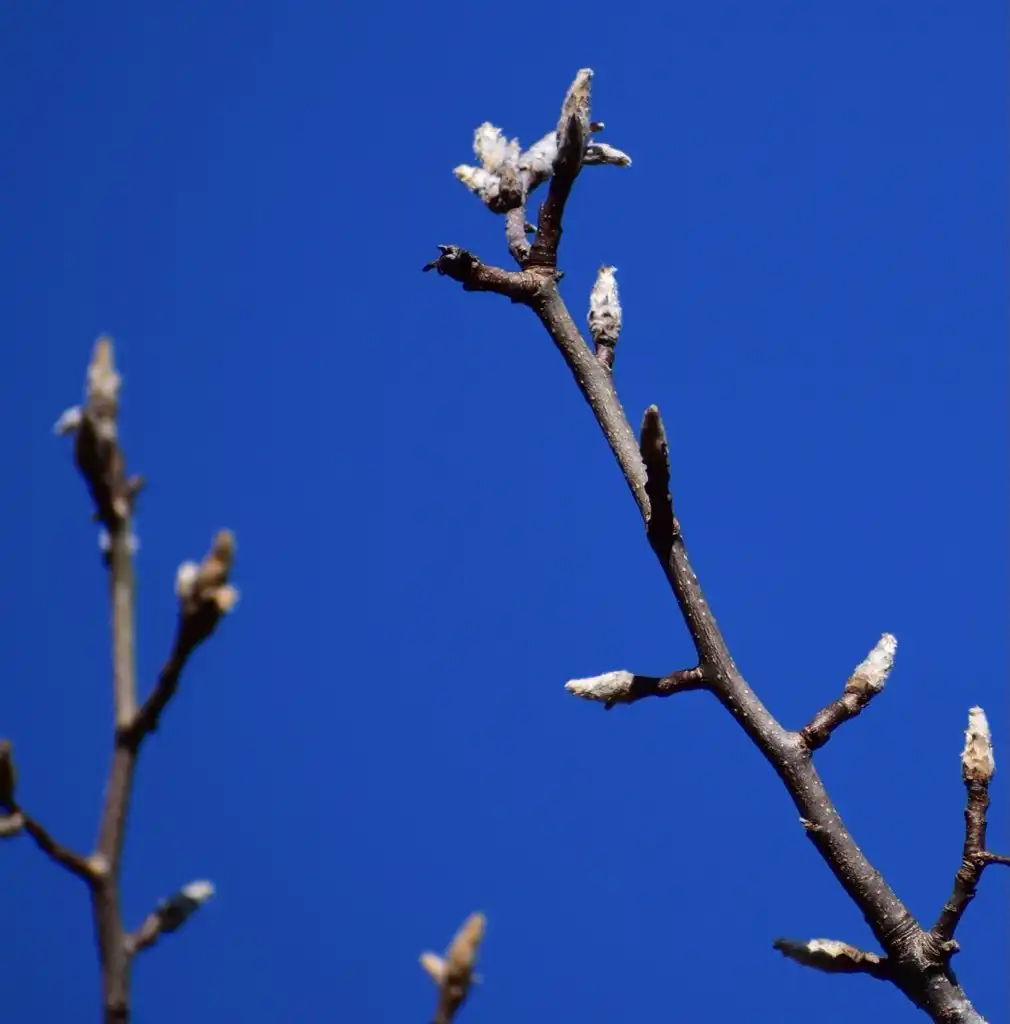
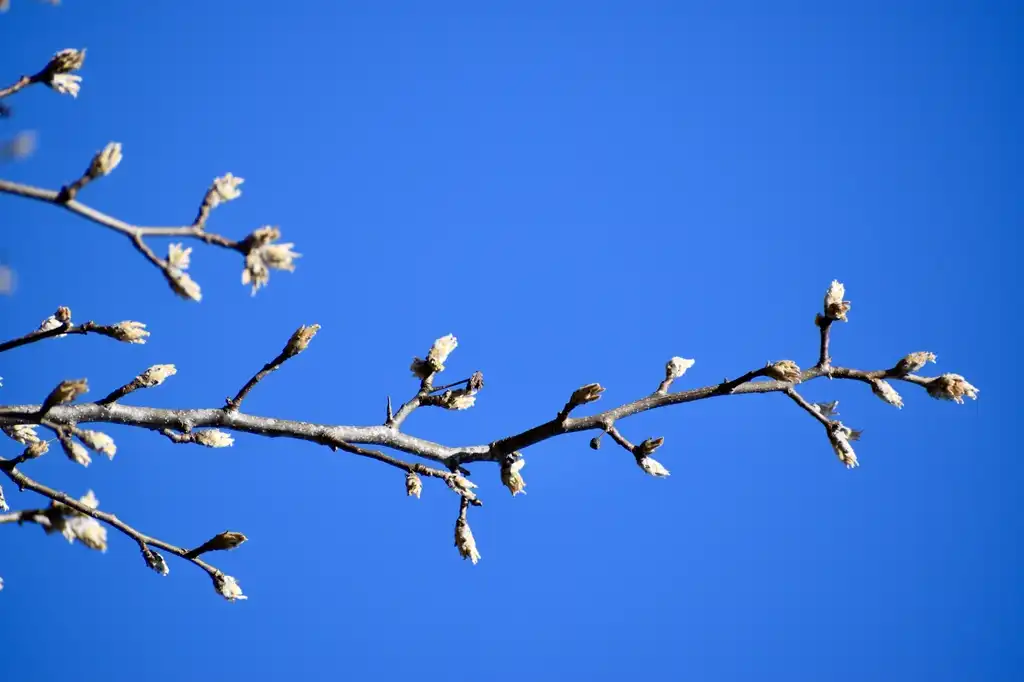
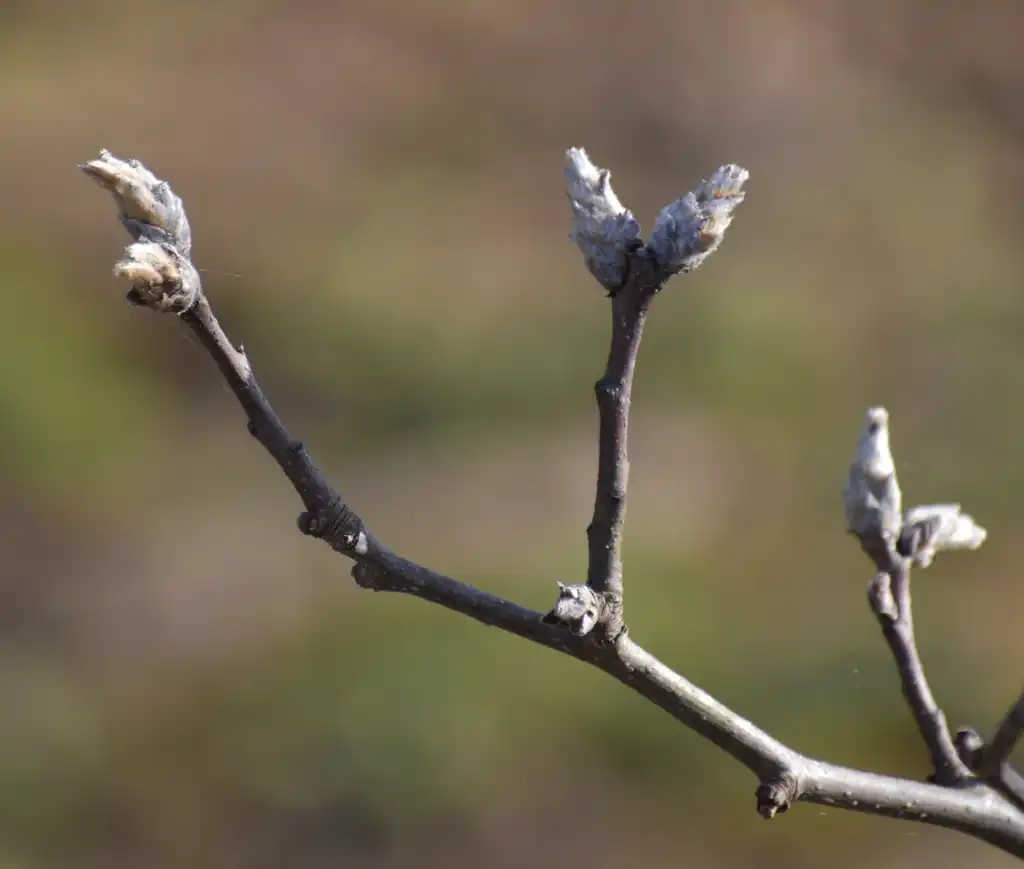
• Photo of Pyrus calleryana (Pyrus calleryanas)

Plant Profile: Pyrus calleryana

Taxonomy: Pyrus calleryana

Names

Bradford Pear, Callery 'Bradford' Pear, Callery Pear

  • Photo of Pyrus calleryana (Pyrus calleryanas)

Phonetic Spelling:PY-russ kal-lee-ree-AH-nah

Genus:Pyrus

Species:calleryana

Family:Rosaceae

This tree poses several issues, and it would be wise to explore alternative options. Please refer to the recommendations listed in the left-hand column.

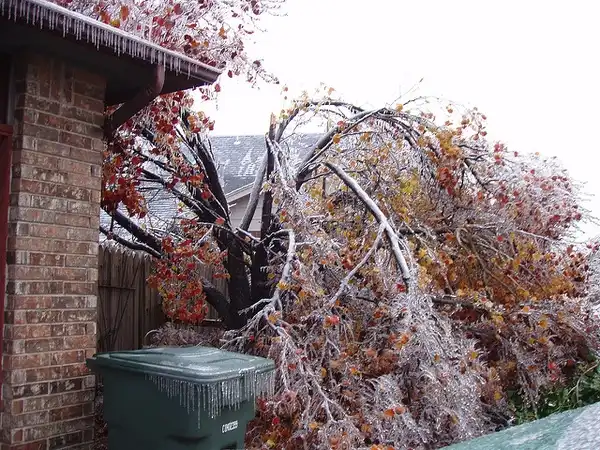
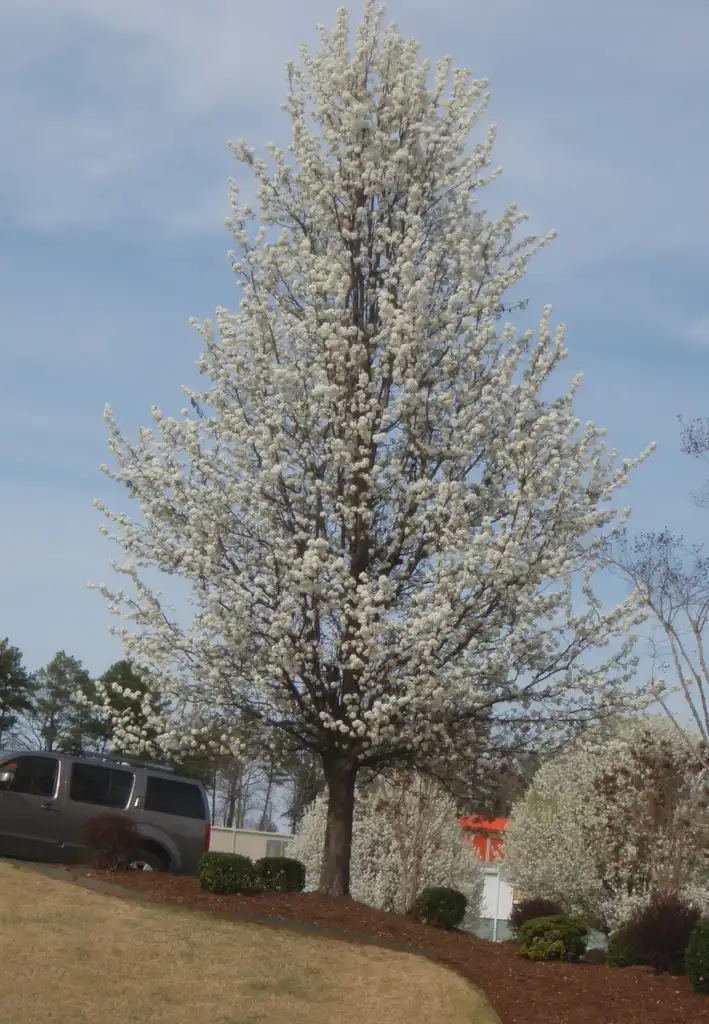
The Bradford Pear is a robust, broadly pyramidal deciduous tree that can reach heights of up to 43 feet. It is a popular choice in landscaping due to its fast growth and ability to thrive in various urban environments, including conditions of drought, air pollution, and heat. While it adapts well to different soil types, it thrives best in full sunlight for optimal blooming, although it can tolerate partial shade. Furthermore, it is easy to transplant and is among the first trees to produce an abundance of white flowers in the spring, creating a stunning display. However, its branches grow at steep angles with weak junctions that are prone to breaking under stress from age, wind, or ice, resulting in a lifespan of only 10 to 20 years. Additionally, it is classified as an invasive species in the southeastern United States. In the fall, the tree showcases vibrant foliage, but it is also one of the earliest trees to leaf out. Its fruit is inconspicuous and hidden by the leaves.

The flowers emit a scent reminiscent of decaying flesh, which often causes people nearby to wrinkle their noses, pinch them shut, and look around in confusion. This tree is typically used as a temporary specimen in residential areas, commercial properties, school grounds, and shopping malls. In mall parking lots, customers have been seen reacting to the unpleasant odor by returning to their cars and leaving.

The 'Bradford' cultivar features branches that grow upward and is narrower than other varieties of Callery pear. It tends to form tight crotches that are susceptible to splitting during heavy winds and rain. The leaves are nearly round, with a length-to-width ratio close to 1, while typical Callery pears have more spreading branches and leaves with ratios approaching 2. Although 'Bradford' is generally considered resistant to pests and diseases, the species itself is highly vulnerable to fire blight. A study conducted at NC State University involved inoculating six 'Bradford' trees with the fire blight pathogen, and all developed the disease. However, it was later determined that these trees had been misidentified as 'Bradford' cultivars when they were actually Callery pears.

In terms of pests, diseases, and other issues, limb breakage is frequent due to poor branch angles, and this tree is known for its short lifespan. It is considered a weedy and invasive species that can transmit fire blight to other Rosaceous plants, so it may be prudent to select a different tree for planting.

Quick Identification Tips:

Pyrus calleryana Feature Summary

Pyrus calleryana Image Gallery

Tags

#showy flowers
#deciduous
#fall color
#invasive
#heat tolerant
#drought tolerant
#pyramidal
#weedy
#flowering tree
#air pollution tolerant
#deer resistant
#weak wood
#fantz
#problem tree
#short lifespan
#poor soils tolerant
#malodorus

Similar Plants

Pyrus calleryana is often confused with:

Pyrus calleryana Feature Summary

Attributes
This tree is mildly resistant to damage by deer.
Fruit
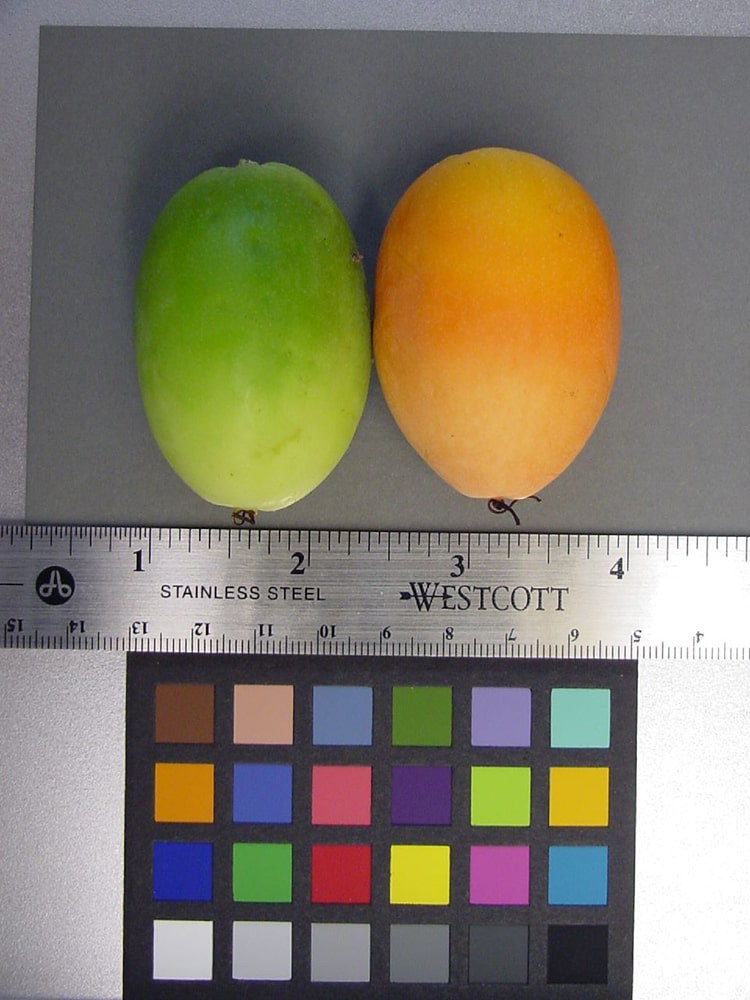
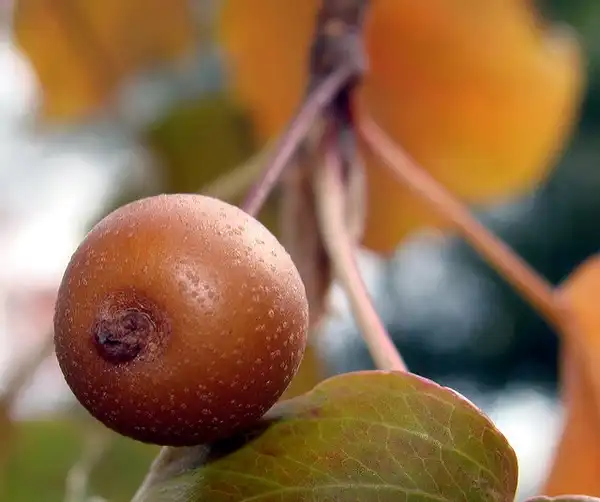
Small, inedible russet colored orbicular pomes (1/2" in diameter) which are of little practical value or ornamental use and have a brown pit.
Brown/Copper
< 1 inch
Flowers
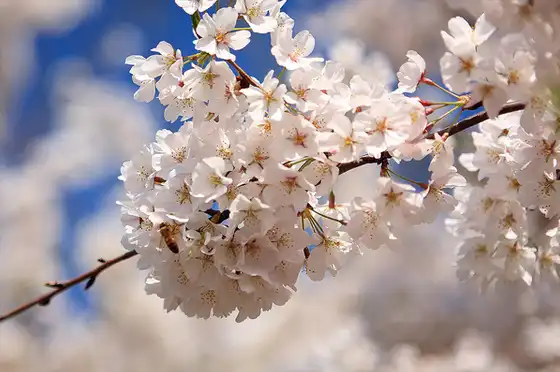
Flowers have 5 petals, are white, showy, foetid, and less than an inch in size. Inflorescence is corymbose, 2", and borne on spurs.
4-5 petals/rays
< 1 inch
Leaves
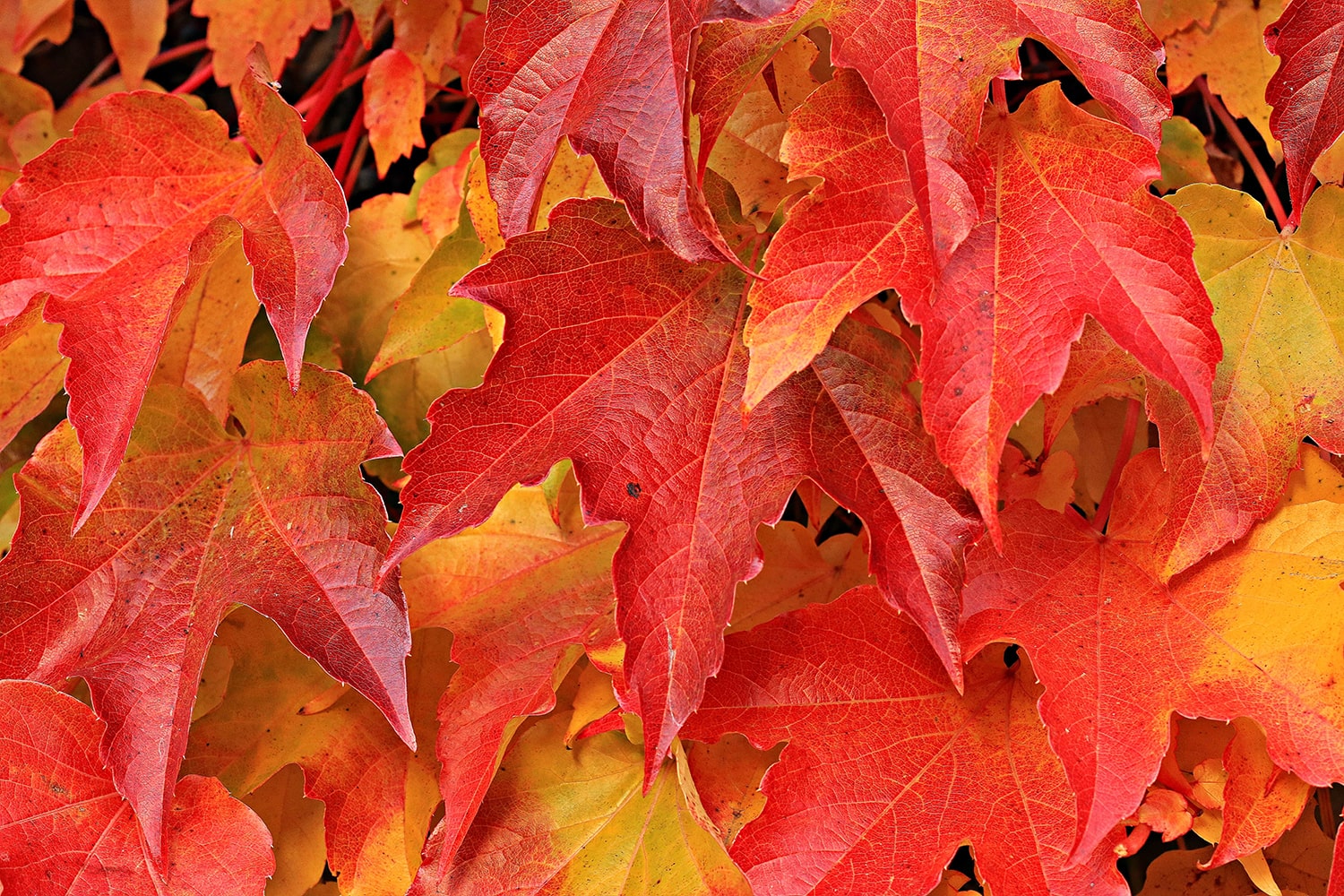
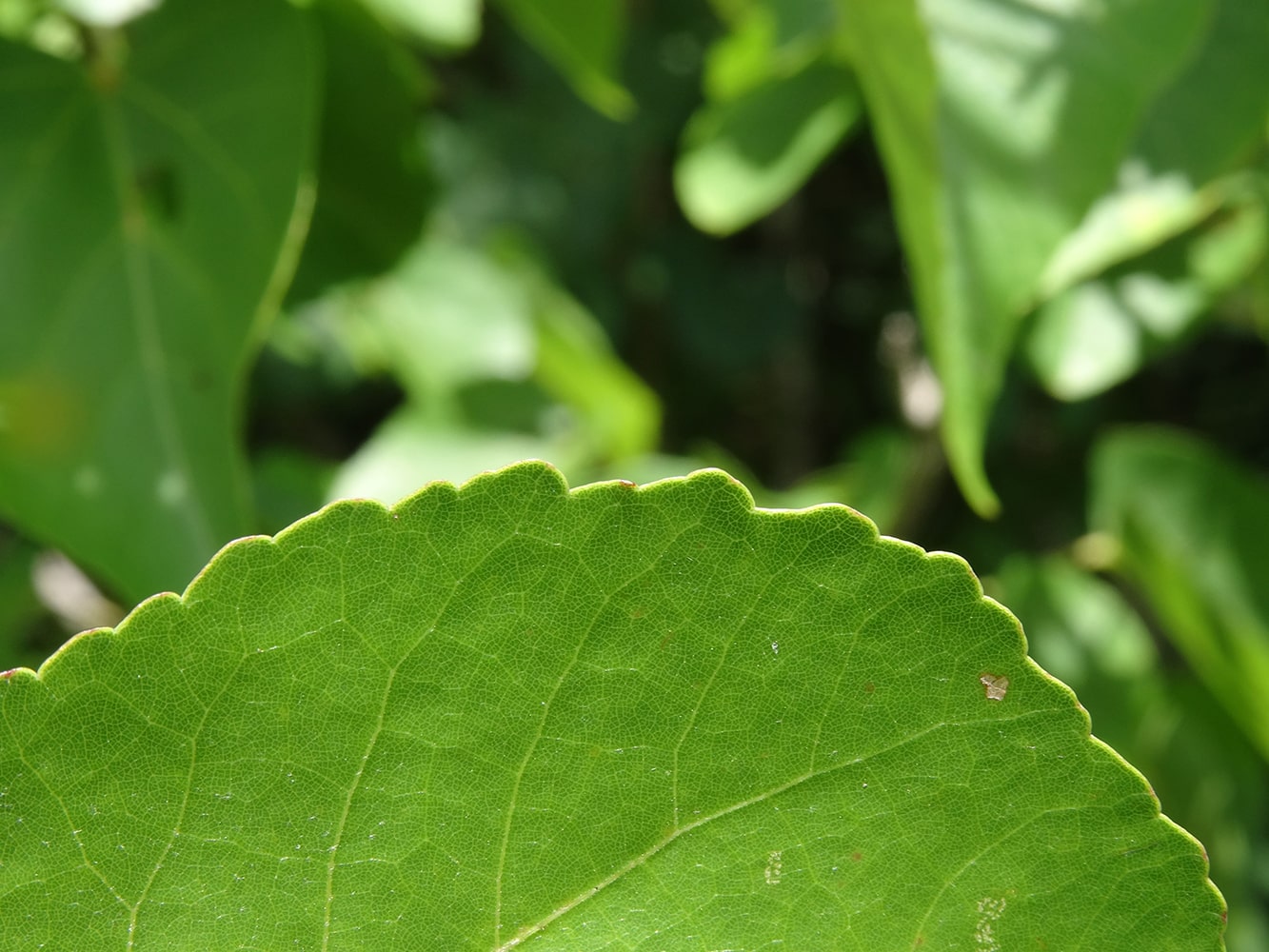
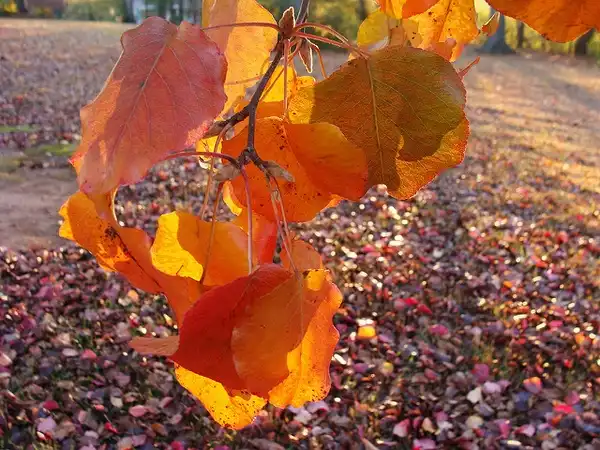
Leaves are alternate, simple, ovate, acuminate, glossy, rotund to broad cuneate or subcordate or truncate, crenate, dark green and glabrous, and coriaceous. Leaves have a red to maroon fall coloration. The crenate margins are rounded to an acute base.
Green
Red/Burgundy
Gold/Yellow
Orange
Red/Burgundy
1-3 inches
1-3 inches
Bark
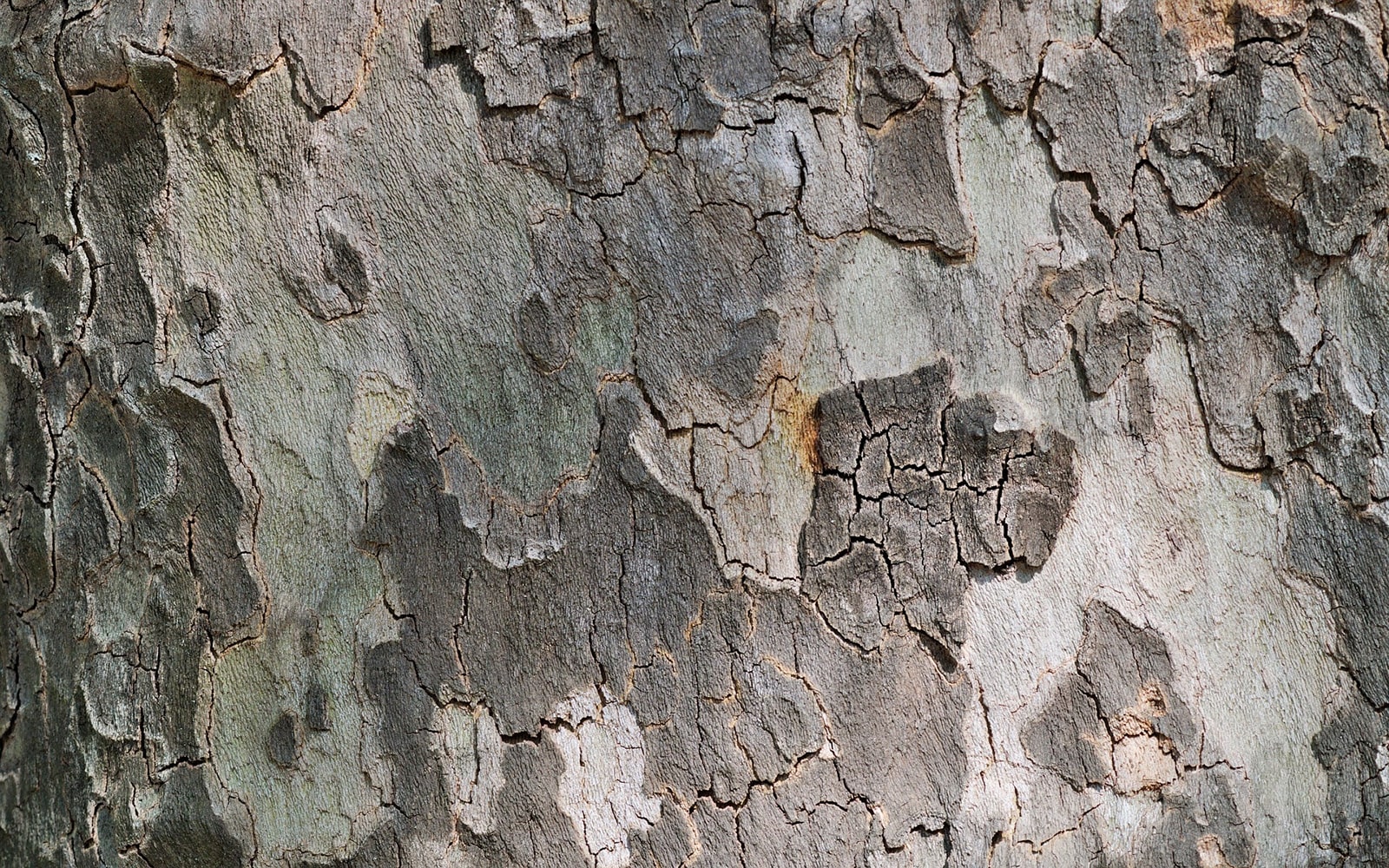
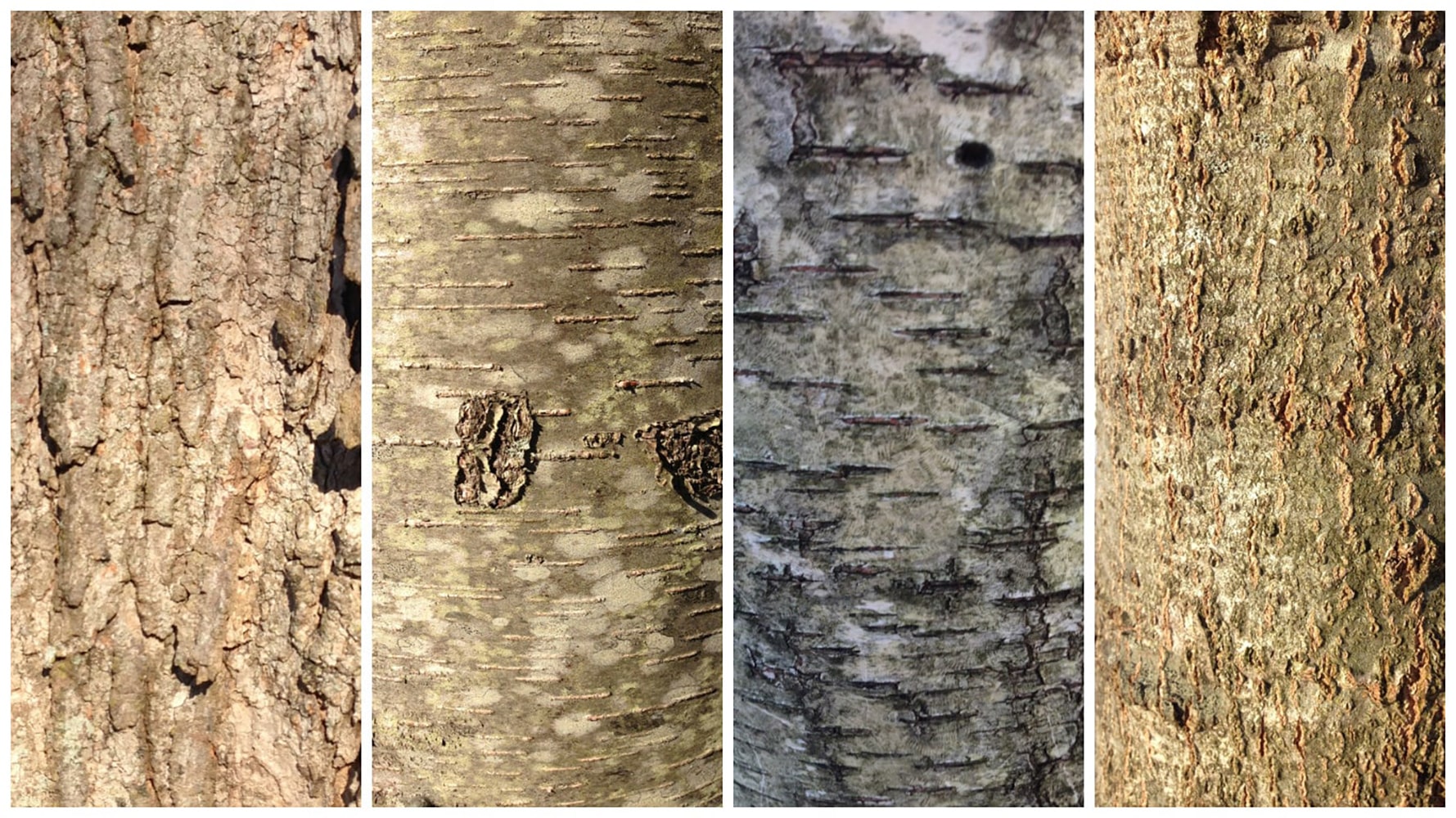
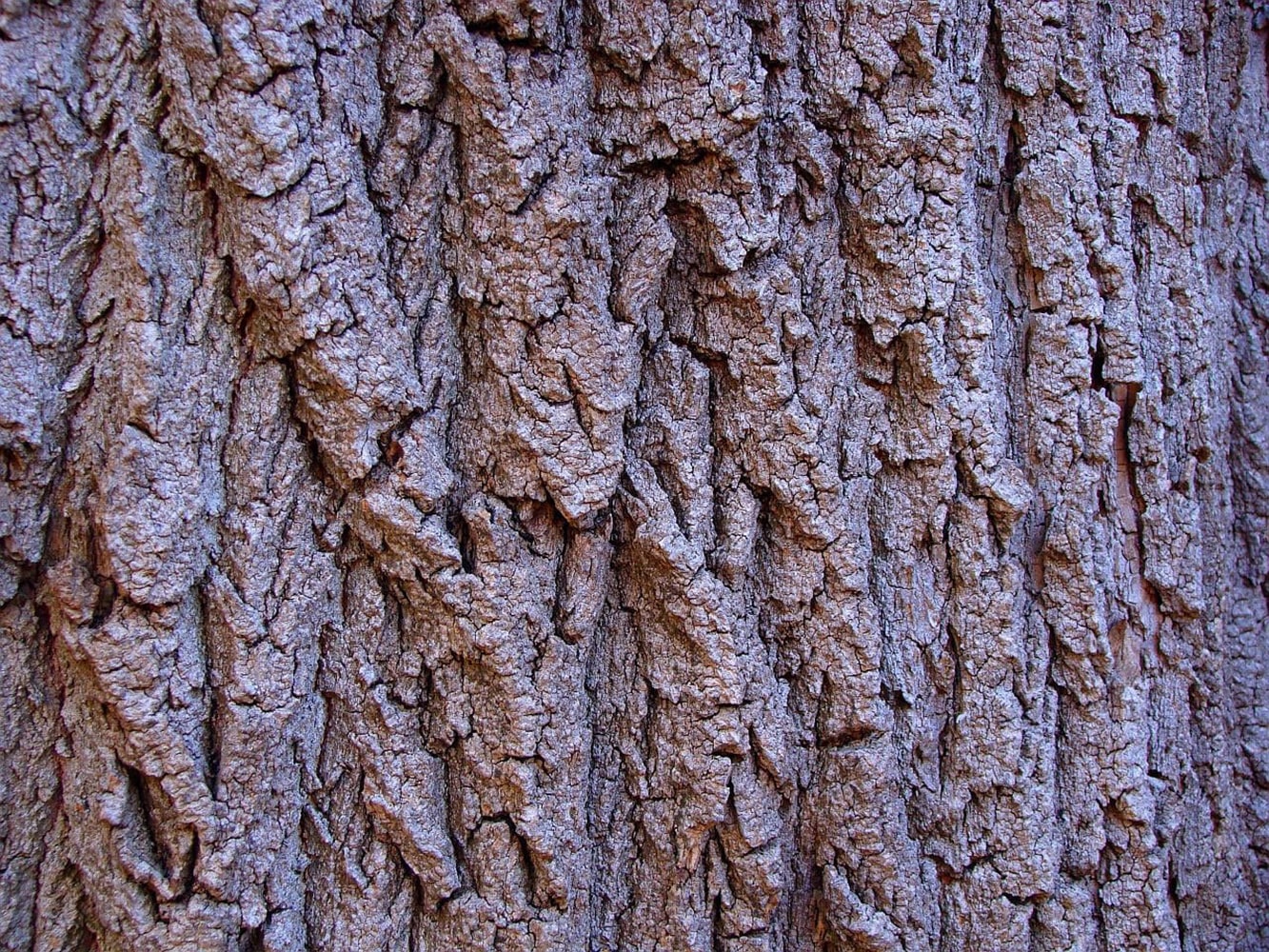
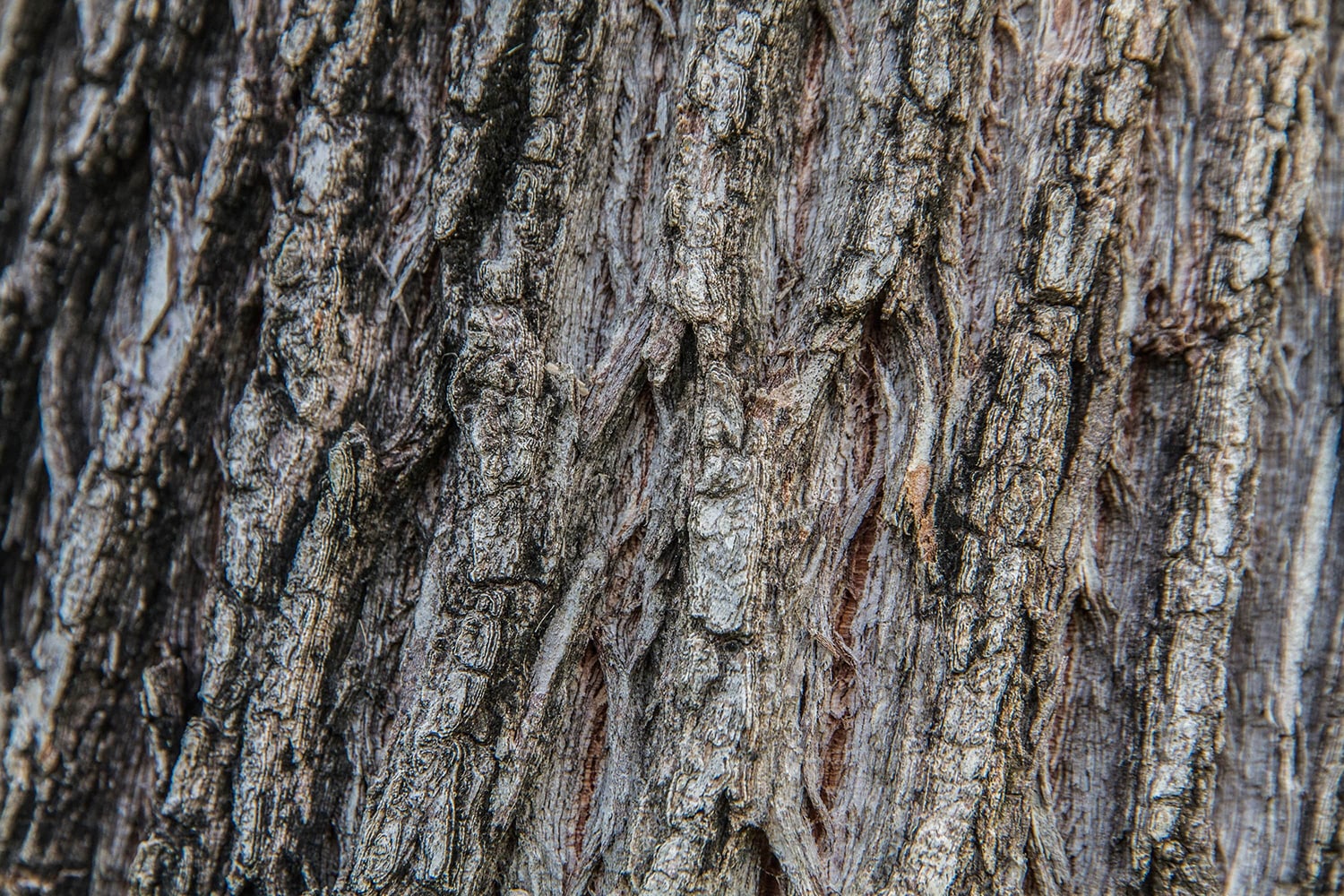
Ridged and furrowed becoming blocky with age often has tight croches that cause problems.
Dark Gray
Stem
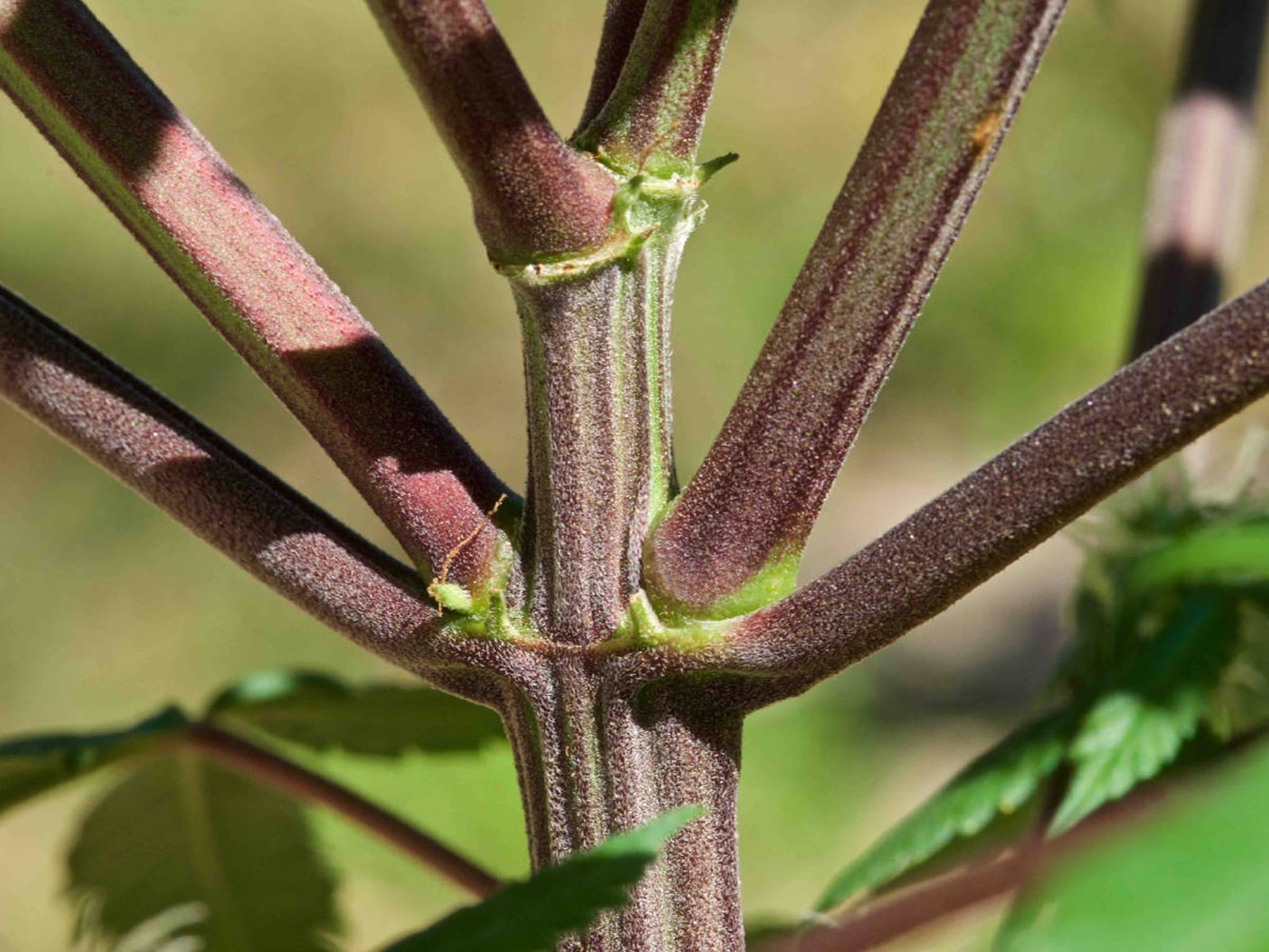
Flowers buds are large, ovoid, elongate, bluntly acute, have wooly grayish-brown scales, are terminal, and hairy. Twigs are stout, initially white pubescent and mature to a smooth, shiny brown.
Hairy (pubescent)
Whole Plant Traits
Cultural Conditions
Full sun (6 or more hours of direct sunlight a day)
Partial Shade (Direct sunlight only part of the day, 2-6 hours)
5b
5a
6a
6b
7a
7b
8b
8a
9a
9b
Landscape
Shade Tree
Flowering Tree
Street Tree
Drought
Deer
Heat
Pollution
Urban Conditions
Compaction
Poor Soil
Weedy
Invasive Species
Short-lived
Malodorous

Pyrus calleryana Attributes

Pyrus calleryana: Country Or Region Of Origin

China and Taiwan
Pyrus calleryana: Particularly Resistant To (Insects/Diseases/Other Problems)

This tree is mildly resistant to damage by deer.

Pyrus calleryana: Life Cycle

Annual
Biennial
Bulb
Perennial
Woody

Pyrus calleryana Fruit

Pyrus calleryana: Fruit Description

Small, inedible russet colored orbicular pomes (1/2" in diameter) which are of little practical value or ornamental use and have a brown pit.

Pyrus calleryana: Fruit Type

Achene
Aggregate
Berry
Capsule
Caryopsis
Drupe
Follicle
Legume
Nut
Pome
Samara
Schizocarp
Siliqua

Pyrus calleryana: Fruit Color

grass
Brown/Copper

Pyrus calleryana: Display/Harvest Time

Fall
Spring
Summer
Winter

Pyrus calleryana: Fruit Length

< 1 inch
1-3 inches
> 3 inches

Pyrus calleryana: Fruit Width

< 1 inch
1-3 inches
> 3 inches

Pyrus calleryana Flowers

Pyrus calleryana: Flower Description

Flowers have 5 petals, are white, showy, foetid, and less than an inch in size. Inflorescence is corymbose, 2", and borne on spurs.

Pyrus calleryana: Flower Color

filter_vintage
White

Pyrus calleryana: Flower Inflorescence

Catkin
Corymb
Cyme
Head
Insignificant
Panicle
Raceme
Solitary
Spadix
Spike
Umbel

Pyrus calleryana: Flower Value To Gardener

Edible
Fragrant
Good Cut
Good Dried
Long Bloom Season
Long-lasting
Showy

Pyrus calleryana: Flower Bloom Time

Winter
Spring
Summer
Fall

Pyrus calleryana: Flower Petals

2-3 rays/petals
4-5 petals/rays
6 petals/rays
7 - 20 petals/rays
asymmetrical petals
Bracts
Colored Sepals
fused petals
more than 20 petals/rays
Tepals

Pyrus calleryana: Flower Shape

Bell
Cross
Crown
Cup
Dome
Funnel
Irregular
Lipped
Radial
Saucer
Star
Trumpet
Tubular
Urn
Wheel

Pyrus calleryana: Flower Size

1-3 inches
3-6 inches
< 1 inch
> 6 inches

Pyrus calleryana Leaves

Pyrus calleryana: Leaf Description

Leaves are alternate, simple, ovate, acuminate, glossy, rotund to broad cuneate or subcordate or truncate, crenate, dark green and glabrous, and coriaceous. Leaves have a red to maroon fall coloration. The crenate margins are rounded to an acute base.

Pyrus calleryana: Woody Plant Leaf Characteristics

Broadleaf Evergreen
Deciduous
Needled Evergreen
Semi-evergreen

Pyrus calleryana: Leaf Color

spa
Green
spa
Red/Burgundy

Pyrus calleryana: Deciduous Leaf Fall Color

spa
Gold/Yellow
spa
Orange
spa
Red/Burgundy

Pyrus calleryana: Leaf Type

Compound (Pinnately , Bipinnately, Palmately)
Fronds
Needles
Sheath
Simple

Pyrus calleryana: Leaf Arrangement

Alternate
Opposite
Other/more complex
Rosulate
Whorled

Pyrus calleryana: Leaf Shape

Acicular
Auriculate
Cordate
Cuneate
Deltoid
Elliptical
Filiform
Lanceolate
Linear
Oblanceolate
Oblong
Obovate
Obtuse
Orbicular
Ovate
Palmasect
Palmatifid
Peltate
Pinnatifid
Pinnatisect
Reniform
Rhomboidal
Spatulate
Subcordate
Subulate

Pyrus calleryana: Leaf Margin

Crenate
Crenulate
Dentate
Denticulate
Doubly Crenate
Doubly Dentate
Doubly Serrate
Entire
Lobed
Serrate
Sinuate
Undulate

Pyrus calleryana: Hairs Present

No
Yes

Pyrus calleryana: Leaf Length

< 1 inch
1-3 inches
3-6 inches
> 6 inches

Pyrus calleryana: Leaf Feel

Fleshy
Glossy
Leathery

Papery

Prickly

Rough
Rubbery
Slippery
Smooth
Soft
Velvety
Waxy

Pyrus calleryana: Leaf Width

< 1 inch
1-3 inches
3-6 inches
> 6 inches

Pyrus calleryana Bark

Pyrus calleryana: Bark Description

Ridged and furrowed becoming blocky with age often has tight croches that cause problems.

Pyrus calleryana: Bark Color

grass
Dark Gray

Pyrus calleryana: Surface/Attachment

Bumpy
Exfoliating
Fissured
Furrowed
Lenticels
Papery
Patchy
Peeling
Ridges
Scaly
Shaggy
Shiny
Shredding
Smooth
Spongy

Pyrus calleryana Stem

Pyrus calleryana: Stem Description

Flowers buds are large, ovoid, elongate, bluntly acute, have wooly grayish-brown scales, are terminal, and hairy. Twigs are stout, initially white pubescent and mature to a smooth, shiny brown.

Pyrus calleryana: Stem Is Aromatic

No
Yes

Pyrus calleryana: Stem Surface

Corky Ridges
Covered with a powdery bloom (glaucous)
Dull
Hairy (pubescent)
Polished
Smooth (glabrous)

Pyrus calleryana: Stem Buds

Hairy
Hairy tips
Scaly
Smooth/Hairless

Pyrus calleryana Whole Plant Traits

Pyrus calleryana: Plant Type

Annual
Bulb
Carnivorous
Edible
Epiphyte
Fern
Ground Cover
Herb
Herbaceous Perennial
Houseplant
Mushroom
Native Plant
Ornamental Grasses and Sedges
Perennial
Poisonous
Rose
Shrub
Succulent
Tree
Turfgrass
Vegetable
Vine
Water Plant
Weed
Wildflower

Pyrus calleryana: Woody Plant Leaf Characteristics

Broadleaf Evergreen
Deciduous
Needled Evergreen
Semi-evergreen

Pyrus calleryana: Habit/Form

Arching
Ascending
Broad
Cascading
Climbing
Clumping
Columnar
Conical
Creeping
Dense
Erect
Horizontal
Irregular
Mounding
Multi-stemmed
Multi-trunked
Open
Oval
Prostrate
Pyramidal
Rounded
Spreading
Vase
Weeping

Pyrus calleryana: Growth Rate

Slow
Medium
Rapid

Pyrus calleryana: Maintenance

Low
Medium
High

Pyrus calleryana: Texture

Fine
Medium
Coarse

Pyrus calleryana: Appendage

Prickles
Spines
Tendrils
Thorns

Pyrus calleryana Cultural Conditions

Pyrus calleryana: Light

Dappled Sunlight (Shade through upper canopy all day)
Deep shade (Less than 2 hours to no direct sunlight)
Full sun (6 or more hours of direct sunlight a day)
Partial Shade (Direct sunlight only part of the day, 2-6 hours)

Pyrus calleryana: Available Space To Plant

12 inches-3 feet
12-24 feet
24-60 feet
3 feet-6 feet
6-feet-12 feet
Less than 12 inches
more than 60 feet

Pyrus calleryana: USDA Plant Hardiness Zone

thermostat
5a
thermostat
5b
thermostat
6a
thermostat
6b
thermostat
7a
thermostat
7b
thermostat
8a
thermostat
8b
thermostat
9a
thermostat
9b

Pyrus calleryana: Soil Texture

Clay
High Organic Matter
Loam (Silt)
Sand
Shallow Rocky

Pyrus calleryana Landscape

Pyrus calleryana: Design Feature

Accent
Barrier
Border
Flowering Tree
Foundation Planting
Hedge
Mass Planting
Screen/Privacy
Security
Shade Tree
Small groups
Small Tree
Specimen
Street Tree
Understory Tree

Pyrus calleryana: Resistance To Challenges

Black Walnut
Compaction
Deer
Diseases
Drought
Dry Soil
Erosion
Fire
Foot Traffic
Heat
Heavy Shade
Humidity
Insect Pests
Pollution
Poor Soil
Rabbits
Salt
Slugs
Squirrels
Storm damage
Urban Conditions
Voles
Wet Soil
Wind

Pyrus calleryana: Problems

Allelopathic
Contact Dermatitis
Frequent Disease Problems
Frequent Insect Problems
Invasive Species
Malodorous
Messy
Poisonous to Humans
Problem for Cats
Problem for Children
Problem for Dogs
Problem for Horses
Short-lived
Spines/Thorns
Weak Wood
Weedy